Newsletters


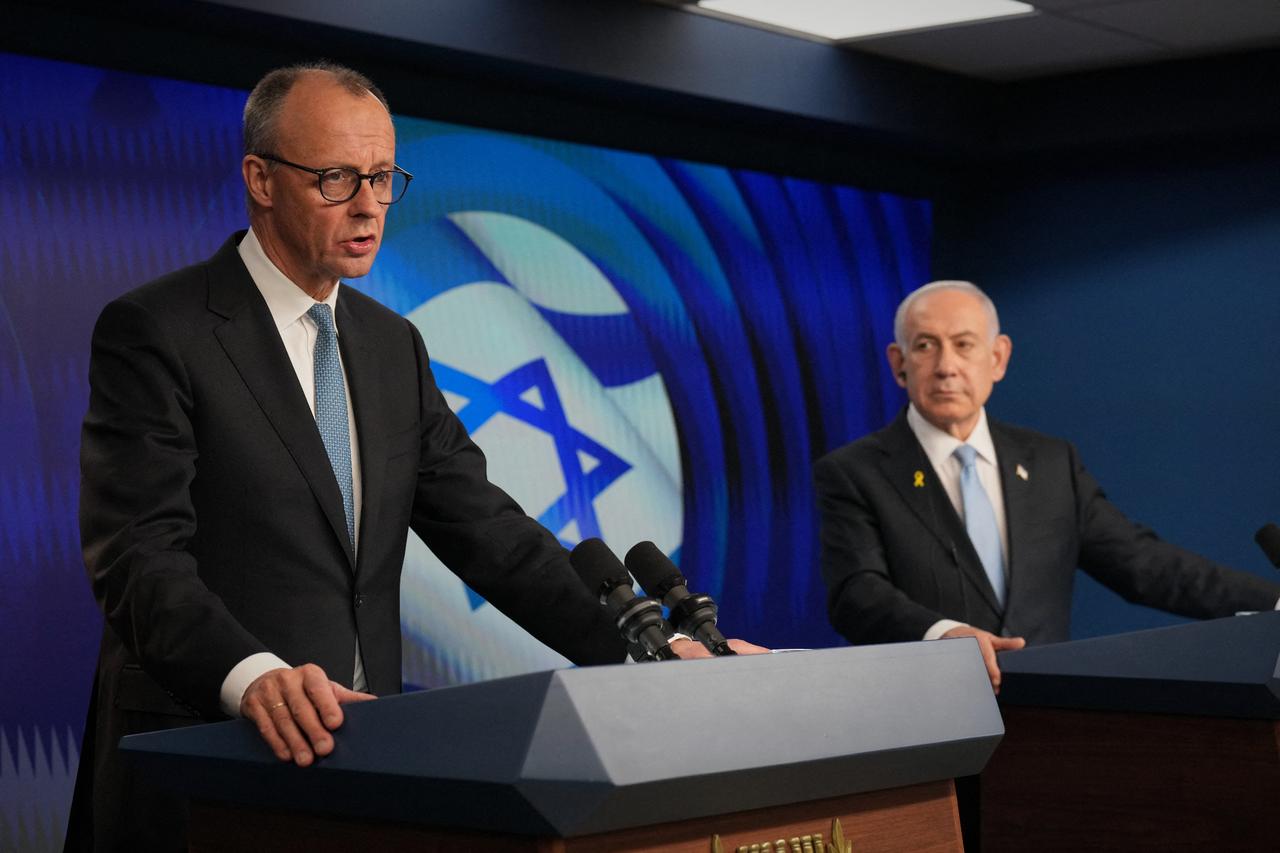


German Chancellor Friedrich Merz said Sunday his government will not recognize an independent Palestinian state in the foreseeable future, maintaining Berlin's position that such recognition should follow successful peace negotiations rather than precede them.
Speaking at a press briefing with Israeli Prime Minister Benjamin Netanyahu in Jerusalem, Merz distinguished Germany's approach from several European nations that have moved toward Palestinian statehood recognition amid the ongoing conflict in Gaza.
"The German federal government remains of the opinion that recognition of a Palestinian state should come at the end—not the beginning—of such a process," Merz said, referring to peace negotiations between Israelis and Palestinians.
The chancellor emphasized that any two-state solution can only be achieved through direct negotiations, adding that Germany has refrained from early recognition because "none of us knows today what the outcome will be."
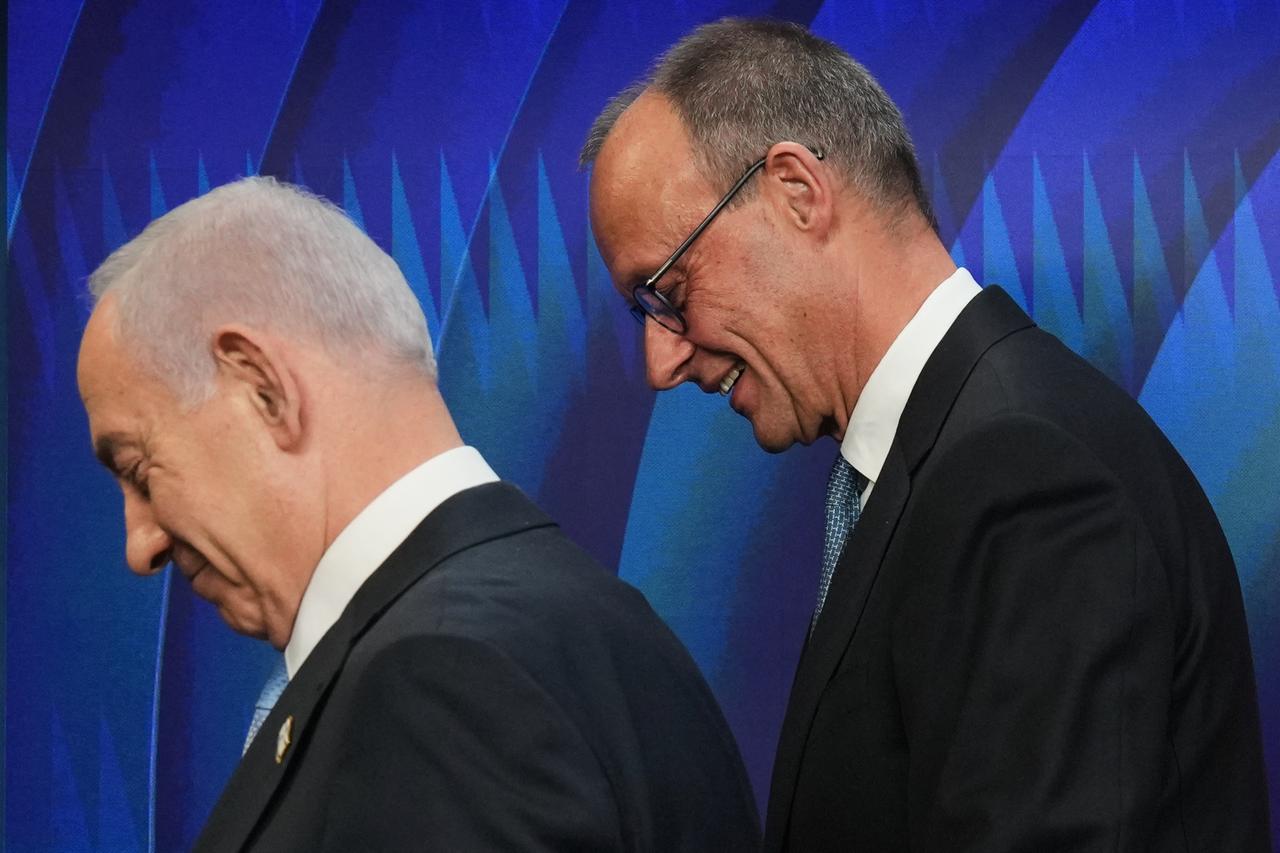

Merz framed Germany's position within broader regional objectives, saying his government is working "towards the goal of a new Middle East" in which Israel would gain wider recognition from neighboring states.
He acknowledged that establishing a Palestinian state alongside Israel "probably offers the best prospect for this future," but maintained that the sequence of recognition matters for achieving lasting peace.
Germany has historically tied its Middle East policy to its post-World War II relationship with Israel, viewing support for the Jewish state as a moral obligation stemming from the Holocaust. This position has shaped German diplomatic stances and arms export policies in the region for decades.
The German government has faced increasing public criticism over its stance during the current conflict in Gaza, which began in October 2023. Critics argue Berlin's approach amounts to unconditional support for Israeli military operations.
In October, nearly 200 German intellectuals, legal scholars and foreign policy experts issued a policy paper calling on the center-right government to end what they termed "blind loyalty" to Israel. The signatories urged a complete overhaul of Germany's position, advocating for decisions rooted in international law rather than historical considerations.
The debate reflects broader tensions within Germany between maintaining its special relationship with Israel and responding to humanitarian concerns about Palestinian civilians. Several other European countries, including Spain, Ireland and Norway, formally recognized Palestinian statehood in 2024, breaking with the traditional Western position that recognition should await a negotiated settlement.


 Set as preferred source
 Set as preferred source


 1 min read

 1 min read