Newsletters




Extreme heat and severe thunderstorms disrupted Fourth of July celebrations in the eastern United States on Saturday. Officials said the ongoing heat wave has risen to 25.
Nearly 156 million people in the eastern two-thirds of the country were still under heat alerts from the National Weather Service. A high-pressure heat dome pushed temperatures above 38 degrees Celsius (100 degrees Fahrenheit) in cities like Washington, D.C., Norfolk, Virginia, and Raleigh, North Carolina.


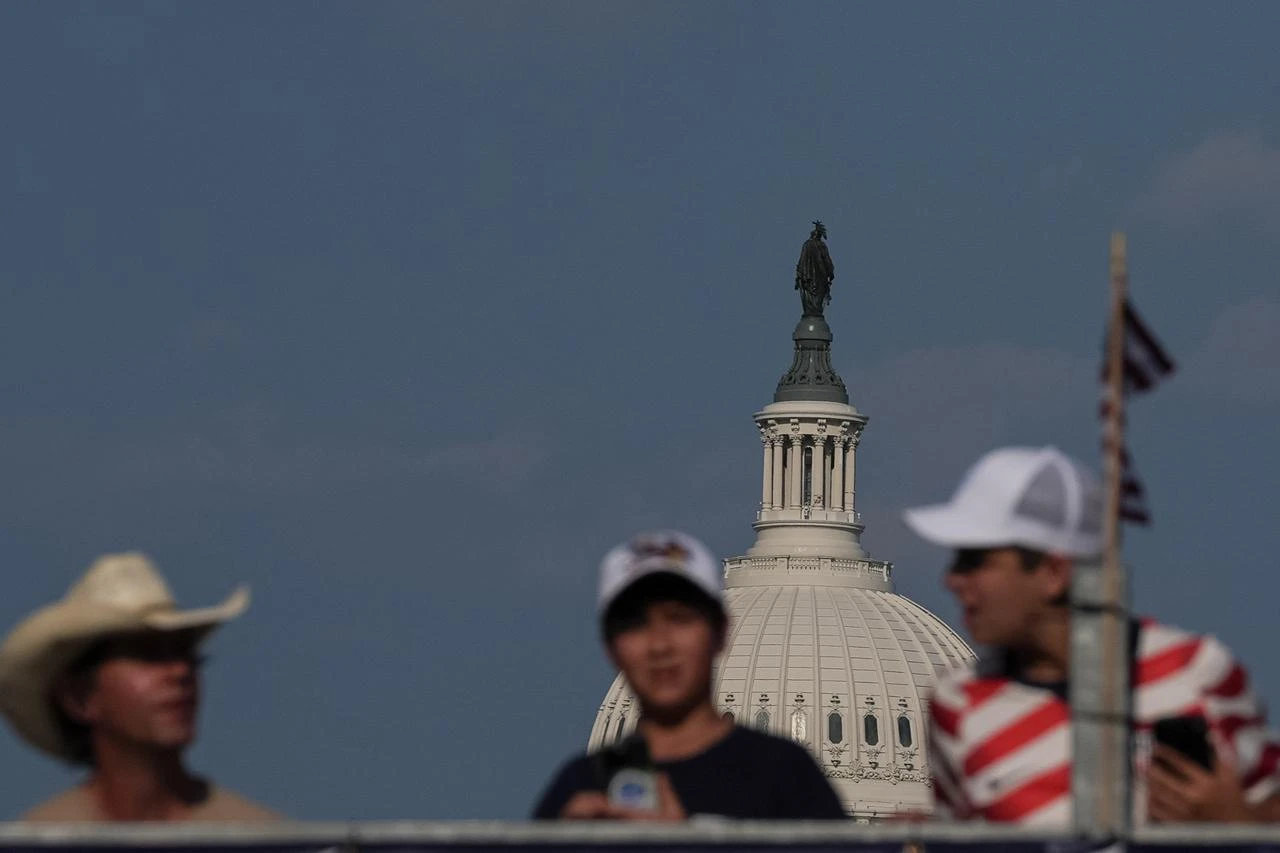
In Washington, D.C., emergency workers and National Guard members treated people for heat-related illnesses during the Salute to America 250 celebrations on the National Mall. The event marked the 250th anniversary of the country's founding.
Thunderstorms forced thousands of people to leave the National Mall on Saturday evening as local authorities urged everyone to seek shelter from the severe weather. The National Mall reopened later that night, and the rest of the celebration, including the fireworks display, went ahead as planned.
Washington also had its warmest overnight low on record at 29 degrees Celsius (84 Fahrenheit), according to the National Weather Service. By midday Saturday, daytime highs were climbing back toward the triple digits.
Earlier in the week, extreme heat had already caused temporary closures at the Great American State Fair on the National Mall. D.C. Fire and Emergency Medical Services recorded dozens of patient contacts and transports. Washington's Independence Day parade, which was set for Saturday morning, was canceled because of the dangerous heat.

On Saturday, more than 72 million people were under severe thunderstorm watches. Forecasters warned of wind gusts over 105 kph (65 mph) and hail as large as quarters. Damaging winds were reported in parts of Nebraska and Iowa.
A severe storm hit the New York area on Friday night, leaving hundreds of thousands of utility customers without power during the heat wave, according to local officials. In Atlantic City, New Jersey, the National Weather Service recorded the city's highest July temperature at 41 degrees Celsius (105 degrees Fahrenheit) on Saturday.
Other Independence Day events were also affected by the extreme weather. In Philadelphia, a parade planned for the day before the holiday was canceled because of the heat, and a downtown unity concert was stopped when severe storms arrived.
In Haddon Township, New Jersey, authorities canceled the local parade due to the heat and humidity. Several communities in Colorado also called off fireworks displays because of the higher wildfire risk from dry, hot conditions.

In New Jersey, suspected heat-related deaths rose from 19 to 22, according to the state Health Department. Most victims were between their 30s and 80s, with deaths reported in 10 counties, mainly in the central and northern parts of the state.
State Health Commissioner Raynard Washington said many victims were found in homes without air conditioning, while others were discovered outside or in parked vehicles.
Washington said state authorities were sending cooling equipment and generators to health care facilities under strain, and in some cases, evacuating patients when needed.
More heat-related deaths were reported in the region during the week. In Pennsylvania, a 68-year-old man died after collapsing while doing yard work as temperatures went over 38 degrees Celsius (100 Fahrenheit), according to local authorities. Health officials in the Northeast also saw a sharp rise in heat-related illness cases before the holiday weekend.
The National Weather Service said cooler air from Canada should push the heat dome south and west over the next few days, easing extreme temperatures in the Northeast. However, forecasters warned that dangerous overnight heat and high humidity will continue in affected areas for now.
The extreme weather happened as the United States celebrated its 250th anniversary of independence. Large public gatherings in many states faced both dangerous heat and the risk of severe storms over the holiday weekend.


 Set as preferred source
 Set as preferred source



 4 min read