Newsletters


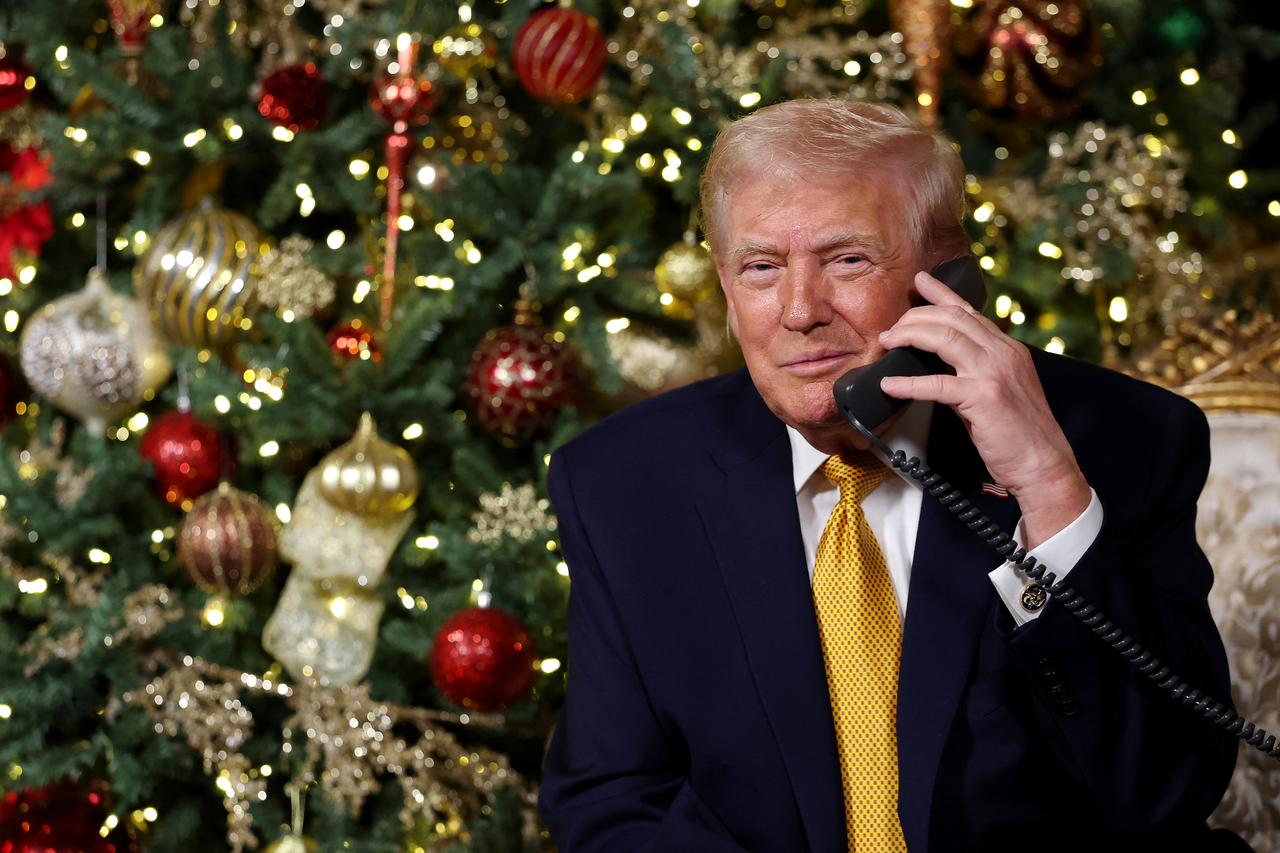


Four days before Hondurans went to the polls, U.S. President Donald Trump upended what had been a wide-open presidential race with a single social media post.
The U.S. president's Nov. 26 endorsement of conservative candidate Nasry Asfura, coupled with a warning that Washington would cut aid if anyone else won, transformed a three-way contest into what opponents now call a case study in foreign electoral interference.
When Asfura was declared the winner on Wednesday with a razor-thin margin of 0.74 percentage points, opposition leaders pointed directly to Trump's intervention as the decisive factor in an election marred by technical breakdowns and allegations of vote manipulation.
The outcome of Asfura's 40.27% versus 39.53% for runner-up Salvador Nasralla came more than three weeks after the Nov. 30 vote, following a chaotic counting process that saw the electoral website crash at a critical moment and forced officials to hand-count hundreds of thousands of ballots.
Multiple opposition figures have refused to accept the results, with Congress President Luis Redondo calling it an electoral coup "completely outside the law."
But the controversy centers less on what happened after voting ended than on what transpired in the final days before Hondurans cast their ballots.

When Trump posted his endorsement on Truth Social, no clear favorite had emerged among the three frontrunners.
Asfura, a former mayor of the capital, was running neck-and-neck with Nasralla, a television personality making his second presidential bid, while leftist candidate Rixi Moncada of the governing LIBRE party remained competitive in what analysts described as an election with a deep political and economic divide.
Trump's message was unambiguous. He declared Asfura the "only true friend of freedom" and stated flatly that he could not work with the other candidates.
On Nov. 28, two days before the election, he escalated with a stark warning: "If he doesn't win, the United States will not be throwing good money after bad, because a wrong leader can only bring catastrophic results to a country."
The threat carried enormous weight in a nation where remittances from the United States account for approximately 25% of gross domestic product and economic survival depends heavily on Washington's goodwill.
Trump framed his position in ideological terms, saying he could not work with Moncada "and the communists" and dismissing Nasralla as someone who "cannot be trusted."
He said Asfura "stands up for democracy and fights against Maduro" and that together they could "work together to fight the narco-communists."
Then came the pardon. On Nov. 29, the day before voting began, Trump announced he would release former Honduran President Juan Orlando Hernandez from a 45-year U.S. prison sentence for drug trafficking.
Hernandez belonged to Asfura's National Party, and the timing stunned observers who saw it as a clear signal of support for Asfura despite his party's association with a convicted narcotics trafficker.
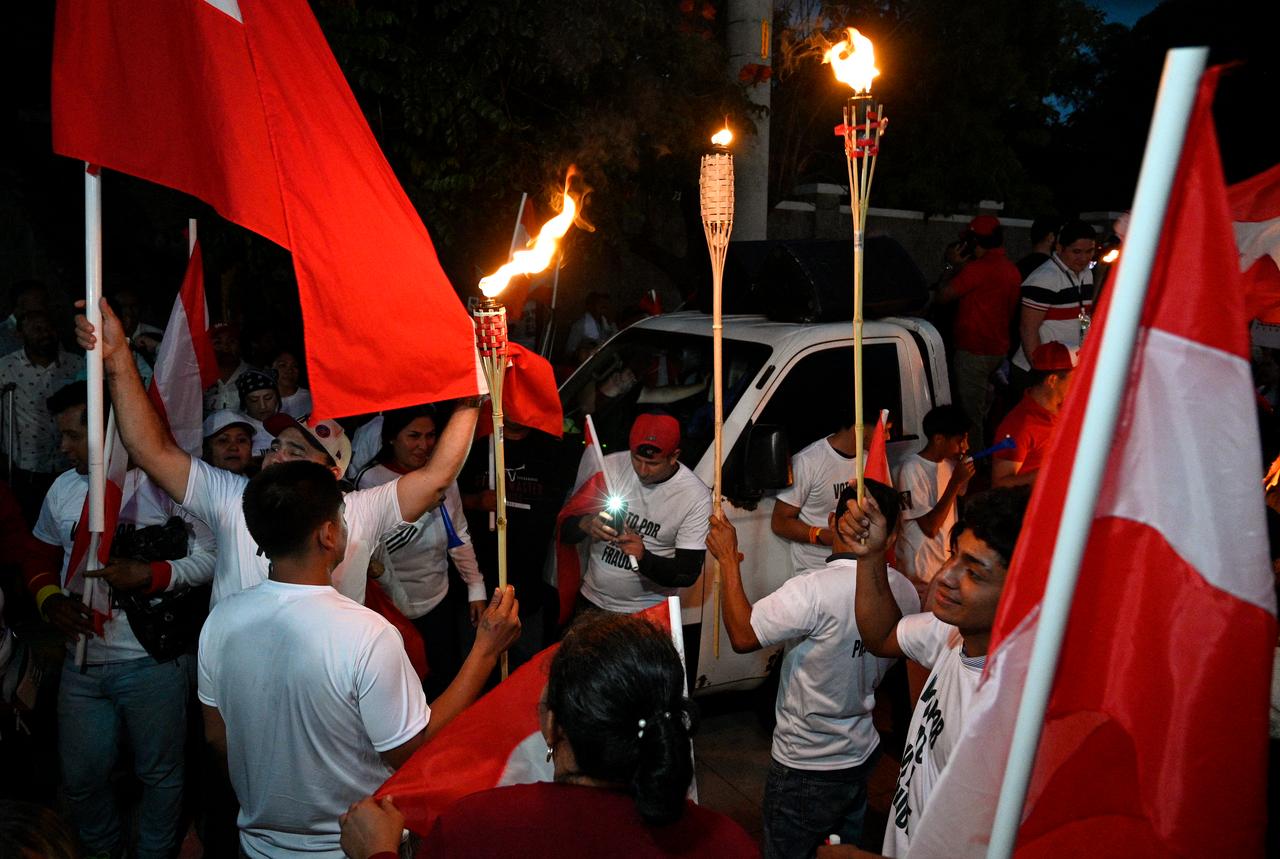
The vote on Nov. 30 produced results so close that initial counts showed the candidates separated by just 515 votes. Technical problems immediately plagued the electoral website, and officials eventually had to hand-count approximately 15% of tally sheets representing hundreds of thousands of ballots.
On Dec. 4, at 3:24 a.m. in the morning, the electoral website went blank. When it came back online, Nasralla alleged vote totals had mysteriously switched between the candidates, claiming that "1,081,000 votes for Nasralla were given to Asfura, and the 1,073,000 votes that Asfura had were given to Nasralla," though he offered no evidence beyond the timing of the website failure and comparison to alleged manipulation in a 2013 election.
As Honduras languished in limbo through December, Trump issued another warning on Truth Social: "Looks like Honduras is trying to change the results of their presidential election. If they do, there will be hell to pay!"
The Trump administration warned during the prolonged count that any attempts to obstruct or delay the tally would face consequences, while the State Department urged all parties to respect the confirmed results to ensure a peaceful transition to Asfura.
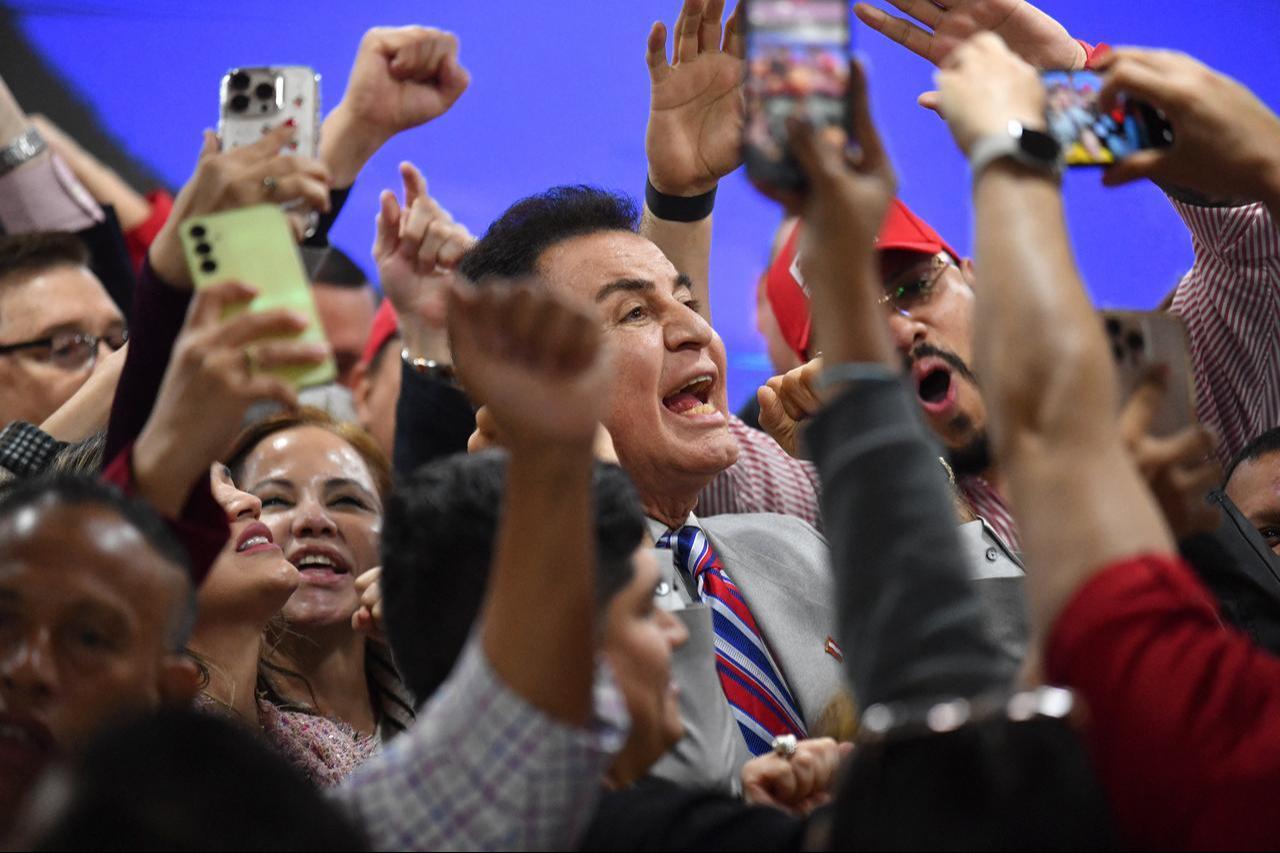
Libre party candidate Moncada stated bluntly that there was "no doubt that there are two concrete actions, three days before the elections, that are totally interventionist."
President Xiomara Castro condemned Trump for having threatened the Honduran people and asserted the electoral process was "marked by threats, manipulation of the preliminary results system, and falsification of the popular will."
Nasralla didn't concede and labeled the outcome fraudulent, demanding a full recount of all votes. In a direct appeal to Trump posted on social media on Dec. 24, he wrote, "(Mr.) President, your endorsed candidate in Honduras is complicit in silencing the votes of our citizens. If he is truly worthy of your backing, if his hands are clean, if he has nothing to fear, then why doesn't he allow for every vote to be counted?"
The head of the Honduran Congress rejected the results entirely. Redondo, a member of the LIBRE party, called the outcome an electoral coup with "no value" under Honduran law.
Last week, thousands of supporters of Castro's leftist party staged demonstrations in Tegucigalpa to protest what they termed fraud in the vote.
The Organization of American States made an urgent call to Honduran authorities to complete the count before a Dec. 30 deadline, as the prolonged and contentious process fueled international warnings about the credibility of Honduras's electoral system.
Eric Olson, an independent international observer with the Seattle International Foundation, offered a more nuanced assessment. He acknowledged that opponents claimed fraud and Trump intervention but noted that "very few people, even within LIBRE, believe they won the election," adding that they argue there has been fraud and interference and call for new elections rather than claiming victory.
"It's pretty clear they did not win," Olson said, adding that Asfura projects "stability and managerial experience—that appealed to voters tired of ideological battles."
Still, the question of whether Trump's endorsement changed the outcome in such a close race remains central to the controversy. In an election decided by less than one percentage point, opponents maintain that the U.S. president's threats to cut aid and his public backing of Asfura in the final days before voting swayed enough uncertain voters to tip the balance.
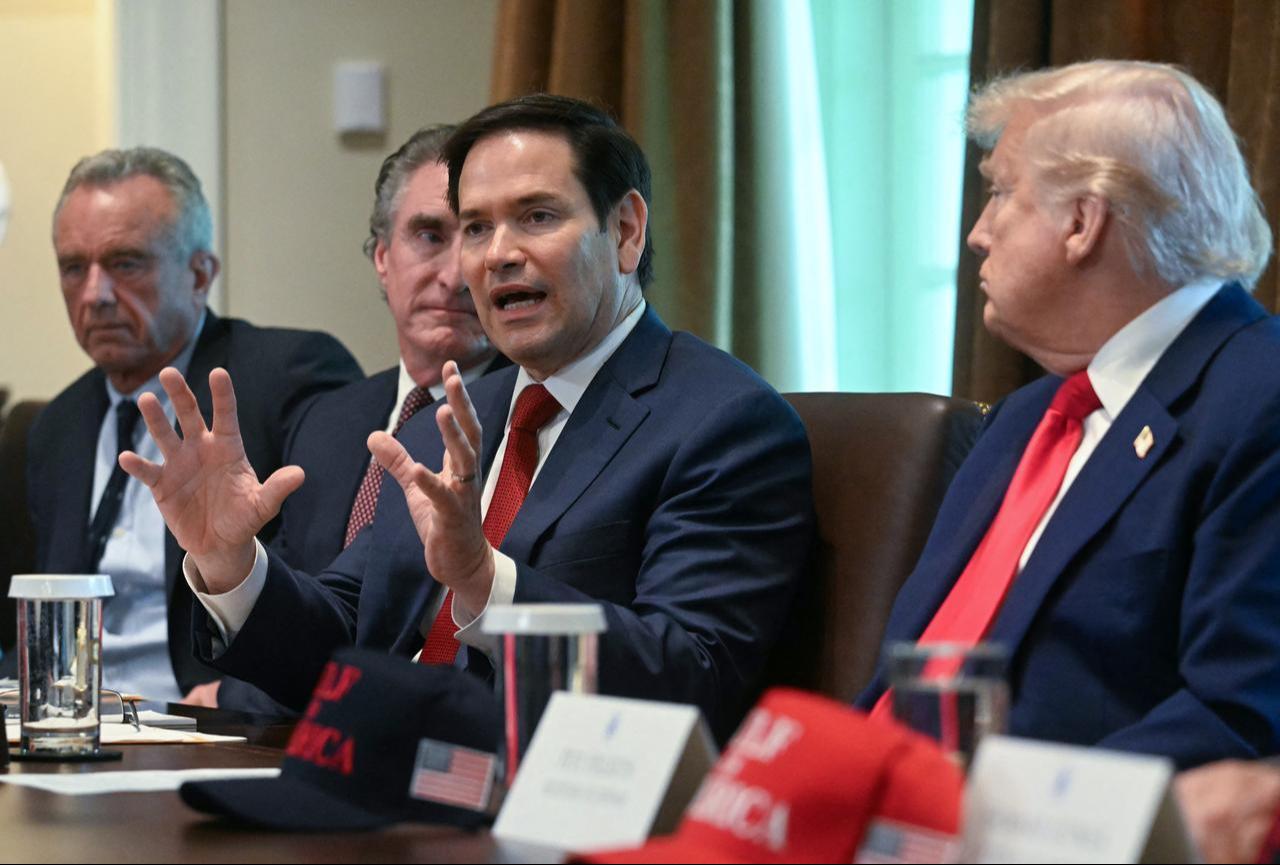
Within minutes of the electoral council's announcement on Wednesday, U.S. Secretary of State Marco Rubio congratulated Asfura and said Washington looks forward to working with his administration to advance prosperity and security in the hemisphere.
The swift recognition stood in sharp contrast to the doubts swirling around the electoral process.
Asfura posted on social media after the win was declared: "Honduras: I am prepared to govern. I will not let you down." He thanked Trump for his support, writing, "Many thanks for the support, President @realdonaldtrump. We stand firm to defend our democracy, our freedom, and the values that make our country great."
The 67-year-old construction businessman, who previously served as mayor of Tegucigalpa, won in his second bid for the presidency, running as a pragmatic politician who pointed to popular infrastructure projects completed in the capital.
But his record carries controversy, including allegations he embezzled municipal funds, though the case did not advance. His name also appeared in the Pandora Papers for allegedly using offshore companies in Panama to evade taxes.
The result continues Latin America's recent shift toward conservative leadership, coming just one week after Chile elected far-right politician Jose Antonio Kast as its next president.
The outcome represents a sharp rebuke of Castro and her Liberty and Re-foundation Party, whose candidate finished a distant third with 19.19% of the vote.
Castro was elected in 2021 on promises to reduce violence and root out corruption, part of a wave of progressive leaders across Latin America who rode to power on messages of change. Her departure would mark the first time a left-wing president completed a full term in Honduras, though the circumstances of the transition have overshadowed that milestone.
Asfura takes office Jan. 27, facing major challenges in a nation of 11 million plagued by violence from drug traffickers and gangs. He has pledged to attract foreign investment and re-establish ties with Taiwan after Castro warmed to China in 2023.
Honduras remains one of the region's most violent countries, with approximately 27 homicides per 100,000 inhabitants in 2024, despite declining murder rates under Castro's state of emergency.
But he will govern a more polarized country amid lingering questions about how he won, with significant portions of the electorate convinced that foreign interference determined the outcome.
Electoral council head Ana Paola Hall described the margin as historic, though whether history will remember it for its closeness or its controversy remains to be seen.


 Set as preferred source
 Set as preferred source


 1 min read
 1 min read