

 Newsletters


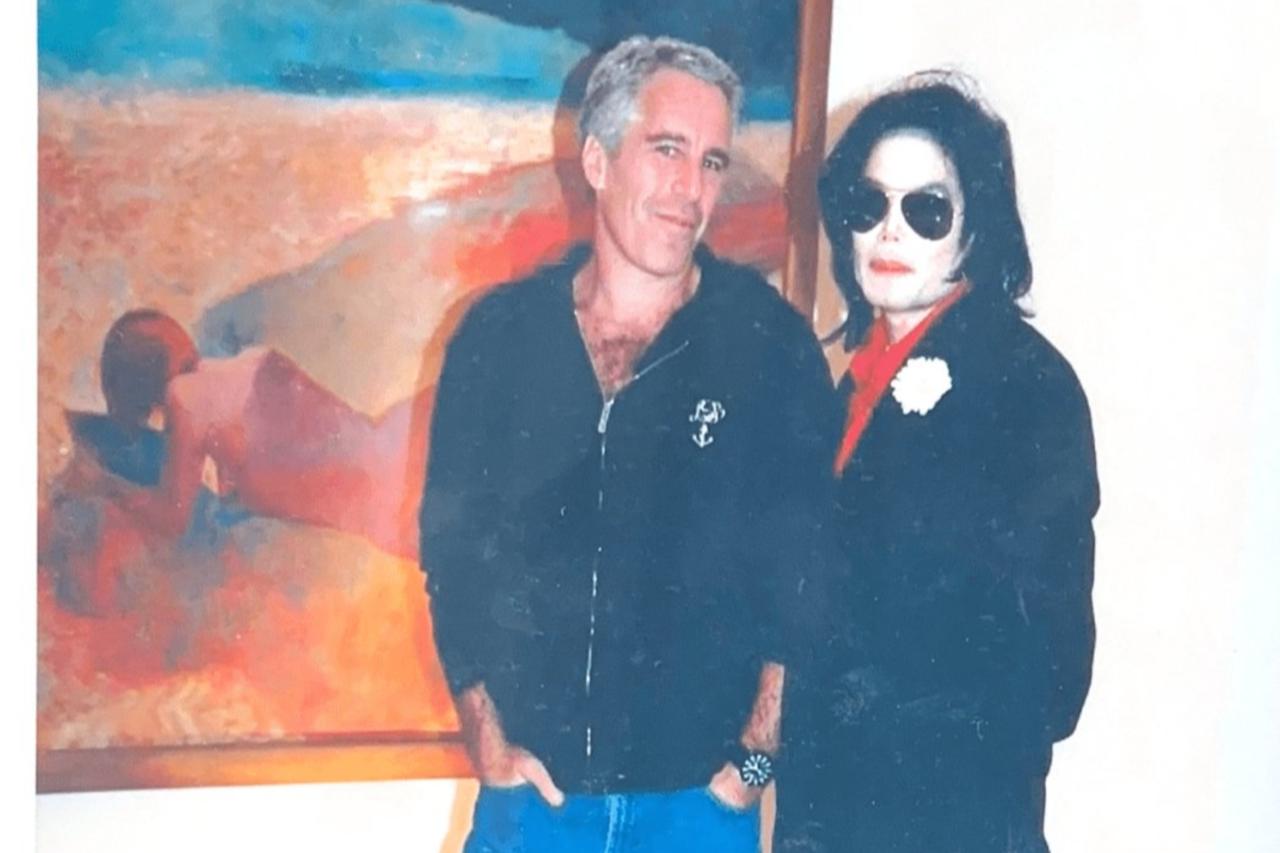


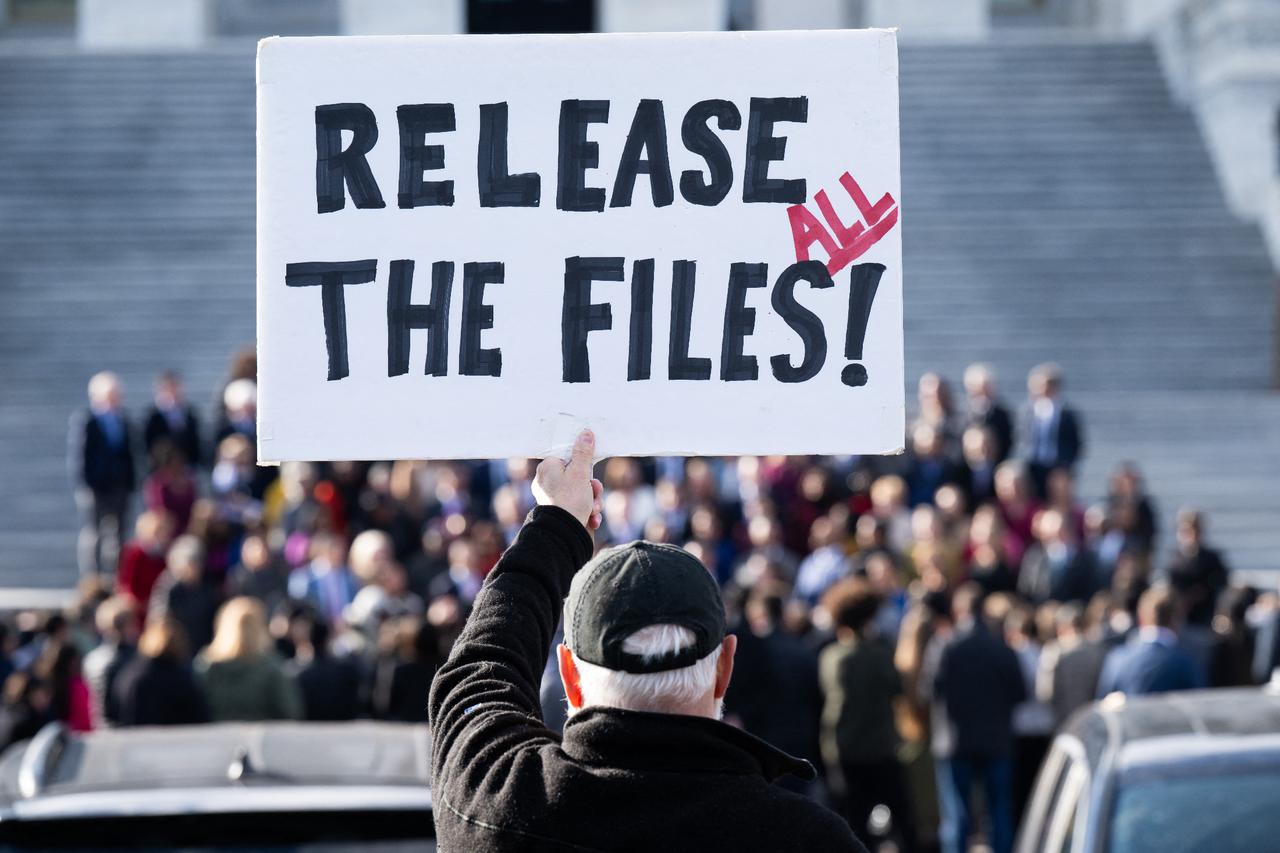
The U.S. Justice Department began releasing investigative records from the Jeffrey Epstein case on Friday, disclosing what officials described as several hundred thousand documents while acknowledging the agency would miss a congressional deadline to make public its entire cache of materials related to the convicted sex offender.
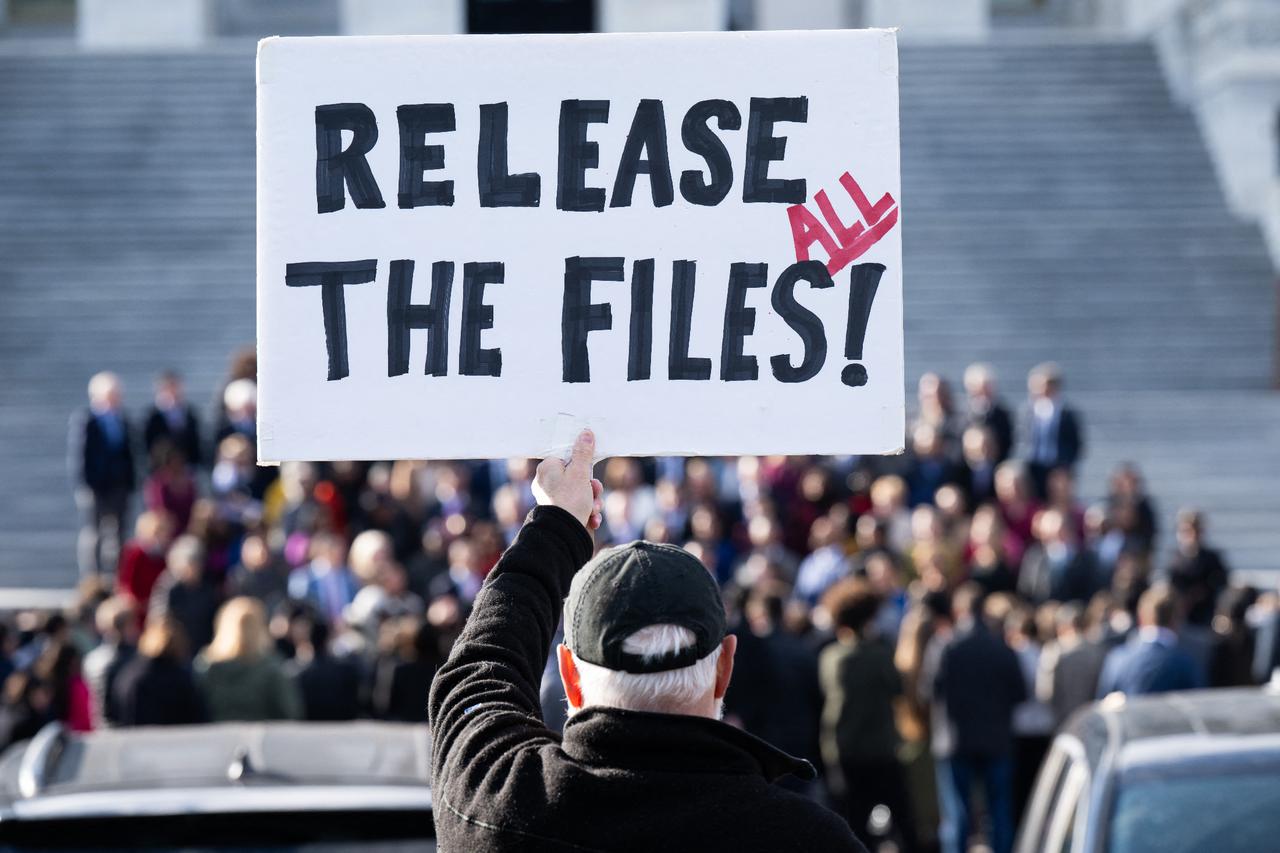
Deputy Attorney General Todd Blanche told Fox News that hundreds of thousands of pages would become available Friday, with additional documents to follow in coming weeks. The partial release sets up a potential legal confrontation with lawmakers who demanded full transparency by Dec. 19 under the Epstein Files Transparency Act, which President Donald Trump signed into law in November.
"We are looking at every single piece of paper that we are going to produce making sure that every victim, their name, their identity, their story to the extent it needs to be protected, is completely protected," Blanche said, citing ongoing review efforts as the reason for the staggered disclosure.
The Justice Department's website hosting the files was immediately overwhelmed by traffic, forcing users into an online queue. Once accessible, the materials included court records, investigative documents, photographs and other evidence spanning years of federal probes into Epstein and his accomplice Ghislaine Maxwell, who is serving a 20-year federal sentence for sex trafficking conspiracy.
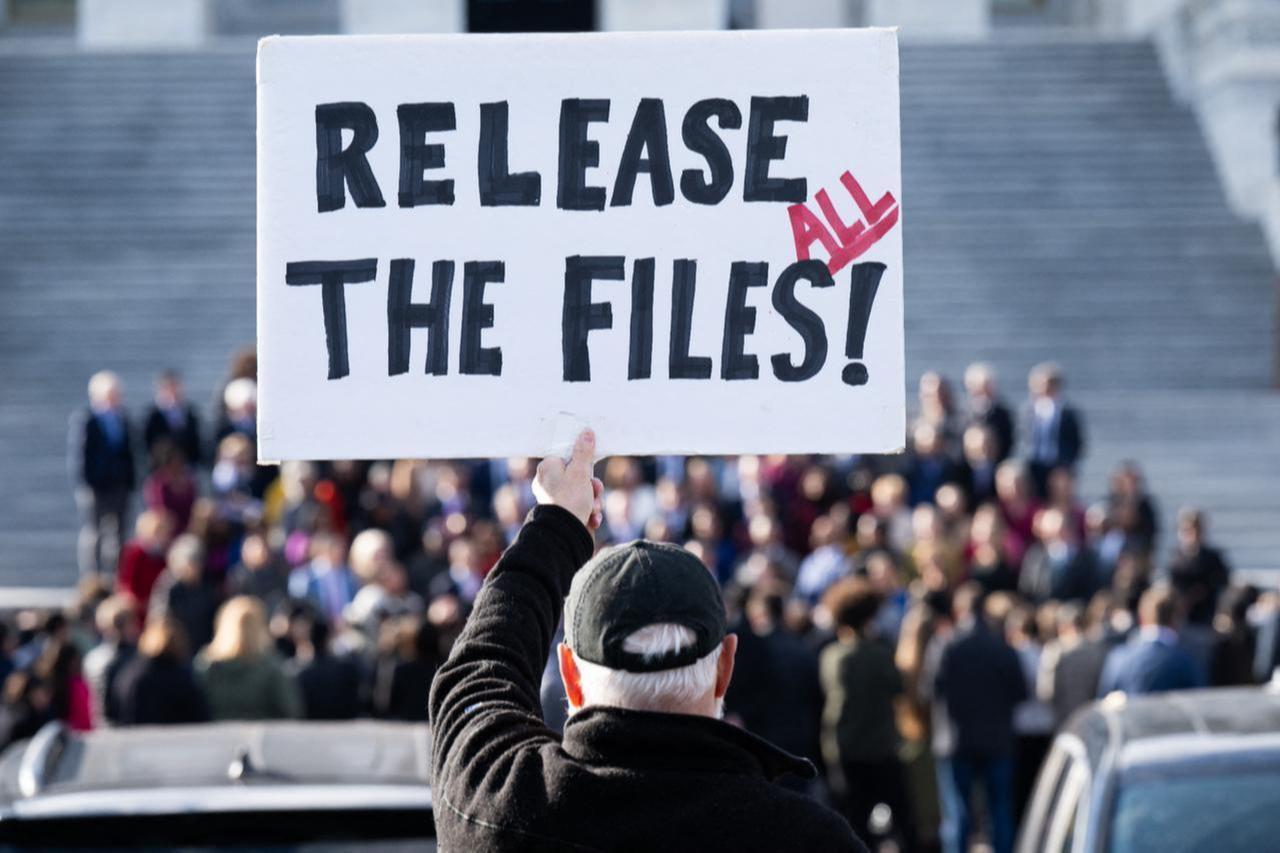

House Democrats Robert Garcia of California and Jamie Raskin of Maryland, ranking members on the Oversight and Judiciary committees respectively, issued a joint statement saying they were "examining all legal options" to compel full disclosure.
"The survivors of this nightmare deserve justice, the co-conspirators must be held accountable, and the American people deserve complete transparency from DOJ," the lawmakers said.
Senate Minority Leader Chuck Schumer went further, asserting that the partial release violated federal law. "The law Congress passed and President Trump signed was clear as can be — the Trump administration had 30 days to release ALL the Epstein files, not just some," Schumer said in a statement.
Representative Ro Khanna, the California Democrat who co-sponsored the transparency legislation with Kentucky Republican Thomas Massie, warned that Justice Department officials could face obstruction of justice charges for withholding documents. "Anyone who tampers with these documents or conceals documents, or engages in excessive redaction, will be prosecuted," Khanna said in a video posted online.

The FBI and Justice Department have indicated they possess more than 300 gigabytes of data and physical evidence from Epstein investigations. According to Khanna, only one gigabyte of that material had been publicly disclosed before Friday's release. "They've released 1/300th of what (FBI Director) Kash Patel himself has said (exists)," Khanna said.
Initial examination of the released documents revealed heavy redactions throughout. A search function on the Justice Department website appeared to malfunction, with queries for "Epstein" returning no results. The department warned that due to technical limitations and the format of certain materials, including handwritten text, portions of the documents may not be electronically searchable despite the law's requirement for a searchable format.
The legislation permits the Justice Department to withhold information that identifies victims, depicts abuse, is classified for national security reasons, or would jeopardize ongoing investigations. Attorney General Pam Bondi has 15 days to produce a report detailing reasons for any redactions or withheld materials.
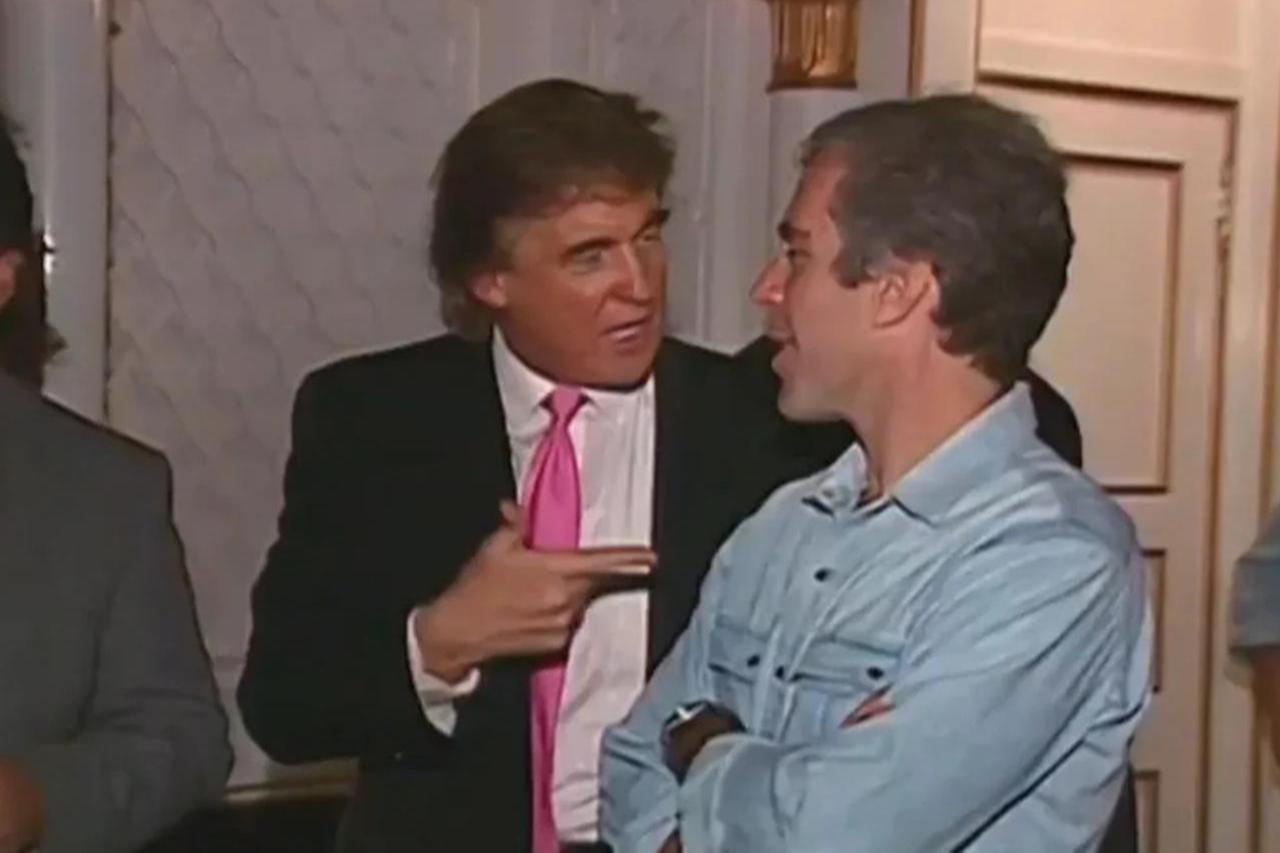
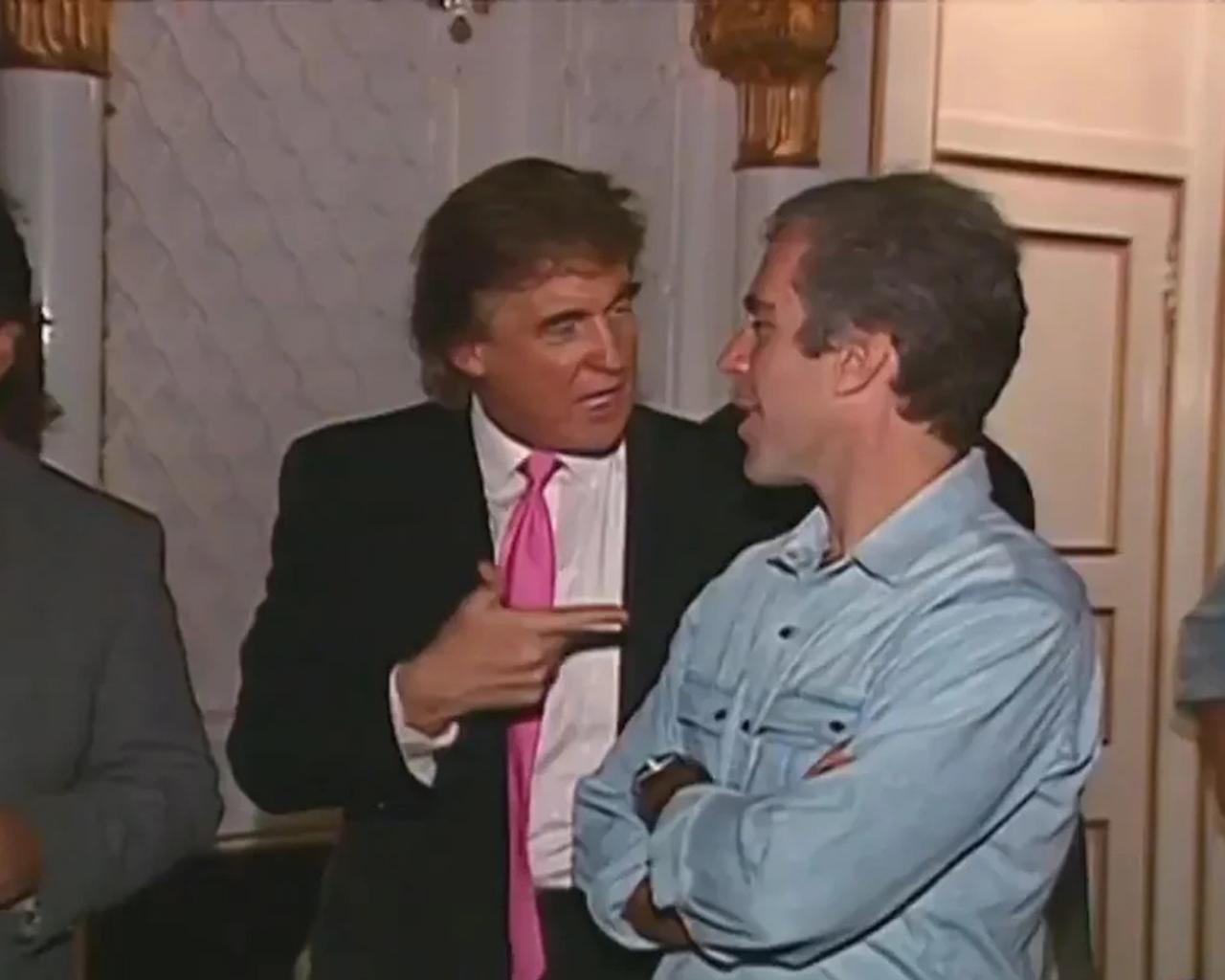
The document disclosure caps months of political turmoil that exposed divisions within Trump's political coalition and tested the president's influence over his supporters. Trump and Epstein were friends for more than a decade during the 1990s and early 2000s, with their relationship ending before Epstein pleaded guilty to child prostitution charges in Florida in 2008.
The president initially dismissed public interest in the Epstein case as a Democratic "hoax" and worked through Republican leadership to block transparency legislation. After the Justice Department released a memo in July stating that Epstein died by suicide and no client list existed, Trump's political base erupted in protest. Key Republican lawmakers including Massie, Representative Marjorie Taylor Greene of Georgia, and Representative Lauren Boebert of Colorado defied party leadership to advance the disclosure bill.
Trump eventually reversed course and supported the legislation after bipartisan pressure made passage inevitable. The bill cleared both chambers of Congress with near-unanimous support. A Reuters/Ipsos poll released this month found that a majority of Americans disapprove of the Trump administration's handling of the Epstein case.
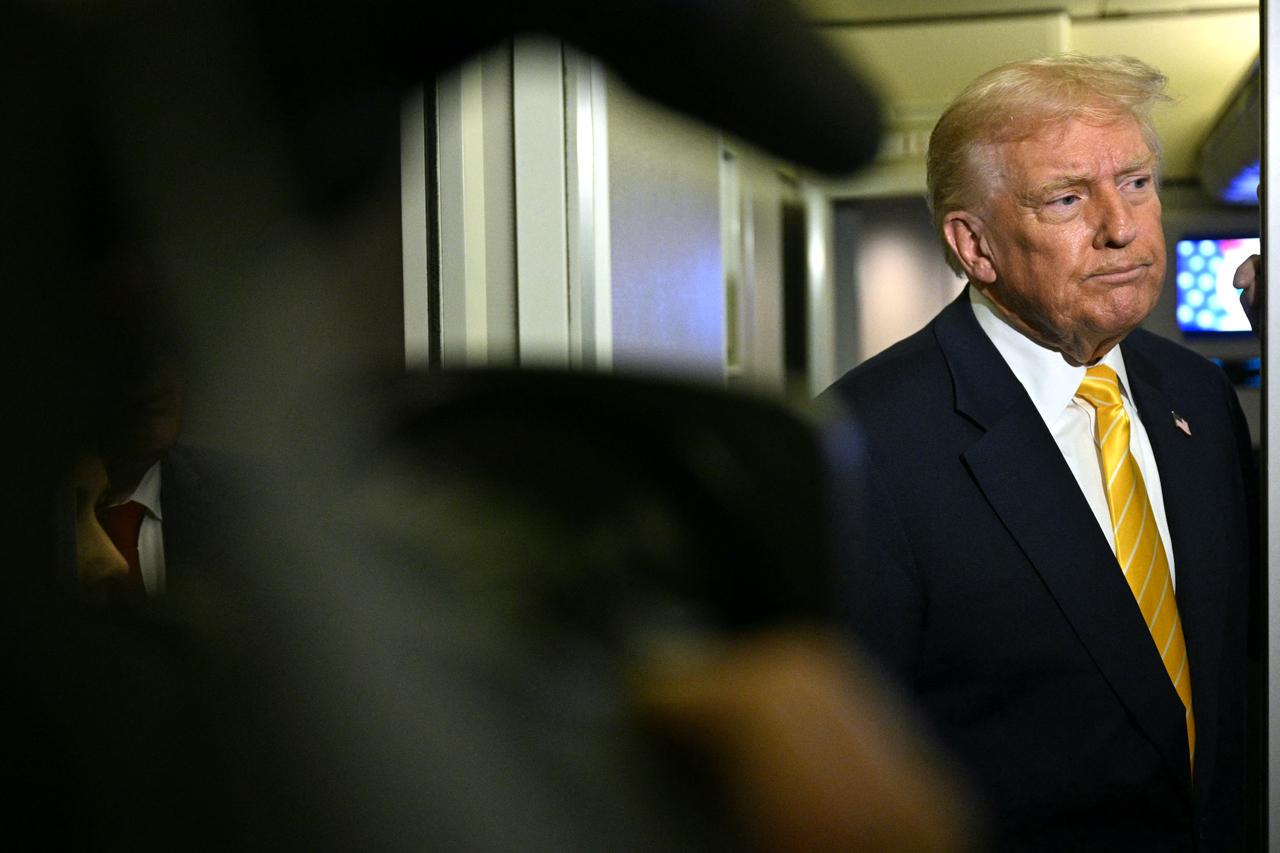
Trump declined to answer questions from reporters at a White House event Friday ahead of the file release. "I really don't want to soil it up by asking questions, even questions that are very fair questions that I'd love to answer," Trump said after announcing a drug pricing initiative. "I think we have to just stop right here."

Danielle Bensky, who has said she met Epstein in 2004 when she was 17, told MSNBC that the announcement of a phased release made her "really nervous." Survivors had been a major force in pressuring Congress to mandate the document release.
"We had hoped that we would see everything today ... the fact that we still haven't seen anything feels a little nerve-wracking," Bensky said.
Spencer Kuvin, a Florida attorney who has represented multiple alleged Epstein victims over nearly two decades, questioned the process. Survivors "are now being asked to trust a process that has no independent verification from an agency that's being dictated to by a president who has been included in the documents themselves," Kuvin told reporters.
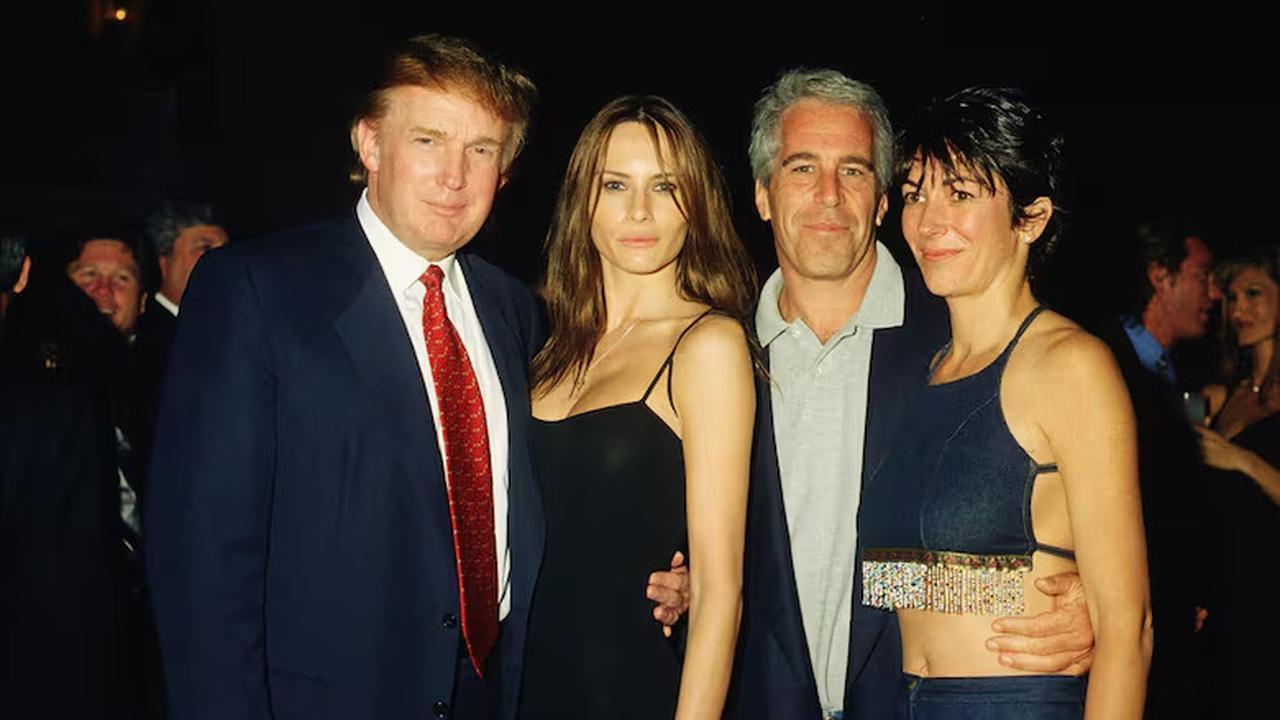
Epstein, a wealth manager with connections to prominent figures in business, politics and entertainment, died in a New York jail cell in August 2019 at age 66 while awaiting trial on federal sex trafficking charges. The medical examiner ruled his death a suicide. He had been arrested weeks earlier on charges alleging he sexually exploited and abused dozens of underage girls at his homes in Manhattan and Palm Beach, Florida.
Federal law enforcement first investigated Epstein in the mid-2000s. That Florida-based probe resulted in a controversial 2008 plea deal in which he pleaded guilty to state charges of solicitation of prostitution and solicitation of a minor for prostitution, becoming a registered sex offender. The lenient agreement, which allowed him to avoid federal charges, sparked years of criticism and was later declared illegal by a federal judge for violating victims' rights.
Federal prosecutors in New York reopened the case in 2019, leading to new sex trafficking charges shortly before Epstein's death. Maxwell, his longtime associate, was convicted in 2021 on charges of recruiting and grooming underage girls for abuse.
Recent congressional investigations have produced additional material from Epstein's estate. House Democrats on the Oversight Committee released emails in November showing correspondence between Epstein and former Harvard University president Lawrence Summers that continued until shortly before Epstein's 2019 arrest. The disclosure prompted Summers, who served as Treasury secretary under President Bill Clinton, to step away from public positions and his teaching job at Harvard.
Other previously released records from the estate mentioned billionaires Elon Musk and Peter Thiel, political figure Steve Bannon, Britain's Prince Andrew and Microsoft founder Bill Gates. The committee also released photographs showing Epstein with Trump, former President Bill Clinton and other prominent individuals, along with emails in which Epstein discussed Trump.
In one email released by the committee, Epstein wrote that Trump "knew about the girls." Democrats also released what they said was a birthday letter to Epstein written inside the outline of a woman's body bearing Trump's signature. The president has denied writing the note and has not been accused of wrongdoing in the Epstein case.
The Epstein controversy has extended beyond American borders. Britain announced Thursday it had named Christian Turner as its next ambassador to the United States, replacing Peter Mandelson. The political appointee was dismissed in September after supportive emails he sent to Epstein came to light, revealing a closer relationship than Mandelson had previously acknowledged. The appointment of career diplomat Turner represents a strategic shift for Prime Minister Keir Starmer's government as it navigates relations with the Trump administration.


 Set as preferred source
 Set as preferred source


 3 min read
 1 min read


