Newsletters


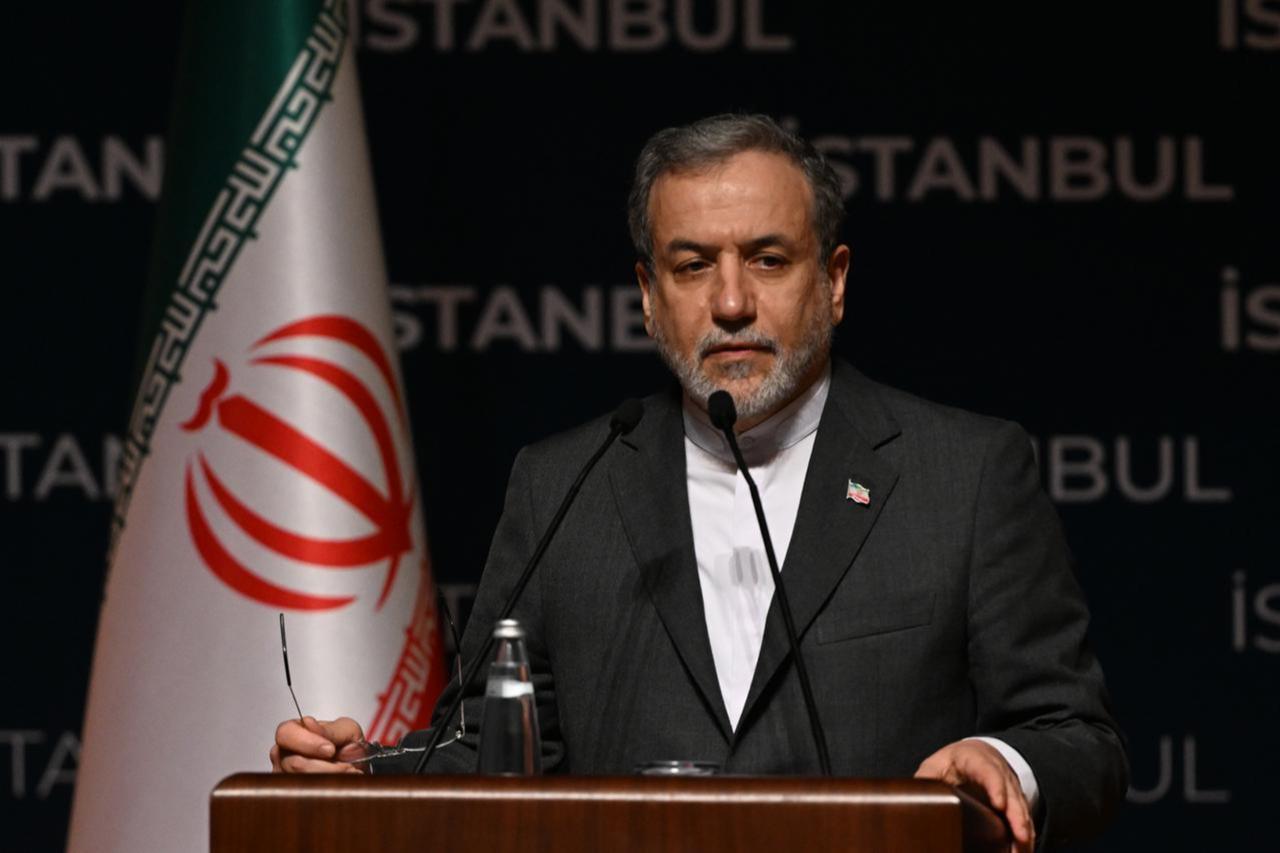


Iran and the United States will resume negotiations over Tehran's nuclear program on Friday in Istanbul, Iranian and US officials confirmed Monday, marking a potential breakthrough in efforts to defuse mounting tensions between the longtime adversaries.
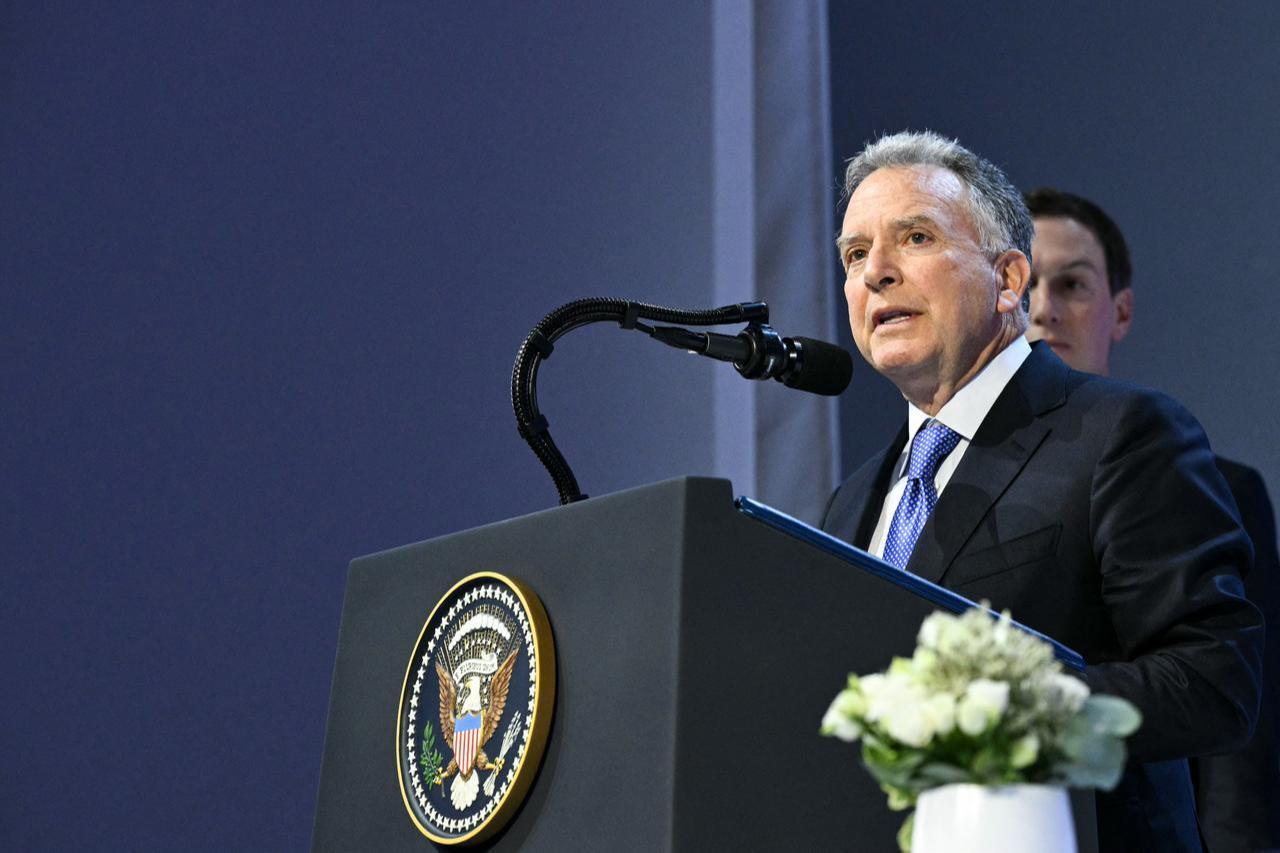
US Special Envoy Steve Witkoff and Iranian Foreign Minister Abbas Araghchi are scheduled to meet in Türkiye's largest city as part of renewed diplomatic efforts to resolve the protracted dispute over Iran's nuclear activities and avert the possibility of military conflict in the region.
A regional diplomat told Reuters that representatives from Saudi Arabia, Egypt, the United Arab Emirates, Qatar and other countries would participate in the gathering, which will feature bilateral, trilateral and additional multilateral meetings. Türkiye and other regional allies have been pushing for de-escalation between Washington and Tehran.
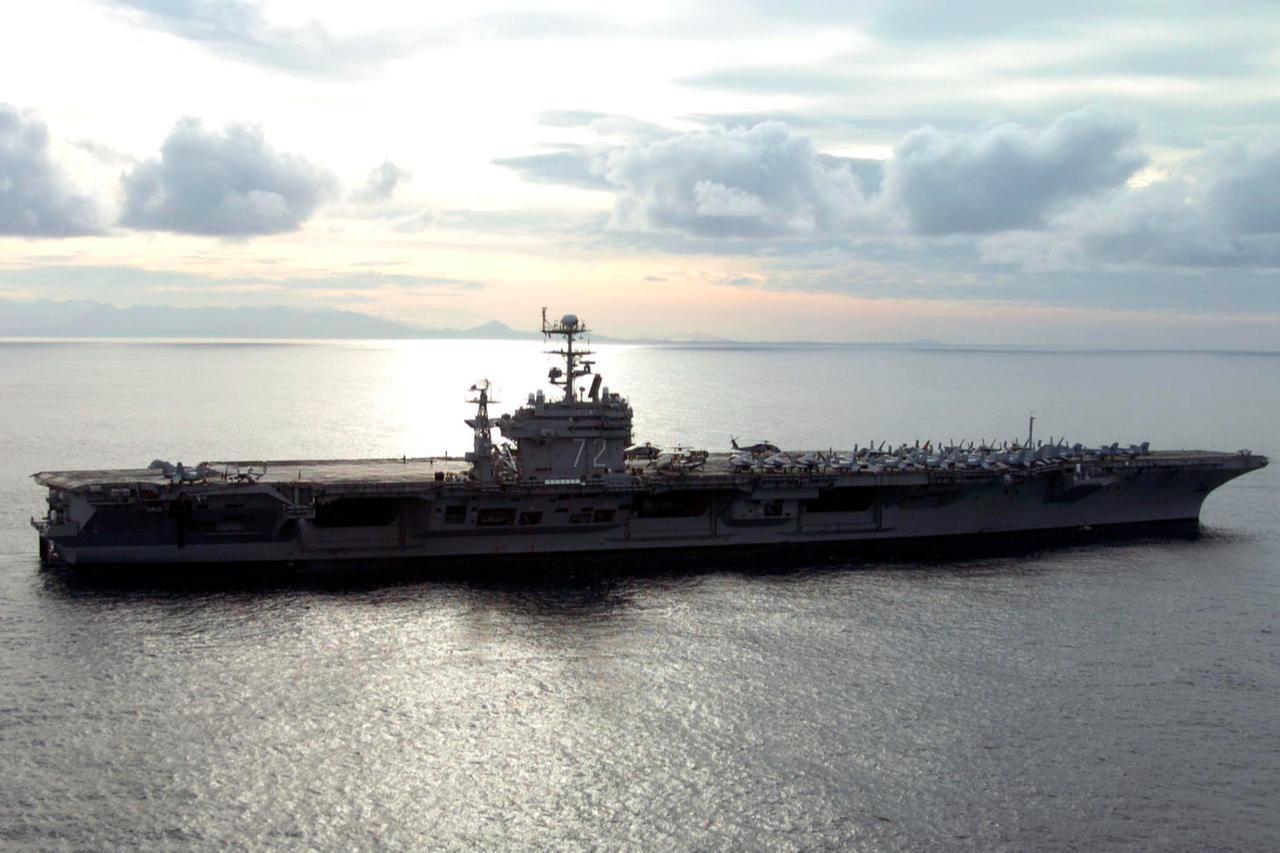

The diplomatic outreach comes amid heightened tensions following a significant US naval deployment near Iran. The military posture follows President Donald Trump's response to Tehran's violent suppression of anti-government protests last month, which marked the deadliest domestic unrest in Iran since the 1979 revolution.
Trump, who stopped short of military intervention during the crackdown, has since dispatched a flotilla to Iran's coast while demanding nuclear concessions from the Islamic Republic. Last week, Trump said Iran was "seriously talking," while Ali Larijani, Tehran's top security official, confirmed that arrangements for negotiations were underway.
Iranian sources told Reuters last week that Trump has outlined three conditions for resuming talks: complete cessation of uranium enrichment in Iran, restrictions on Tehran's ballistic missile program, and an end to Iranian support for regional proxy forces.
Iran has consistently rejected all three demands as violations of its sovereignty. However, two Iranian officials indicated that Tehran's clerical leadership views the ballistic missile program, rather than uranium enrichment, as the more significant obstacle to reaching an agreement.
Iranian Foreign Ministry spokesperson Esmaeil Baghaei said the government is evaluating "the various dimensions and aspects of the talks," emphasizing that "time is of the essence for Iran as it wants the lifting of unjust sanctions sooner."
An Iranian official told Reuters that Tehran is prepared to demonstrate flexibility on uranium enrichment, including transferring 400 kilograms of highly enriched uranium out of the country and accepting zero enrichment under a consortium arrangement. However, the official stressed that Iran opposes preconditions for talks and wants US military assets withdrawn from the region before negotiations begin.
"Now the ball is in Trump's court," the official said.
A Turkish ruling party official confirmed that Tehran and Washington have agreed to prioritize diplomacy and potential talks this week, potentially forestalling US military strikes. Witkoff is expected to travel to Israel to meet with Prime Minister Benjamin Netanyahu and Israeli military leadership, according to two senior Israeli officials.
 1 min read
Iran's regional influence has diminished following Israeli strikes on its proxies, including Hamas in Gaza, Hezbollah in Lebanon, Houthis in Yemen, and those in Iraq. The overthrow of former Syrian President Bashar al-Assad, a close Iranian ally, has further weakened Tehran's position.
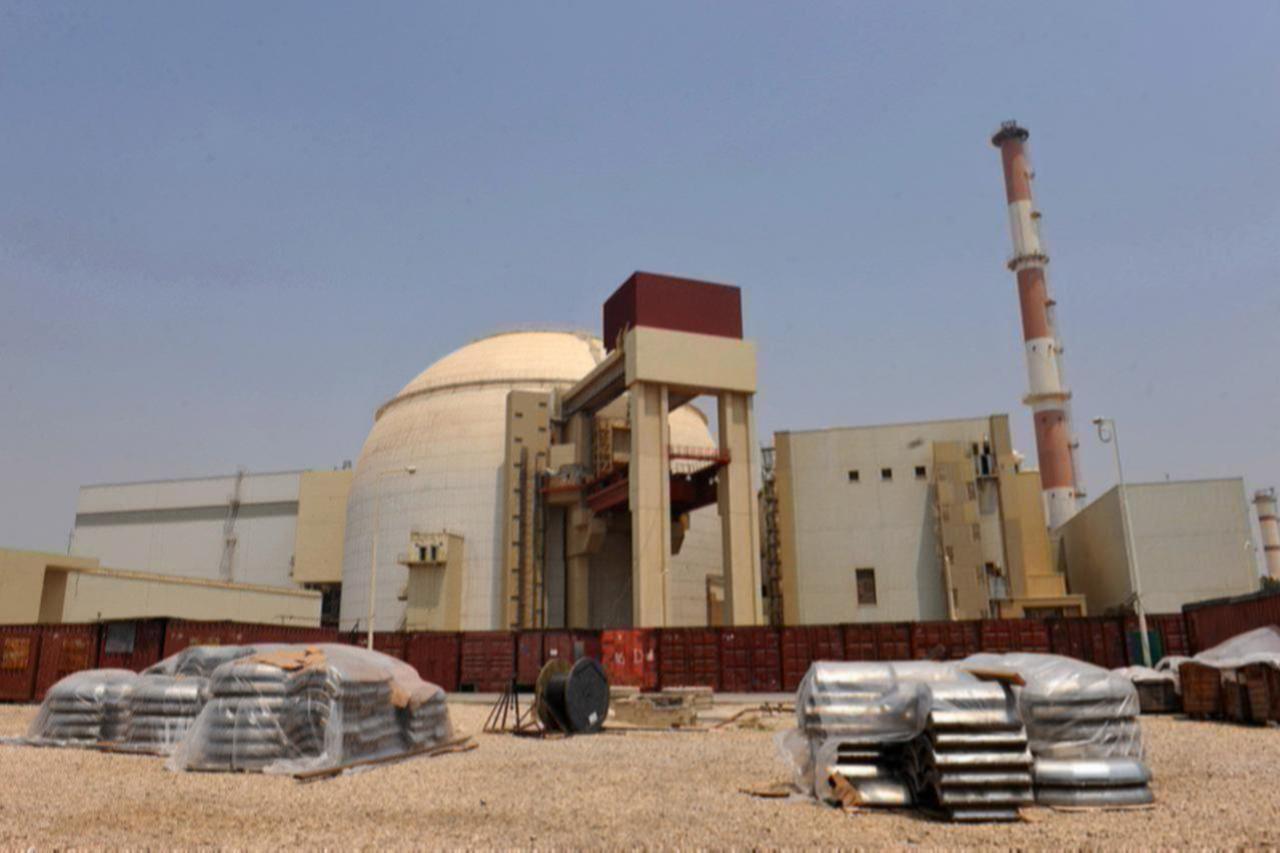
Last June, the United States struck Iranian nuclear facilities, participating in the final stages of a 12-day Israeli bombing campaign. Tehran has said uranium enrichment operations ceased following those attacks.
Recent satellite imagery of two targeted sites, Isfahan and Natanz, reveals some repair work since December, including new roofing over two previously destroyed buildings. The images, provided by Planet Labs and reviewed by Reuters, showed no other significant reconstruction.
The Washington-based Institute for Science and International Security analyzed satellite images from late January showing construction work on tunnel entrances at Isfahan. The think tank suggested this could "indicate a preparation for additional military strikes" similar to activity observed before last year's US strikes, or potentially signal the relocation of assets from other facilities.
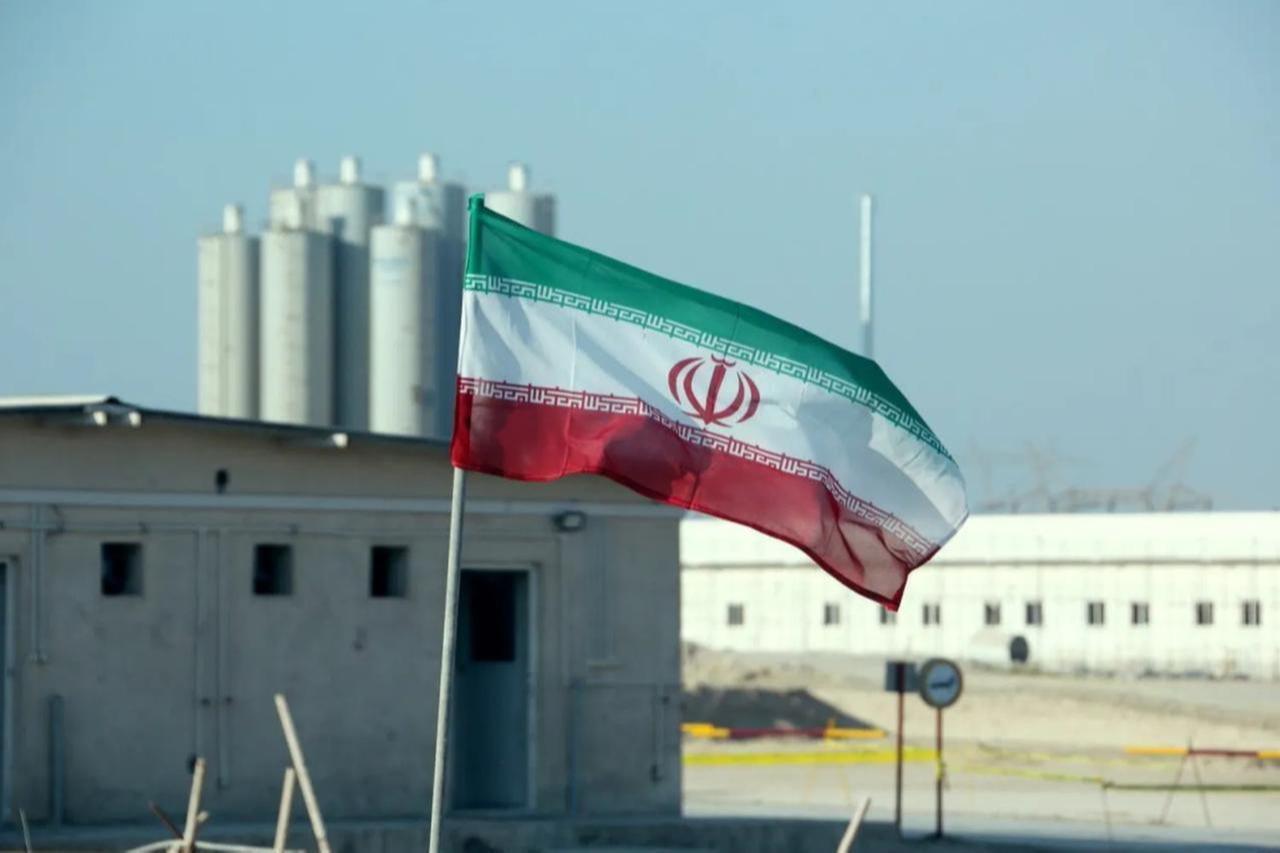
Diplomatic efforts have stalled since the fifth round of talks ended in May 2023. Major obstacles remain, including Iran's insistence on maintaining uranium enrichment capabilities on its territory and its refusal to export its entire stockpile of highly enriched uranium.
The United Nations nuclear watchdog has repeatedly called on Iran to account for what happened to its highly enriched uranium stockpile following the June attacks. Western nations fear Iran's enrichment activities could produce material suitable for nuclear weapons, while Tehran maintains its nuclear program serves only civilian purposes, including electricity generation.
Iranian sources indicated that Tehran might agree to ship its highly enriched uranium abroad and pause enrichment as part of a comprehensive agreement that includes lifting economic sanctions.


 Set as preferred source
 Set as preferred source


 1 min read