Newsletters


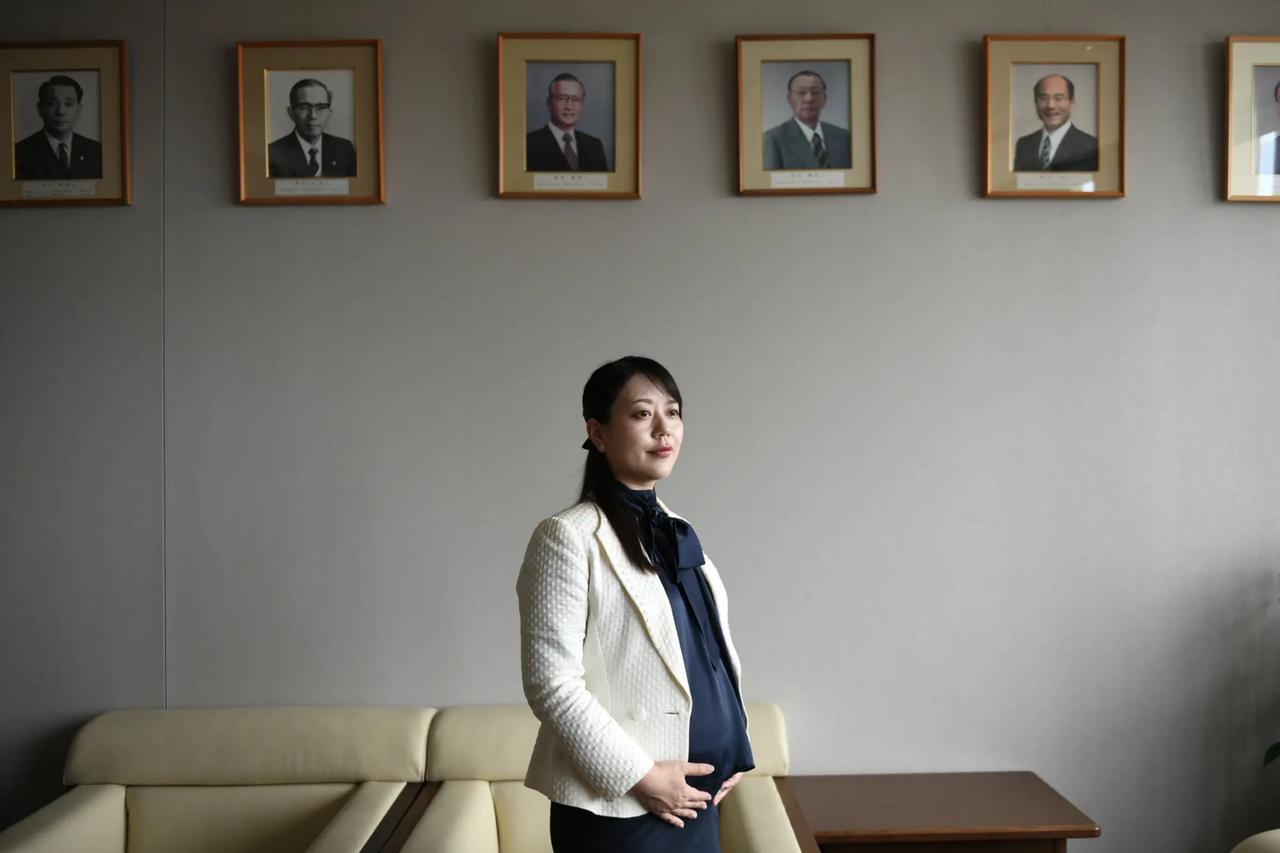


A mayor in western Japan has set off a national debate after announcing that she will step back from her duties around childbirth, becoming a rare case in a country where elected officials do not have a clear legal system for maternity leave.
Shoko Kawata, the 35-year-old mayor of Yawata near Kyoto, said she was surprised by the scale of the reaction after she laid out her plan in May. Kawata is expected to give birth in mid-September and plans to be away for two months before and two months after the birth.
Because Japan has no formal framework for maternity leave for locally elected officials, Kawata will not technically take official maternity leave, a term usually used for time away from work before and after childbirth. Instead, Deputy Mayor Shigeto Nose will temporarily carry out her mayoral duties.
Kawata said her colleagues had been supportive, but the public response has been divided. Some social media users backed her decision, saying she was setting an example for women who want to enter politics while also having a family.
Others argued that senior public officials should step down if they need a long absence, while some said elected representatives should put public duty ahead of private life.
Kawata pushed back against that view, saying criticism of maternity leave for politicians would effectively shut out women of childbearing age from public office.
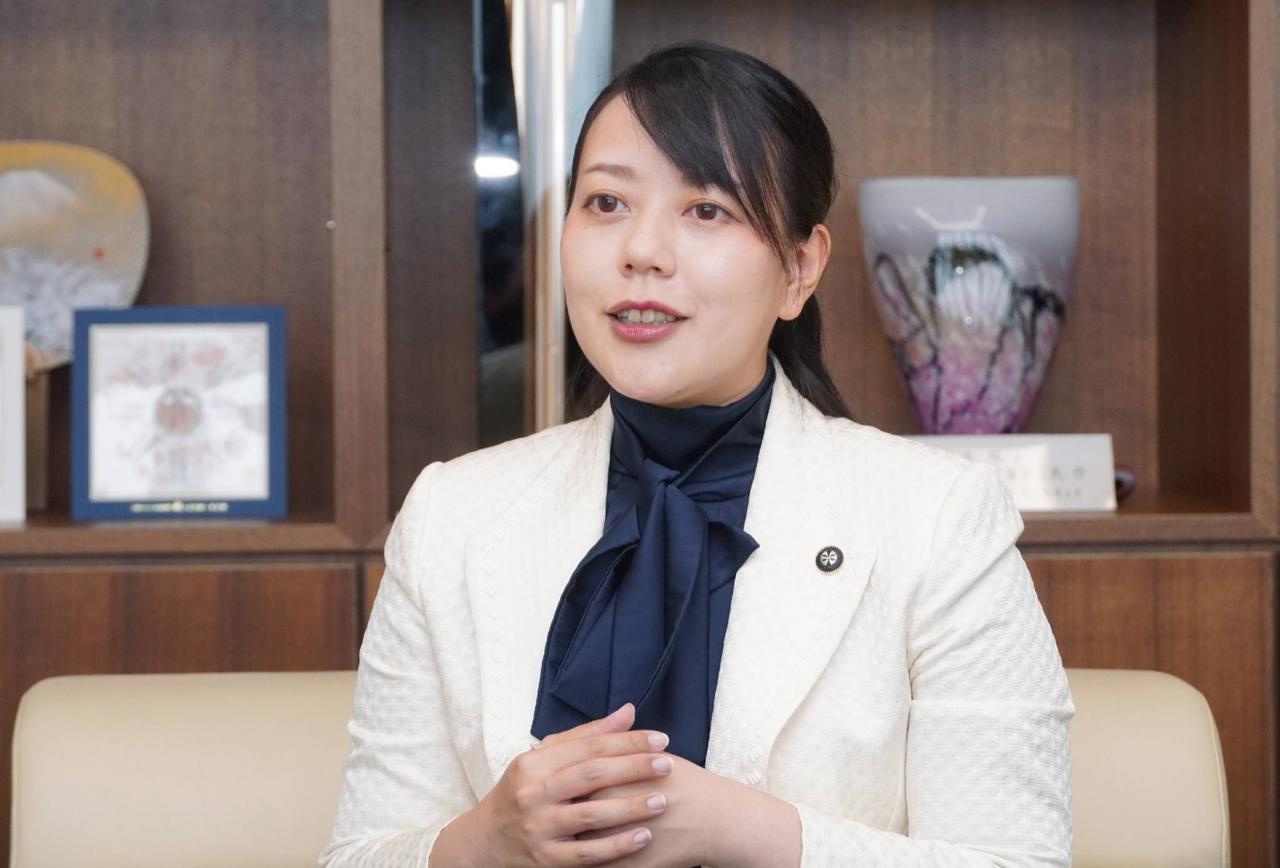

Kawata became Japan's youngest female mayor at 33 after building a career in local government and politics. A graduate of Kyoto University, she now leads a town known for one of Japan's major shrines and a long riverside stretch of cherry trees.
Her case has drawn attention partly because women remain rare in local leadership. According to the figures cited in the original report, only about 4% of Japan's 1,720 mayors were women last year.
The debate also comes as Japan continues to face criticism over women's political representation. A Cabinet Office survey published in July 2025 listed pregnancy, the belief that politics is men's work, and harassment among the barriers that keep women out of politics.
During Kawata's absence, Deputy Mayor Shigeto Nose will use the mayoral powers and discuss major issues with her remotely once a week.
Nose said many people were watching to see how childbirth could be handled in practice when the person giving birth holds a mayoral office. He also reflected on his own experience as a father, saying he had left most childcare to his wife and now feels he should think back on that more seriously.
He added that family roles had changed, noting that his son-in-law had taken six months off work to help care for his daughter's second child.
Japan has legal maternity and paternity leave systems for regular workers, including leave before and after childbirth for mothers and flexible paid leave for fathers after a child's birth. However, Kawata's case has highlighted that these protections do not clearly cover elected local leaders.
Kawata said some criticism appeared to come from the belief that people in public office should give up their private lives and devote themselves entirely to public service.
Asked what she hoped her child would think about the attention around the case, Kawata said she hoped the situation would one day seem surprising, because society should make it normal for women to work and build families without having to choose between the two.


 Set as preferred source
 Set as preferred source



 3 min read