Newsletters


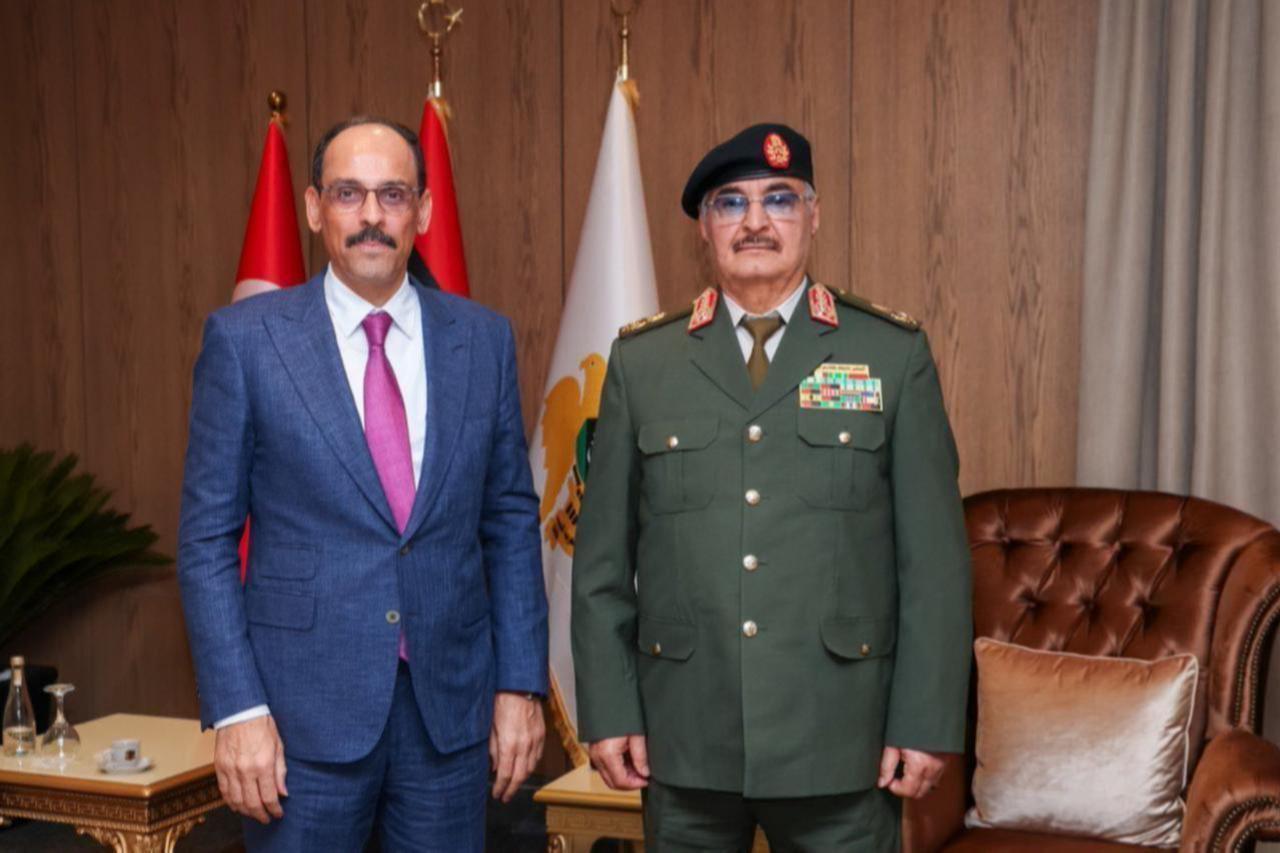


A senior Libyan parliamentary official on Sunday sharply rebuked Greece for attempting to dictate Libya's foreign policy, escalating tensions over a contested 2019 maritime boundary agreement between Libya and Türkiye that has divided the Eastern Mediterranean.
Mosbah Aohaida, second deputy speaker of Libya's House of Representatives, condemned what he called Greece's interference in Libyan internal affairs and its demands that Libya revoke the maritime deal with Türkiye.
"The agreements reached by Libya are sovereign ones, and no one can dictate Libya what to do," Aohaida said in a statement, calling on Greece to exercise self-restraint and respect Libya's sovereignty.
The rebuke comes just days after Greek Foreign Minister George Gerapetritis pressured Libyan officials during meetings in Athens to abandon the agreement, which Athens and the European Union have declared invalid.
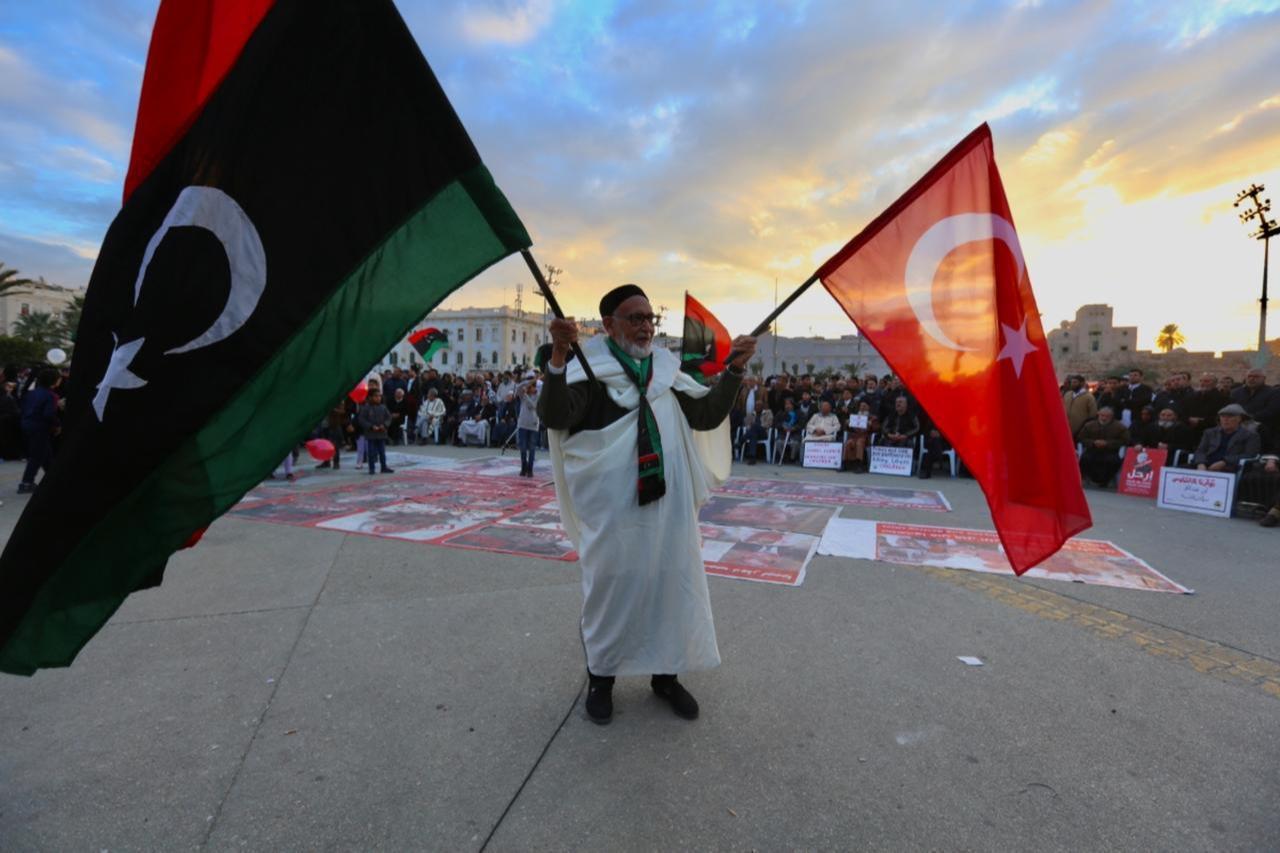

Aohaida's statement reflects growing frustration in some Libyan political circles over Greece's sustained campaign against the maritime accord. The dispute highlights Libya's complex position as a nation divided between rival governments while navigating competing regional interests in the resource-rich Mediterranean.
During talks in Athens on Friday, Gerapetritis met with Aguila Saleh, president of Libya's Benghazi-based House of Representatives, and reiterated Greece's firm rejection of the Turkish-Libyan memorandum. The Greek minister argued the agreement disregards Greek islands and their maritime zones, violating international maritime law, according to diplomatic sources.
The Benghazi-based parliament, which represents eastern Libya and operates separately from the Tripoli-based Government of National Accord, has never ratified the deal signed between Ankara and Tripoli.
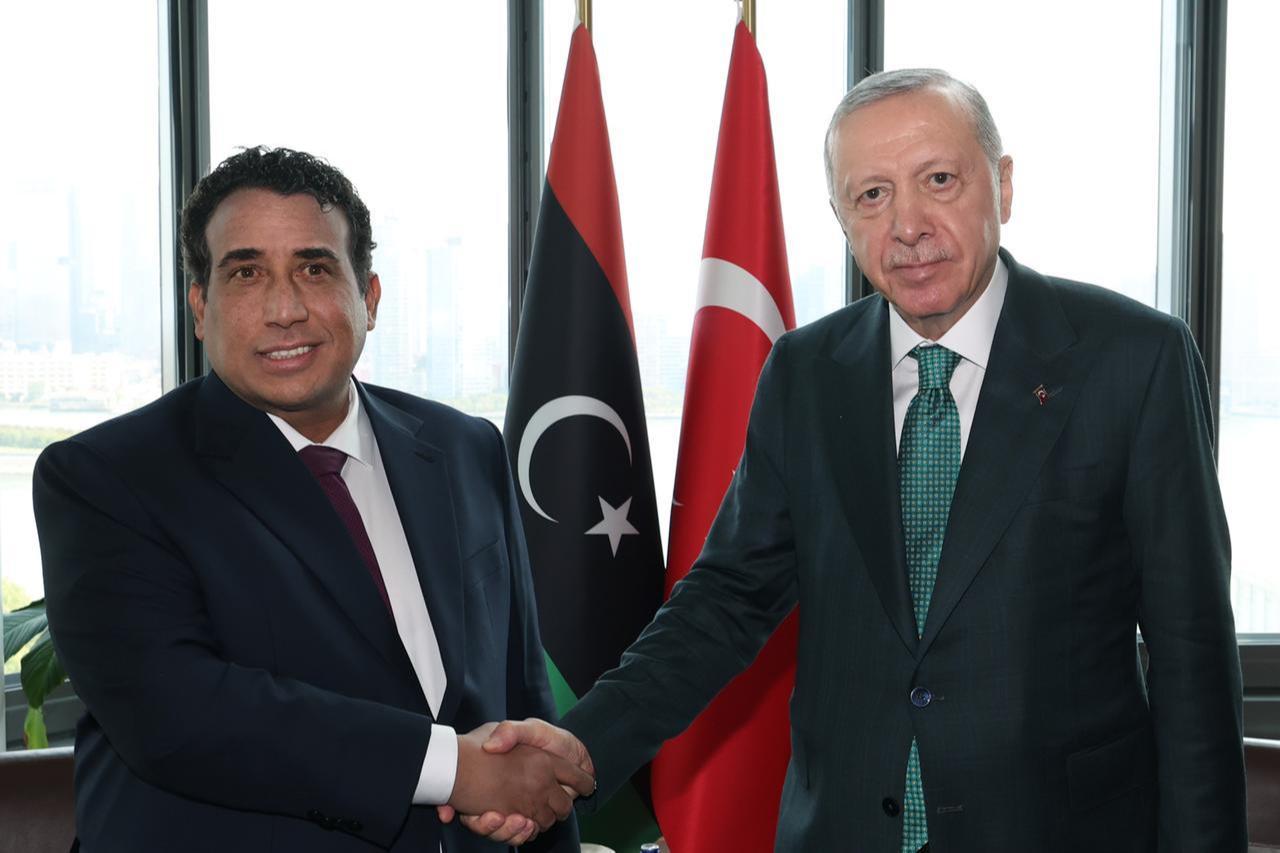
Athens has systematically escalated pressure on both Libyan governments to dismantle the agreement. In September, Gerapetritis met with Acting Foreign Minister Taher Salem Al Baour of the Tripoli-based administration and secured an agreement to begin formal proceedings to delimit Greek-Libyan maritime borders, potentially creating an alternative framework.
The Greek Foreign Ministry emphasized "the need to respect International Law, including the International Law of the Sea," and reiterated what it called the invalid and non-existent Turkish-Libyan memorandum.
During Friday's discussions, Gerapetritis underscored Greece's dual role as an EU member state and elected UN Security Council member, saying Athens supports a political settlement in Libya through free and fair elections without external interference.
 1 min read
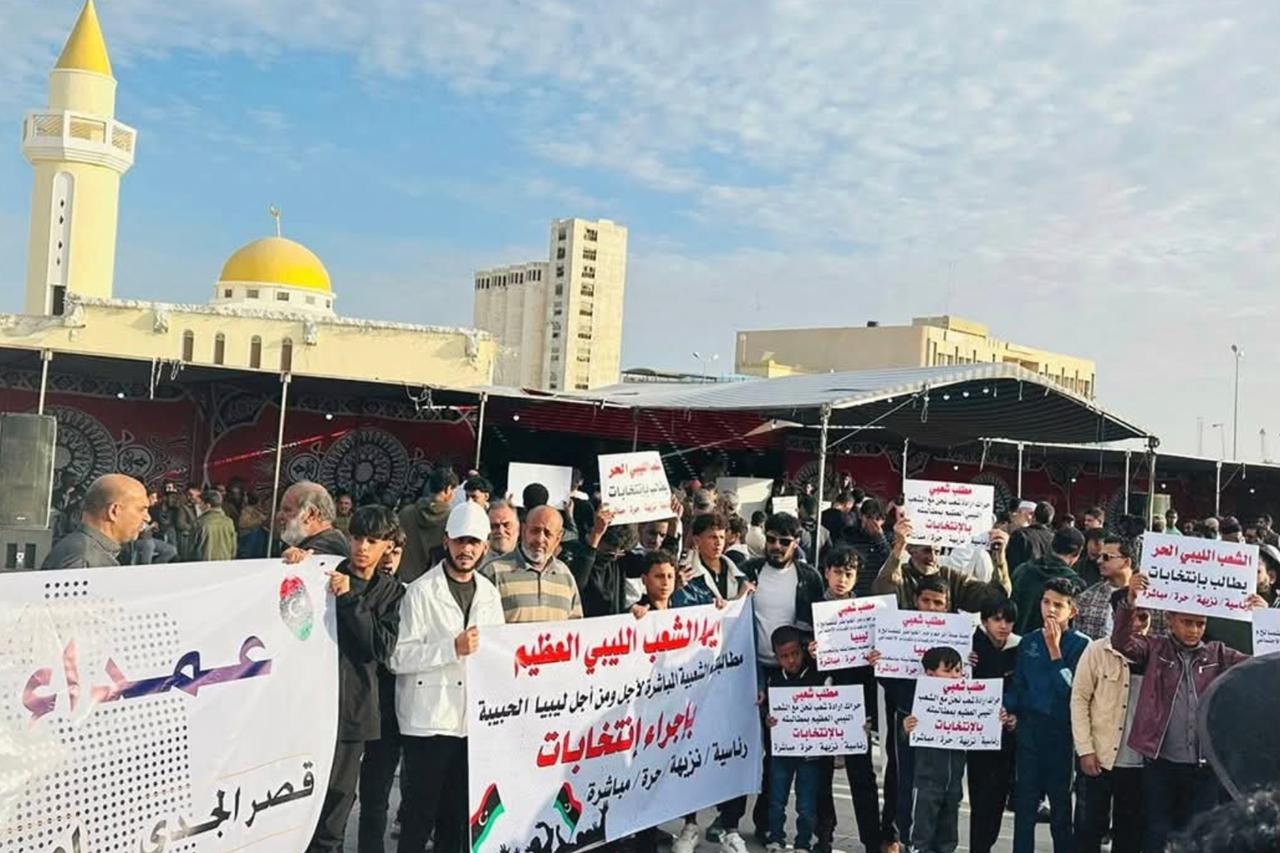
The Türkiye-Libya maritime deal, signed in fall 2019, established marine jurisdictions between the two nations while rejecting what both countries characterized as unilateral activities by regional powers and international companies. The United Nations officially registered the agreement in October 2020.
The accord has sparked fierce opposition from Greece, which views the deal as encroaching on its maritime rights and disregarding the exclusive economic zones of Greek islands. The European Union has backed Greece's position, adding diplomatic weight to Athens' campaign.
Libya remains divided between rival administrations following the civil conflict that erupted after the fall of Muammar Gaddafi in 2011. The country's fragmented political landscape has created opportunities for competing foreign powers to pursue strategic interests, particularly regarding access to potentially lucrative natural gas reserves in the Eastern Mediterranean.


 Set as preferred source
 Set as preferred source



 1 min read