Newsletters


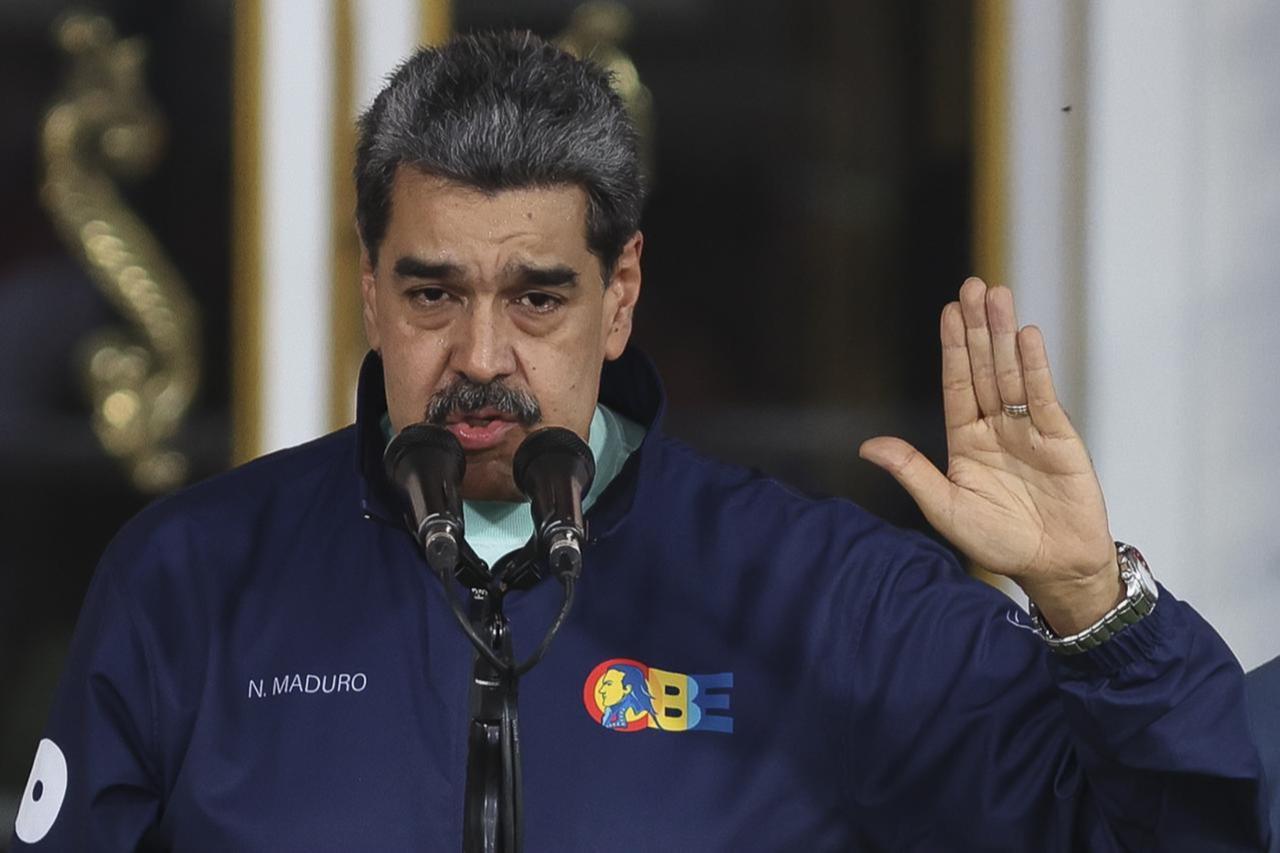


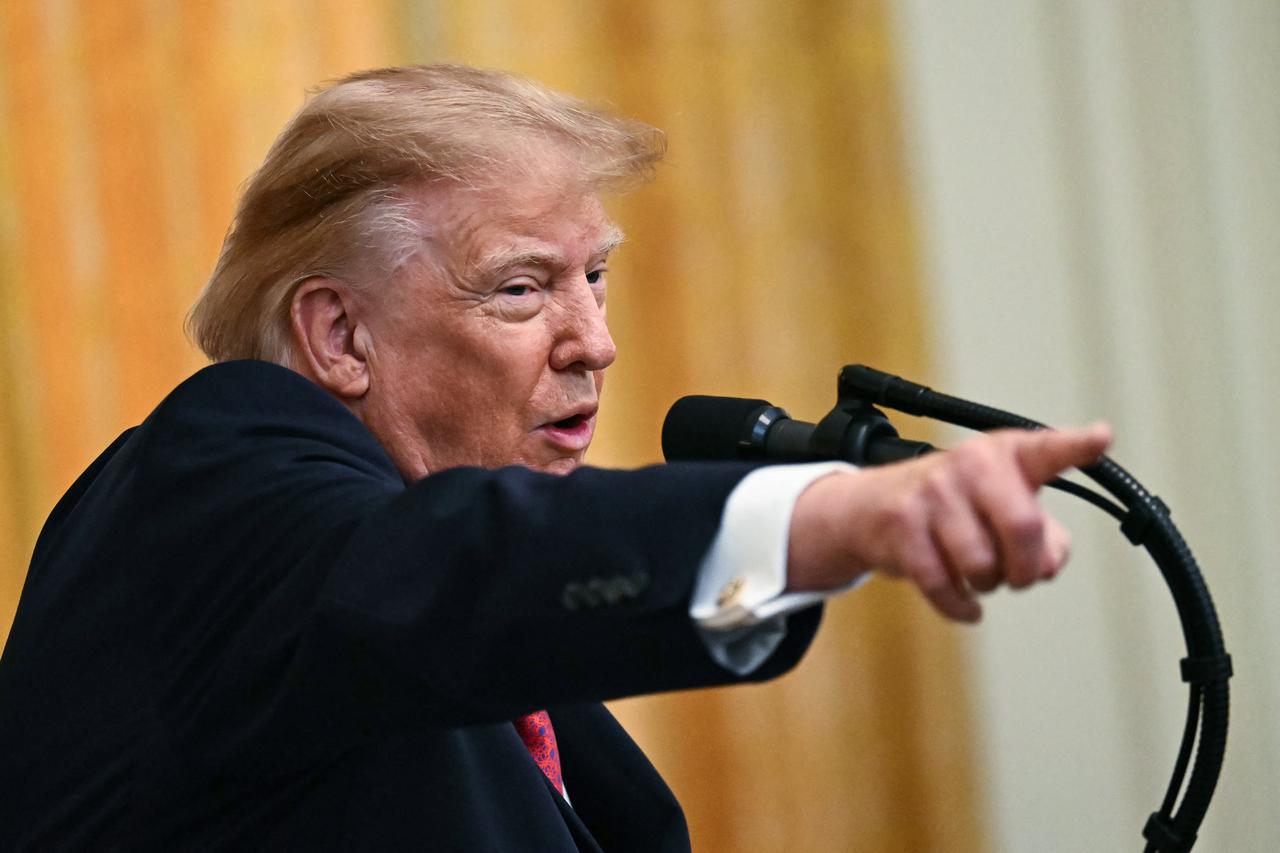
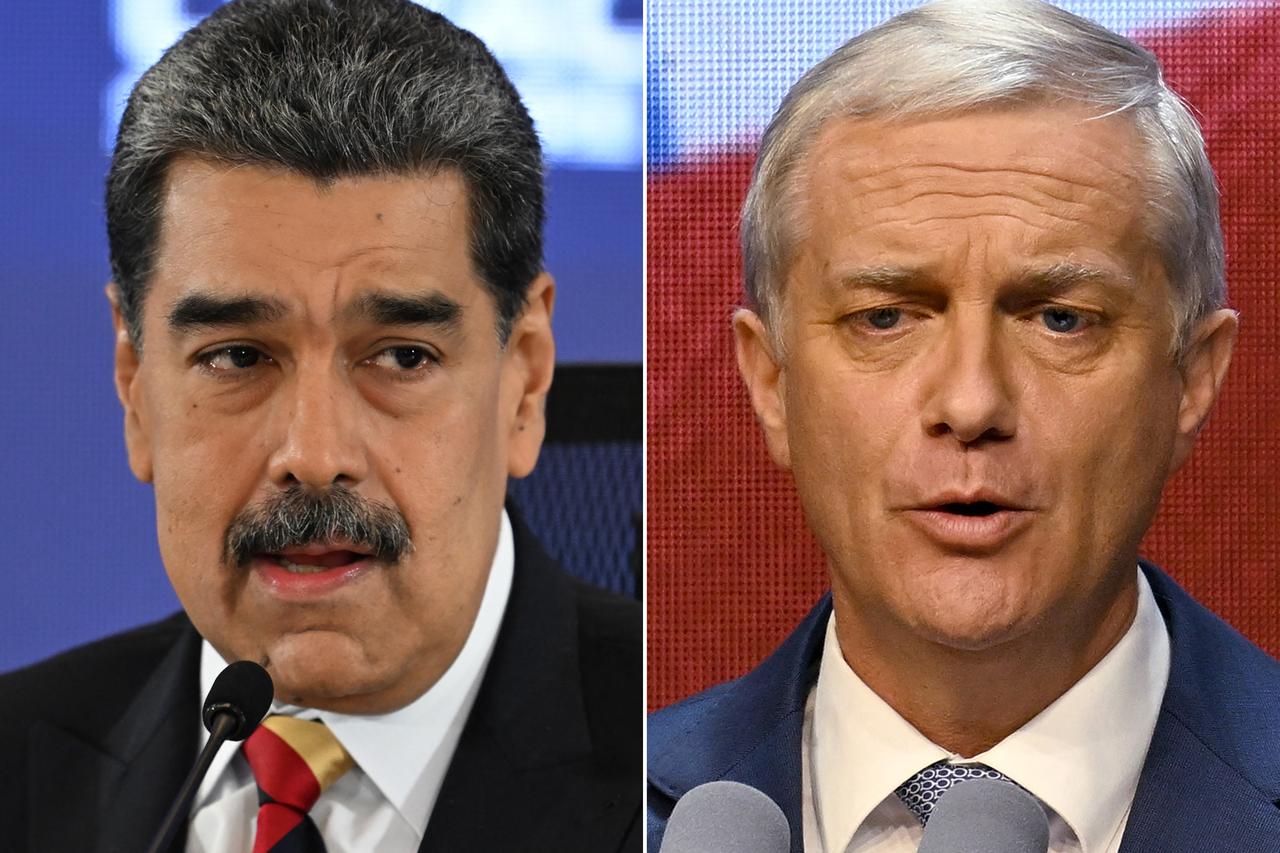
Venezuelan President Nicolas Maduro reached out to the United Nations on Wednesday seeking intervention as the United States tightened its military grip on the South American nation with a naval blockade targeting oil shipments, the latest escalation in U.S. President Donald Trump's monthslong pressure campaign to oust the leftist leader.
In a telephone call with UN Secretary-General Antonio Guterres, Maduro warned that Trump's actions carry "serious implications for regional peace," according to Venezuela's foreign ministry. Guterres is now working to prevent further escalation between Washington and Caracas, his spokesman said in a separate statement.
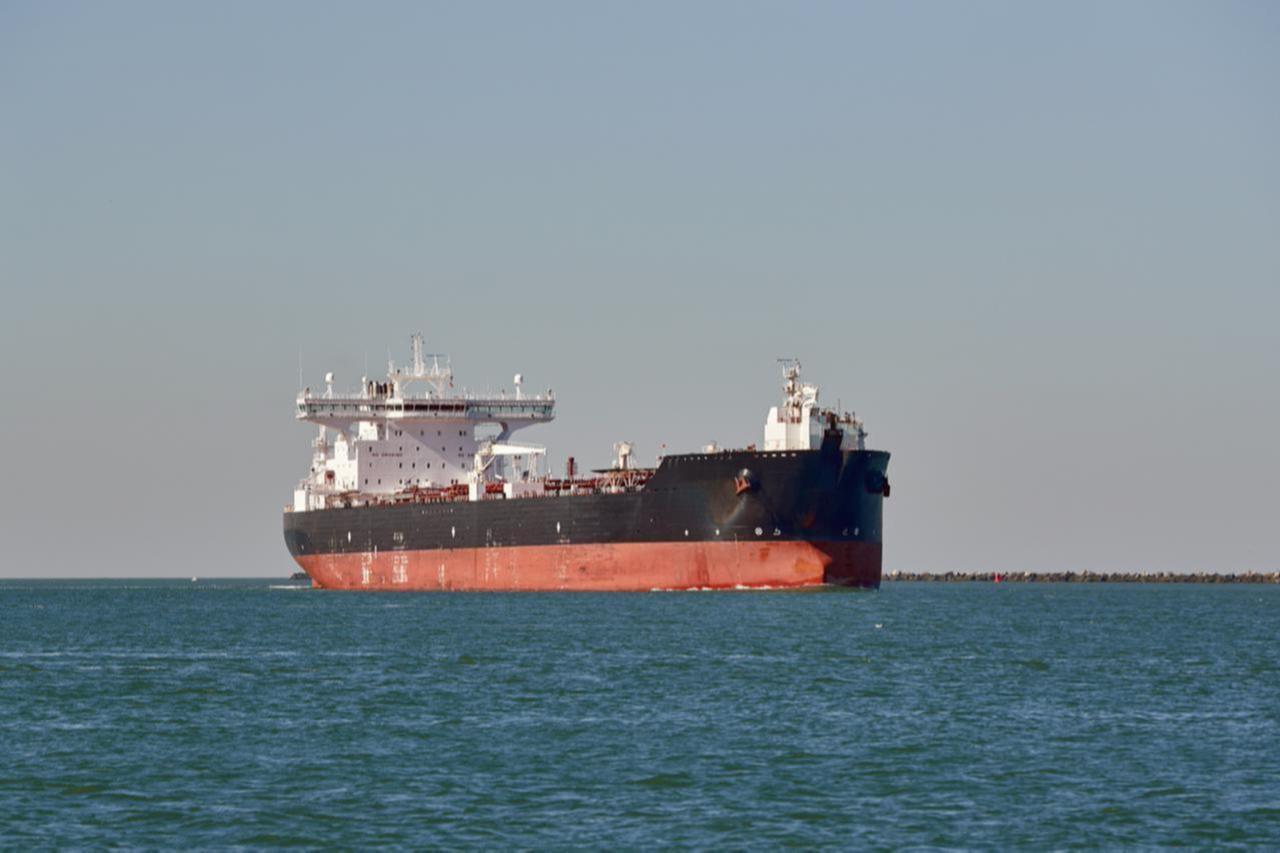
The diplomatic outreach came one day after Trump announced what he called a "total and complete blockade of all sanctioned oil tankers going into and out of Venezuela," backed by what he described as the largest naval force ever assembled in South American waters. The move sent oil prices climbing in early London trading Wednesday and drew international criticism, including from Mexico and China.
Venezuela struck a defiant tone despite the mounting pressure, insisting its petroleum operations continue uninterrupted even as economic analysts warned the blockade could sever a critical lifeline for the country's already battered economy.
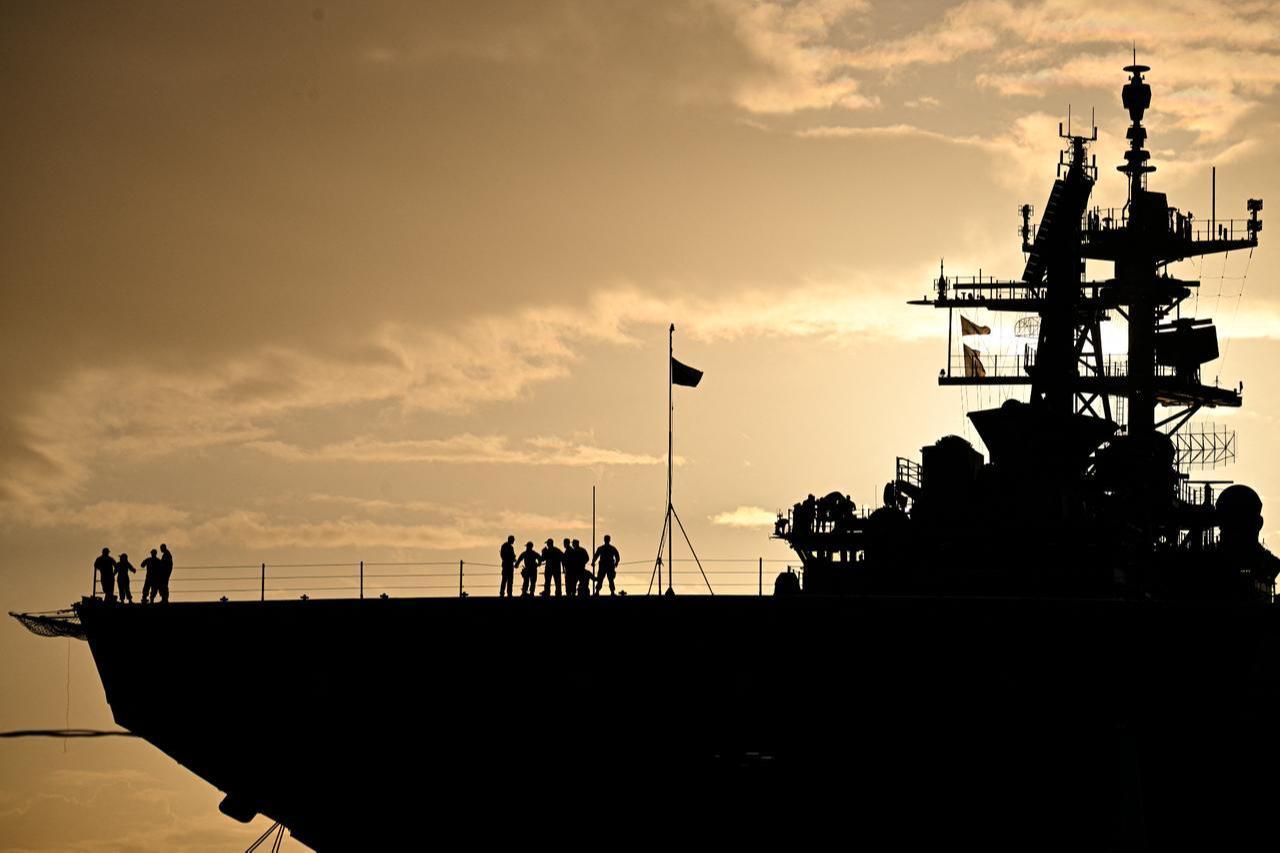

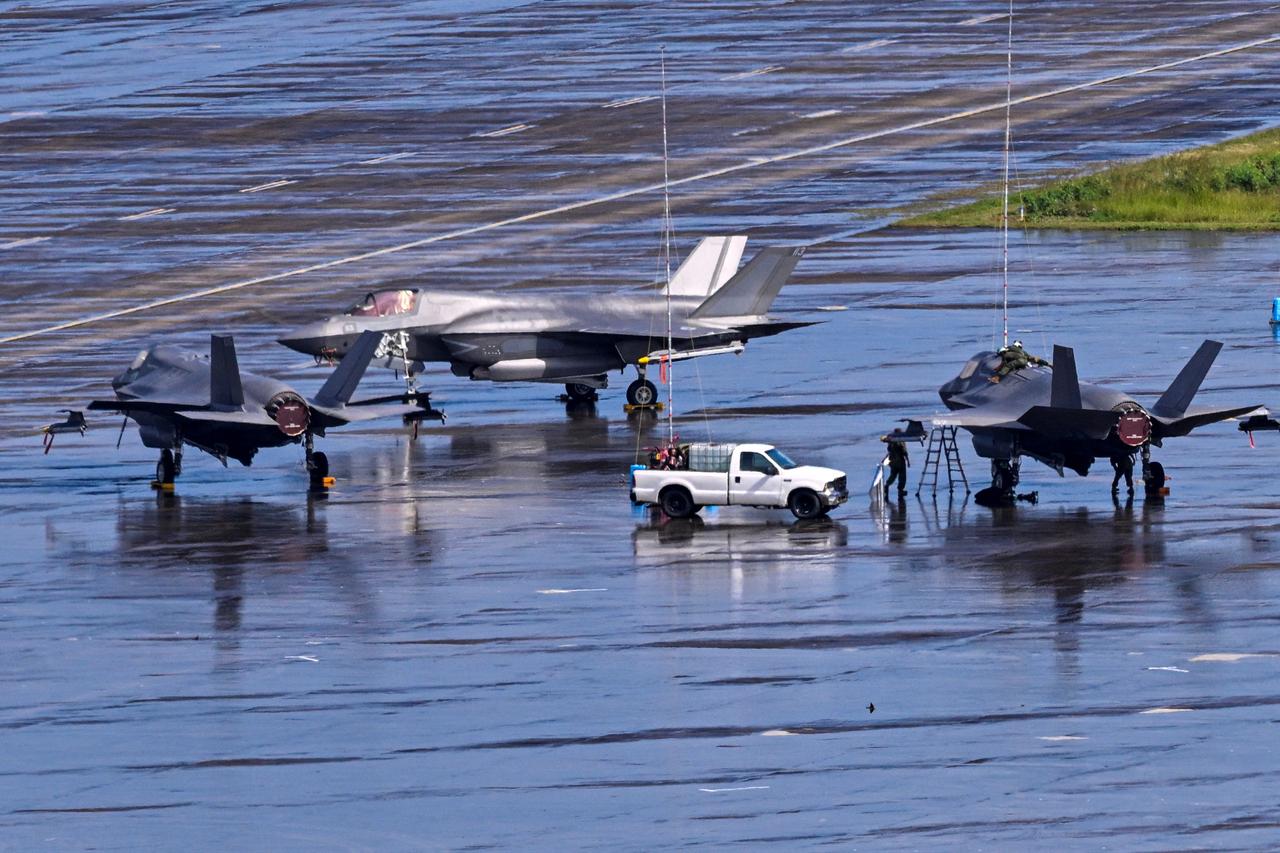
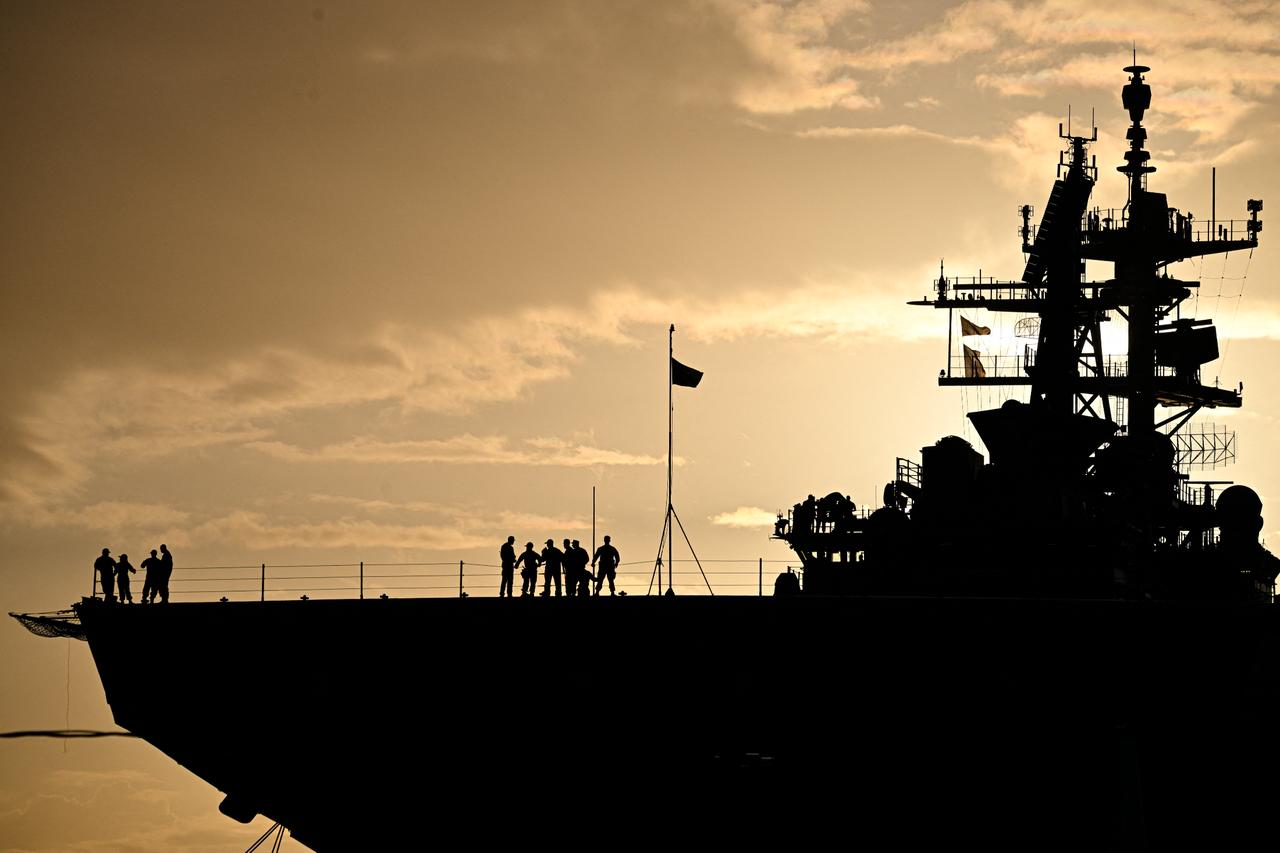
The US military presence in the Caribbean now includes 11 warships: the world's largest aircraft carrier, an amphibious assault ship, two amphibious transport dock ships, two cruisers and five destroyers. Coast Guard vessels also patrol the region, though officials declined to provide specific numbers for operational security reasons. Washington has additionally flown long-range bombers along Venezuela's coast and secured agreements with regional countries for military airport access.
Trump referenced the massive deployment Tuesday, warning that "Venezuela is completely surrounded by the largest Armada ever assembled in the History of South America." The buildup began in August when the president ordered what he described as the biggest military deployment to the Caribbean since the 1989 US invasion of Panama, ostensibly to combat drug trafficking.
State oil company Petroleos de Venezuela insisted Wednesday that operations remain normal. "Export operations for crude and byproducts continue normally. Oil tankers linked to PDVSA operations continue to sail with full security," the company said in a statement.
Defense Minister Vladimir Padrino Lopez, flanked by senior military commanders who have repeatedly pledged loyalty to Maduro, rejected what he called Washington's intimidation tactics. "We say to the US government and its president that we are not intimidated by their crude and arrogant threats," he told reporters at a military event.
China, the primary market for Venezuelan crude oil, condemned the US actions. The Chinese foreign minister told his Venezuelan counterpart by phone that Beijing "opposes all unilateral bullying and supports all countries in defending their sovereignty and national dignity," adding that Venezuela maintains the right to pursue mutually beneficial cooperation with other nations.
Mexican President Claudia Sheinbaum urged the United Nations to take a more active role in preventing violence. "The United Nations has been nowhere to be seen. It must assume its role to prevent any bloodshed and always seek peaceful solutions to conflicts," the leftist leader said at a press conference Wednesday.
The blockade represents a sharp escalation following last week's seizure of the M/T Skipper, an oil tanker carrying between one and two million barrels of crude destined for Cuba. Video footage released by US Attorney General Pam Bondi showed American forces rappelling from a helicopter onto the vessel's deck before storming the bridge with weapons drawn. A US court later issued a heavily redacted warrant confirming the Coast Guard conducted the operation.
Venezuela, which possesses the world's largest proven oil reserves, has operated under a US oil embargo since 2019, forcing it to sell production on black markets at discounted prices primarily to Asian buyers. The country now produces approximately one million barrels daily, a steep decline from more than three million barrels per day in the early 2000s.
Capital Economics analysts predicted the blockade "would cut off a key lifeline for Venezuela's economy" in the short term, though they noted the medium-term impact depends largely on how tensions evolve and Washington's ultimate objectives in Venezuela.
Since early September, US forces have conducted strikes on alleged drug-smuggling vessels in the Caribbean and eastern Pacific, destroying more than 25 boats and killing at least 95 people. While the Trump administration characterizes these operations as counter-narcotics efforts, White House Chief of Staff Susie Wiles offered a different explanation to Vanity Fair magazine, saying Trump "wants to keep on blowing boats up until Maduro cries uncle."
Caracas believes the anti-drug operations mask a broader campaign to topple Maduro, whom Washington accuses of election fraud and leading a drug cartel. Trump has repeatedly declared that Maduro's "days are numbered" and pointedly declined to rule out a ground invasion, though the Venezuelan leader has remained defiant.
The confrontation echoes the 1962 Cuban Missile Crisis, when the United States established a naval "quarantine" around Cuba to prevent Soviet weapons deliveries. That standoff, resolved through diplomatic negotiations, is widely regarded as the closest the superpowers came to nuclear war during the Cold War.


 Set as preferred source
 Set as preferred source


 1 min read
 1 min read