Newsletters


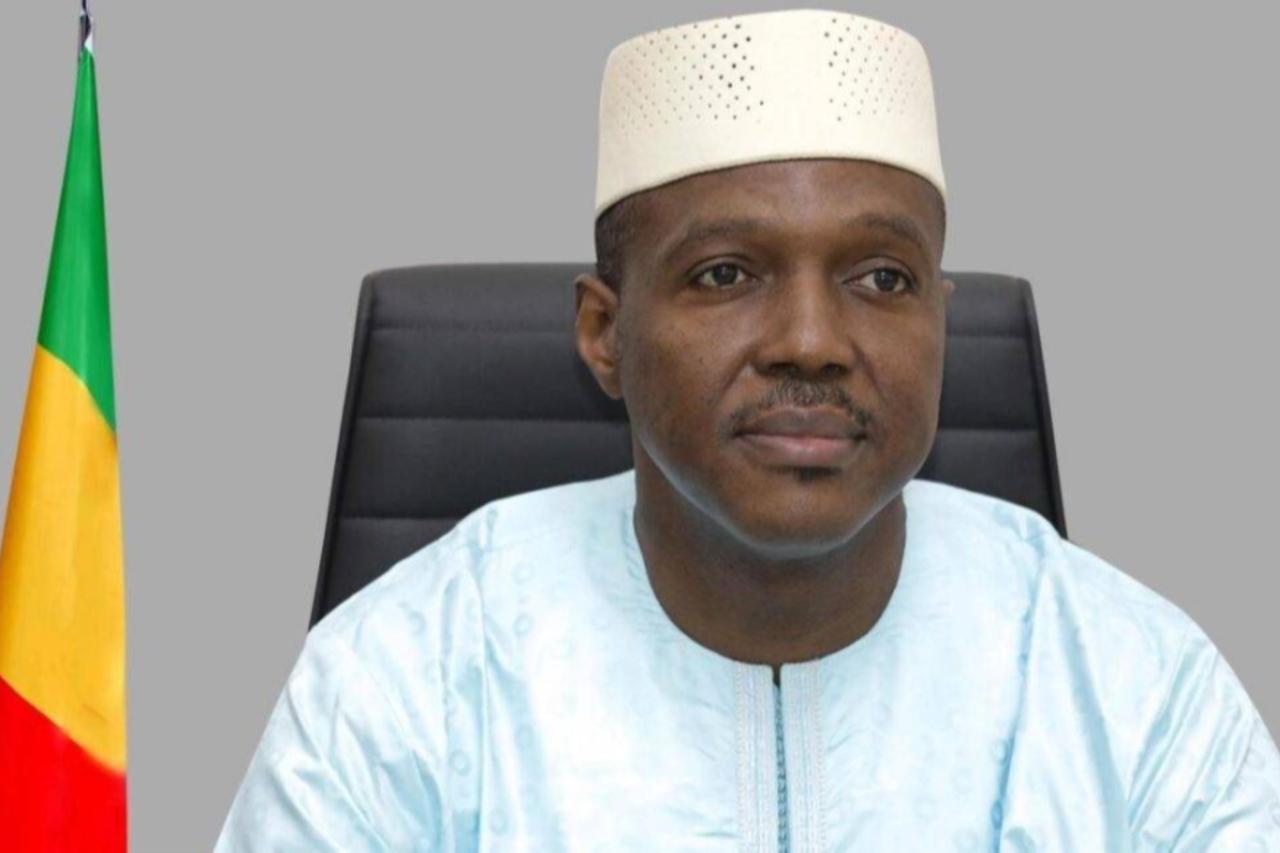


Mali's transitional government pledged to continue its fight against armed groups without fear following one of the most serious and coordinated series of attacks the country has seen in recent years, which killed the defense minister and shook multiple cities simultaneously on April 25.
Prime Minister Abdoulaye Maiga said the attacks were designed to spread fear, undermine national unity, and break the resolve of the Malian people. "We were not afraid, we did not hesitate, and we will never be afraid," he said in a statement. Maiga described the assaults as "cowardly and barbaric," adding that their scale suggested external financing.
The Malian army responded forcefully to the attacks, Maiga said, with hundreds of militants neutralized across the country. Authorities vowed to continue operations until terrorism was "completely eliminated."
The attacks began in the early hours of April 25, when two armed groups, Jama'at Nusrat al-Islam wal-Muslimin (JNIM) and the Azawad Liberation Front (FLA), launched coordinated strikes across multiple regions.
In the capital Bamako, explosions, gunfire, and clashes erupted near the Kati military base and a military camp adjacent to Modibo Keita International Airport. Heavy fighting was also reported in Kidal, Gao, and Sevare, underscoring the geographic breadth of the operation.
JNIM is an al-Qaeda-affiliated coalition that has been the dominant extremist force in the Sahel region for years, operating primarily across Mali, Burkina Faso, and Niger. The FLA, which advocates for Tuareg and other northern communities, has long sought greater autonomy or independence for the Azawad region.
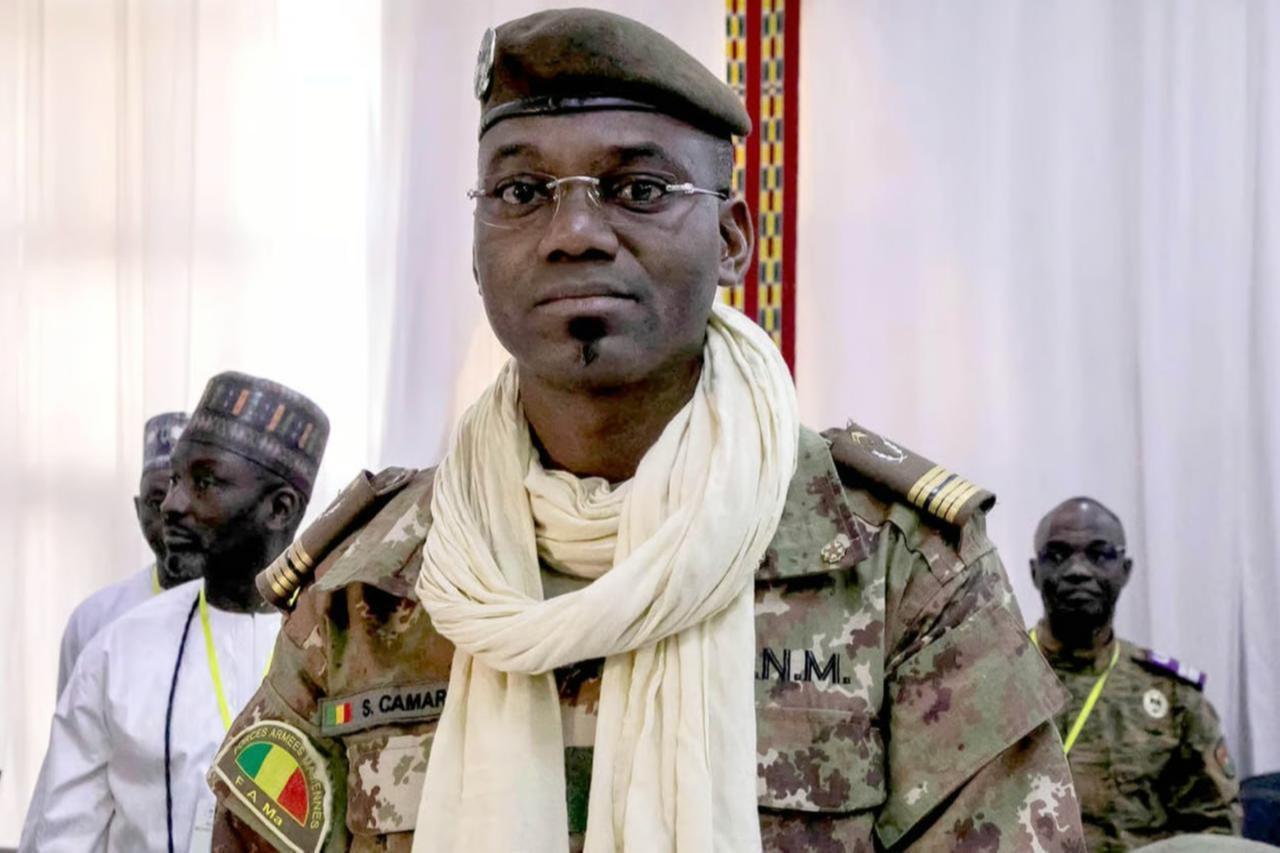
Among the most significant losses of the day was Defense Minister Sadio Camara, who was wounded in a suicide bomb attack on his residence in Kati and later died at a hospital. His death marked a direct strike at the heart of the Malian military establishment.

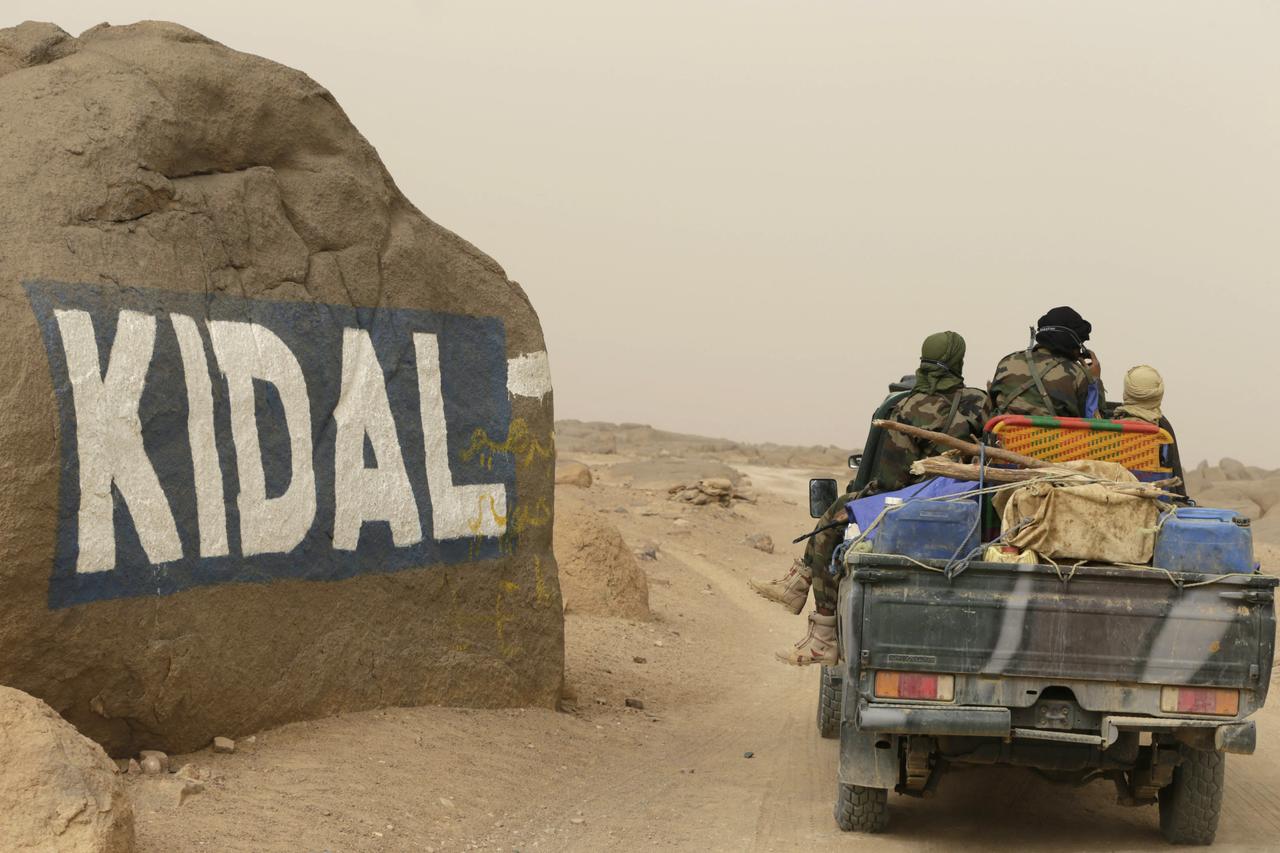
The FLA separately announced it had seized full control of Kidal, a strategically important city in Mali's north, stating that Malian soldiers and fighters affiliated with the Russian Africa Corps, a successor to the Wagner Group, had withdrawn from the city under a negotiated agreement.
Kidal has long been a flashpoint in Mali's conflict. The city was previously held by Tuareg separatist and extremist groups before being retaken by Malian forces in 2023, with support from Russian paramilitaries following the government's break with French forces.
In the aftermath of the attacks, the Malian military launched counter-operations, including an aerial campaign in the Koulikoro region, where more than 100 militants were reported neutralized.
Mali's transitional government, which took power following military coups in 2020 and 2021, has increasingly relied on Russian security partnerships after severing ties with France and expelling United Nations peacekeepers. The April 25 attacks represent a severe test of that security posture, and of the junta's claim that its approach has brought greater stability to the country.


 Set as preferred source
 Set as preferred source


 1 min read
 1 min read