Newsletters


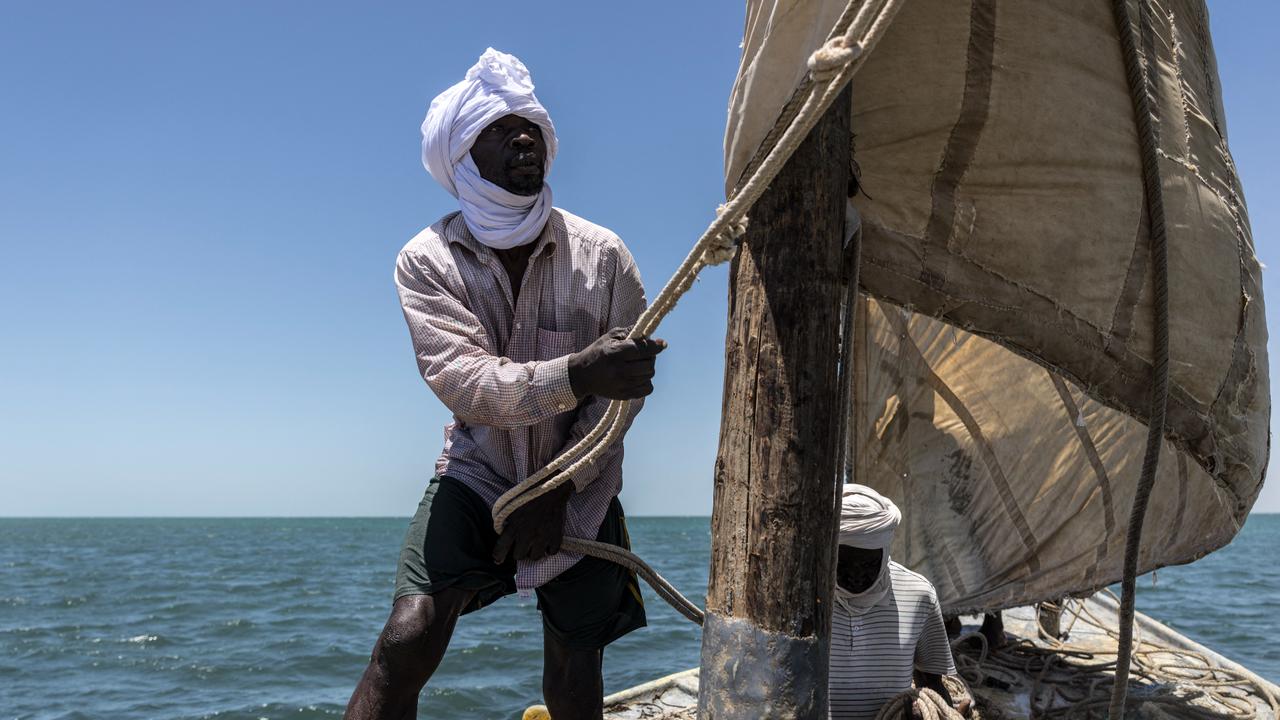
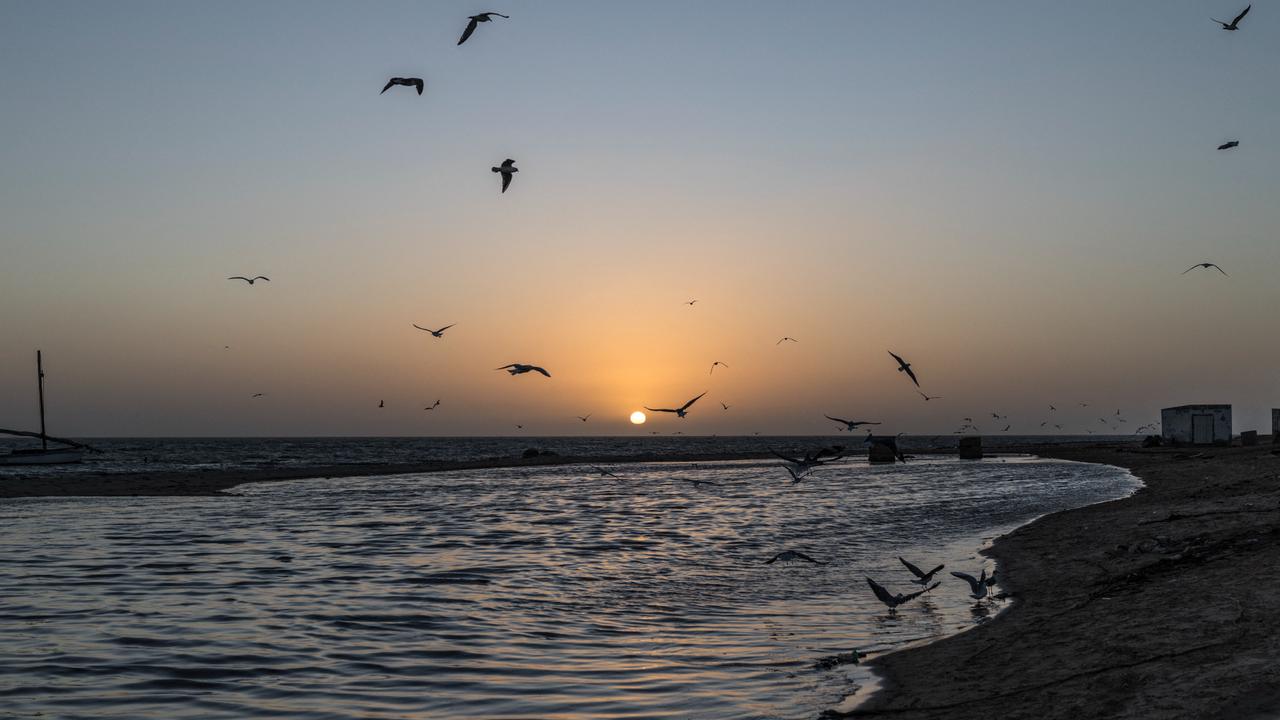
At dawn in Iwik, Mauritania, the Imraguen fishing community rises with the tide.
For generations, these desert people have drawn their livelihood from the Banc d'Arguin, a bay where the Sahara meets the Atlantic.
Today, that inheritance is strained by climate change and overfishing, leaving elders and young fishers alike uncertain of what comes next.
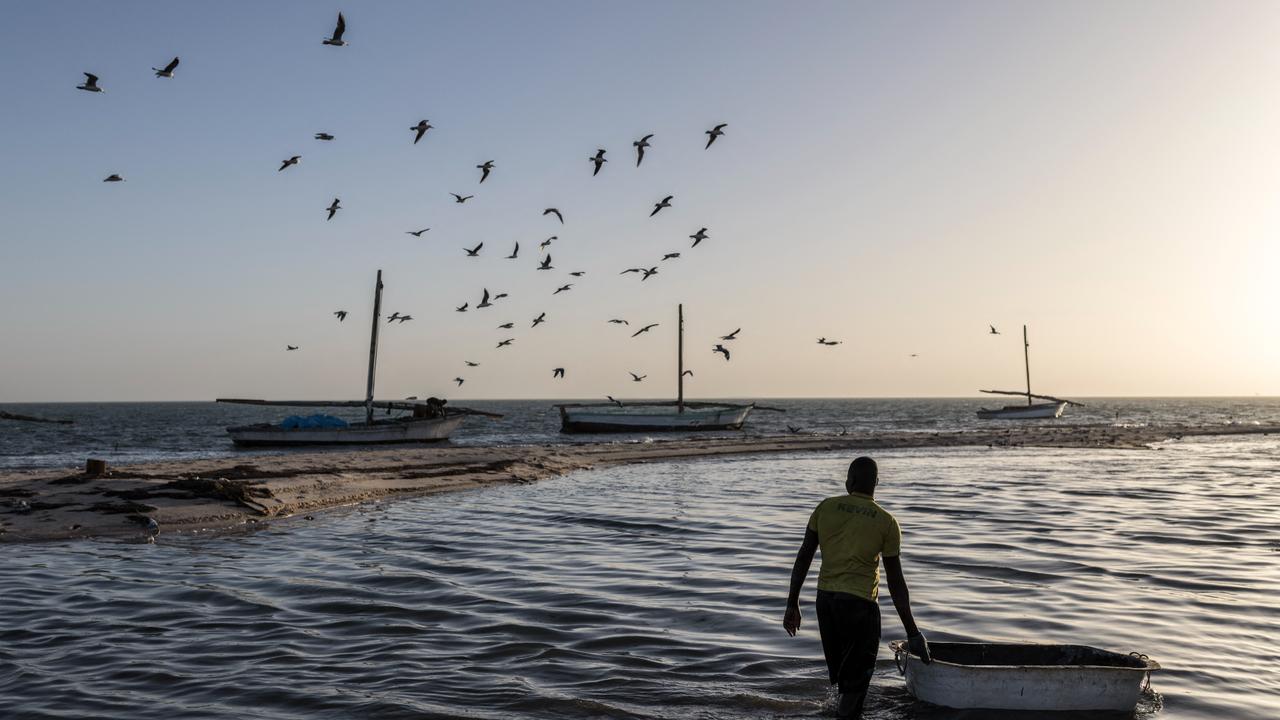
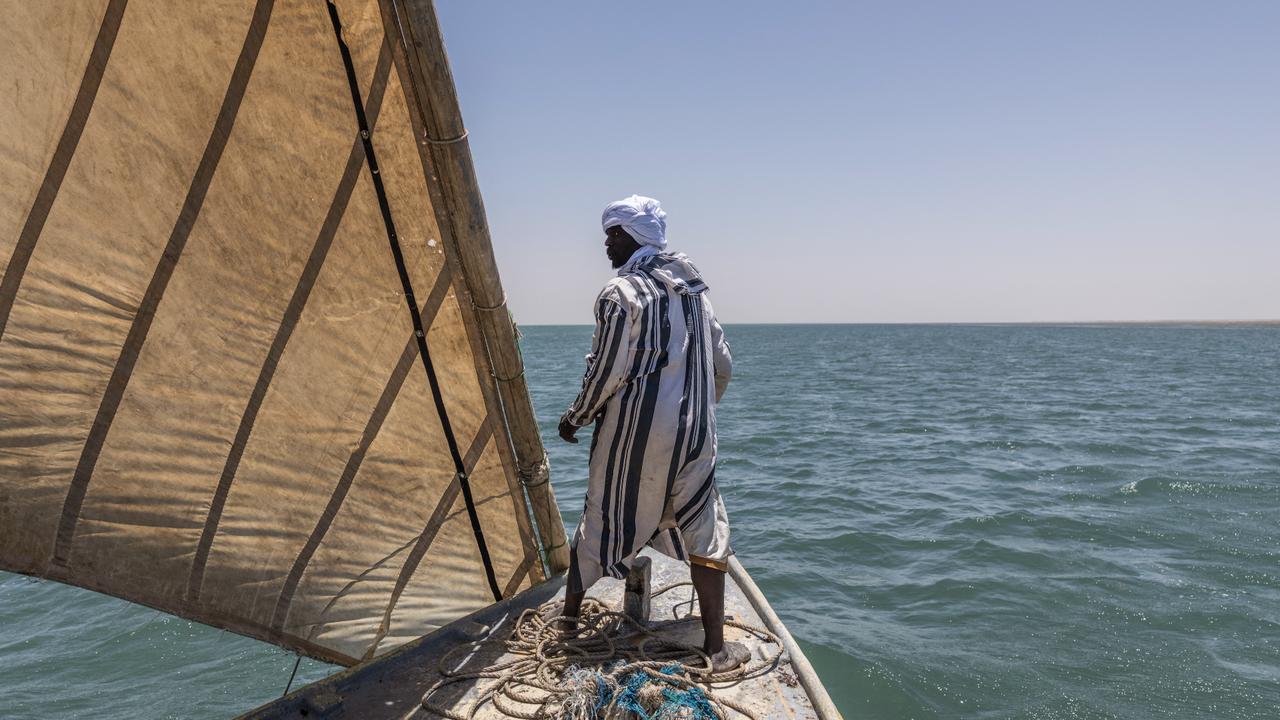
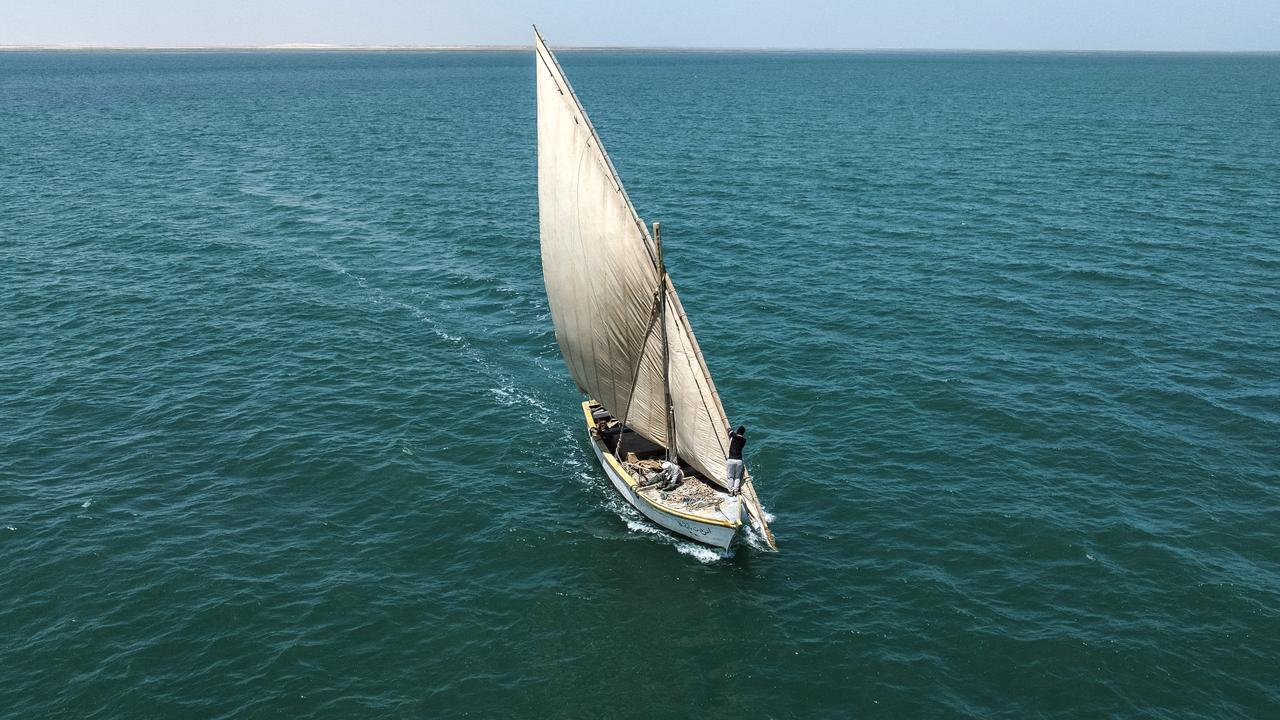
White sails unfurl across the bay's calm waters as the village of Iwik stirs to life.
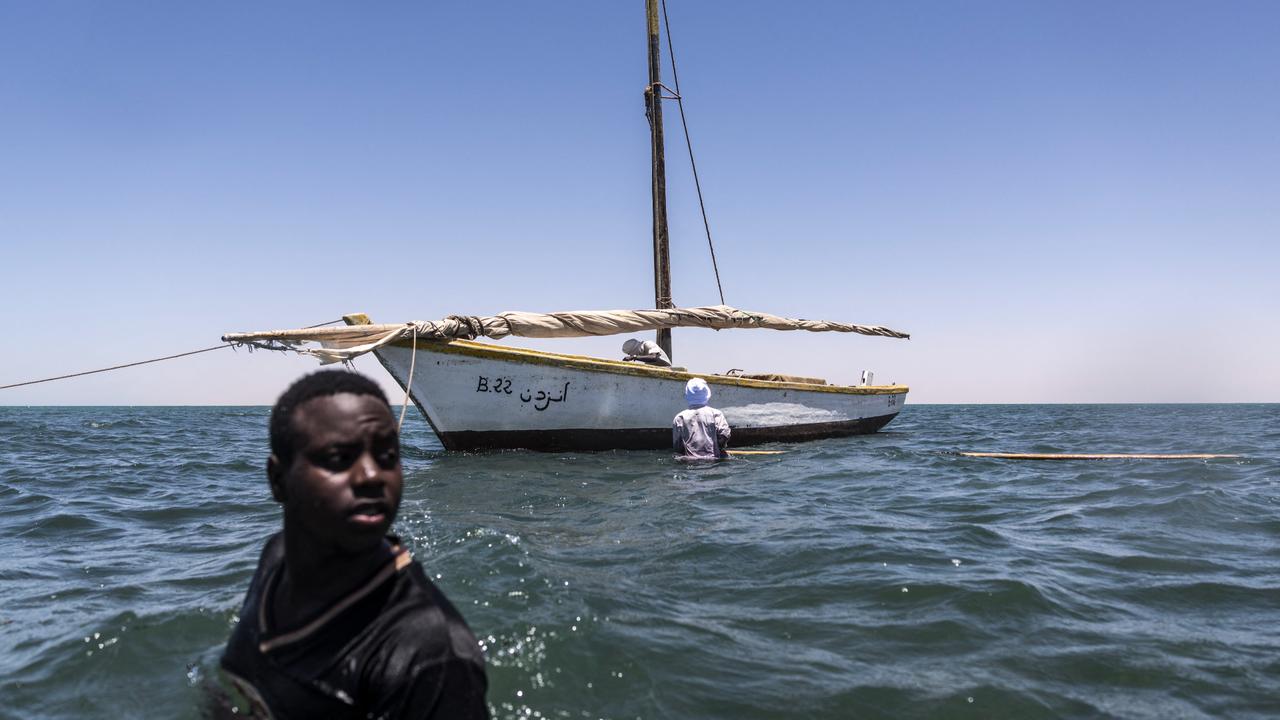
Motors are banned inside Banc d'Arguin National Park, so the only vessels gliding out each morning are lanches, small sailboats believed to trace their design to old ties with Spain's Canary Islands.
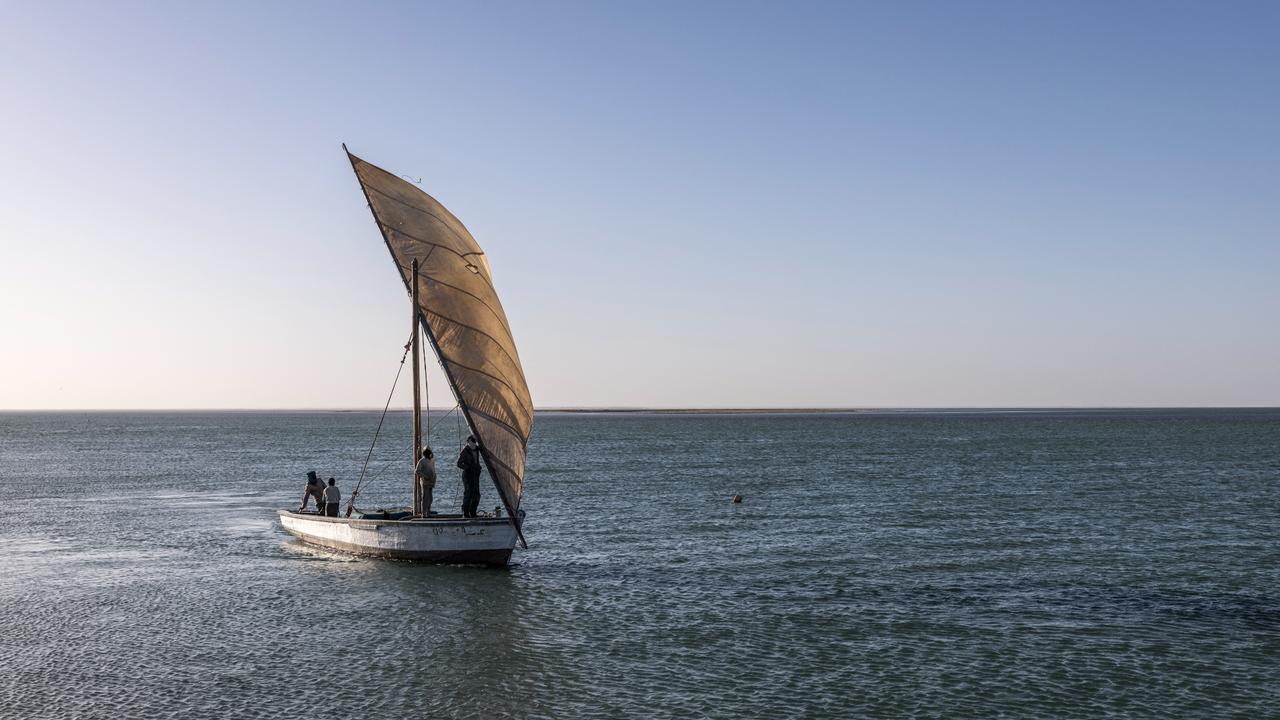
Designated a UNESCO World Heritage Site in 1989, Banc d'Arguin National Park stretches along Mauritania's northern coast.
It is home to roughly 4,000 Imraguen people, the only population permitted to live within the reserve, sustained by fishing methods passed down for centuries.
The park's waters draw an abundance of migratory birds, marine mammals and diverse fish species.
Cold, nutrient-rich upwellings from the deep and expansive seagrass beds nourish the ecosystem, making Banc d'Arguin one of the richest marine environments on the West African coast.
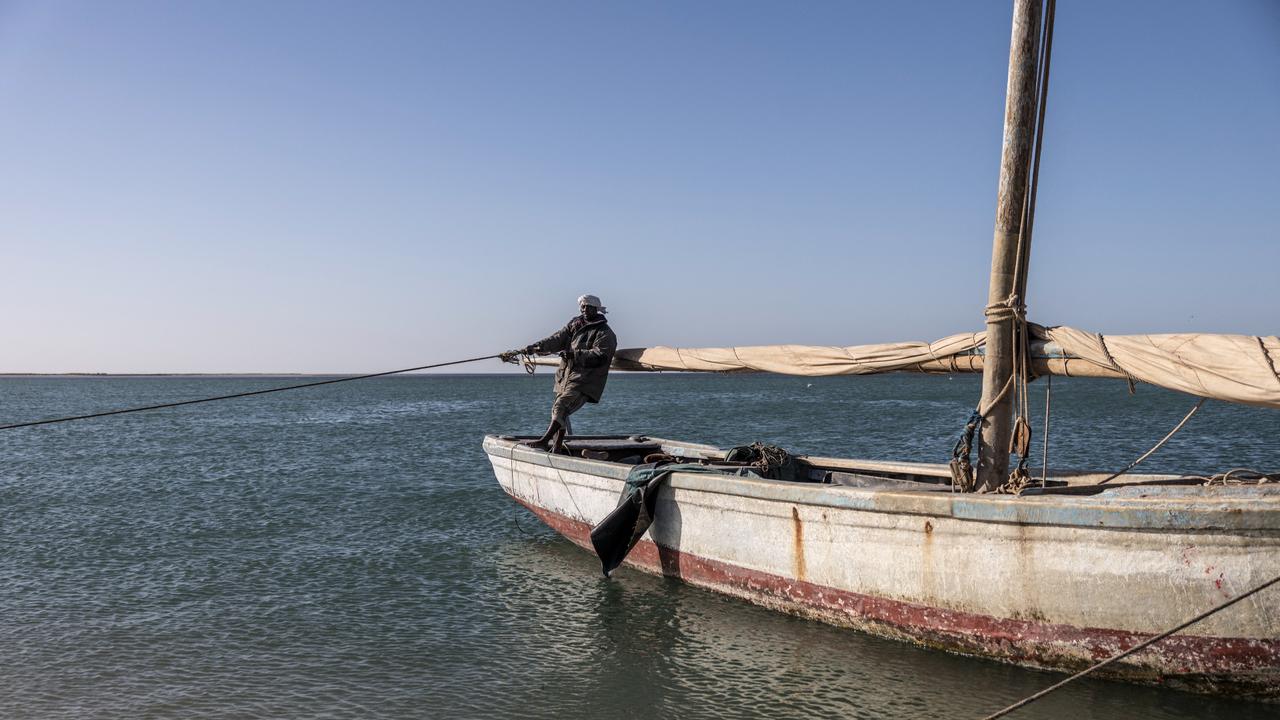
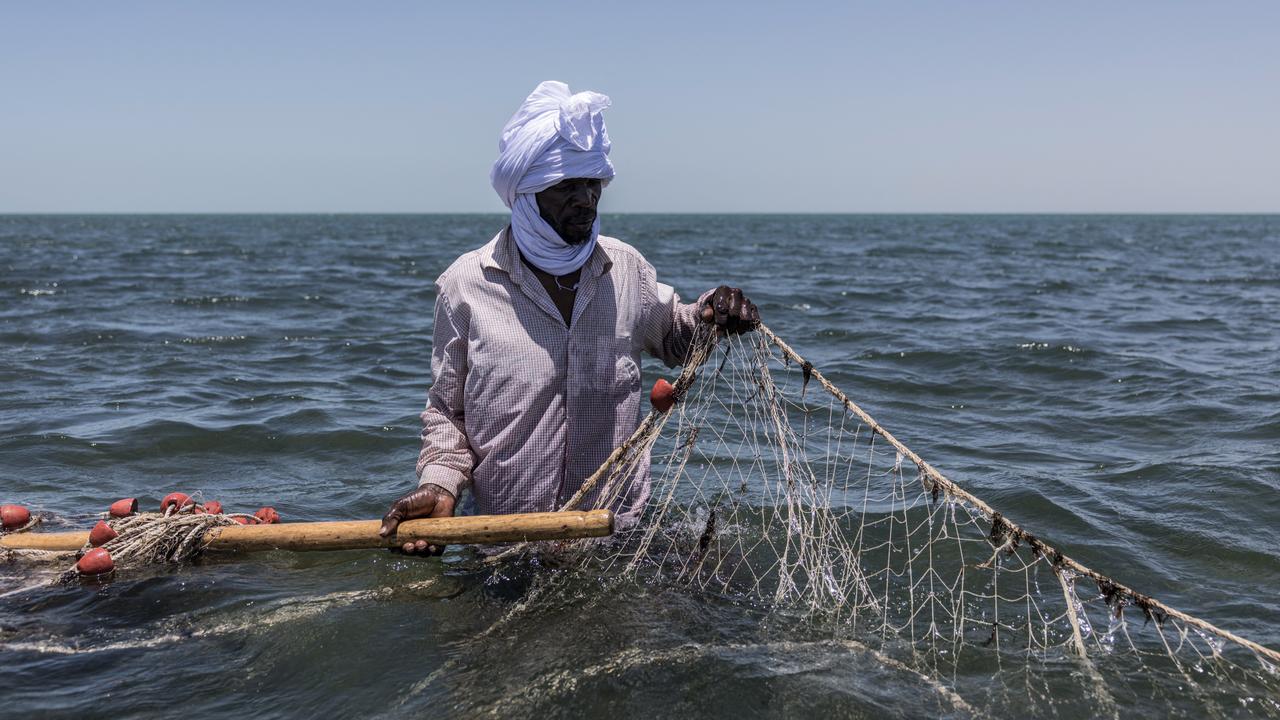
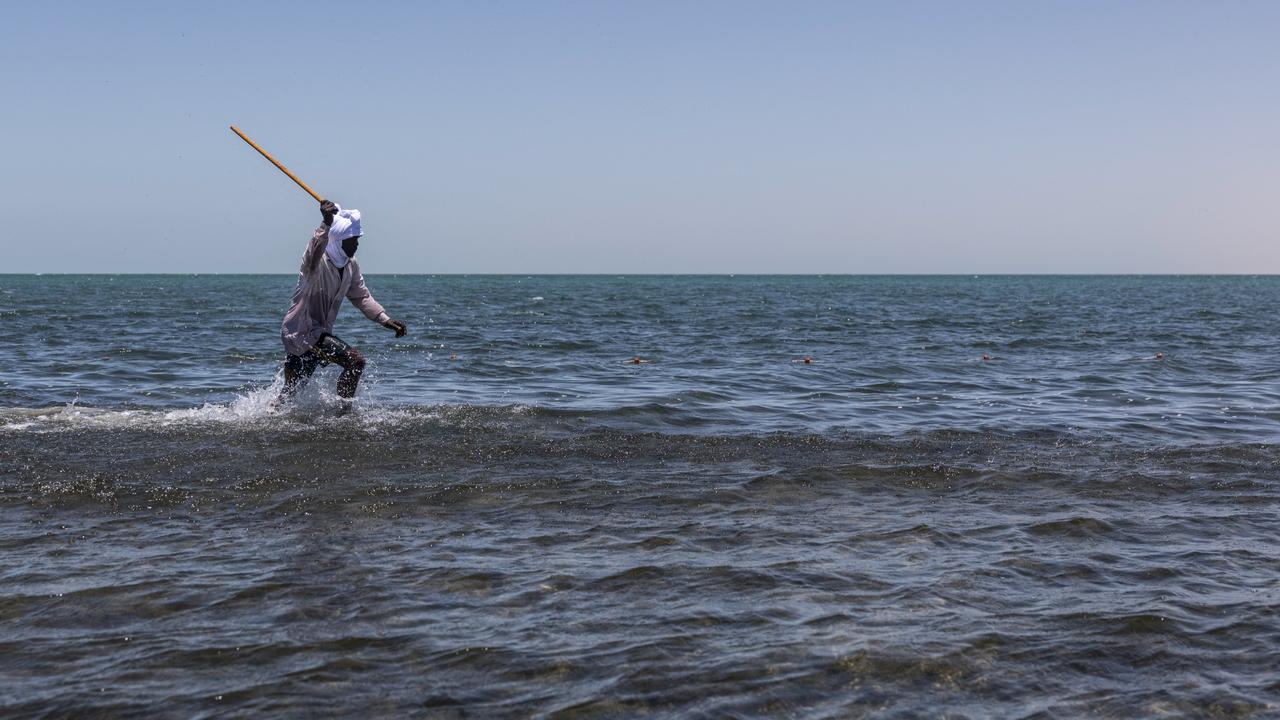
In summer, the Imraguen practice a wading-based fishing method found nowhere else.
At low tide, two fishermen stretch a slender net dozens of meters across a mudflat while a third strikes the water with a pole, driving fish toward the waiting trap.
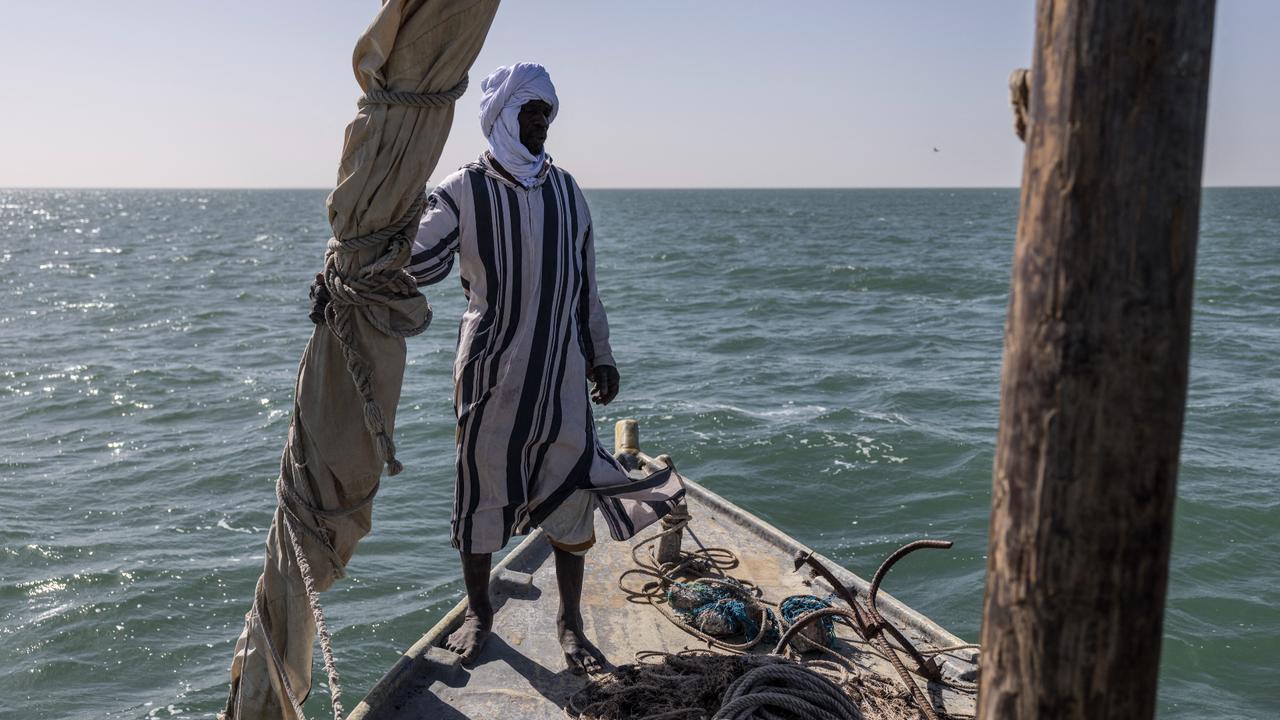
Samata Mahmoud has fished these waters since he was old enough to climb into a boat. His face shielded from the sun by a white turban, he lifts sea bream and a grouper into the vessel, part of a catch increasingly harder to predict.
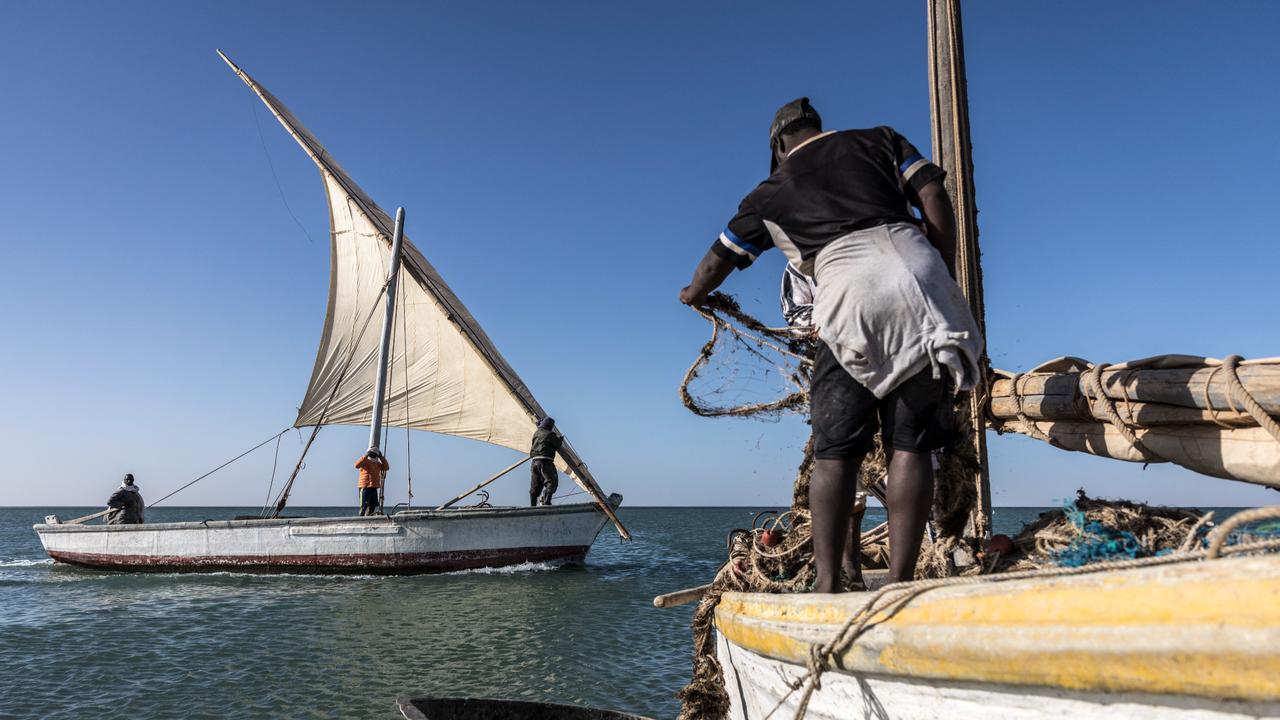
The boat's captain, a man in his 60s, has spent decades reading these waters. He says the fish are not what they once were, pointing to a decline in species such as yellow mullet that once filled Imraguen nets with ease.
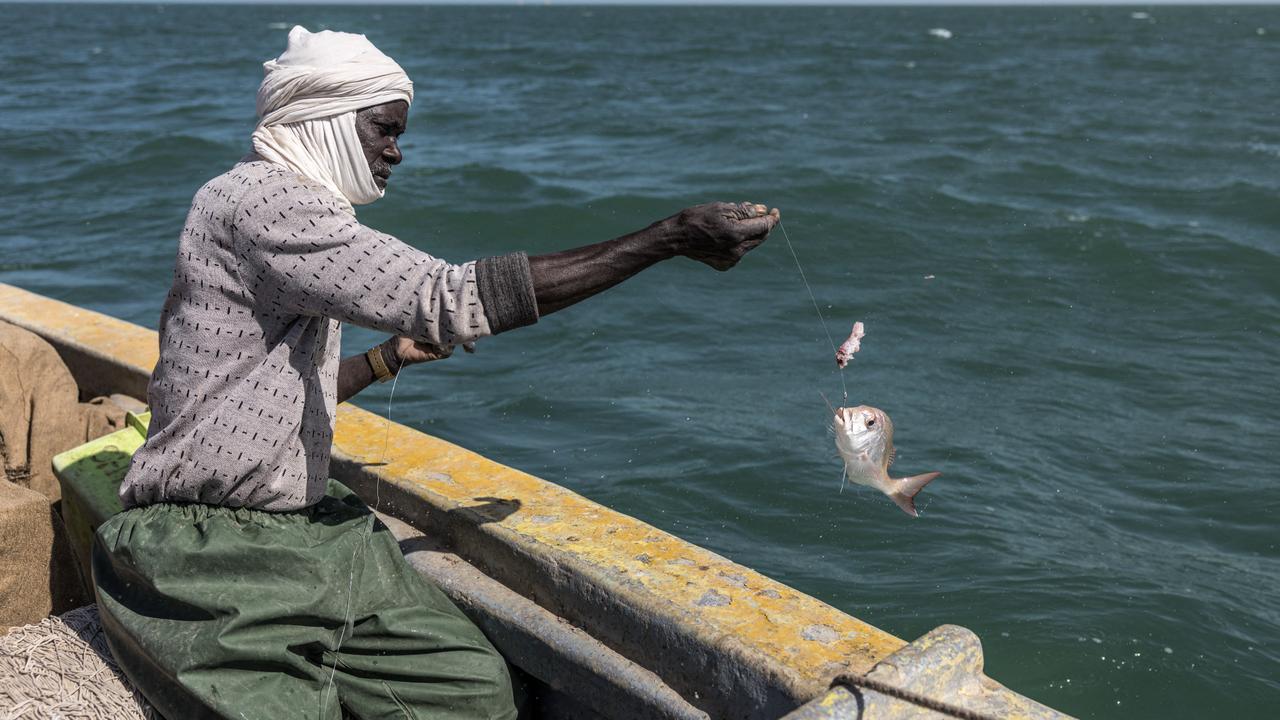
Fishing inside the park is strictly regulated, but pressures from beyond its borders are closing in.
Abderrahmane Chevif Bouhobeiny, president of the Association for the Safeguarding and Preservation of Imraguen Culture, says fish quantities in Imraguen zones have fallen to less than 30% of levels recorded a decade ago.
Mohamed Ahmed Jeyid, a researcher at the Mauritanian Institute of Oceanographic and Fisheries Research, describes a disruption spreading through the Banc d'Arguin ecosystem.
Warming waters, acidification and shifting upwelling patterns have contributed to a collapse in mullet stocks, with catches down two-thirds since 2017.
Nami Salihy, director of Banc d'Arguin National Park, points to another force reshaping Imraguen life: a decline in the transmission of traditional knowledge.
Many young Imraguen are leaving for cities or turning to newer, more profitable fishing techniques instead.
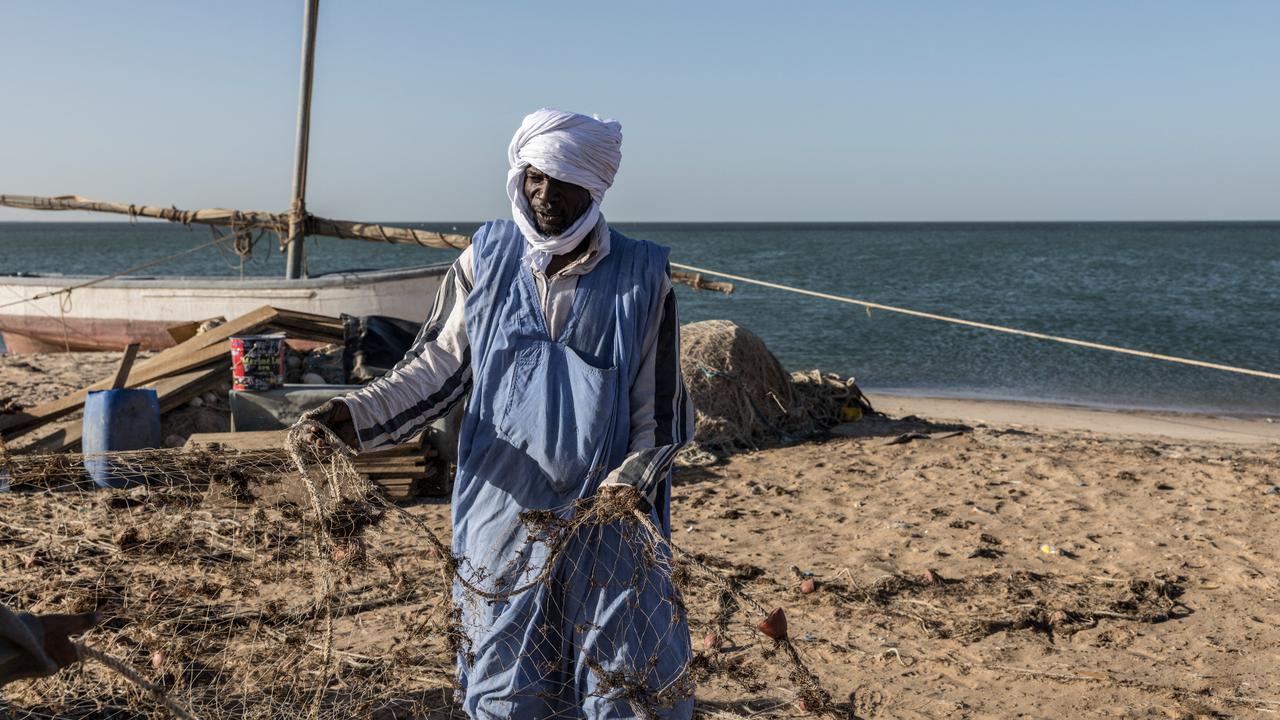
In the village of Tin Aloule, Mohamed Lemine Jededou mends a net outside his small shack.
The 76-year-old recalls when nets and tools were made from tree fibers, describing with nostalgia the simple life his people once led before fishing itself began to change.
As boats return with the day's catch, Imraguen women take on the work of processing it.
They dry the fish, extract oil, and fashion jewelry from the bones, continuing a practice that once served as the primary means of preserving fish before ice and rapid transport arrived.
Under a small tent surrounded by children, Mariam Bilal cuts open and guts small fish before hanging them to dry.
MauritaniaDraped in a crimson garment, the 68-year-old says the sea provides everything her family depends on and that its absence would leave them with nothing.
Bilal describes a way of life that has already begun to slip away, saying the Imraguen existence she once knew no longer exists.
Bilal's words echo a broader shift felt across the villages of Banc d'Arguin as older customs give way to new economic realities.
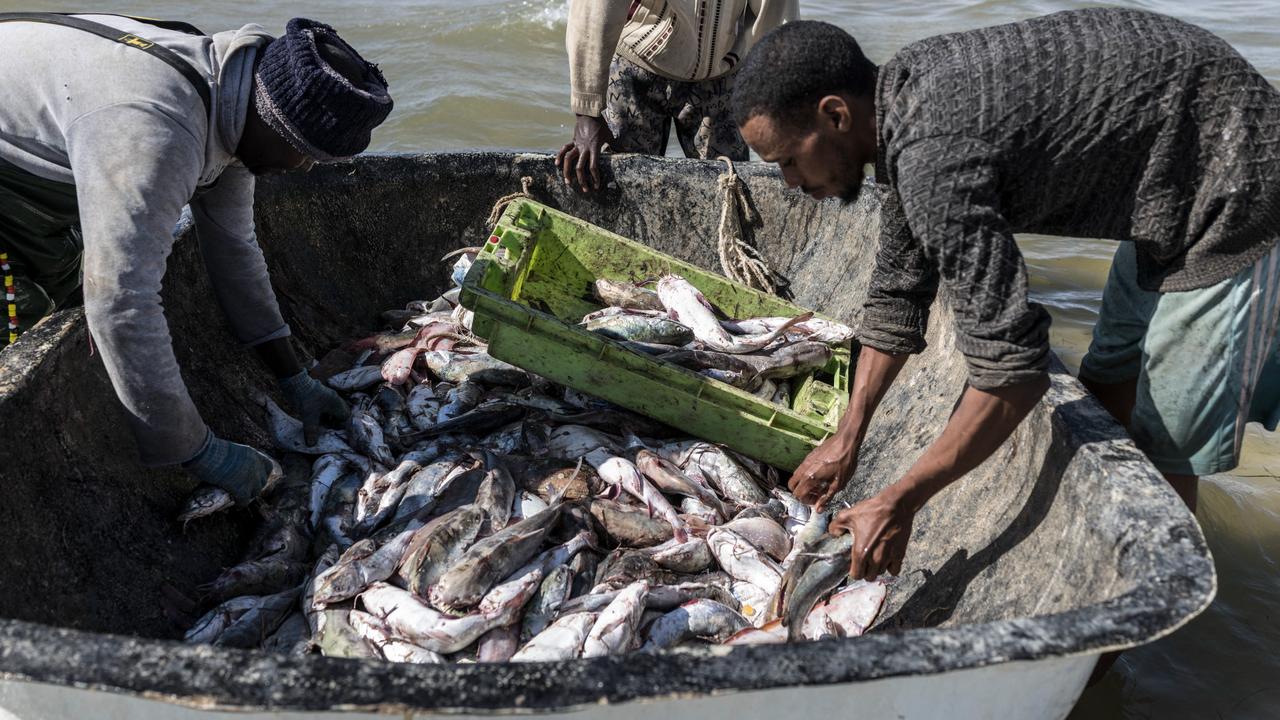
On the shores of Tin Aloule, 28-year-old Ahmed Amaida Khaliva unloads crates of catfish onto a truck bound for Nouakchott.
Once considered worthless and left uncaught, catfish are now a mainstay of his haul as other, more prized species disappear from these waters, a shift he meets with quiet resignation.


 Set as preferred source


 4 min read