Newsletters


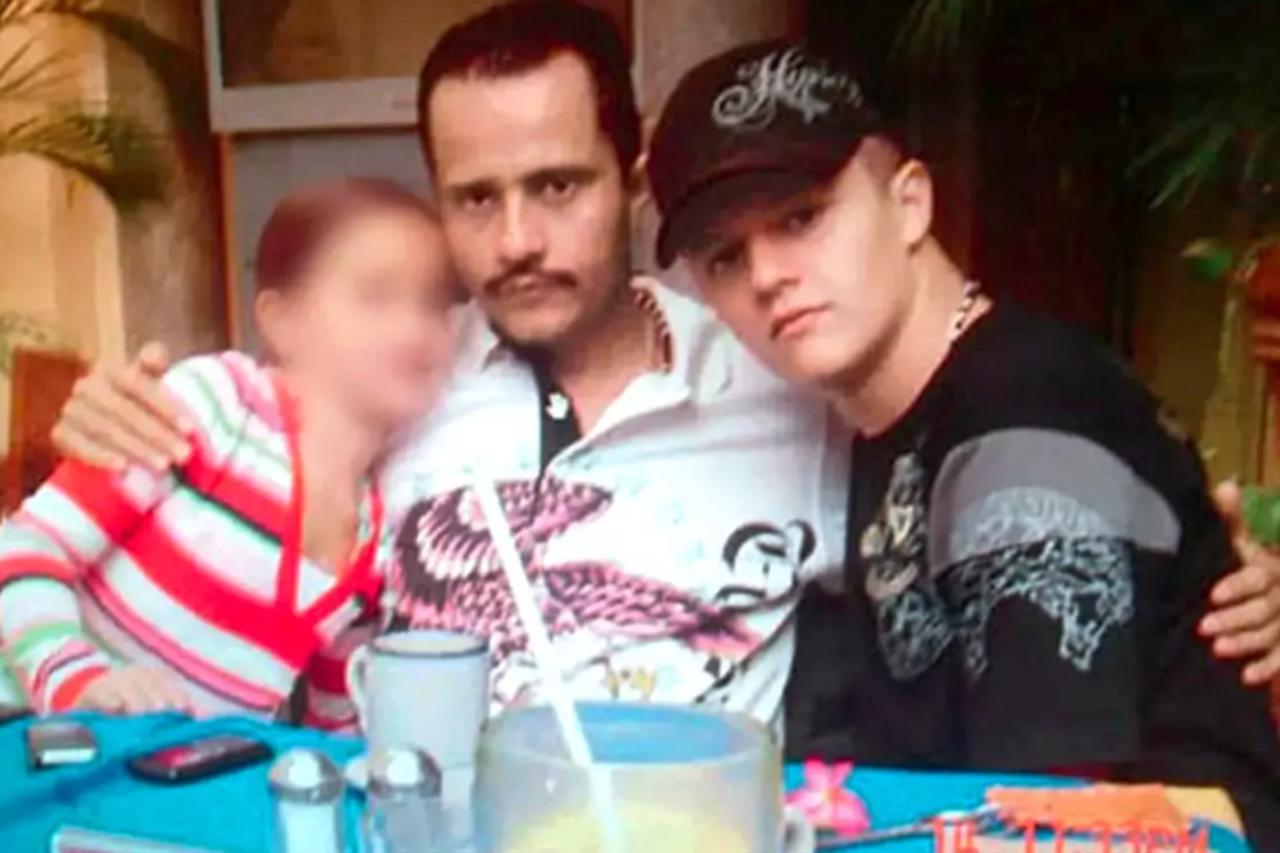


The Mexican army killed the leader of the Jalisco New Generation Cartel in a military operation on Sunday, delivering a major blow to one of the most powerful criminal organizations in the Western Hemisphere and setting off a wave of cartel-orchestrated chaos across several Mexican states.
Nemesio Ruben Oseguera Cervantes, widely known as "El Mencho," was killed during the operation in the western state of Jalisco, according to a federal official who requested anonymity because they were not authorized to speak publicly. The operation reportedly took place in Tapalpa, a town in the mountainous interior of Jalisco, where security forces had long suspected Oseguera Cervantes was hiding under the protection of mercenaries with former military training.
The 59-year-old drug lord had been one of the most wanted men in the world. The U.S. State Department had offered a reward of up to $15 million for information leading to his arrest, and he had been indicted multiple times in the United States District Court for the District of Columbia since 2017.
Hours before and after the operation, roadblocks with burning vehicles appeared across Jalisco and other states, a tactic commonly employed by cartels to obstruct military movements. Videos circulating on social media showed plumes of smoke billowing over the resort city of Puerto Vallarta and panicked travelers sprinting through the airport in Guadalajara, the state capital. Air Canada announced it was suspending flights to Puerto Vallarta on Sunday afternoon, citing "an ongoing security situation" and advising customers not to travel to the airport.
The U.S. Embassy issued a security alert urging American citizens in multiple Mexican states to shelter in place until further notice. The advisory covered Jalisco, including Puerto Vallarta, Chapala and Guadalajara, as well as Tamaulipas, including Reynosa, along with areas of Michoacan, Guerrero and Nuevo Leon. Citizens were told to avoid areas near law enforcement activity, seek shelter, minimize unnecessary movements and monitor local media for updates.
The Jalisco New Generation Cartel, known by its Spanish acronym CJNG, is considered one of the fastest-growing and most aggressive criminal organizations in Mexico.
Founded around 2009 from the remnants of the Milenio Cartel, the group rose to prominence under Oseguera Cervantes's leadership through a combination of extreme violence and sophisticated military-style tactics.
The cartel pioneered the use of explosive-laden drones and landmines in its operations and had repeatedly attacked Mexican military assets, including helicopters. In 2020, the CJNG carried out a brazen assassination attempt in the heart of Mexico City, targeting the head of the capital's police force with grenades and high-powered rifles. The target, who survived the attack, now heads federal security.
The U.S. Drug Enforcement Administration considers the CJNG as powerful as the Sinaloa Cartel, with a presence in all 50 U.S. states. Both organizations are major suppliers of cocaine, fentanyl and methamphetamine to the American market, generating billions of dollars in revenue.
The Trump administration designated the CJNG as a Foreign Terrorist Organization and a Specially Designated Global Terrorist in February 2025, as part of an executive order signed on January 20, 2025, President Trump's first day back in office.
The State Department formally published the designations on February 20, 2025, alongside five other Mexican cartels, the Salvadoran gang MS-13 and the Venezuelan organization Tren de Aragua.
 3 min read
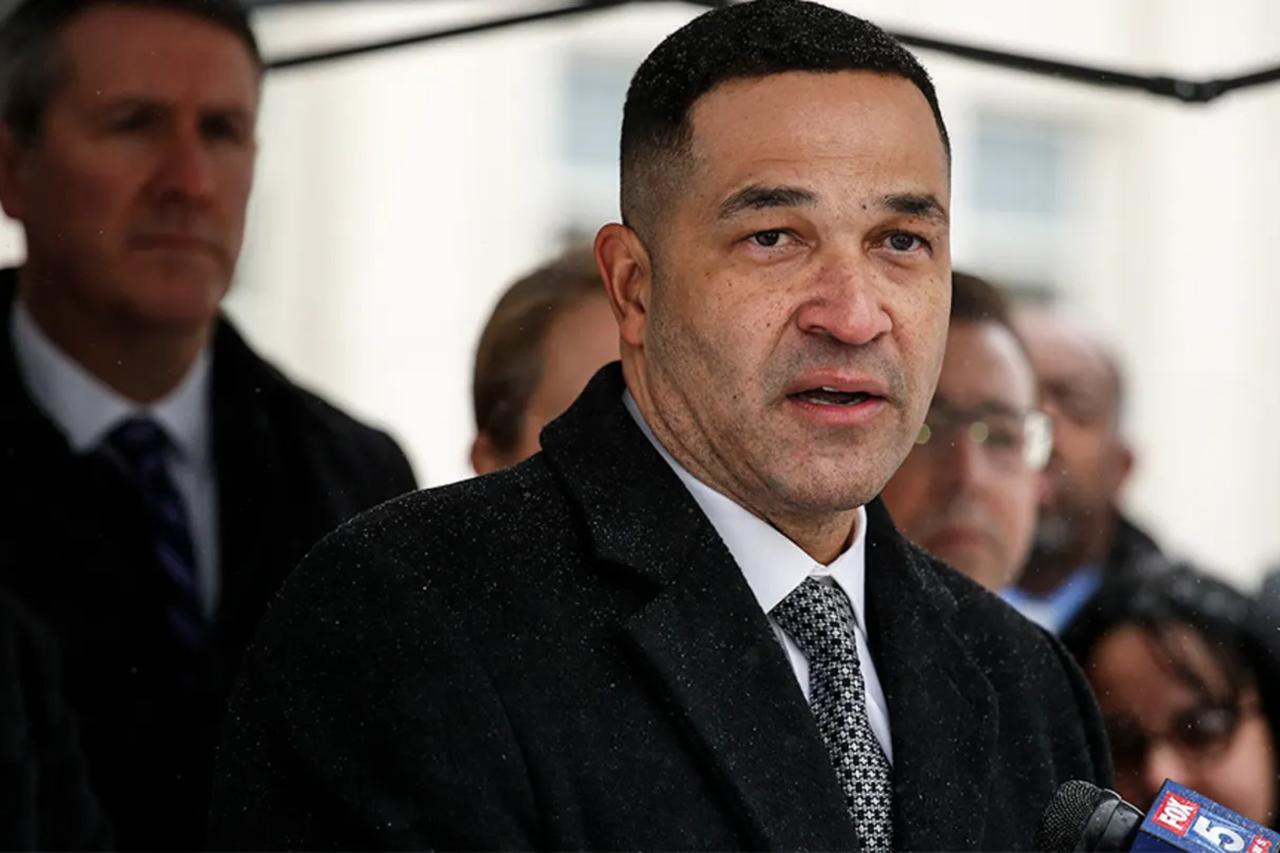
Born on July 17, 1966, in the rural community of Aguililla in Michoacan, Oseguera Cervantes spent time in the United States in the 1980s before being arrested and deported to Mexico in the early 1990s. He briefly served in local police forces in Jalisco before turning to organized crime full-time, joining the Milenio Cartel and eventually marrying into the family of one of its leaders.
After the Milenio Cartel fractured following a series of arrests and killings of its top bosses around 2009 and 2010, Oseguera Cervantes emerged as the dominant figure and founded what became the CJNG. His aggressive leadership and willingness to wage open war against both rival cartels and government forces made him one of the most feared figures in Mexican organized crime.
The most recent superseding indictment against him, filed on April 5, 2022, charged Oseguera Cervantes with conspiracy and distribution of methamphetamine, cocaine and fentanyl for illegal importation into the United States, as well as firearms offenses connected to drug trafficking. He was also charged under the Drug Kingpin Enforcement Act for directing a continuing criminal enterprise.
In recent years, the Mexican government and the DEA had dismantled much of his inner circle. His son, Ruben Oseguera-Gonzalez, known as "El Menchito," was sentenced to life in prison plus 30 years in March 2025 and ordered to forfeit over $6 billion in drug trafficking proceeds. His older brother Abraham, known as "Don Rodo" and regarded as a co-founder of the CJNG, was recaptured by Mexican authorities in February 2025. Reports had also circulated for years about Oseguera Cervantes's deteriorating health, including kidney disease that reportedly led him to build a hospital in a rural village for his own treatment.


 Set as preferred source
 Set as preferred source


 1 min read