Newsletters




Russia's ambassador to Germany issued a stark warning Friday against European Union efforts to redirect frozen Russian assets toward Ukraine's war effort, threatening legal and financial repercussions as Brussels seeks alternative funding mechanisms to sustain Kyiv's defense.
Sergey Nechaev characterized the EU proposal as theft and predicted it would undermine Europe's standing in global finance, escalating diplomatic tensions over a plan that has already divided member states. The warning came as top European leaders prepared to discuss the contentious 90-billion-euro funding scheme at a private meeting in Berlin.
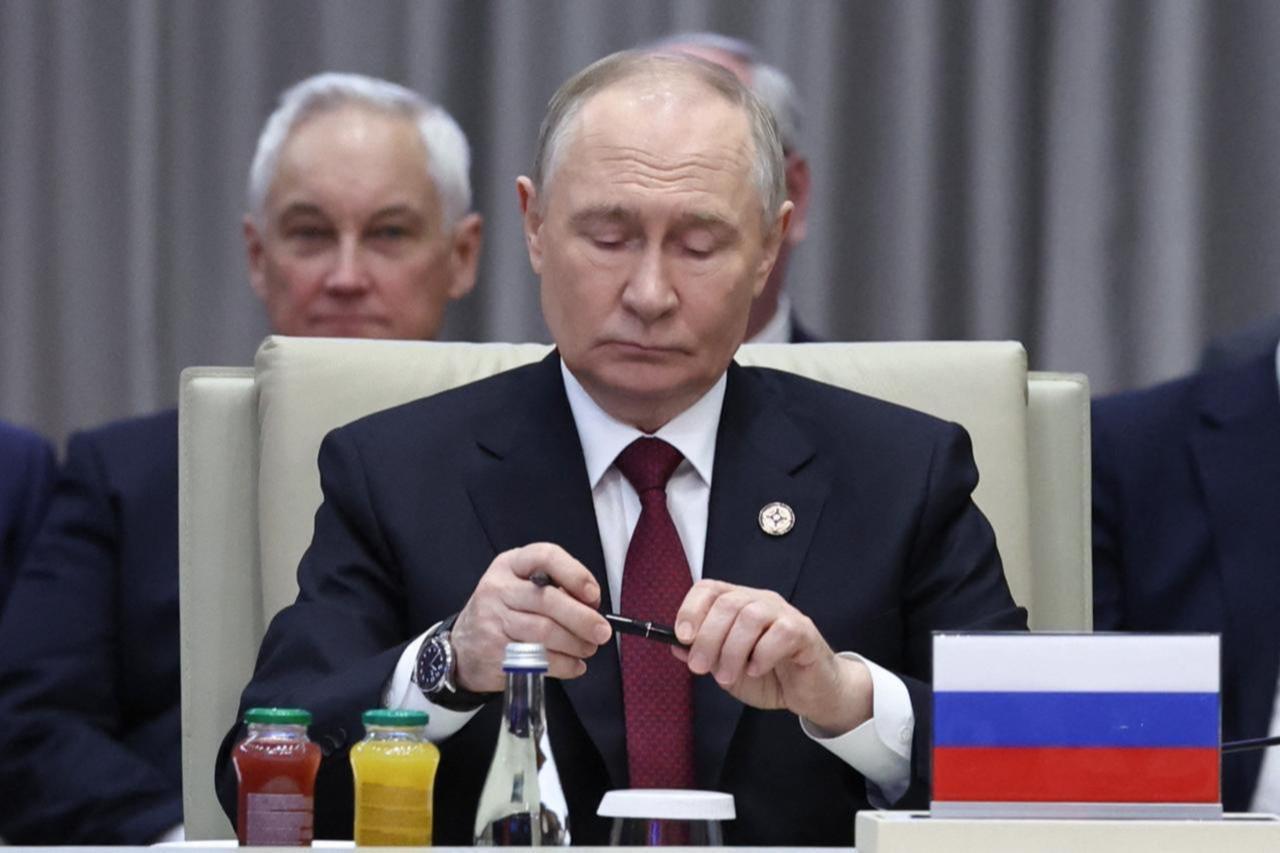
"Any operation with sovereign Russian assets without Russia's consent constitutes theft," Nechaev said in a statement, adding that the move could "destroy the business reputation of the European Union and plunge European governments into endless lawsuits."

The European Commission unveiled the proposal Wednesday, aiming to channel 90 billion euros to Ukraine over two years by leveraging Russian state funds immobilized since Moscow's invasion. Under the framework, the EU would extend loans to Kyiv with repayment structured around potential future Russian reparations to Ukraine.
The plan has encountered opposition from Belgium, where the international securities depository Euroclear holds the majority of the frozen assets. Belgian authorities have expressed concern about legal liabilities that could arise from unilateral action on sovereign funds.
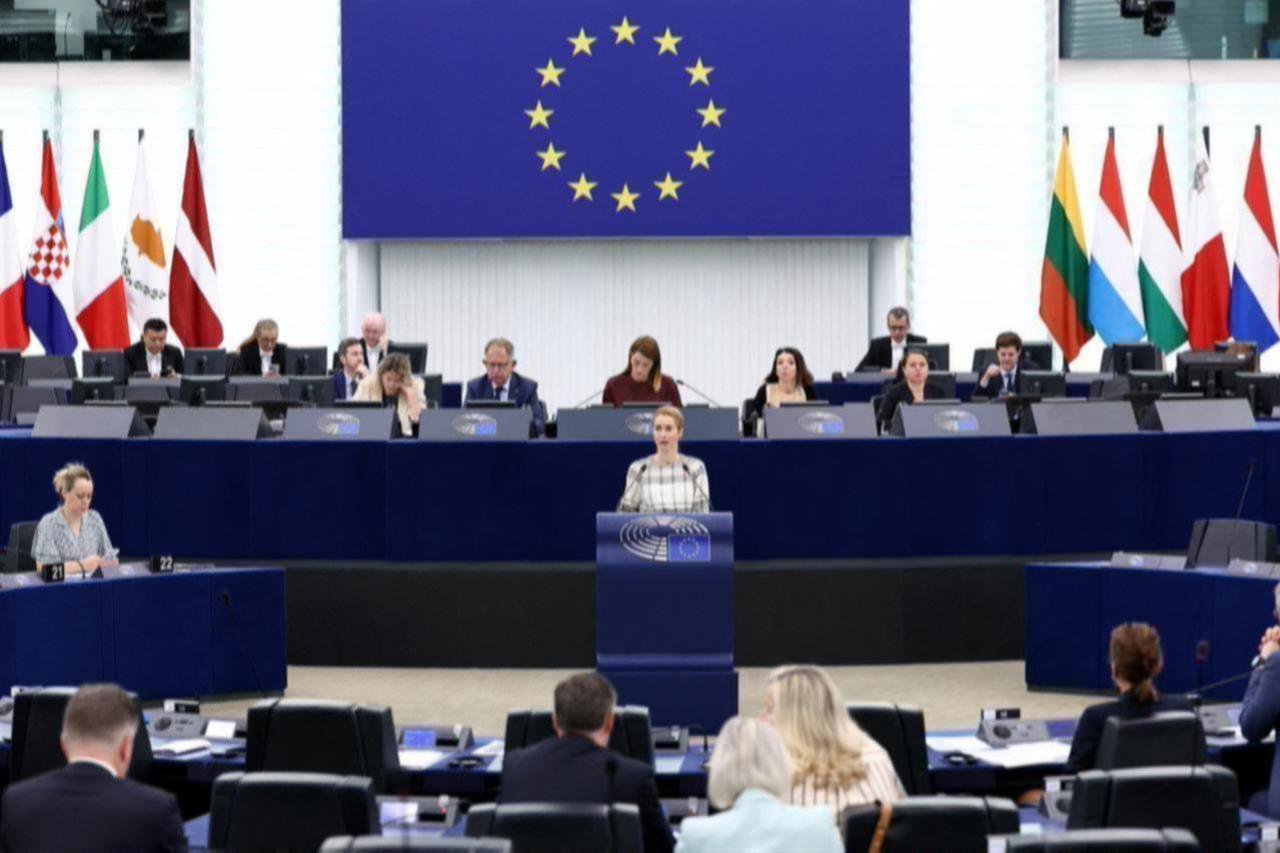
German Chancellor Friedrich Merz was scheduled to address the proposal Friday evening during discussions with Belgian Prime Minister Bart De Wever and European Commission President Ursula von der Leyen.
 1 min read
The Russian ambassador escalated Moscow's rhetoric beyond conventional diplomatic objections, framing the EU initiative as destabilizing to international financial architecture. Nechaev argued the action represented a "path to legal anarchy and the destruction of the foundations of the global financial system, which will primarily strike the European Union."
He suggested the proposal revealed limitations in Europe's capacity to maintain support for Ukraine, stating it demonstrated the bloc lacks the "considerable resources" required for sustained assistance.
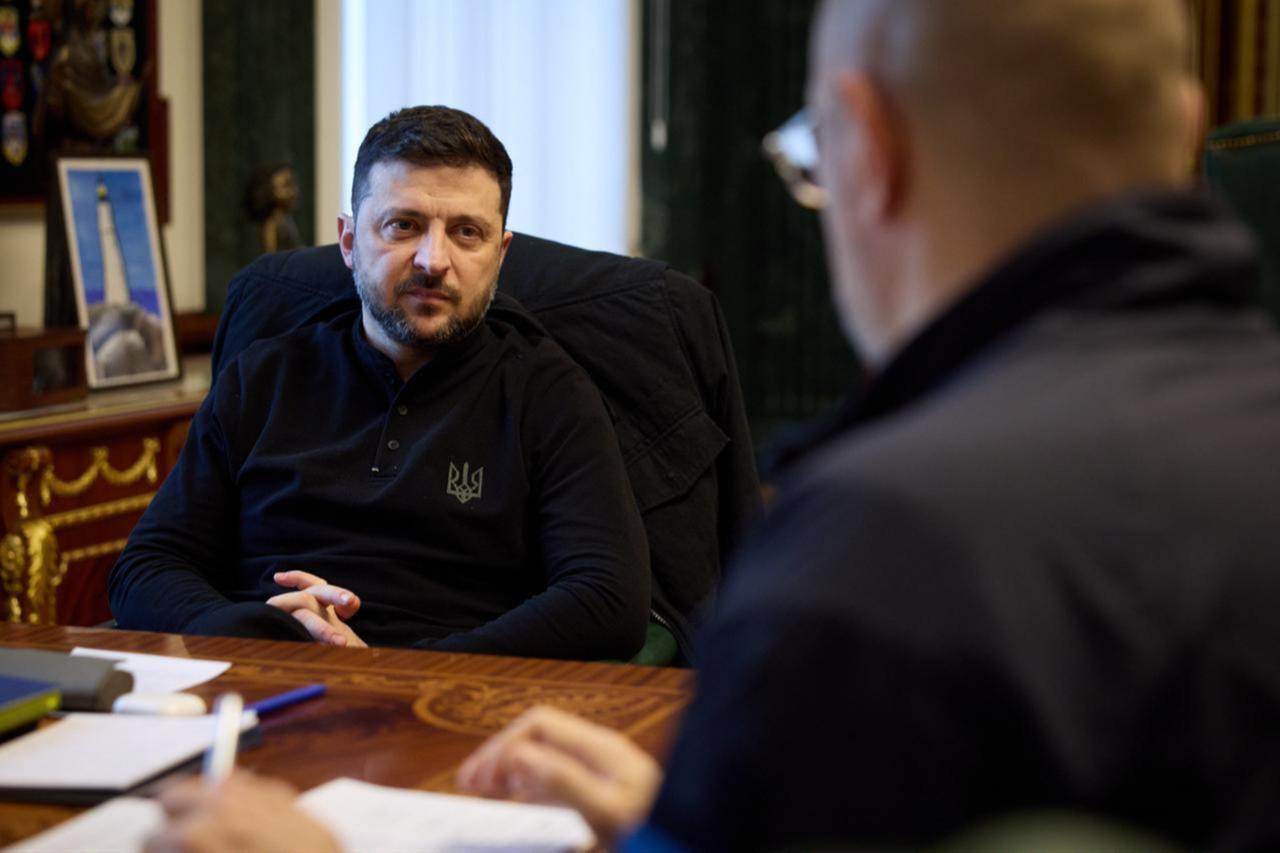
EU officials have pledged to maintain Ukraine's economic and military viability as Kyiv confronts intensified battlefield pressure and uncertainty about American support under President Donald Trump. European leaders have voiced concerns that Trump's approach to ending the conflict could result in terms disadvantageous to Ukraine.
The frozen assets represent one of the few substantial funding sources available to European governments as they attempt to compensate for potential reductions in U.S. aid while managing their own fiscal constraints. The legal and political complications surrounding their use underscore the challenges facing Western nations as the war extends into its third year.


 Set as preferred source
 Set as preferred source


 1 min read