Newsletters


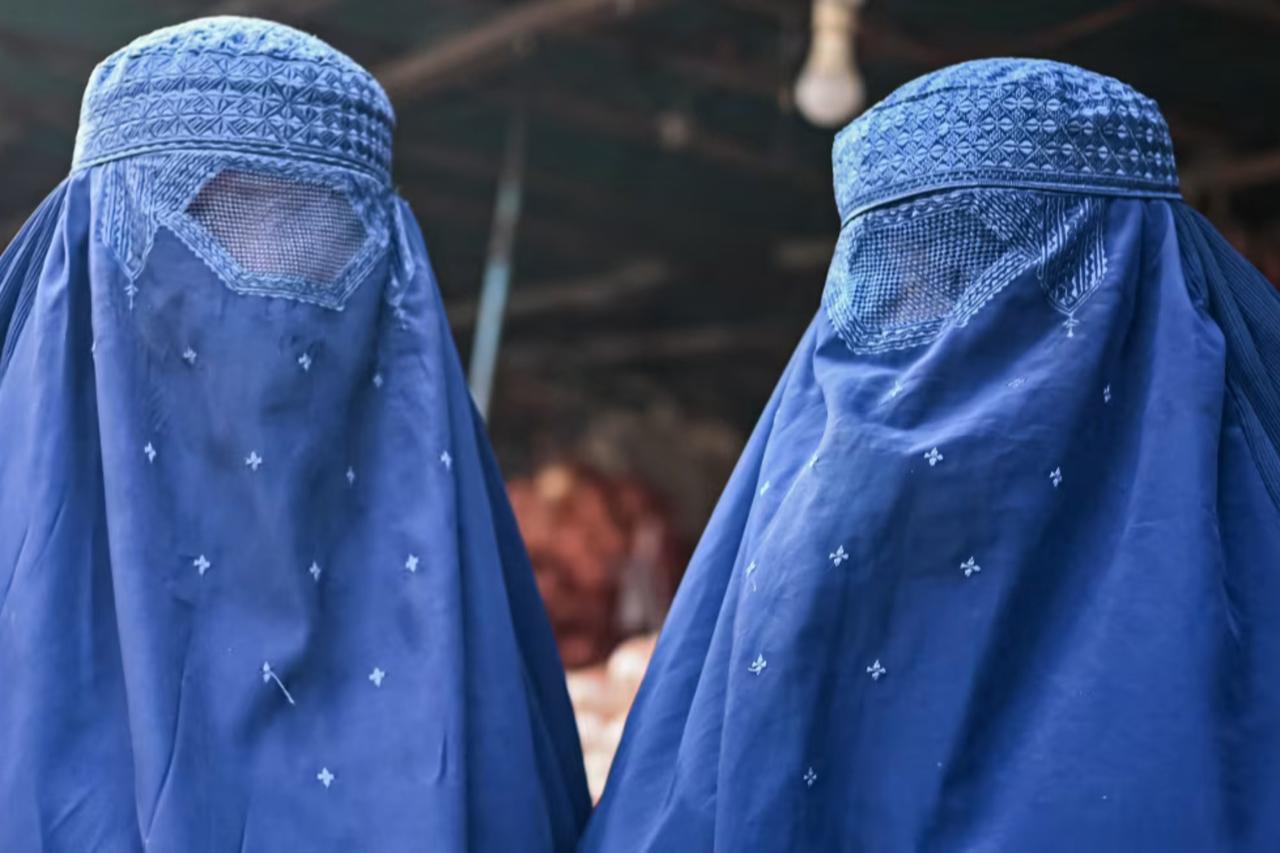


The penal code announced by the Taliban in January, but only reaching international media weeks later, is now triggering renewed scrutiny across global outlets.
The delayed reaction reflects a broader pattern: the growing volume of major global developments has made the consequences of new policies increasingly difficult to grasp in real time, while global attention often shifts according to competing priorities.
At the center of the renewed scrutiny is a legal framework that effectively allows domestic violence against women while making legal protection nearly impossible to obtain.
The regulation, signed by Taliban Supreme Leader Hibatullah Akhundzada and distributed to courts across the country, forms part of a broader legal and social framework that continues to restrict women’s basic rights.
The development has intensified concern among rights groups and observers, who say the measures institutionalize violence, eliminate legal safeguards and further isolate Afghan women from public life.
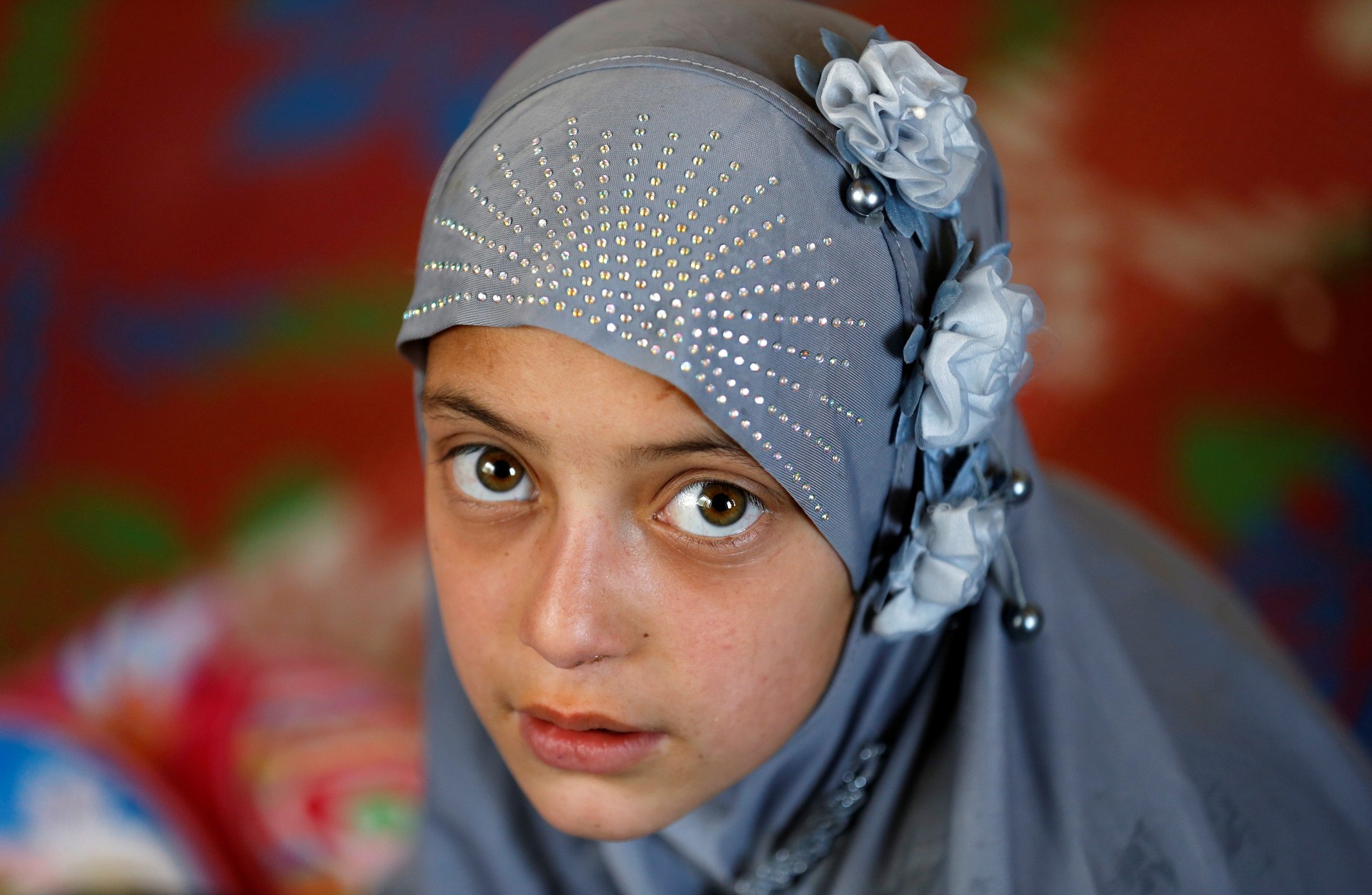

According to Article 32 of the penal code, a husband may strike his wife, provided the violence does not result in visible injuries such as broken bones or open wounds.
The provision states that if a husband strikes his wife with force resulting in “broken bone, wound, or visible bruising.”
Even when severe harm occurs, the maximum penalty is 15 days in prison, and conviction depends on the woman proving abuse before a judge.
The legal threshold for accountability remains difficult to meet. To file a complaint, a woman must present her injuries in court while fully veiled and accompanied by a male guardian, who in many cases may be the alleged abuser.
The code contains no provisions prohibiting psychological or sexual violence against women and does not outlaw many forms of physical abuse.
What makes the situation even worse is that Article 34 criminalizes attempts to escape abusive situations.
Under the provision, a woman who leaves her home without her husband’s permission and seeks refuge with relatives can face up to three months in prison.
Human rights groups say the measures make protection and justice structurally unattainable.
Rawadari, an Afghan human rights organization operating in exile, told Metro the provisions contradict principles of equality and “seriously increase the risk of intensifying and institutionalizing violence against women.”
The code also introduces social hierarchies that affect punishment levels. Afghan society is formally divided into categories including religious scholars, elites, the middle class and the lower class, with penalties varying according to social status rather than the nature of the offense.
The framework replaces protections established under the previous Afghan government, including the 2009 law on the Elimination of Violence Against Women, which criminalized forced marriage, rape and domestic abuse.
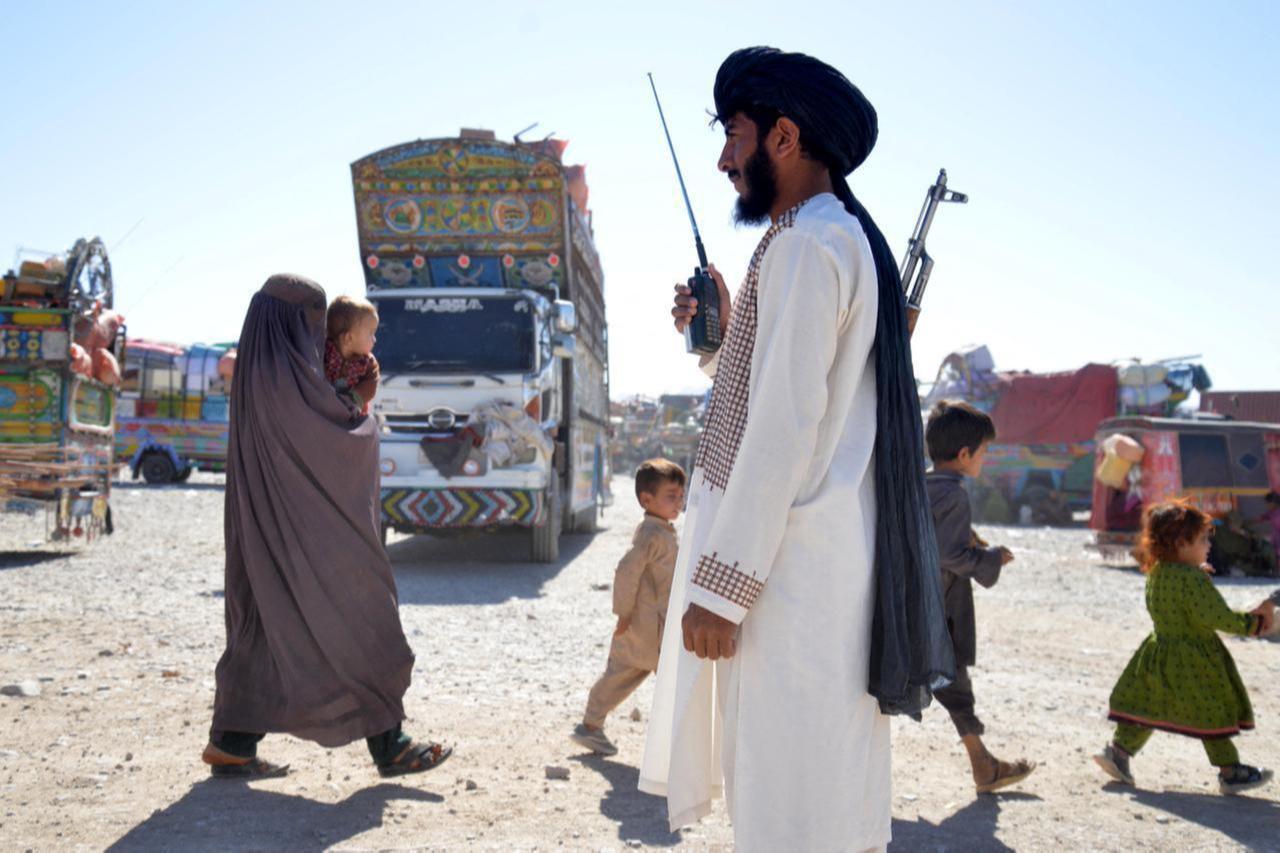
The penal code forms part of a wider system of restrictions introduced since the Taliban returned to power in August 2021.
Over the past several years, authorities have issued numerous decrees limiting women’s access to education, employment and public participation.
Girls above primary school age remain barred from secondary education, and women have been excluded from universities. United Nations reporting cited in previous coverage estimates that nearly 80% of young Afghan women aged 18 to 29 are not in education, employment or training.
The government has also imposed strict rules governing women’s behavior in public and private life. Women must cover their bodies and faces in public and are prohibited from singing, reading aloud or speaking loudly in ways that might be heard outside their homes. They are also restricted from interacting with men who are not relatives.
A 2024 United Nations report found that enforcement by authorities responsible for promoting virtue and preventing vice had created a climate of fear and intimidation across Afghan society.
Criticism of Taliban policies has also become increasingly dangerous. The penal code criminalizes insulting leadership and requires citizens to report opposition activity, while public discussion of the legal framework itself can be treated as an offense.
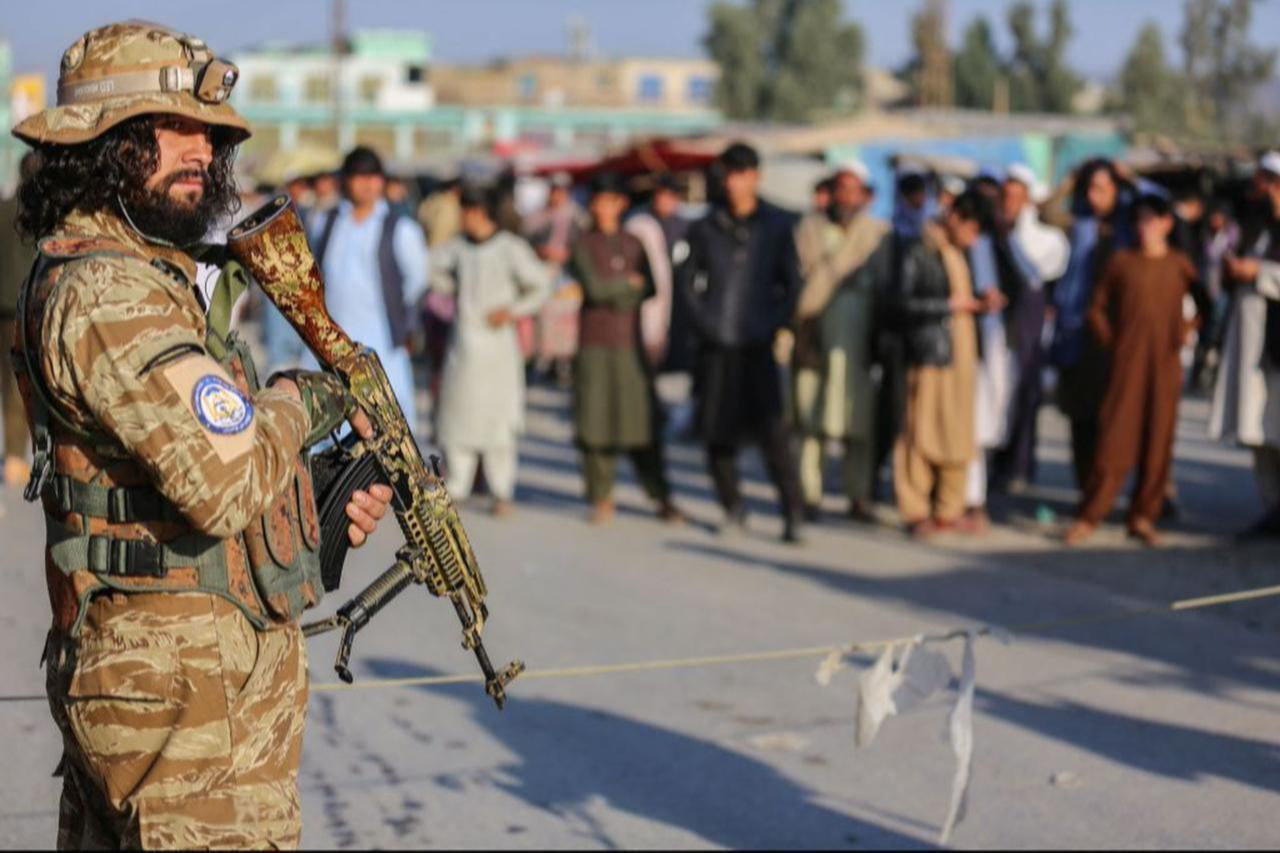
For many Afghan women, the impact is immediate.
A former university student in western Herat told The Telegraph that daily life had become a “constant resistance,” adding that the new law was “making our bodies their field of control” and forcing women to live in “fear and silence.”
Legal scholars and rights advocates say the framework transforms women’s bodies and movement into objects of regulation while limiting avenues for legal redress.
The combination of discretionary punishment, restricted mobility and social surveillance reinforces control over women’s lives at multiple levels.
The measures have also raised concern among international observers. United Nations Special Rapporteur on violence against women and girls Reem Alsalem described the implications of the code as “terrifying” and questioned whether the international community would respond effectively.
The renewed focus on Afghanistan’s legal framework follows ongoing efforts by journalists, activists and cultural figures to amplify the experiences of Afghan women.
In a recent interview with Türkiye Today, Turkish film producer and WomanPost international representative Bulut Reyhanoglu emphasized the importance of visibility and responsibility in documenting the lives of Afghan women.
He described his role not as speaking for Afghan women but “accompanying” them and helping create space for their voices to be heard.
WomanPost, an independent media platform documenting women’s experiences across the Middle East, has centered much of its work on Afghanistan through investigative reporting, testimony and creative initiatives.
The organization seeks to present Afghan women not solely as victims of repression but as professionals, artists and individuals whose capacities remain constrained by structural barriers.
Reyhanoglu stressed that limiting women’s access to education and employment has long-term social consequences, particularly in sectors such as health care. He also pointed to a gap between global awareness and concrete response, noting that the international community continues to observe developments without decisive intervention.
United Nations reporting suggests the broader social impact of restrictions could be severe. Continued barriers to education and medical training may increase maternal mortality, while limited opportunities for women and girls may contribute to rising child marriage and adolescent childbirth.
The emergence of details from the new penal code in February has reignited international scrutiny of Afghanistan’s legal system and the condition of women’s rights under Taliban rule. The regulation, unfortunately, not an isolated measure but is part of a sustained transformation of Afghanistan’s legal and social order.
Since 2021, nearly 100 decrees affecting women’s rights have been introduced, according to United Nations reporting referenced in earlier coverage. None has been formally reversed.


 Set as preferred source
 Set as preferred source


 1 min read