Newsletters





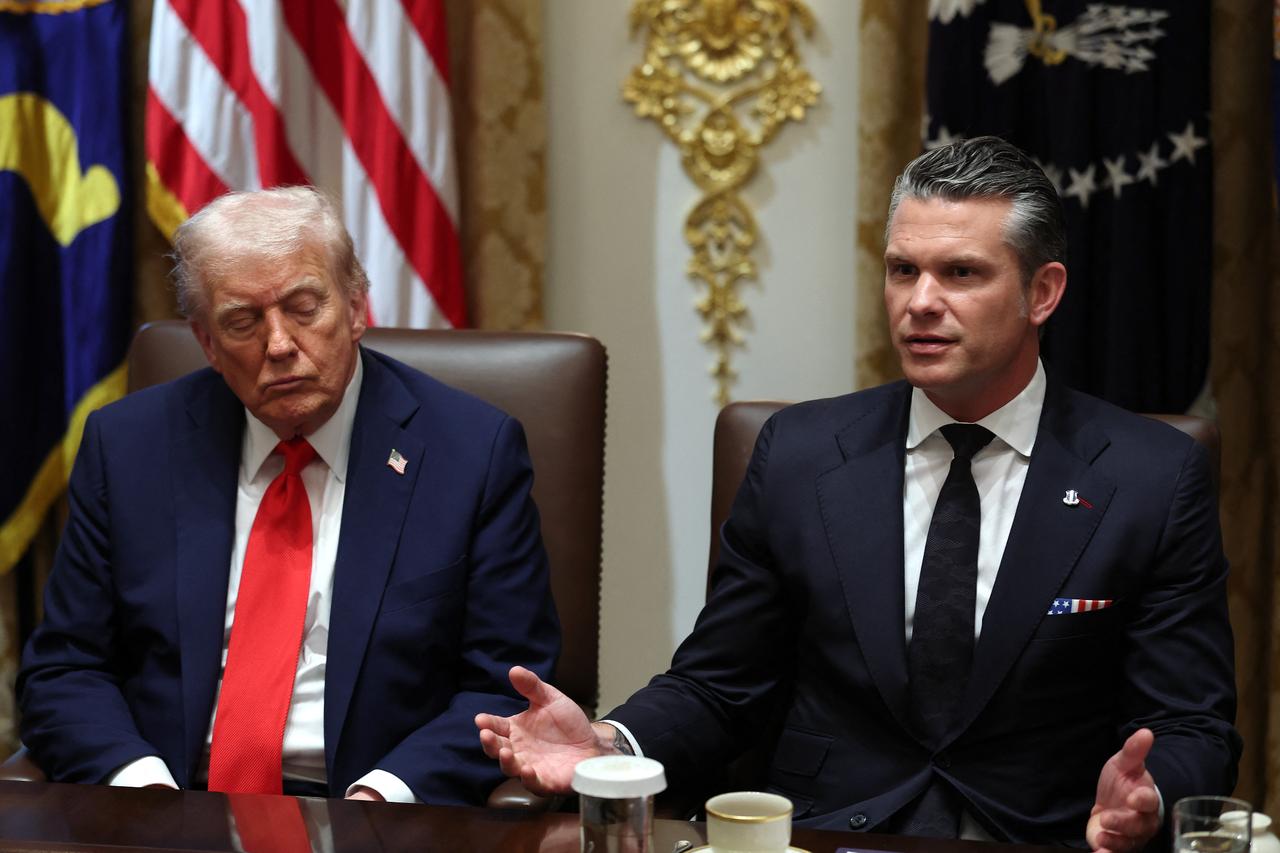
The New York Times filed a second lawsuit Monday against the U.S. Defense Department over press access restrictions at the Pentagon introduced under the Trump administration.
The lawsuit, filed jointly by the newspaper and its reporter Julian Barnes, names the Defense Department, Defense Secretary Pete Hegseth, Pentagon spokesperson Sean Parnell and senior official Timothy Parlatore as defendants.
The suit argues that the Pentagon’s policy requiring reporters to be escorted while inside the building amounts to retaliation against the newspaper.
According to the filing, the policy constitutes “blatant retaliation” against The New York Times “not only for their editorial viewpoint but also for vindicating their constitutional rights in litigation.”
The complaint argues the new restrictions were introduced after a federal court ruled previous Pentagon media limits unconstitutional.
“The interim policy is patently retaliatory, utterly unreasonable, and manifestly arbitrary and capricious,” the lawsuit states.
“Defendants adopted it as a means to thwart a district court order and to punish The Times both for its editorial viewpoint and its successful suit vindicating its constitutional rights.”
The filing refers to a March ruling by Federal Judge Paul Friedman, who found earlier Pentagon restrictions violated First Amendment protections for freedom of speech.
The new policy, the lawsuit argues, sharply departs from long-standing Pentagon practice.
Before the restrictions, reporters had unescorted access to non-secure corridors, allowing them to move between offices and seek information quickly as events developed.
 1 min read
The lawsuit says the escort requirement significantly slows reporting operations.
“To ask even one question, Barnes and other reporters must call or email for an appointment, wait for a response, get an escort, ask their question, and return to the library outside the Pentagon,” the filing states.
It added that reporters now spend hours arranging access and coordinating movements inside the building.
Pentagon spokesperson Sean Parnell rejected the lawsuit and defended the policy.
He described the legal action as “nothing more than an attempt to remove the barriers to them getting their hands on classified information.”
“They want to roam the halls of the Pentagon freely and without an escort—a privilege that they do not have in any other federal building,” Parnell wrote on X.
He added that the policy was lawful and intended to protect sensitive information from unauthorized disclosure.


 Set as preferred source
 Set as preferred source



 1 min read