Newsletters




NATO Deputy Secretary General Radmila Shekerinska told the Turkish media outlet CNN Turk on Saturday that the U.S. military operation against Iran was not a NATO mission, but that several European NATO allies provided logistical support and base access under existing bilateral agreements.
She noted that NATO had intercepted four Iranian missiles fired toward Türkiye, neutralizing the threat and demonstrating the alliance's value to its members.
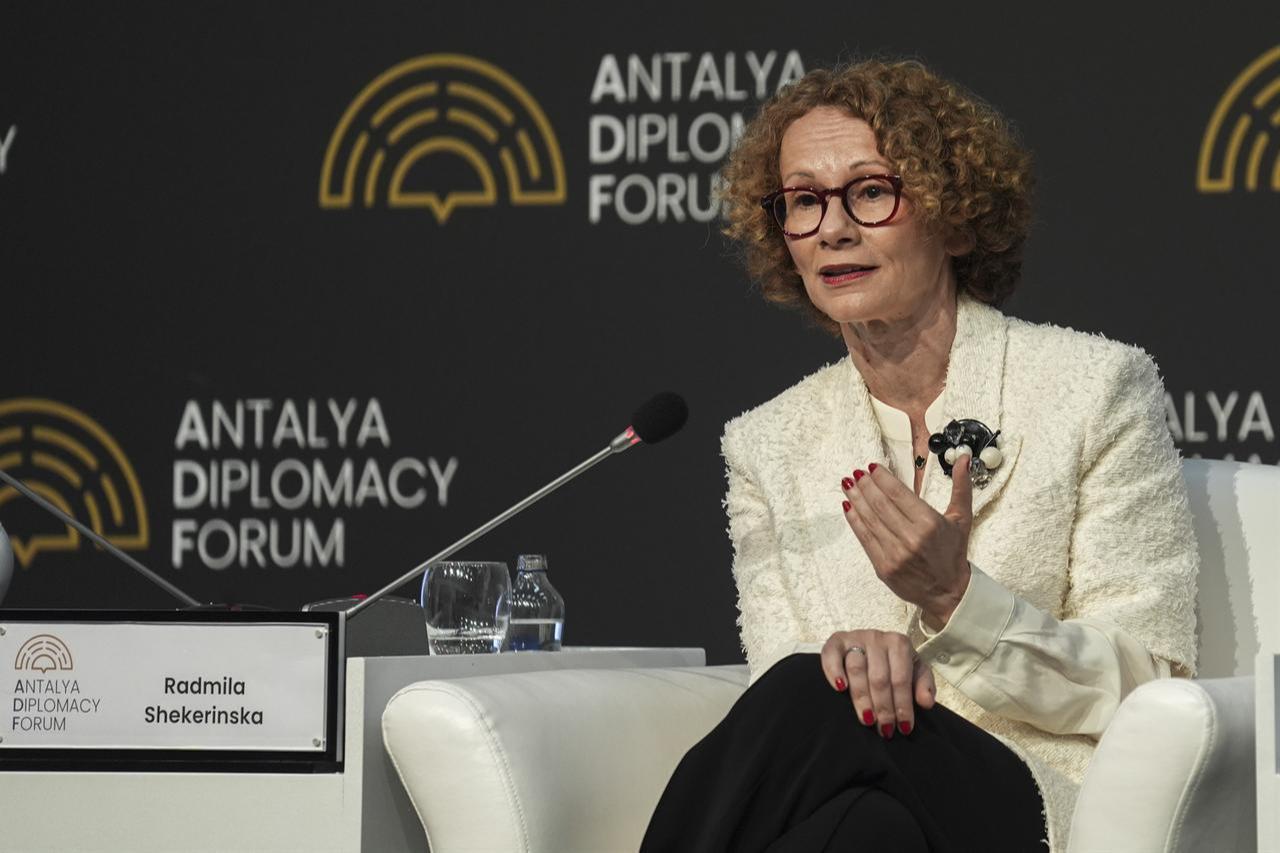

Speaking to the Turkish media outlet, Shekerinska described NATO's active defensive role with specificity.
"What we saw in recent weeks was that four missiles were fired from Iran toward Türkiye, a very important ally. NATO's capabilities and air defenses managed to stop those missiles. We neutralized the threat, and thus clearly showed how important NATO is for its allies," the NATO official noted.
"We continue to protect our peace and our citizens with our 360-degree approach," she added.
Shekerinska drew a clear line between alliance participation and allied support, saying, "Looking at the U.S. military operation in Iran, this was not a NATO operation. But of course, they asked a few European NATO allies for logistical support, and many of them supported them logistically as allies. They also opened bases on their territory in accordance with their bilateral agreements with the U.S., because they have an agreement."
Shekerinska added that the NATO members had long been concerned about Iran's trajectory.
"NATO members were aware of the threat Iran poses to security. Everyone was concerned about Iran developing a nuclear program. Its ballistic missile program concerned us, one reason being that we saw the Russia-Iran cooperation in the Ukraine war. We also saw how aggressively Iran behaved in the world, supporting proxy forces and terror activities," she said.
"At the same time, we observed how restrictive and oppressive it was toward its own people. We were concerned. We said so repeatedly," she added.
"I remember discussions about the Russia-Ukraine war, we always said Russia could not sustain the war alone, and named Iran's support as one of the factors strengthening or powering that war machine," Shekerinska stated.
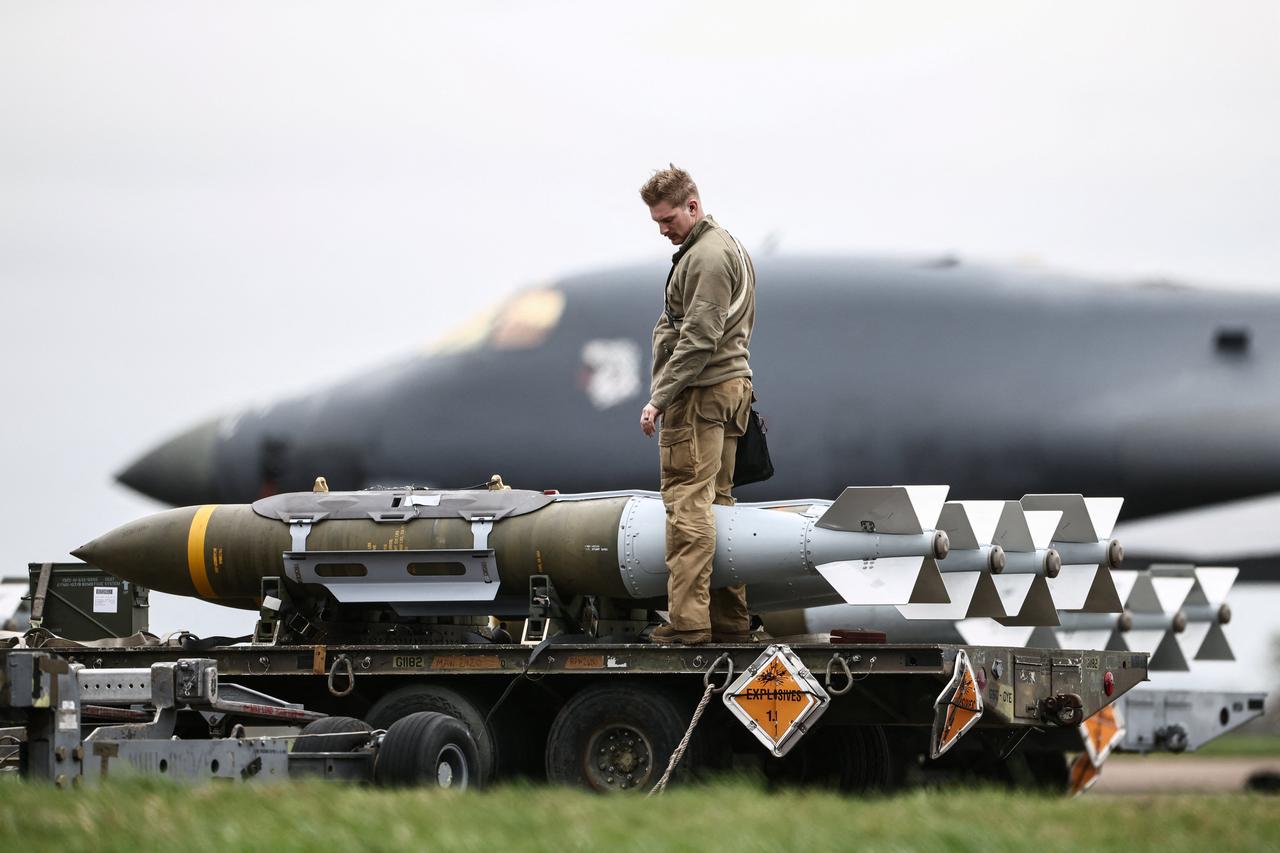
The NATO Deputy Secretary General reinforced the burden-sharing message that has defined NATO's preparations for the Ankara Summit.
"The era when European allies and Canada expected the U.S. to provide their security alone, or primarily, is over. And it should be. Because European allies and Canada are strong countries. Our approach is to increase defense investment and thus increase defense production across the transatlantic alliance, and ultimately be a stronger union," she said.
She noted that the Hague Summit had demonstrated commitment, and the Ankara Summit must demonstrate delivery.
"Thirty-two allies made a commitment to 5%. We agreed to continue supporting Ukraine. We agreed to increase defense production. In Ankara, we will show that these commitments were not empty words," Shekerinska added.
"The Ankara Summit is a wonderful opportunity for European allies and Canada to show that they are taking on this responsibility," she added.
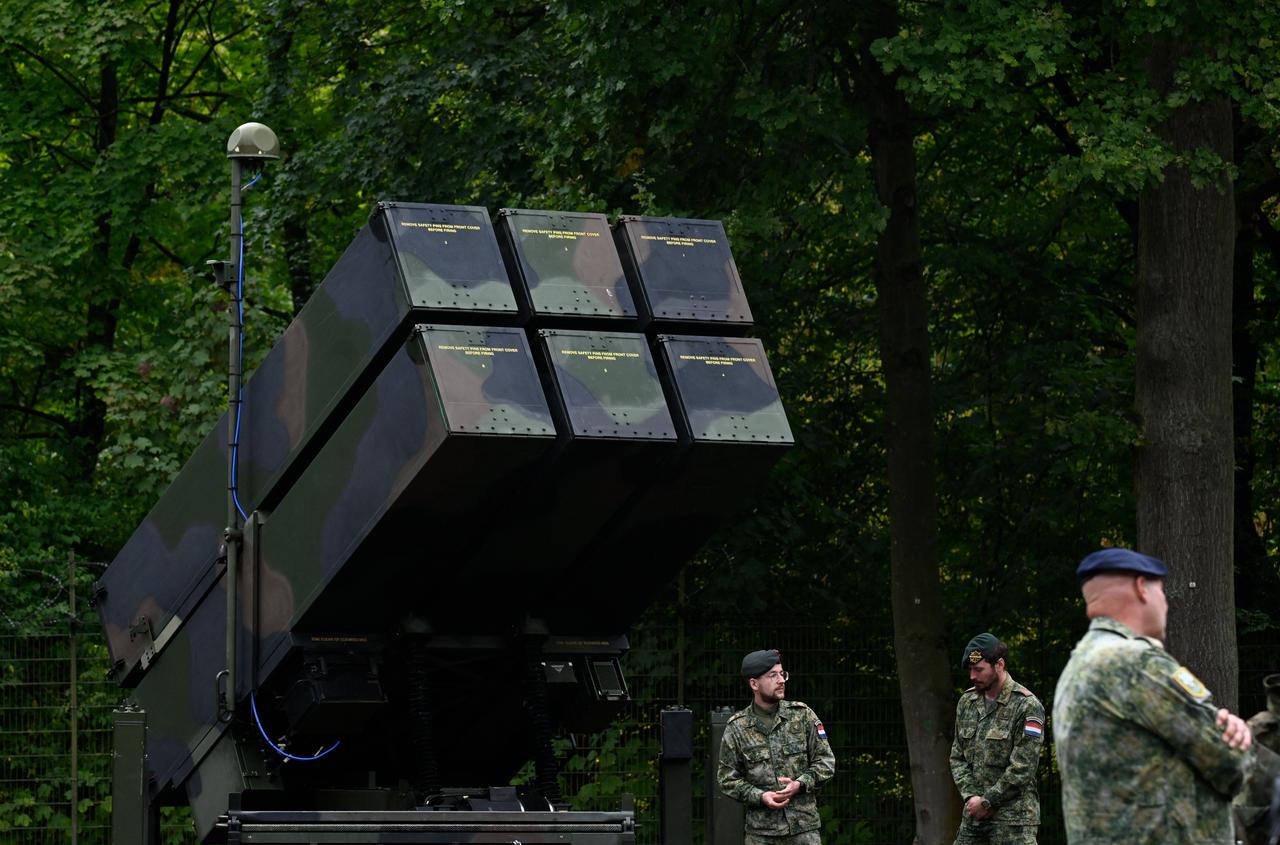
Shekerinska gave a comprehensive endorsement of Türkiye's NATO contribution.
"Türkiye's contributions to NATO are enormous. We just held what may be our biggest exercise this year and 2,000 Turkish soldiers participated. Turkish soldiers are in Hungary and Bulgaria. Türkiye has one of the largest armies in the alliance. Türkiye has a strong and vibrant defense industry. Türkiye is a very valuable ally," she said.
She said NATO's deterrence posture remained firm across all member territory.
"We are increasing our defense and deterrence because threats are growing. Our capabilities are quite flexible, we are on alert in different parts of the alliance. We said we would protect every inch of every ally's territory, and we meant it," she added.
On claims circulating about Türkiye's alliance standing, Shekerinska was dismissive.
"There are many different views. But we always focus on what we do best, and that is strengthening the alliance. 'All for one, one for all', we are serious about this. We proved how serious we are through our support to Ukraine, which has not been cut off. That is the best way to strengthen our deterrence," she concluded.


 Set as preferred source
 Set as preferred source


 4 min read