Newsletters


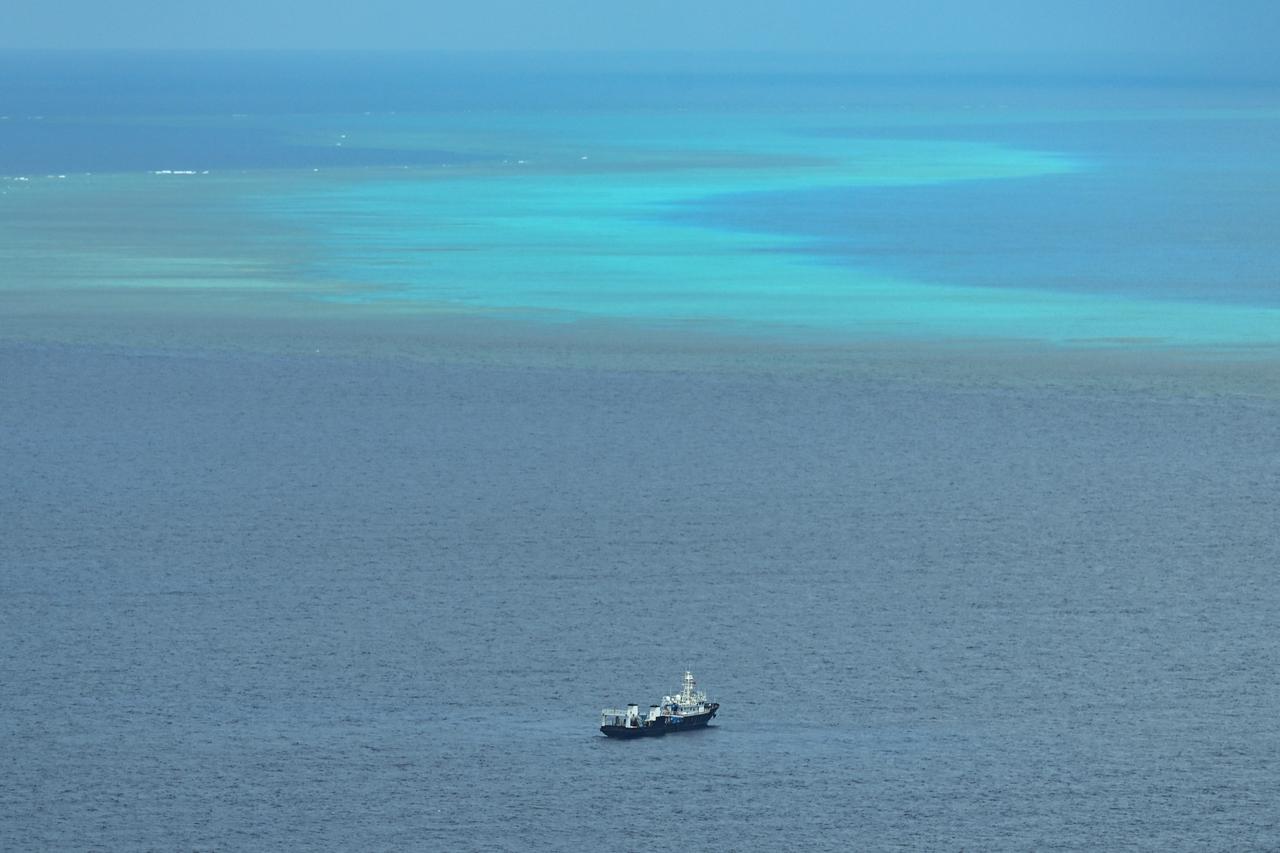


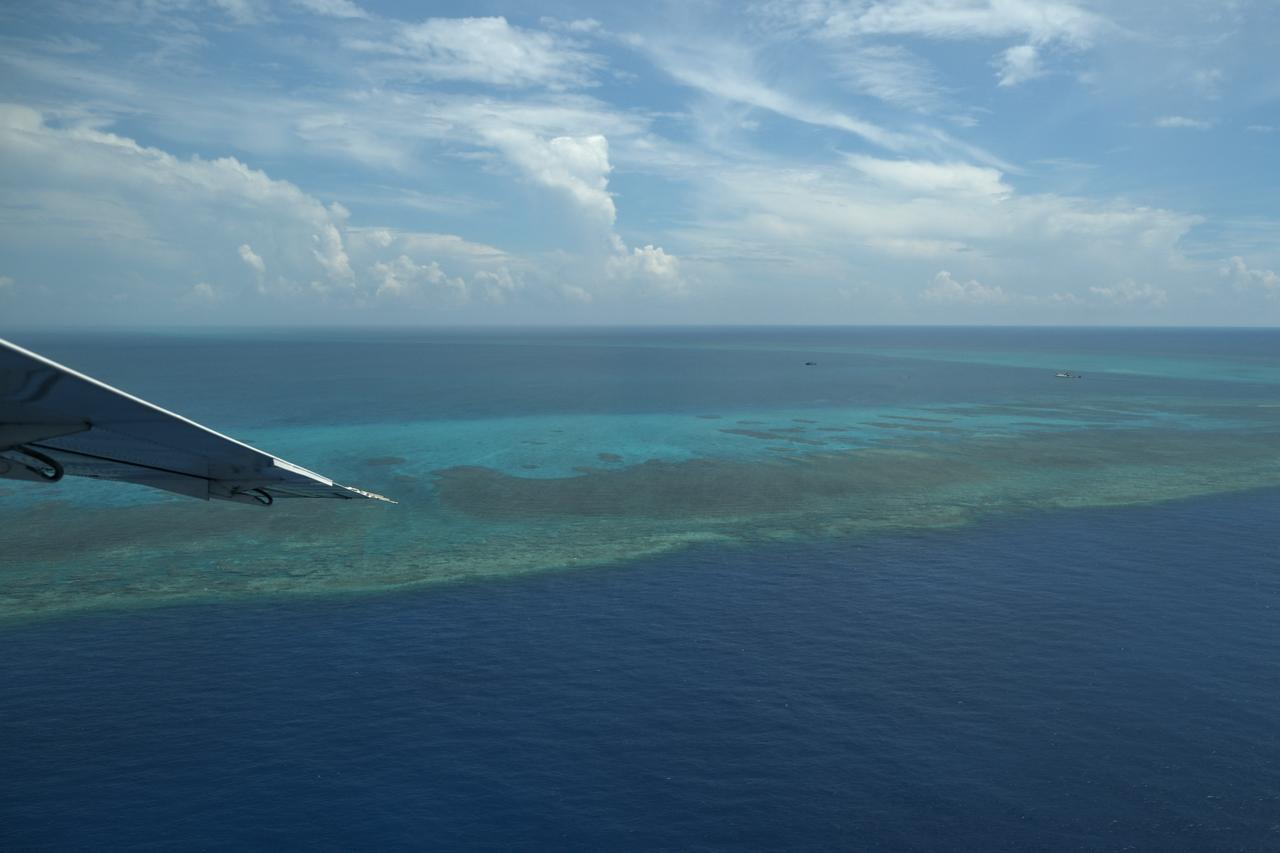
The Philippines is concerned that China may be preparing to take permanent control of Scarborough Shoal, a disputed South China Sea atoll and one of the most sensitive flashpoints in the Indo-Pacific, according to a Financial Times report.
Philippine Defence Secretary Gilbert Teodoro told the Financial Times that Manila was worried about recent Chinese activity around the shoal, which lies 200 kilometers, or 124 miles, west of Luzon in the Philippines' exclusive economic zone.
"The level of concern is significantly higher [than before]," Teodoro said in an interview with the newspaper.
China has maintained effective control of Scarborough Shoal since 2012 through a constant presence of naval vessels. Concerns have grown that Beijing may try to seize permanent control of the shoal, potentially clearing the way for construction and militarization after similar activity in other disputed areas of the South China Sea.
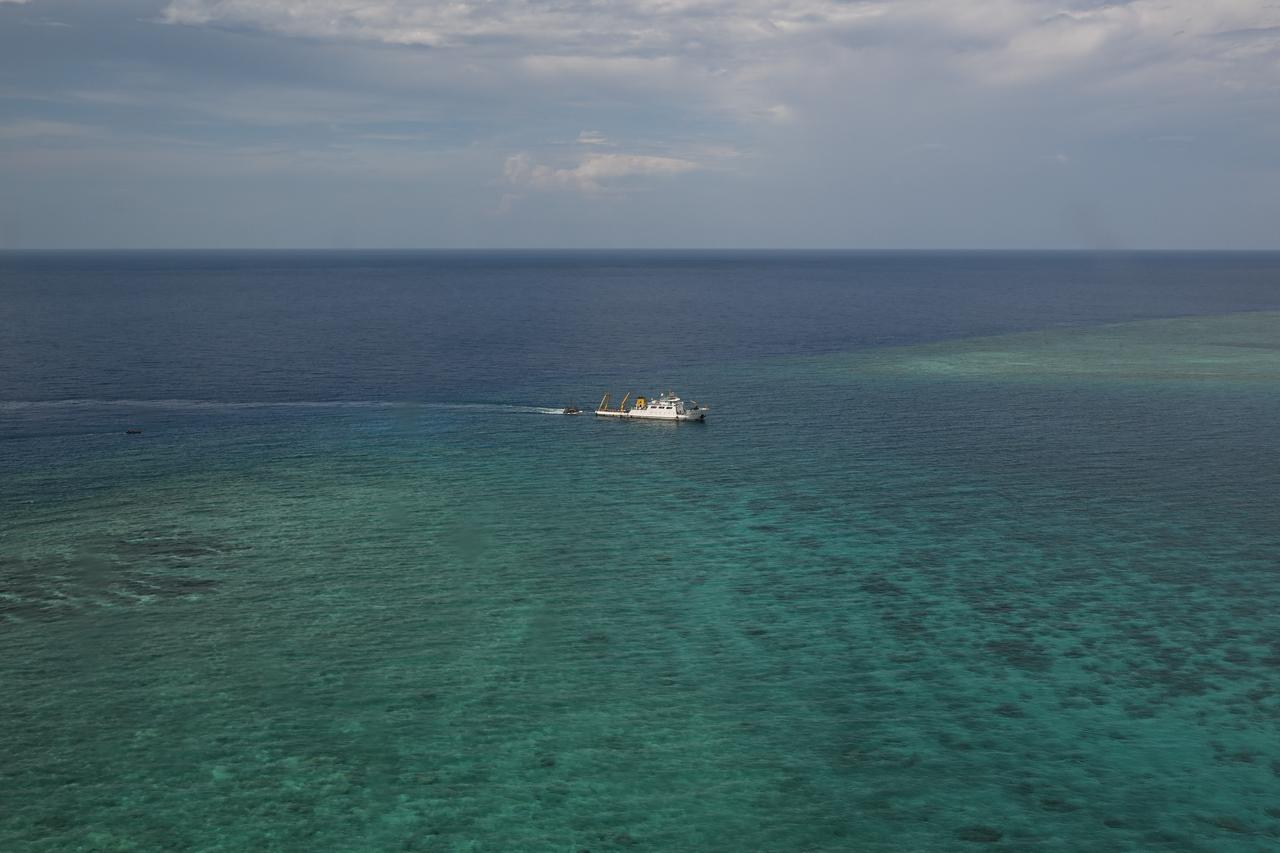

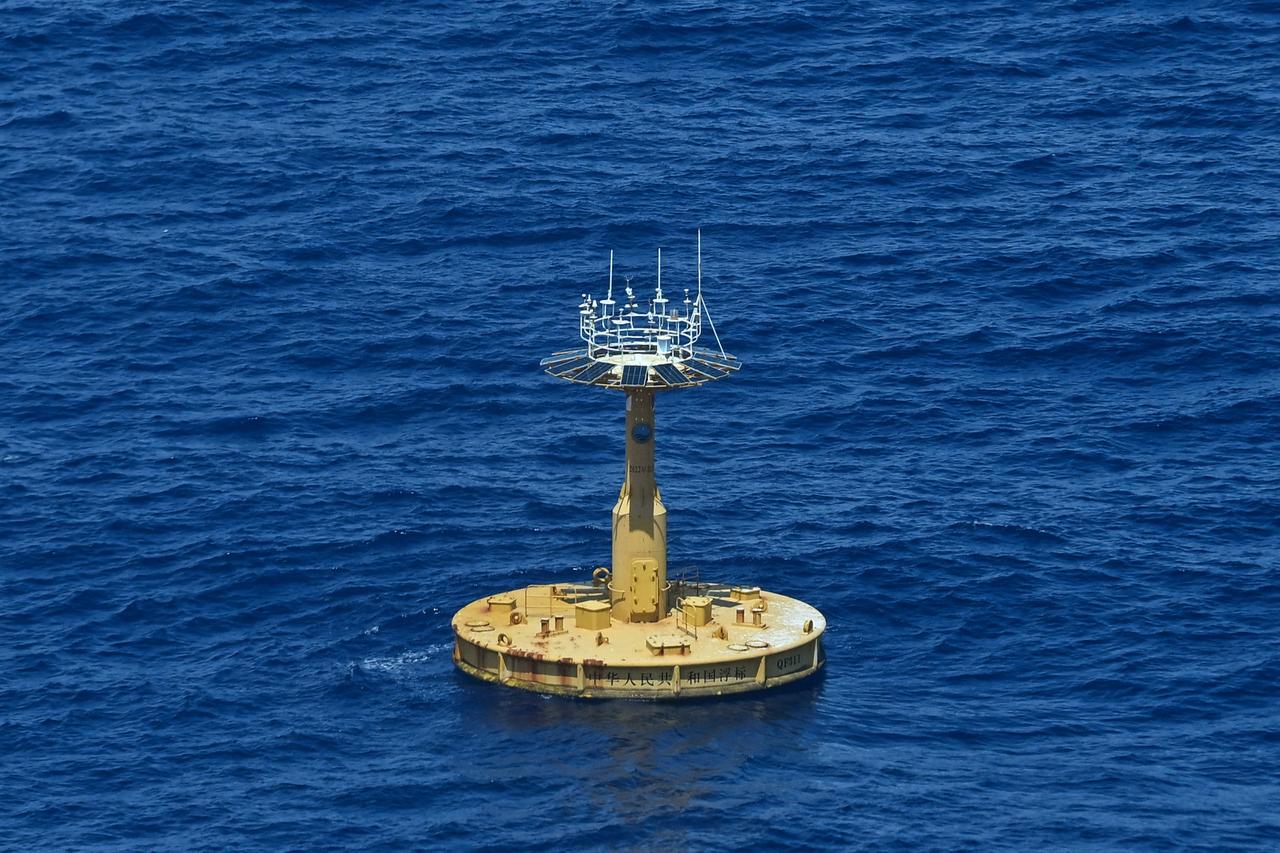
Earlier this week, China removed a floating platform from the area near Scarborough Shoal that Manila had described as "illegal," the Financial Times reported.
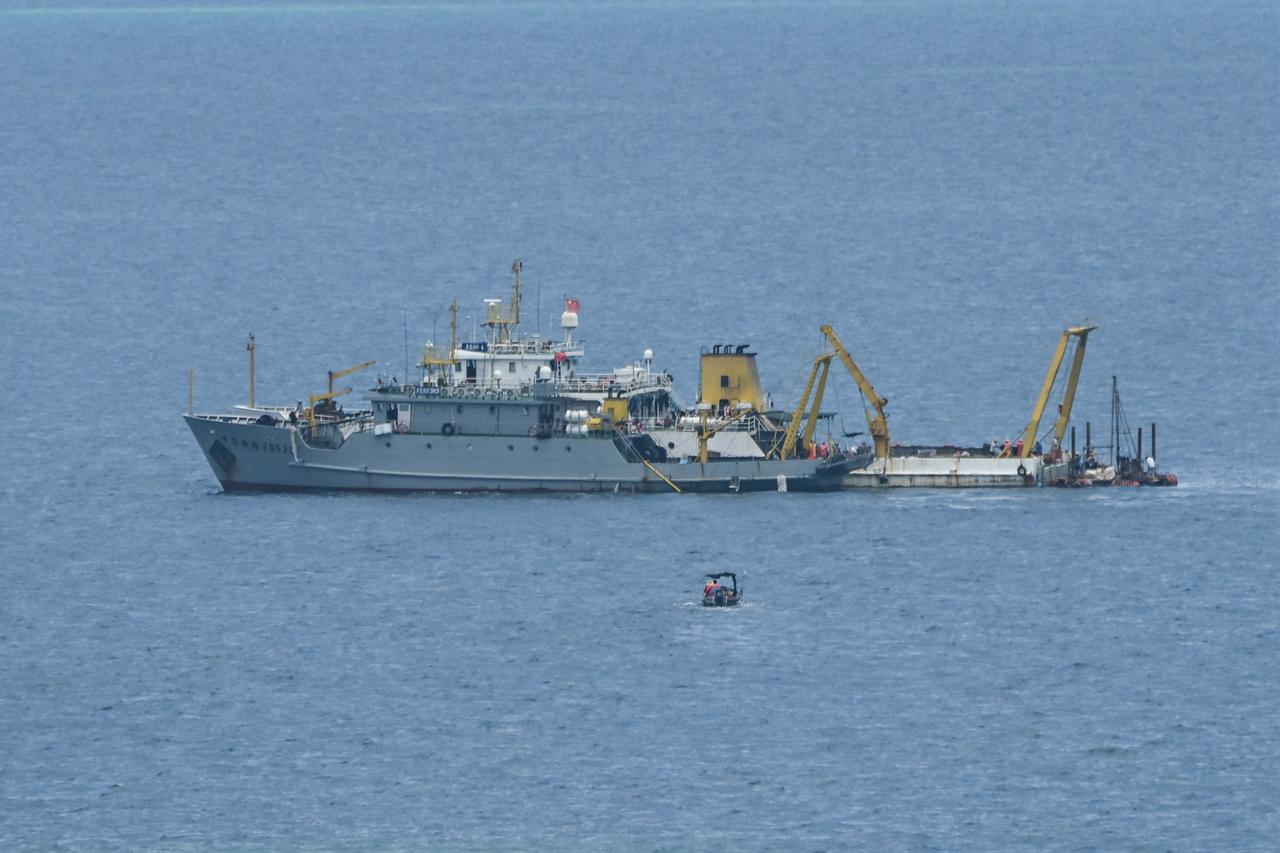
Teodoro said China had since moved a maritime research vessel into the area.
Beijing has previously used research vessels to conduct activity intended to help it build artificial islands in contested parts of the region, according to the report.
The activity comes 10 years after an international tribunal rejected Beijing's claims to most of the South China Sea.
"If they ... lied before, they can lie now. It is also probably something to prod us with on the 10th anniversary of the arbitration award, but having gone in there and done 'research activities', why take the chance if you're not going to do something?" Teodoro said.
"You have to assume the worst," he added.
China's embassy in the U.S. said Beijing had "indisputable sovereignty" over Huangyan Dao, the Chinese name for Scarborough Shoal, and its adjacent waters.
"It is fully within China's sovereign rights to carry out activities at Huangyan Dao, and no country has the right to interfere," the embassy said.
Beijing recently imposed sanctions on Teodoro, including banning him from travelling to China, Hong Kong and Macau, over what it called unspecified "irresponsible remarks" about China.
Teodoro dismissed the move as Beijing playing to its domestic audience and said it would not disrupt efforts to build deterrence against the Chinese military.
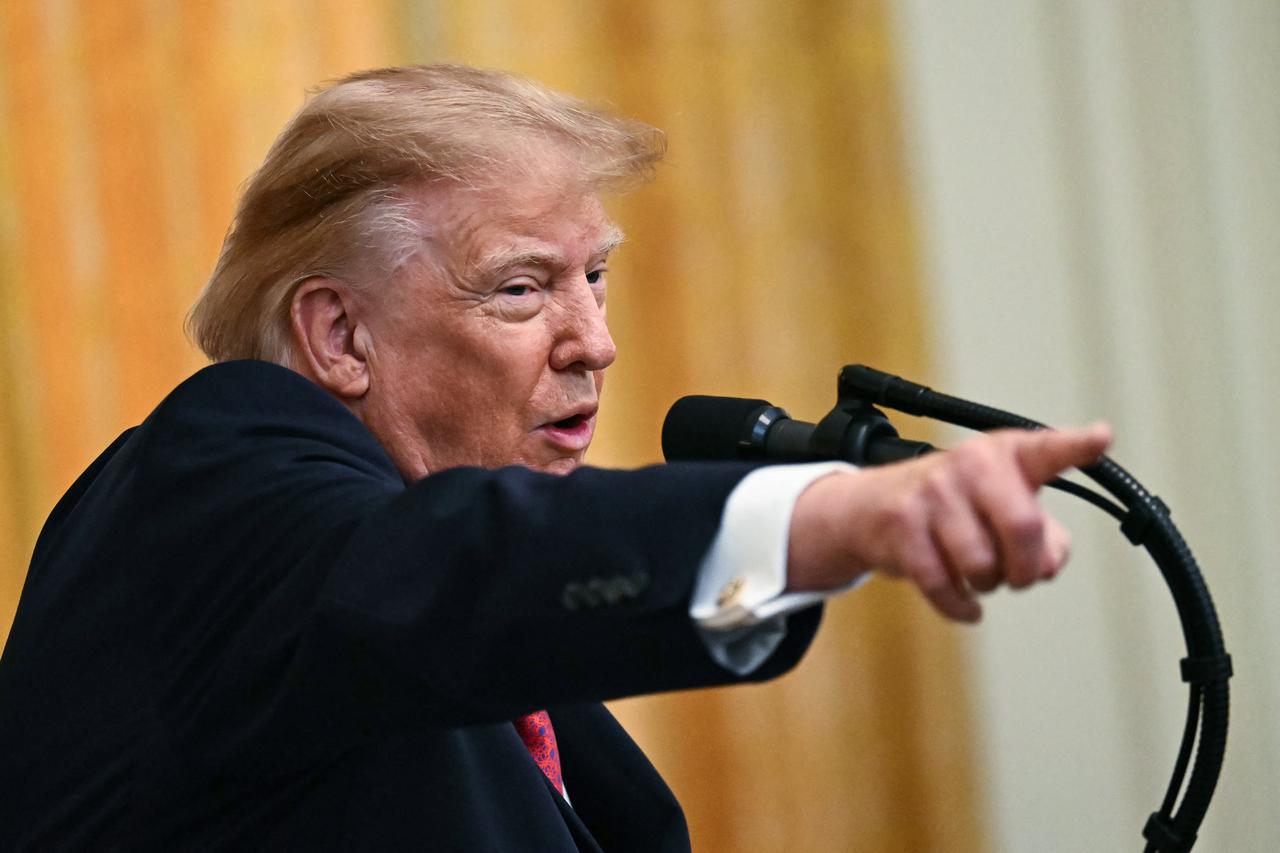
While many U.S. allies have expressed concern about President Donald Trump's sometimes caustic rhetoric on alliances, Teodoro said that in the Indo-Pacific, "alliances are becoming more robust."
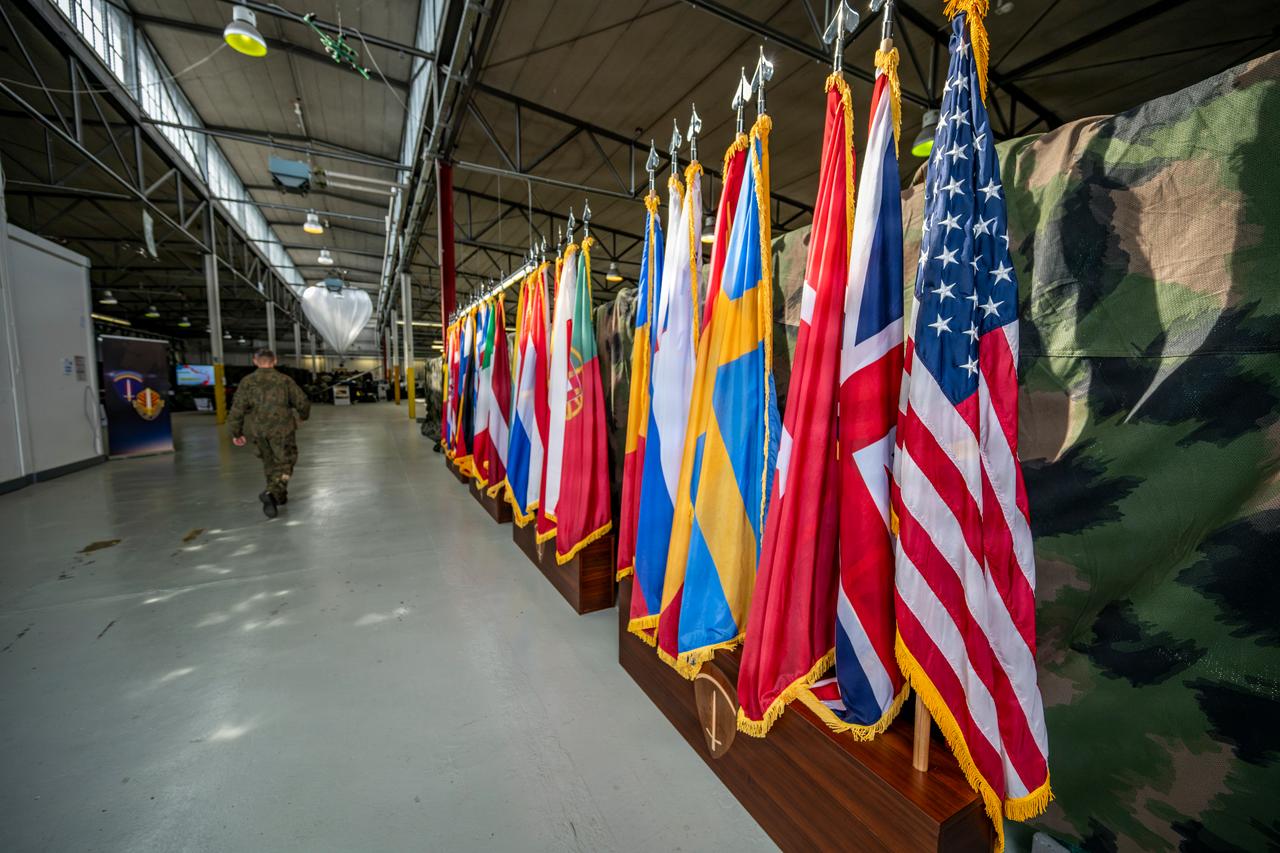
The U.S. and the Philippines recently held their annual Balikatan joint military exercises, which included a record number of allies, including Japan, Australia, New Zealand and Canada.
Teodoro said it was critical for Manila and its allies to do more to "intensify [military] interoperability" to strengthen deterrence against China.
Teodoro said Manila wanted to buy more weapons from the U.S., including Tomahawk missiles and Typhon, a system that launches Tomahawk and SM-6 missiles.
The SM-6 can target aircraft, ships and ballistic missiles.
Teodoro said the Philippines was also talking to Tokyo about acquiring five Abukuma-class destroyers when they are decommissioned.
He said Manila was interested in Japan's Type 88 surface-to-ship cruise missile, which was used in the Balikatan exercises for the first time.
In 2024, Manila and Tokyo signed a reciprocal access agreement allowing their militaries to train and conduct exercises in each other's countries, a move aimed at boosting deterrence against China.
Asked whether the agreement opened the door to Japan deploying troops in the Philippines on a rotational basis, Teodoro said: "Sure. And it also goes for Philippines having a rotational presence in Japan and Australia."
Teodoro said Manila was also interested in acquiring the extended-range version of the BrahMos supersonic missile it has bought from India, which would give the Philippines greater projection in the South China Sea.
In addition to buying more weapons, Teodoro said the Philippines was beginning to integrate artificial intelligence into its military systems.
He said the aim was to improve Manila's ability to detect activity and predict future movements from China.
"Then we can add depth to our operations, given the amount of depth we need in countering Chinese aggression," Teodoro said.
Asked how extensive discussions between the U.S. and the Philippines had been about a possible war over Taiwan, Teodoro said: "There have been no conversations between the U.S. and the Philippines on a Taiwan contingency."
But he said the two allies had discussed global contingencies that would affect the Philippines as part of annual talks held under the U.S.-Philippines mutual defense treaty.
"Any responsible defence engagement would talk about these contingencies ... and exercise these contingencies," Teodoro said.
He said AI also had a role in making scenarios more realistic, viable and up to date for contingency planning.
Asked whether he had seen evidence of European militaries pulling back from Asia after Elbridge Colby, the top Pentagon policy official, urged them last year to focus on the Euro-Atlantic, Teodoro said: "Not at all."
Teodoro said Europe was aware of the Indo-Pacific's importance for supply chains and maritime commerce.
"If Europe wants to shore up its continental defence and spend more, it cannot supply the inputs for those capabilities and for those exercises without the South China Sea, without the Strait of Malacca, without the Indian Ocean ... so the Indo-Pacific has extended to Europe," he said.


 Set as preferred source
 Set as preferred source


 1 min read
 1 min read