Newsletters


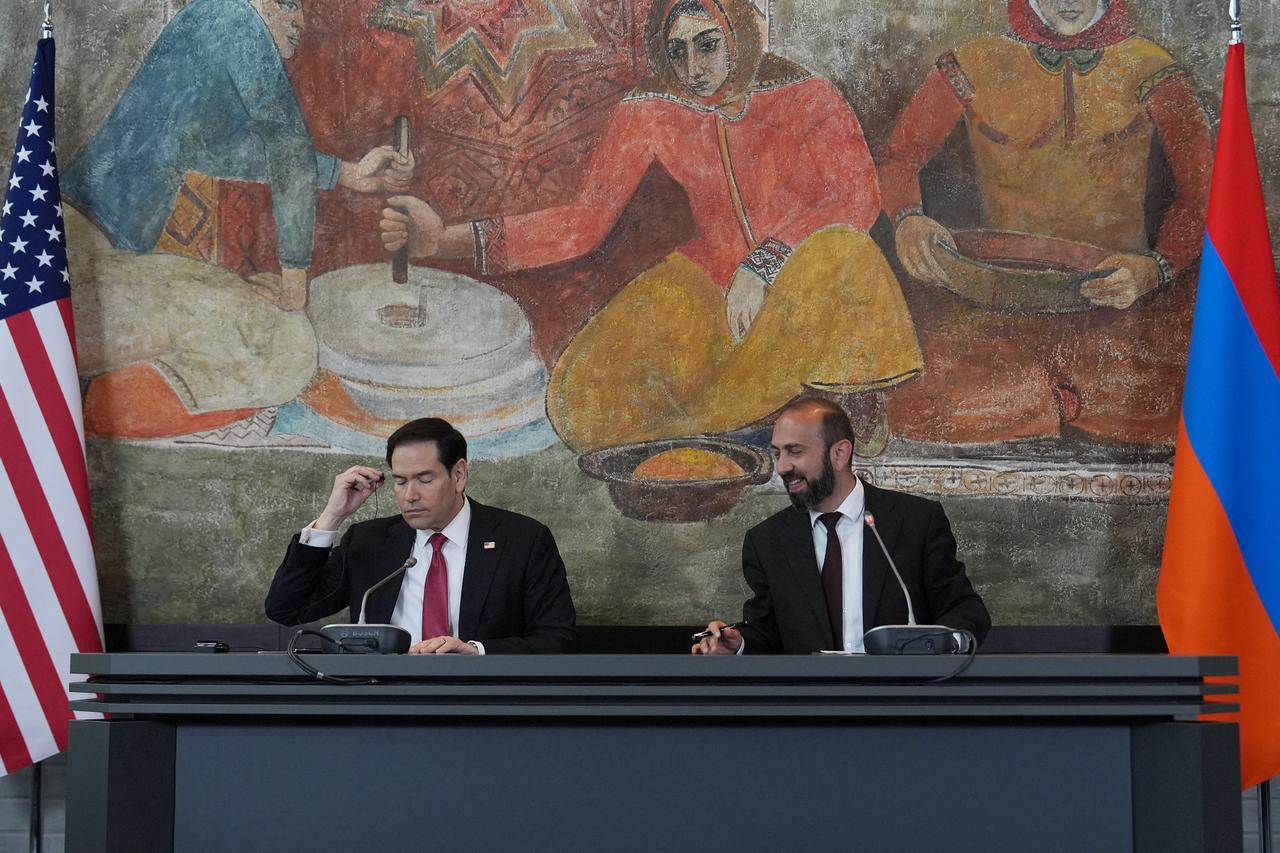


Secretary of State Marco Rubio touched down in the Armenian capital for a roughly 40-minute refuelling stop Monday, using the brief visit to deliver a pointed show of support for Prime Minister Nikol Pashinyan's government weeks before national elections and to sign a framework agreement advancing a major U.S.-backed infrastructure corridor through the South Caucasus.
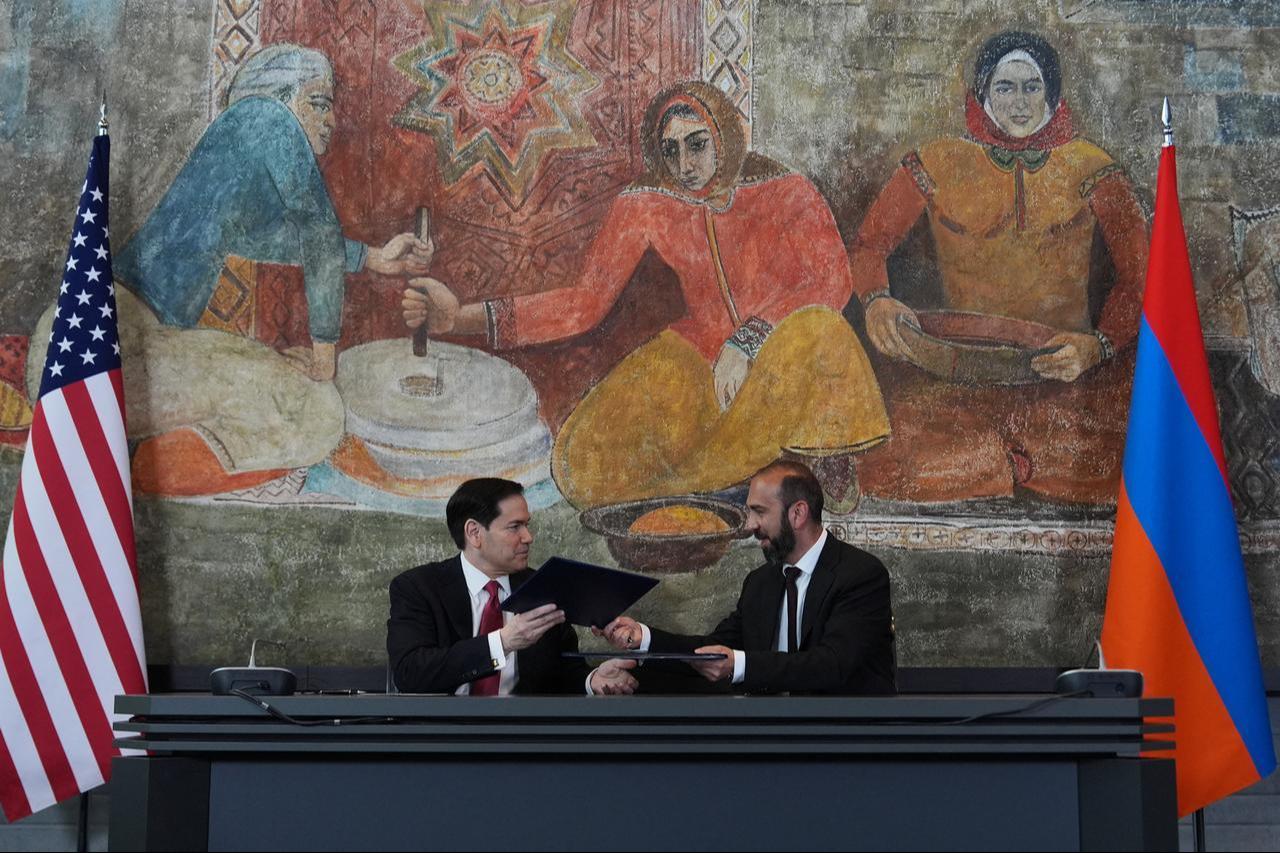
Rubio, returning from a four-day visit to India, met Armenian Foreign Minister Ararat Mirzoyan at Zvartnots International Airport, where the two officials signed three agreements covering the Trump Route for International Peace and Prosperity (TRIPP) corridor, a renewed strategic partnership charter and cooperation on critical minerals.
"Your entire team here in Armenia are blazing a trail toward a brighter and more independent future for Armenia," Rubio told Mirzoyan, adding that Washington was eager to "do even more together."
He described the occasion as an opportunity for the United States to demonstrate its support for Armenia's "courage, vision and dedication."
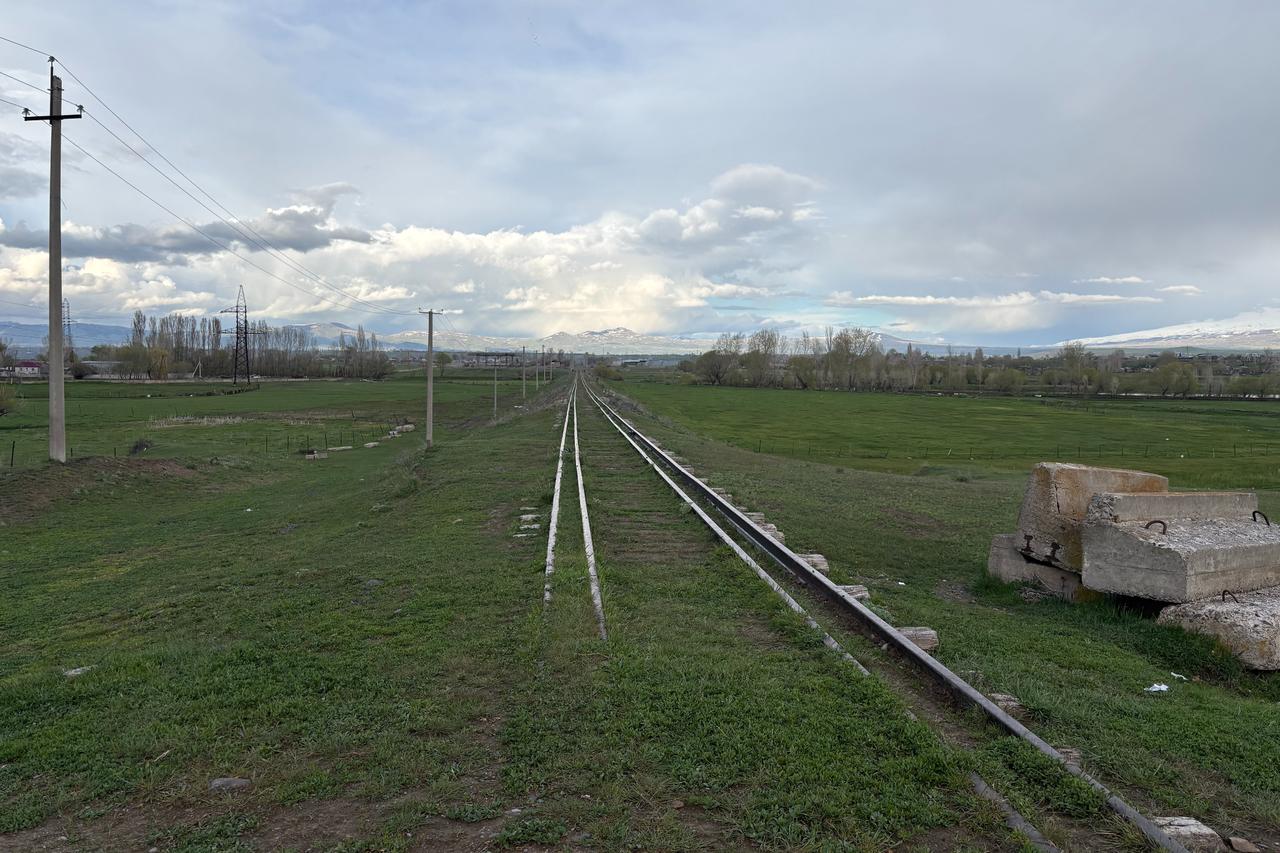
The centerpiece of the visit was the TRIPP framework agreement, which establishes the political and legal foundation for a joint venture to develop a 43-kilometer road and rail corridor through southern Armenia connecting Azerbaijan with its Nakhchivan exclave. Rubio called it "the biggest step to date" toward realizing the route.
The document, which was not released publicly, sets up an engineering survey and lays out the structure for a joint development company. Under a framework announced in January, the United States would hold a 74 percent share in a new TRIPP Development Company, with an explicit commitment to benefit American firms.
The TRIPP project traces its origins to a landmark agreement signed at the White House on August 8, 2025, when President Donald Trump witnessed Pashinyan and Azerbaijani President Ilham Aliyev sign a joint declaration ending decades of conflict over the Karabakh region. Construction on the corridor is expected to begin this year. A formal peace treaty between the two countries has not yet been signed.
Rubio also framed the minerals agreement in broad economic terms: "We are laying the groundwork for the sort of economic engagement that allows Armenians to make money and find prosperity, and Americans to do the same, and to do it together, which is one of the strongest ways to bind nations with one another," he said, adding that Washington was "always doing it in a way that respects your sovereignty as a nation."

Mirzoyan addressed concerns that neighboring Iran has raised about the corridor's security implications, specifically the possibility of third-party military forces being stationed along the route. He said those worries had been resolved.
"Our Iranian partners saw that there is no such plan in the signed document. All infrastructure will be under the sovereignty and jurisdiction of the Republic of Armenia, which excludes any third-party deployment," Mirzoyan said.
The Armenian foreign minister also argued that the project could work to Iran's advantage, noting that TRIPP would create a new rail link between the Persian Gulf and the Black Sea, giving Tehran access to regional markets through Armenian territory.
He added that some Russian officials had shown interest in the project as well, though Moscow has publicly warned it could raise energy prices for Yerevan if Armenia continues distancing itself from Russian-led integration structures.
Rubio's stop, the first by a U.S. secretary of state in Armenia since 2012, arrives as Pashinyan's government has accelerated its pivot toward the West, with elections approaching and allegations of Russian interference circulating. Armenia has frozen its membership in the Russian-led Collective Security Treaty Organization and has signaled interest in European Union accession, moves that have drawn Kremlin criticism.
The country had long been Moscow's closest ally in the South Caucasus before Azerbaijan's swift 2023 offensive retook the breakaway Karabakh region, a development Yerevan blamed in part on Russia's failure to intervene under its alliance obligations.
Mirzoyan said he hoped to see the newly signed agreements produce concrete results, calling them "truly beneficial for the Republic of Armenia."


 Set as preferred source
 Set as preferred source


 1 min read
 1 min read