Newsletters


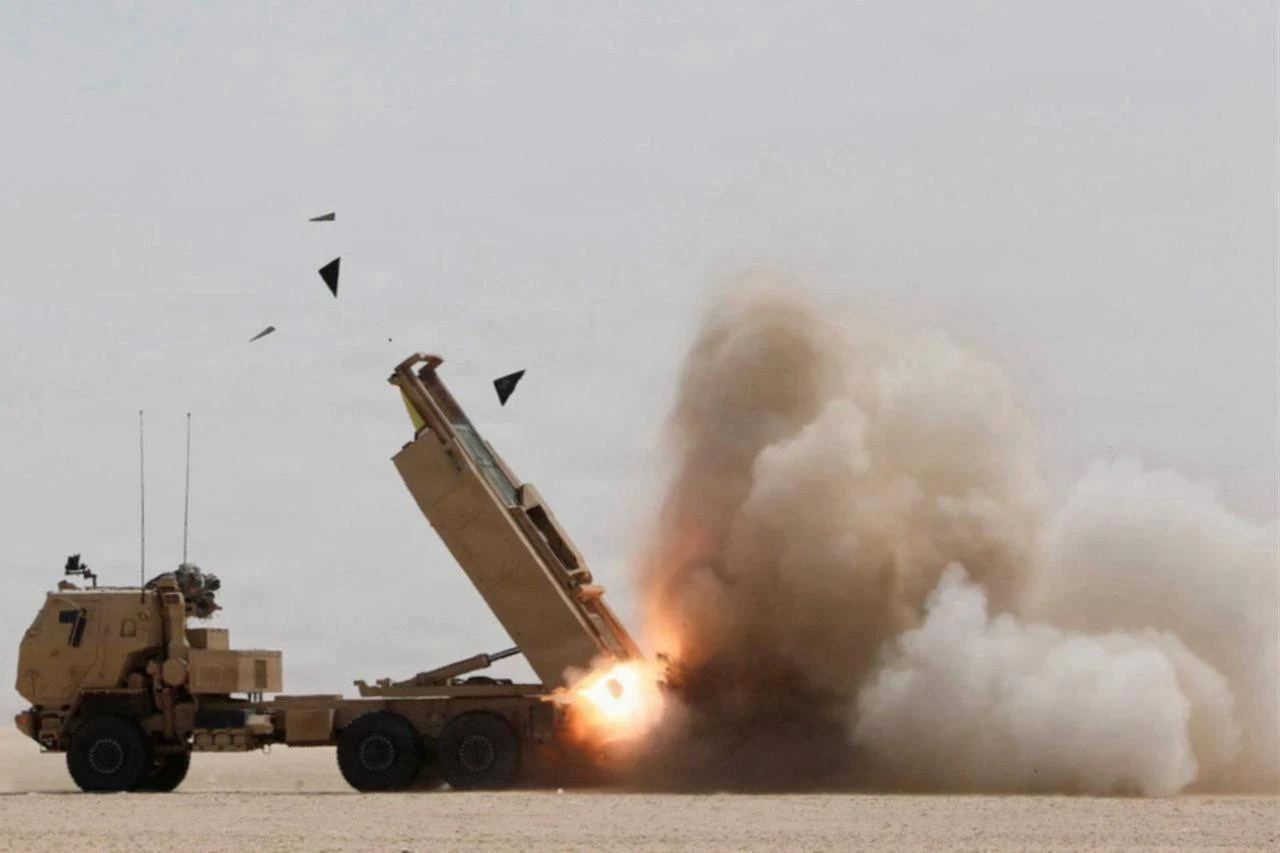


Moscow vowed retaliatory action Friday after claiming its air defenses intercepted a sweeping combined attack launched by Ukraine in the early hours of July 4, 2026, involving long-range cruise missiles, American-supplied rocket artillery and hundreds of drones targeting Russian territory.
The Russian Ministry of Defense said its forces shot down more than 500 aerial targets overnight, framing the Ukrainian operation as a failed bid by President Volodymyr Zelenskyy to deflect domestic and international attention from what Moscow described as its own successful strike two days earlier.
According to the ministry, air defense units brought down 10 "Flamingo" long-range cruise missiles, 9 U.S.-made HIMARS rockets in the Belgorod region, and 494 long-range drones.
The ministry said the intercepts were conducted under unified command of Russia's Aerospace Forces across multiple layered air defense lines, crediting fighter and army aviation crews alongside missile units and mobile fire groups.
Ukraine did not immediately confirm or comment on the claimed attack figures.
The Russian military portrayed the overnight operation as a deliberate distraction by Kyiv, alleging that Ukrainian forces had suffered a significant defensive collapse in Kostiantynivka in the Donetsk People's Republic, and that the July 2 Russian strike on military facilities near Kyiv had rattled the Zelenskyy government.
Russia regularly frames Ukrainian cross-border strikes in political terms, a pattern that has intensified as ground fighting in eastern Ukraine has continued.
The ministry said Russian forces destroyed approximately 13,000 aerial targets over Russian regions during June alone, and alleged that the weapons involved were manufactured and launched with the support of military agencies and specialists from most European countries, including the United Kingdom, as well as other backers of what it called "the Kyiv regime."
In a closing warning, the ministry stated that Zelenskyy's attempt to damage civilian infrastructure in Russia "will not go unanswered."
Western governments and Kyiv have consistently rejected Russian characterizations of the conflict's trajectory, and independent verification of battlefield and air defense claims from either side remains difficult.


 Set as preferred source
 Set as preferred source


 1 min read
 1 min read