Newsletters


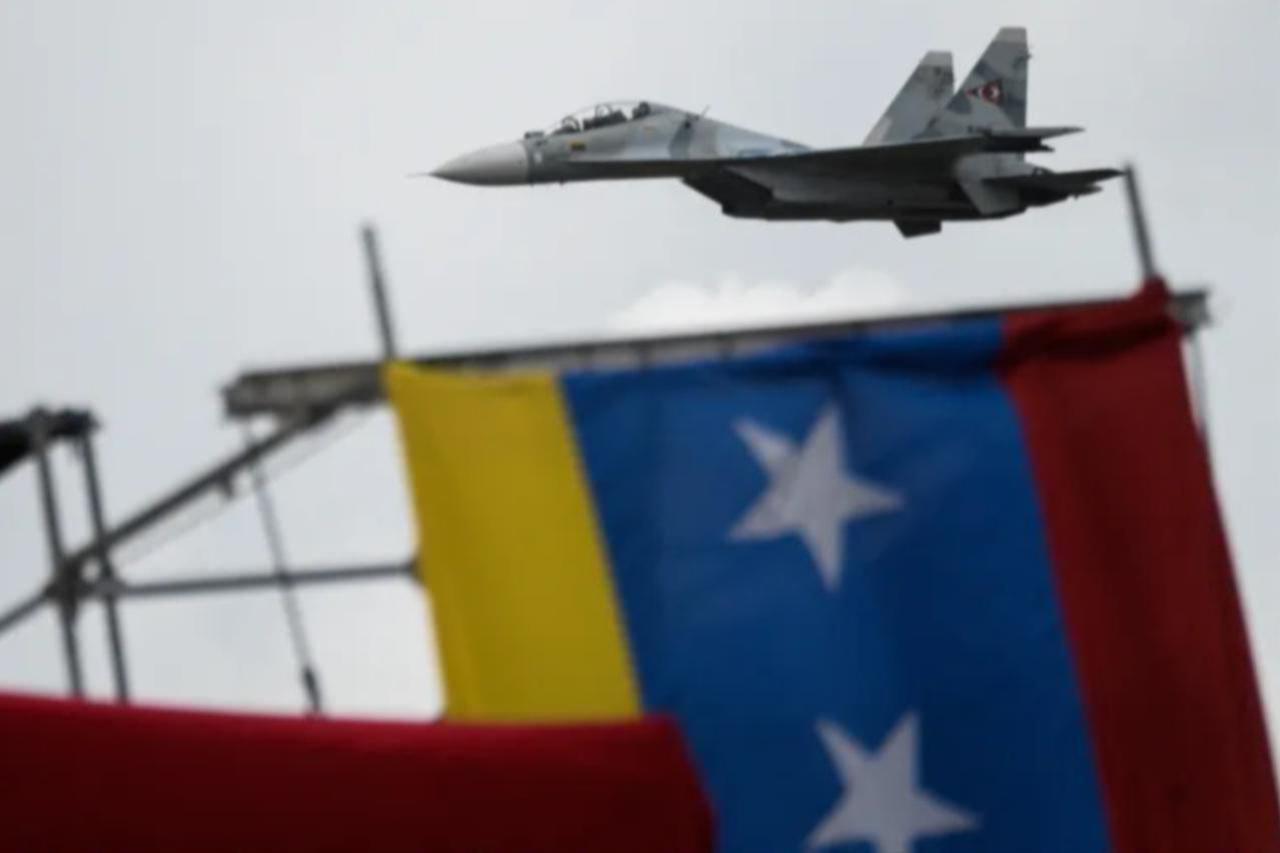


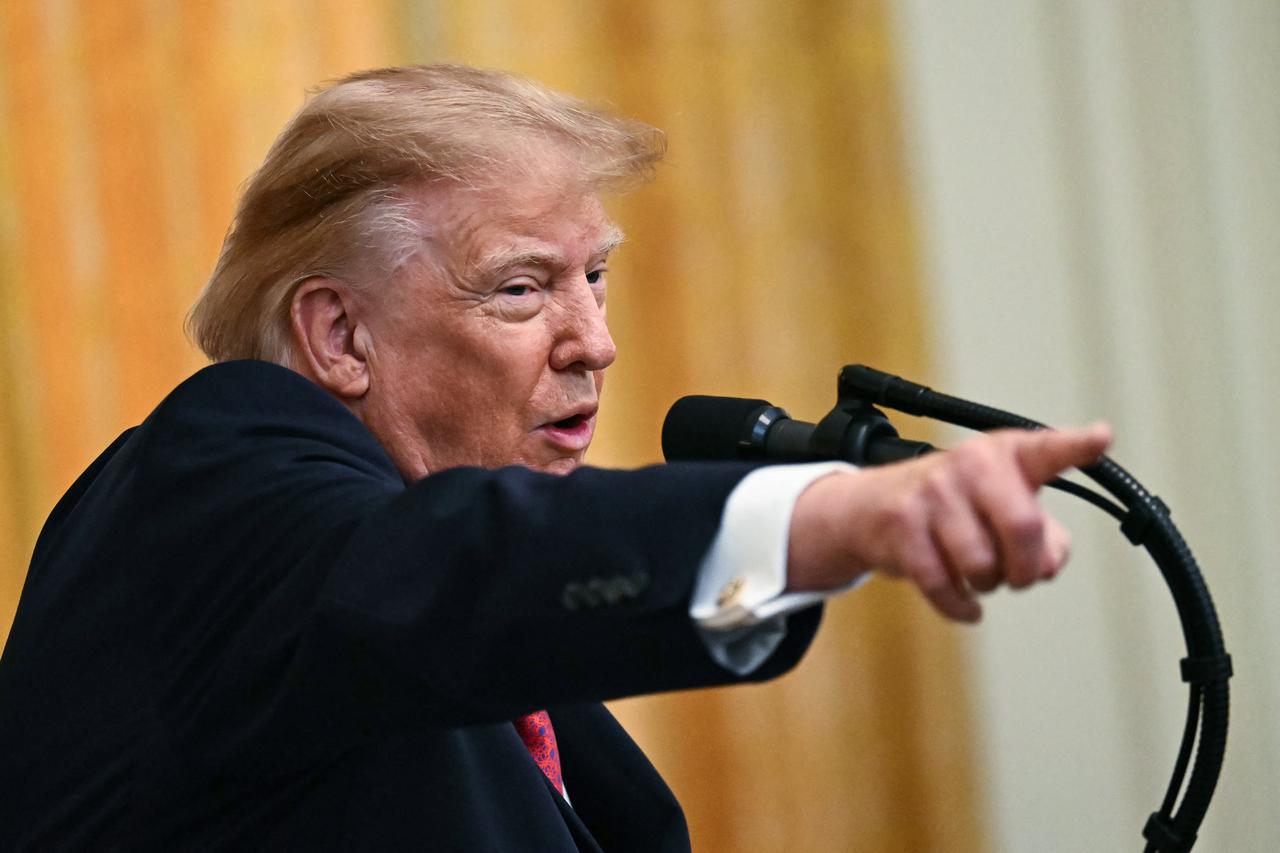
Russia's Foreign Ministry has begun evacuating the families of diplomats from Venezuela, a European intelligence official told AP on Monday, as the United States pursues its third sanctioned oil tanker in the Caribbean and President Donald Trump convenes senior national security officials at his Mar-a-Lago resort.
The evacuations, which started Friday and include women and children, come as Russian officials assess the situation in Venezuela in what the intelligence source described as "very grim tones." The withdrawals signal heightened concerns about stability in the South American nation as the Trump administration escalates its four-month pressure campaign against President Nicolas Maduro's government.
More than 10 vehicles bearing diplomatic license plates stood outside Russia's embassy in Caracas Monday morning, though no personnel were visible entering or exiting the compound. The vehicles had departed by early afternoon. Neither the White House nor the Kremlin responded to requests for comment.
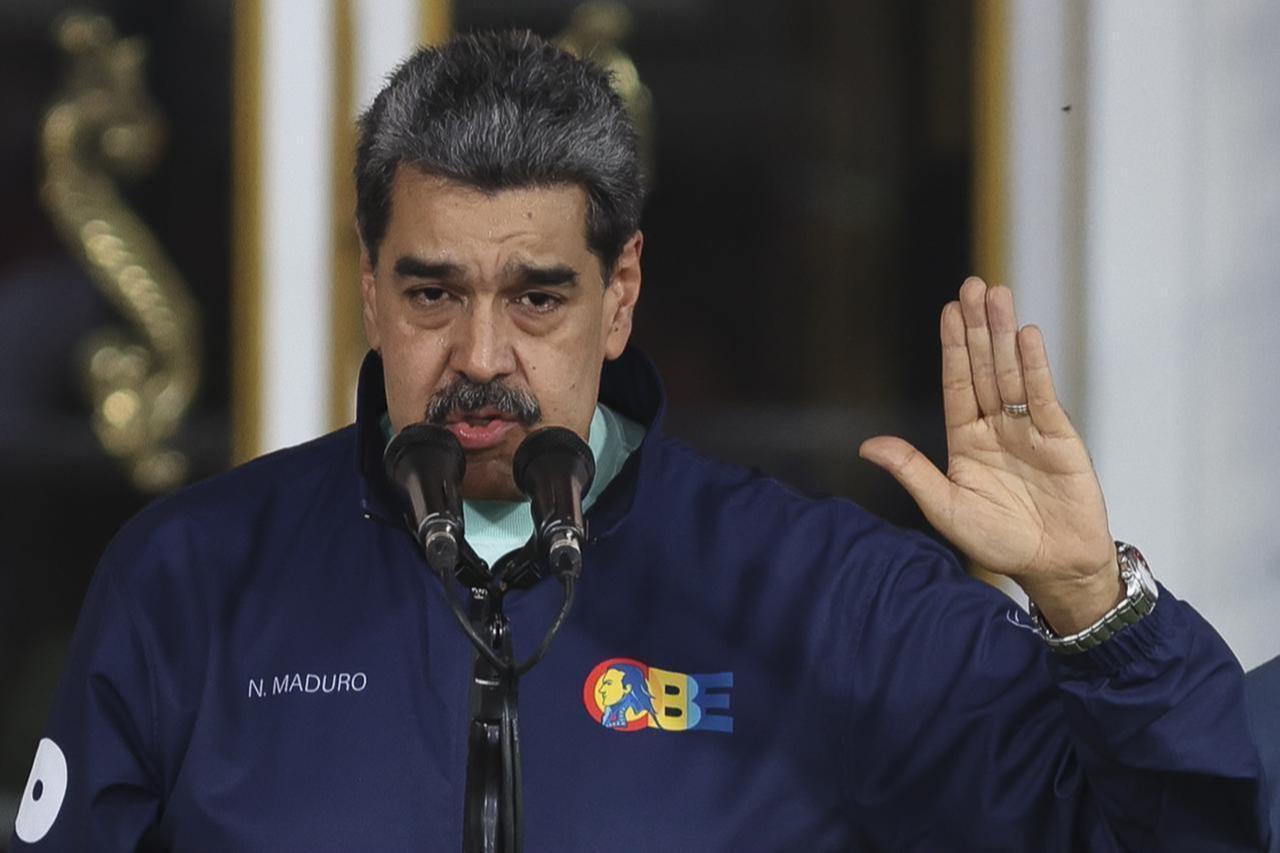
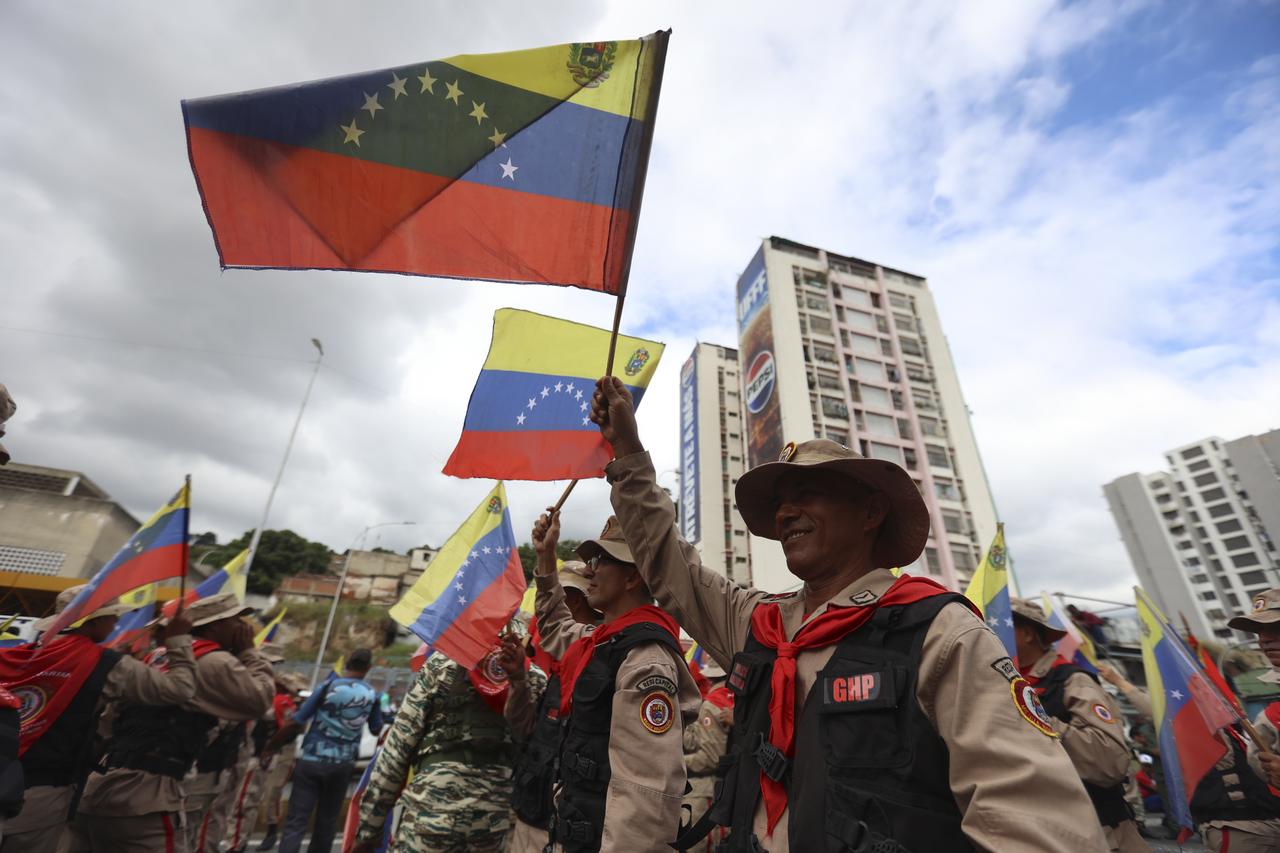
Venezuelan Foreign Minister Yvan Gil said Monday he spoke by telephone with Russian Foreign Minister Sergey Lavrov, who expressed Moscow's support against Trump's declared blockade. Gil accused Washington of committing "attacks against vessels and extrajudicial executions, and the unlawful acts of piracy" in the Caribbean.

In a statement made by the Russian Foreign Ministry, it was said, "The information published by the Associated Press (AP) claiming that Russia's embassy in Venezuela has been evacuated is false."
The statement also noted, "We hope that the Trump administration, which has a pragmatic approach, will not make a fatal mistake."
It further added, "Venezuela is a friendly country to Russia, and Moscow hopes that the US will not enter into a situation that would lead to unforeseeable consequences for the entire Western Hemisphere."
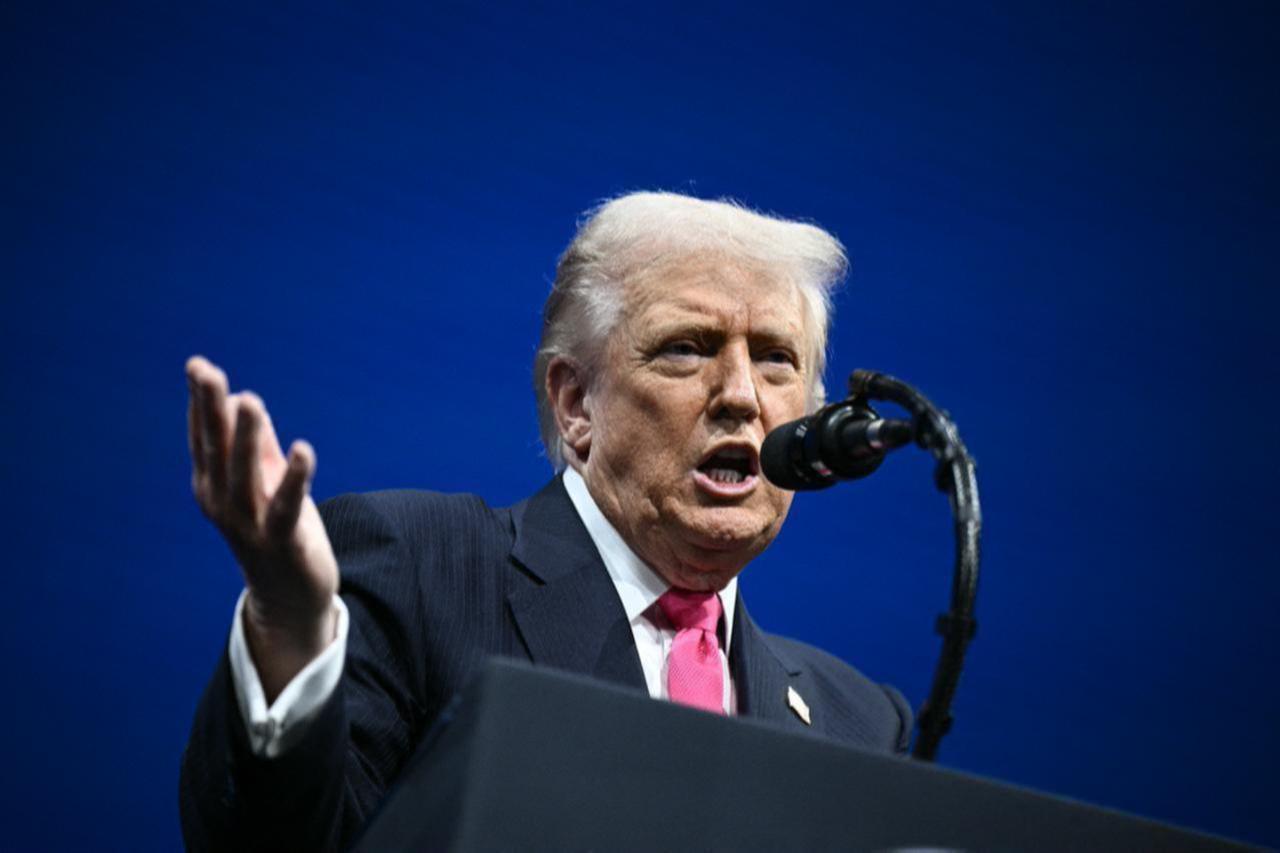
Trump's meeting with Secretary of State Marco Rubio, Defense Secretary Pete Hegseth and Navy Secretary John Phelan comes as Coast Guard vessels continue tracking sanctioned tankers in Caribbean waters. The White House characterized the gathering as preparation for a "major announcement," with a White House official saying Trump planned to discuss a shipbuilding initiative.
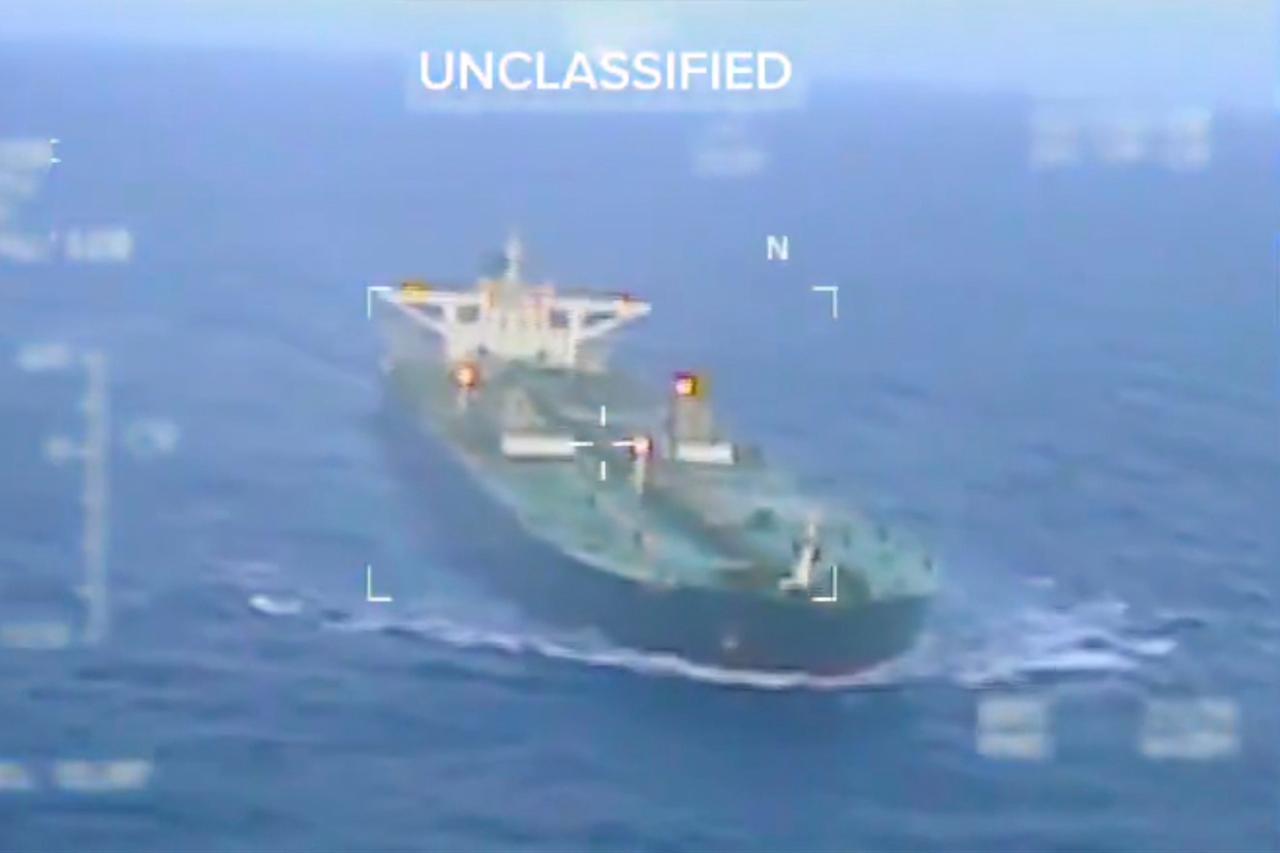
Coast Guard cutters on Monday pursued for a second consecutive day a sanctioned tanker that officials describe as operating under a false flag and subject to a US judicial seizure order. The vessel is the third targeted in recent days as part of what the Trump administration calls Venezuela's "dark fleet" — ships used to evade US sanctions on oil exports.
On Saturday, Coast Guard personnel seized the Panama-flagged tanker Centuries, following the December 10 interdiction of another Panama-registered vessel, the Skipper. Both ships allegedly participated in transporting sanctioned Venezuelan crude oil through international waters.
While US forces operated in international waters, a tanker identified by Transparencia Venezuela, an independent government watchdog, as part of the shadow fleet was observed moving between Venezuelan refineries, including a facility in El Palito, roughly three hours west of Caracas.
The vessel remained docked at the refinery through Sunday, as families visited the adjacent beach during the school holiday break. Manuel Salazar, who has worked parking cars at the beach for more than three decades, noted stark contrasts with earlier years when Venezuela's oil-dependent economy produced at least double the current 1 million barrels per day.
"Up to nine or 10 tankers would wait out there in the bay. One would leave, another would come in," said Salazar, 68. "Now, look, one."
Beach visitors recalled how tankers would sound their horns at midnight on New Year's Eve and launch fireworks to mark the holiday — traditions that have faded as the country's energy sector contracted.
"Before, during vacations, they'd have barbecues; now all you see is bread with bologna," Salazar said, referring to Venezuelan families at the beach. "Things are expensive. Food prices keep going up and up every day."
The tanker interdictions represent one front in Trump's broader campaign targeting Venezuelan-linked vessels. The Defense Department has conducted 28 strikes since early September on smaller boats in the Caribbean and eastern Pacific Ocean that officials allege transport narcotics to the United States.
At least 104 people have died in those operations, which have drawn scrutiny from US lawmakers and human rights activists. Critics contend the administration has provided minimal evidence that targeted vessels were engaged in drug trafficking, characterizing the fatal strikes as extrajudicial killings.
Trump launched the pressure campaign with stated goals of reducing illegal drug flows from Venezuela but has since expanded the objectives. Last week, he demanded that Maduro's government return assets it seized from US oil companies years ago, citing this as additional justification for the blockade announcement.
Homeland Security Secretary Kristi Noem, whose department oversees the Coast Guard, said Monday the tanker operations aim to send "a message around the world that the illegal activity that Maduro is participating in cannot stand, he needs to be gone, and that we will stand up for our people."
Trump has repeatedly stated that Maduro's tenure in power is nearing its end, though the Venezuelan leader has maintained control despite international pressure and domestic economic challenges.


 Set as preferred source
 Set as preferred source


 1 min read

 1 min read