Newsletters


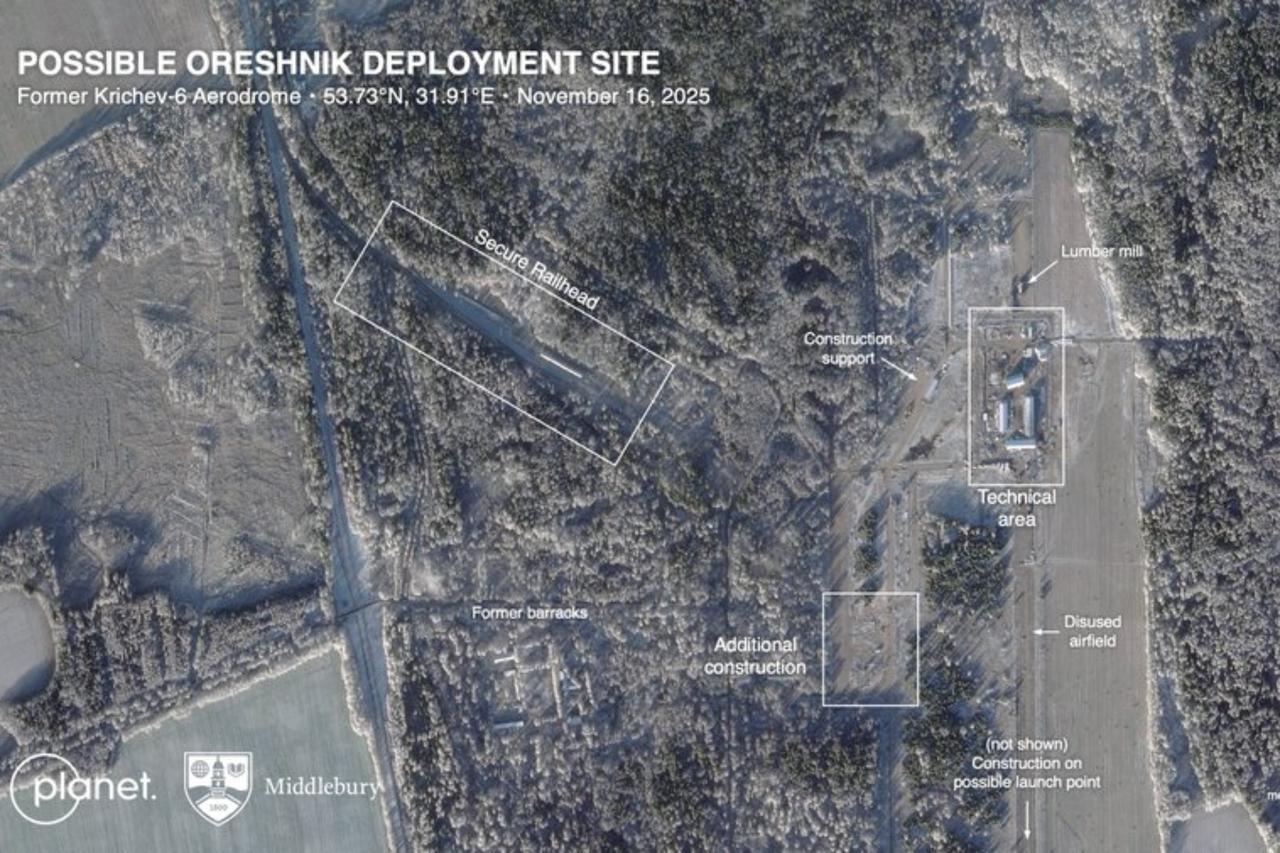


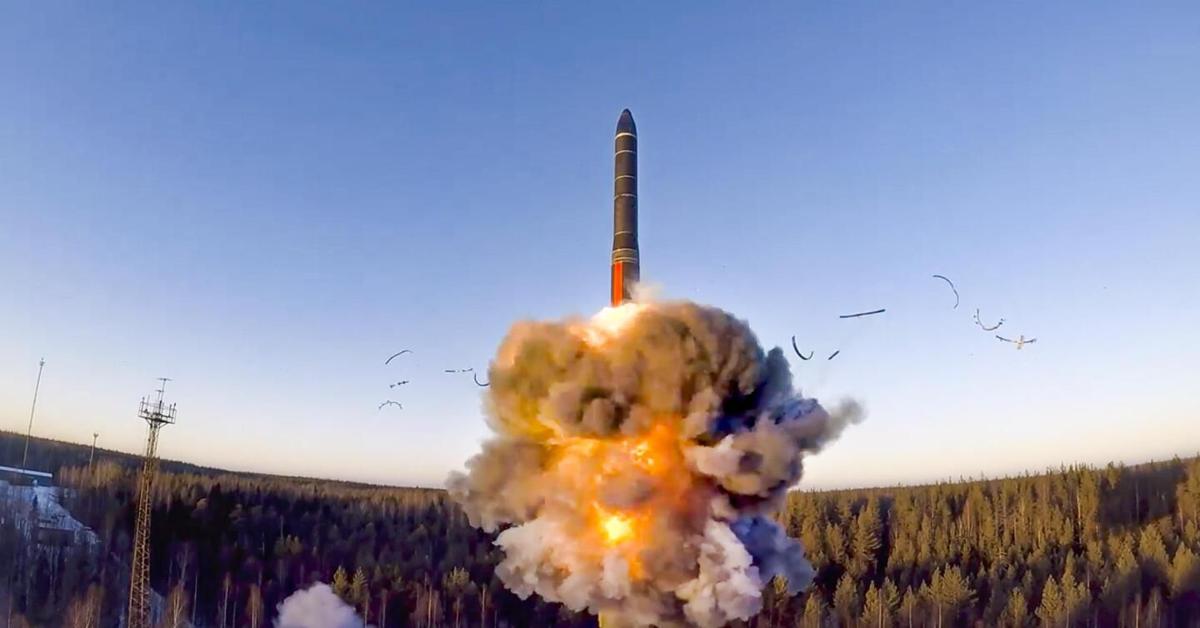
Russia has begun deploying nuclear-capable hypersonic Oreshnik missiles in neighboring Belarus, according to satellite imagery analyzed by U.S. researchers, marking a significant shift in Moscow’s nuclear posture as the New START treaty nears expiration.
Researchers studying commercial satellite images said the missiles are likely being stationed at a former military airbase near the city of Krichev in eastern Belarus, about 307 kilometers (190.7 miles) east of Minsk and 478 kilometers southwest of Moscow.
The analysts assessed with around 90% certainty that mobile Oreshnik launchers would be placed at the site.
The findings are based on imagery from Planet Labs showing features consistent with a Russian strategic missile base, including rapid construction activity, a rail transfer point suitable for missile delivery, and a concrete pad believed to be a camouflaged launch area.
Russian President Vladimir Putin has previously announced plans to deploy the intermediate-range Oreshnik missiles in Belarus but had not disclosed their exact location.
The satellite analysis provides the first indication of where the deployment may be taking place.
The Oreshnik missile, capable of carrying a nuclear warhead, has an estimated range of up to 5,500 kilometers.
Putin has claimed the missile is impossible to intercept due to its reported speed exceeding Mach 10.
Russia tested a conventionally armed version of the missile against a target in Ukraine in November 2024.
The deployment comes just weeks before the expiration of the 2010 New START agreement, the last remaining treaty limiting U.S. and Russian strategic nuclear weapons.
It also represents Russia’s first known deployment of nuclear weapons outside its own territory since the Cold War.
Belarusian President Alexander Lukashenko said last week that the first missiles had already been deployed, without specifying their location.
He previously stated that up to 10 Oreshnik missiles could be based in Belarus, though researchers said the Krichev site appears large enough to host only a few launchers.
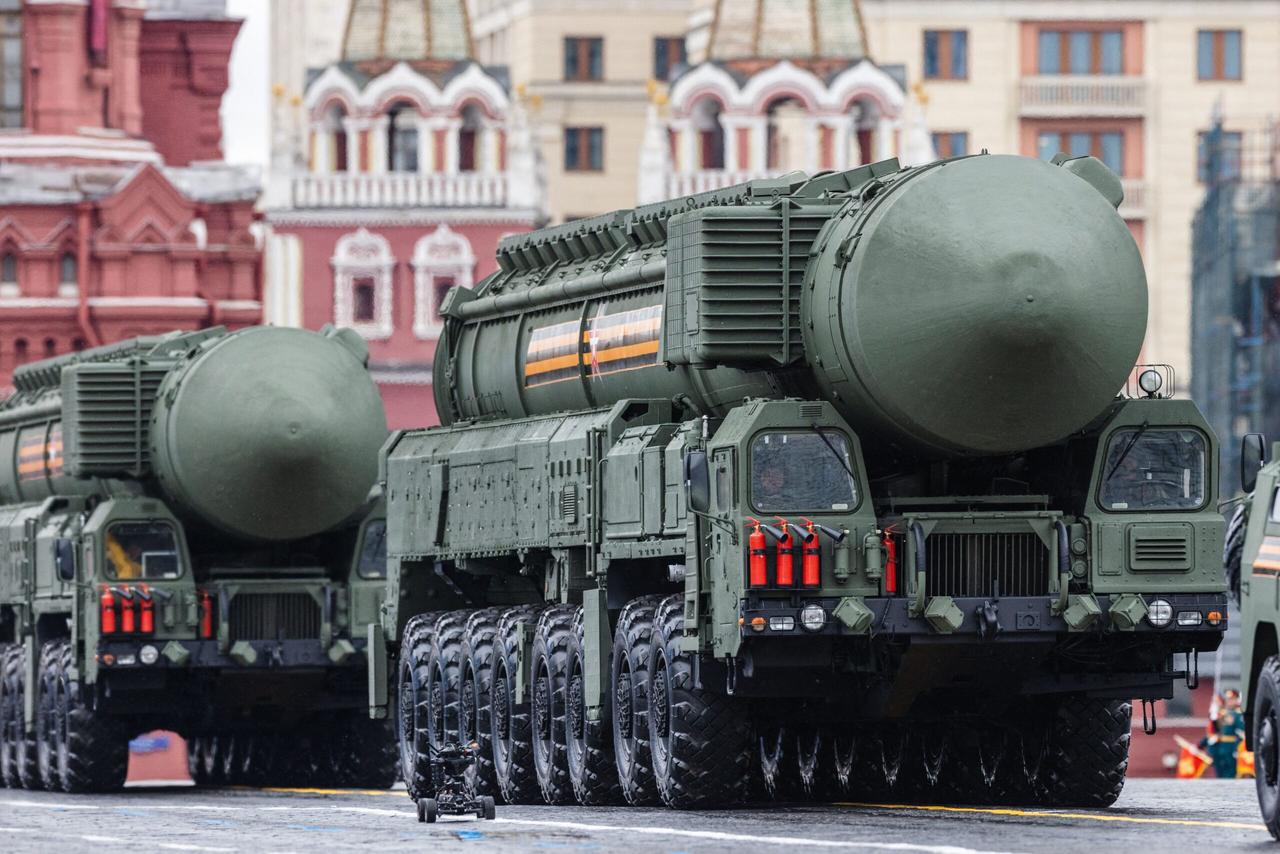

Belarus’ Defense Minister Viktor Khrenin said the deployment would not change the balance of power in Europe, describing it as a response to what he called Western “aggressive actions.”
The Belarusian and Russian embassies declined to comment further.
Some experts said the move underscores Russia’s growing reliance on nuclear signaling to deter NATO countries from supplying weapons to Ukraine.
Others questioned its military value, arguing that the deployment is primarily political.
The development follows announcements that the United States plans to station conventional missiles in Germany, a move some analysts believe Moscow is responding to by extending its nuclear reach deeper into Europe.


 Set as preferred source
 Set as preferred source


 1 min read
 1 min read