Newsletters


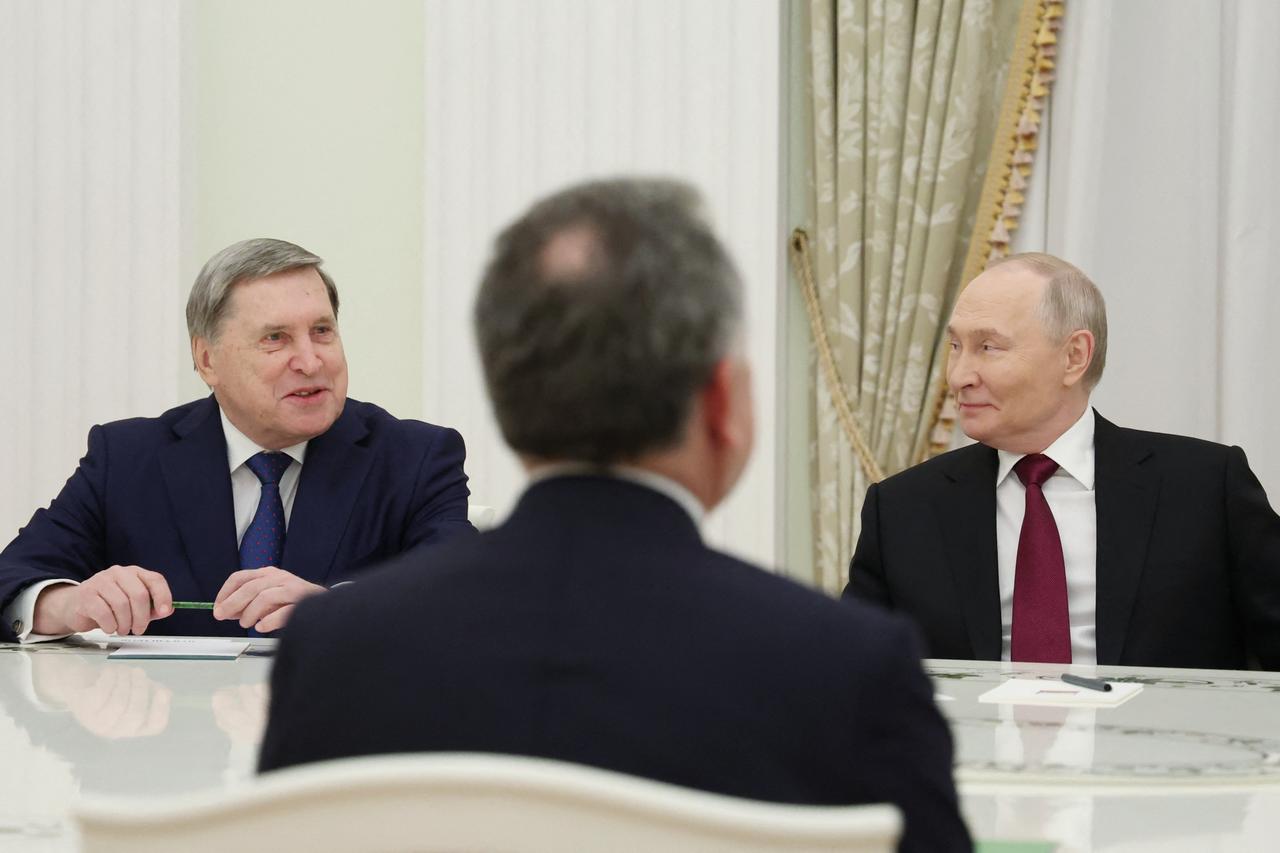


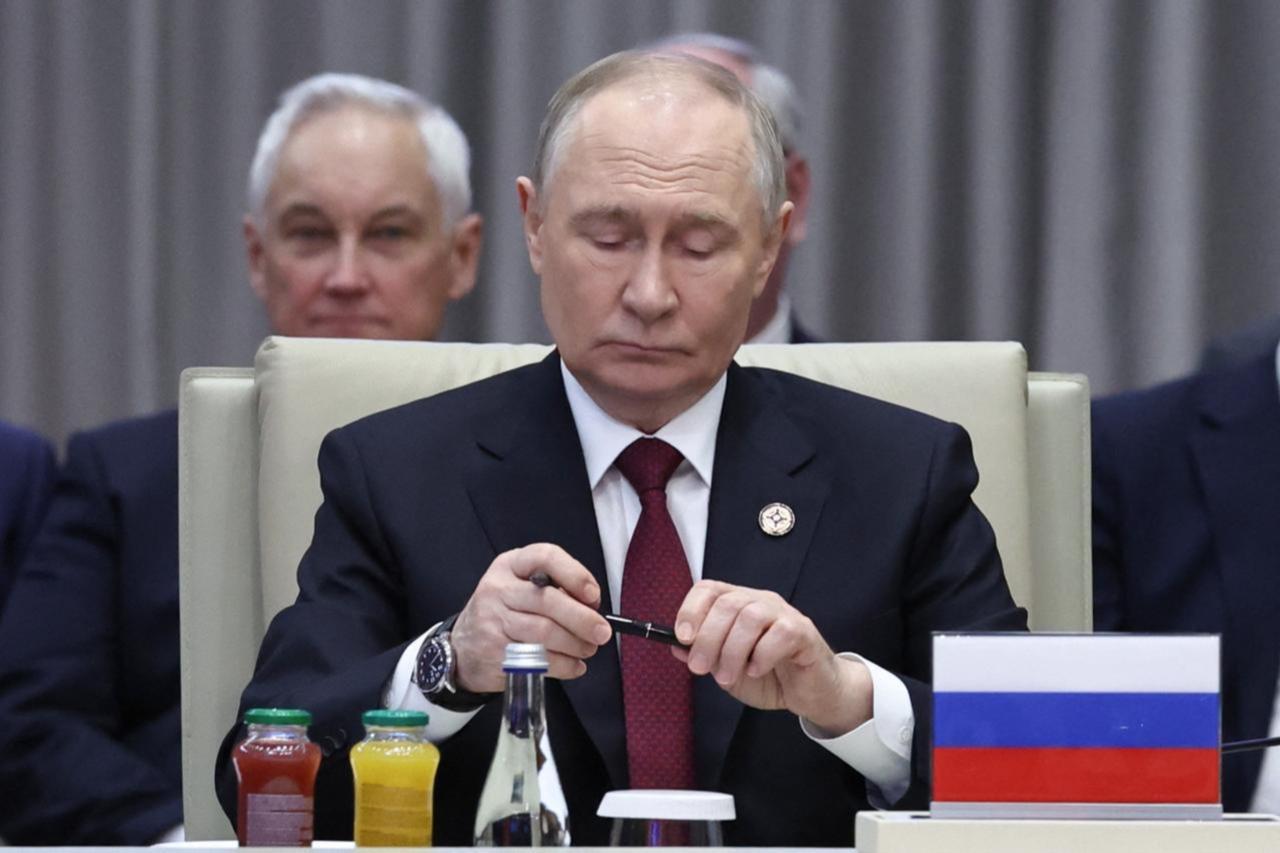
Russia could accept some elements of the US peace plan for Ukraine while rejecting others, a senior Kremlin official said early Wednesday, indicating significant hurdles remain despite marathon talks between President Vladimir Putin and envoys from the Trump administration.
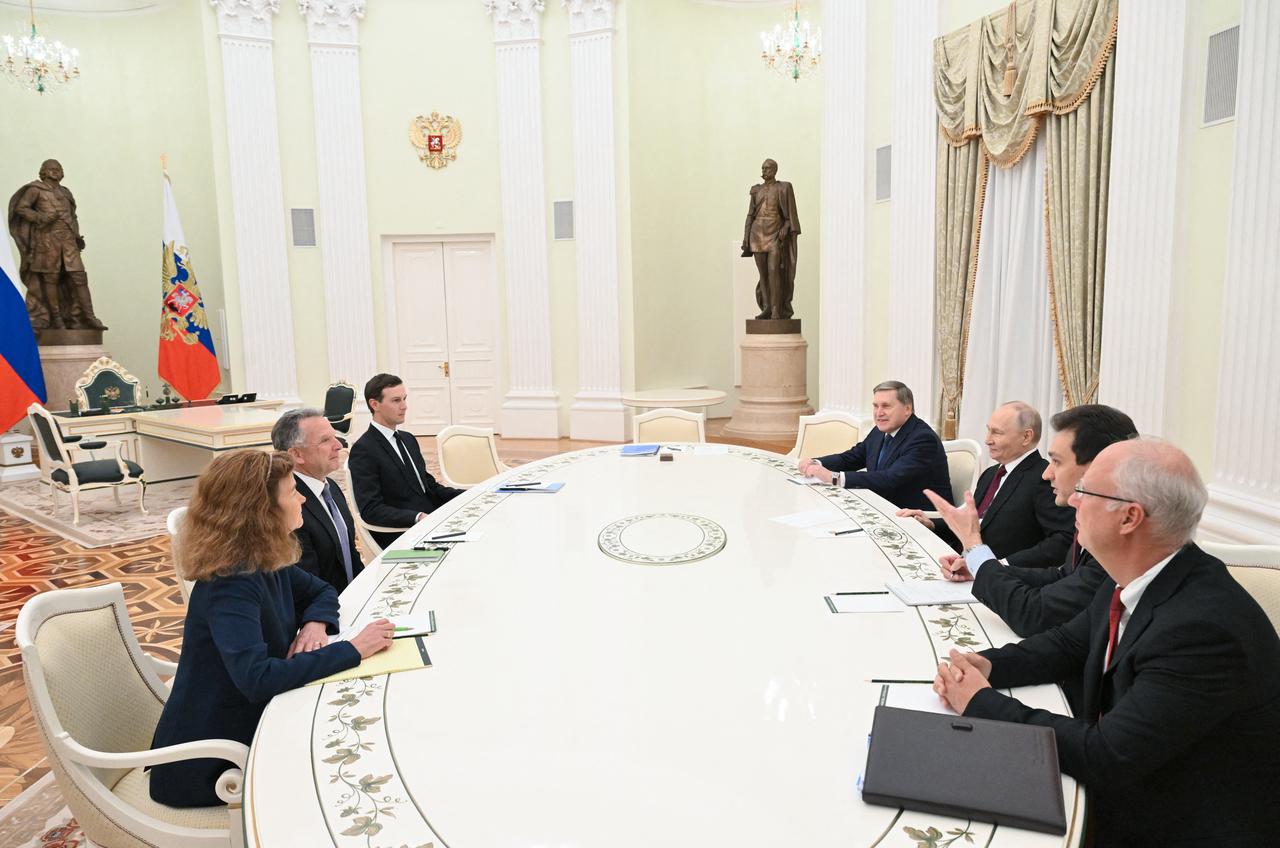
Putin aide Yuri Ushakov told reporters that Moscow has received four new documents from Washington beyond the original 28-point proposal that sparked controversy last month, but emphasized that no compromise plan has yet emerged from the negotiations. His comments offered the first substantive Russian readout following the roughly five-hour Kremlin meeting with Jared Kushner, Trump's son-in-law and senior adviser, and special envoy Steve Witkoff.
"Some US proposals are acceptable to Russia, others are not," Ushakov said, without elaborating on which specific elements Putin found agreeable or objectionable. The aide's measured response suggests the diplomatic process faces a complex path forward as Moscow continues its military offensive in Ukraine.
Kirill Dmitriev, Putin's business envoy who participated in the discussions, described the meeting as "productive" in a post on X, sharing a photograph from inside the Kremlin. The US side offered no immediate public statement following the conclusion of talks.

The American delegation is expected to brief Ukrainian President Volodymyr Zelenskyy on the Moscow discussions as soon as Wednesday, potentially in Brussels, according to multiple reports. Axios reported that Witkoff and Kushner plan to provide Kyiv with an update on their conversations with Putin and Russian officials.
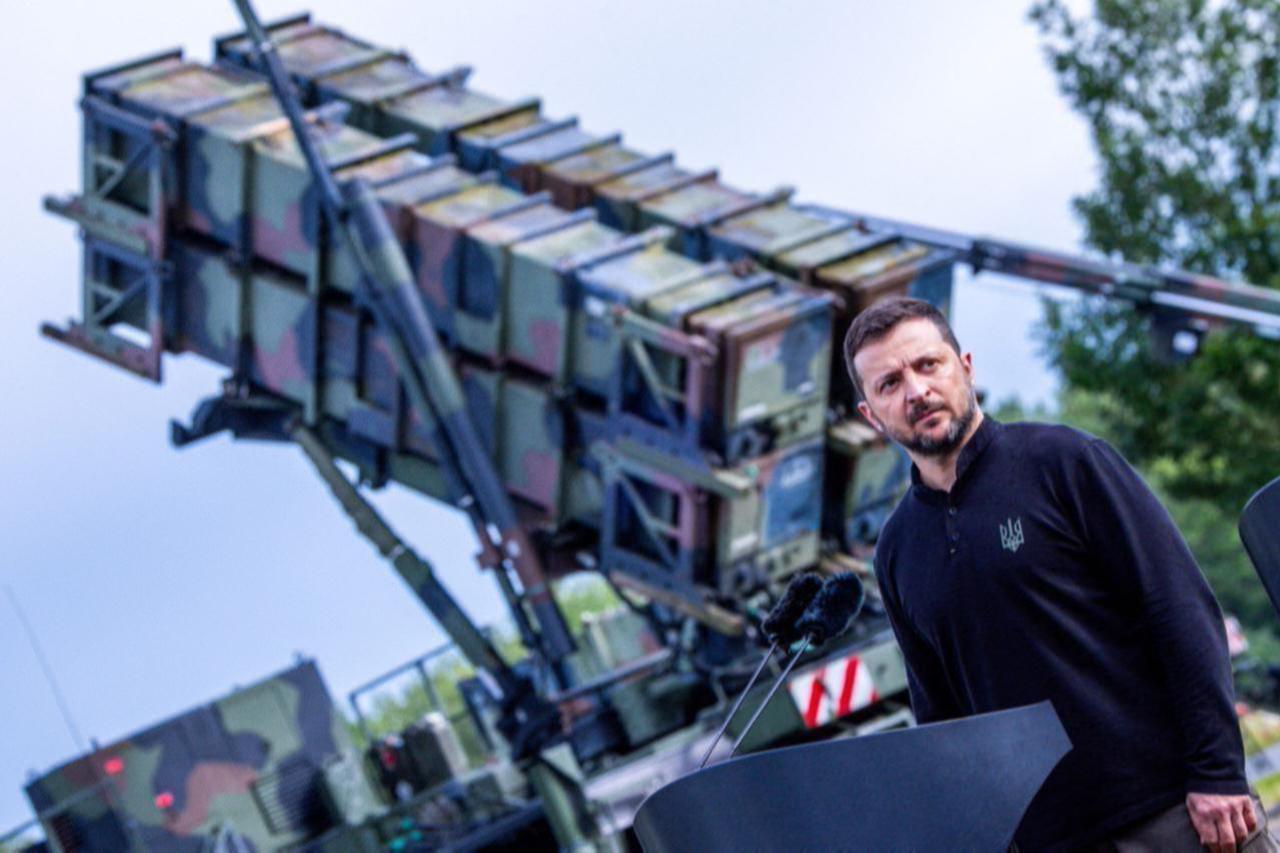
A senior Ukrainian official confirmed to AFP that the US wanted to give an update "directly to us after their meeting." Zelenskyy, speaking during a visit to Ireland where he sought to shore up European support, said his government anticipates hearing details of the negotiations.
The meeting represents a pivotal moment in Trump's efforts to broker an end to the nearly four-year conflict that has killed tens of thousands and displaced millions. However, the existence of multiple documents and Russia's partial rejection of US proposals underscores the significant gaps that remain between the parties.
"Our people are over in Russia right now to see if we can get it settled," Trump told reporters during a cabinet meeting at the White House. "Not an easy situation, let me tell you. What a mess."
The negotiations have centered on a substantially reworked version of what began as a 28-point peace proposal revealed last month. That original plan drew sharp criticism from Ukraine and European capitals for appearing to make significant concessions to Russian demands, prompting accusations that Moscow had influenced its drafting, which Washington denied.
US negotiators have since revised the proposal after consultations with Kyiv and European partners, focusing primarily on defining a de facto border under a potential ceasefire arrangement. The revelation that Moscow now has four additional documents suggests the diplomatic effort has become more complex and multifaceted than the single proposal initially discussed.
Zelenskyy has insisted that any agreement must permanently end hostilities rather than simply freeze the conflict along current lines. In a social media post Monday, the Ukrainian president emphasized the need for transparency in negotiations.
"What matters is that everything is fair and transparent. That there are no games played behind Ukraine's back. That nothing is decided without Ukraine, about us, about our future," he wrote, adding that "there will be no simple solutions."
Zelenskyy identified territorial questions, frozen Russian assets, and security guarantees as the most difficult issues in potential negotiations.
 1 min read
Putin sent a decidedly hawkish signal just before the US envoys arrived, declaring that Russia's recent capture of Pokrovsk in eastern Ukraine provided a "good foothold for solving all the tasks set at the beginning of the special military operation," the Kremlin's official term for the war it launched in Feb. 2022.
The Russian leader also accused European nations of sabotaging peace efforts, claiming that European modifications to Trump's proposal were "aimed solely at one thing, to completely block the entire peace process and put forward demands that are absolutely unacceptable for Russia."
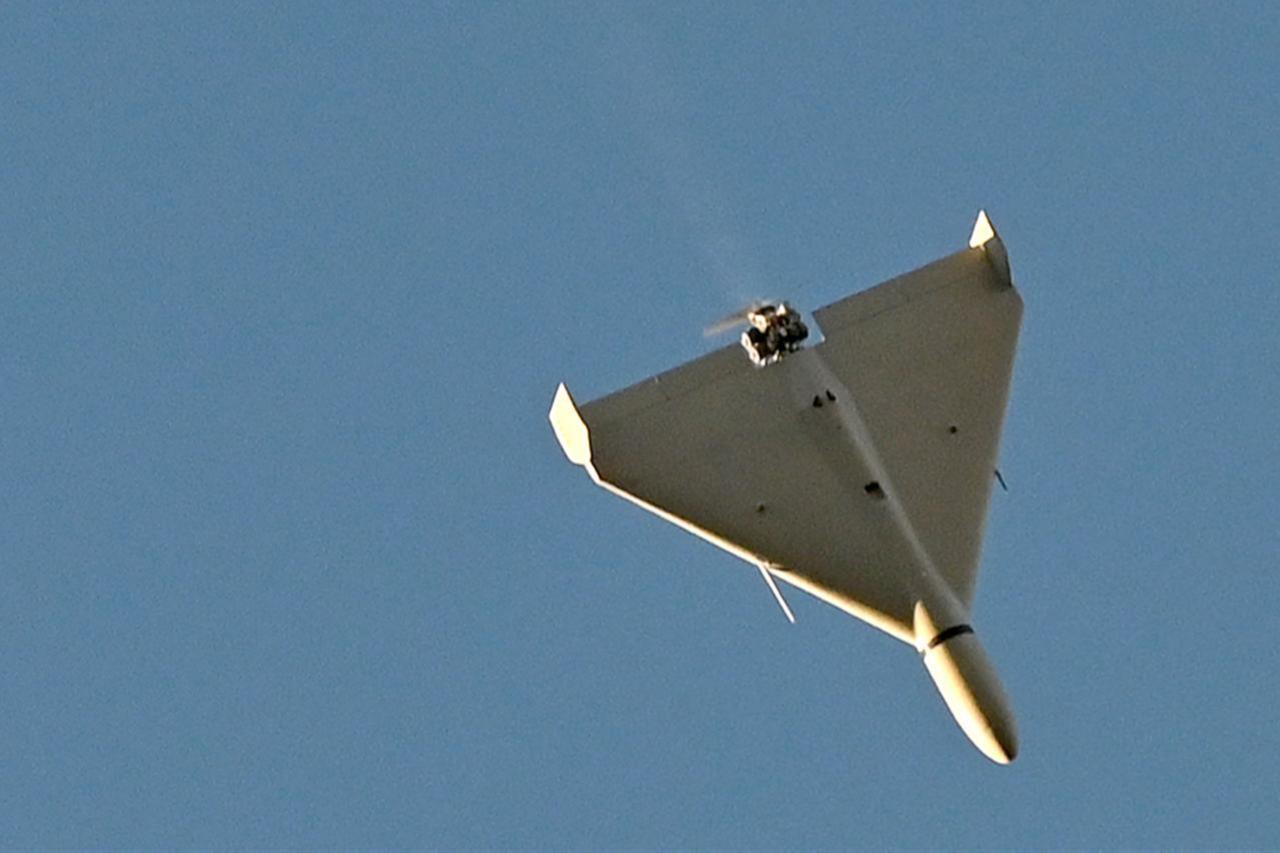
The diplomatic push comes as Kyiv faces mounting military and political pressures. Russian forces made their fastest territorial gains in November since the war's early months, advancing steadily in eastern Ukraine. Moscow has simultaneously escalated drone and missile strikes on Ukrainian infrastructure in recent weeks, leaving hundreds of thousands without electricity and heating.
Putin has consistently demanded that Ukraine cede territory that Moscow claims as its own and rejected any proposal for a European peacekeeping force to monitor a potential truce. The Russian president's maximalist positions have fueled European concerns that Washington might negotiate a deal that forces Kyiv into unfair concessions or excludes Europe from critical decisions about the continent's security architecture.
Tuesday's meeting marked the first time Kushner, who also helped broker the recent Israel-Hamas ceasefire in Gaza, has participated in face-to-face talks with Putin on the Ukraine conflict.
Witkoff has met with the Russian leader on multiple occasions. Bloomberg previously reported on an audio recording showing Witkoff helping coach Russian officials on how Putin should communicate with Trump.


 Set as preferred source
 Set as preferred source



 1 min read