Newsletters


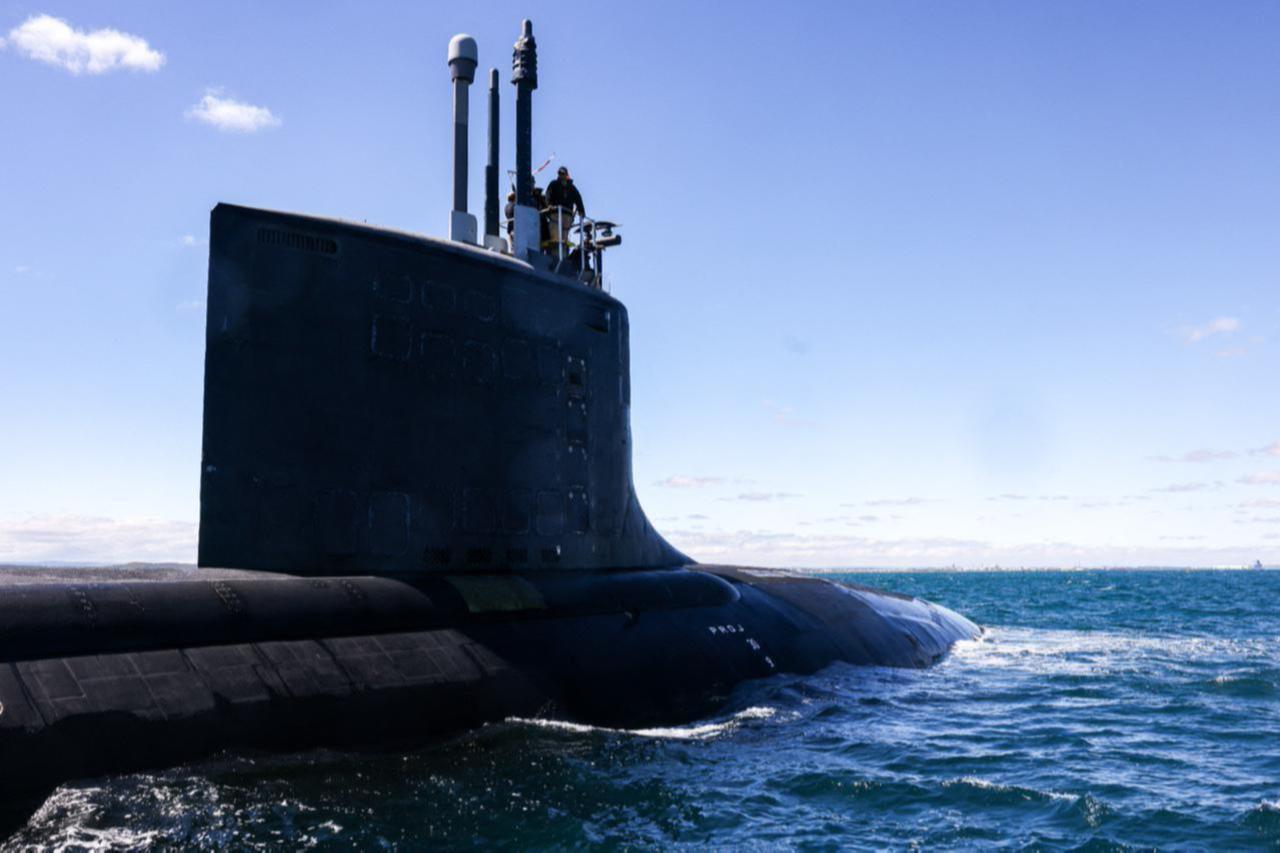


Russian Security Council Secretary Sergey Shoygu warned Wednesday that nuclear weapons could eventually be positioned on Australian soil as a direct consequence of Canberra's membership in the AUKUS trilateral security pact, while also raising alarm over Washington's rejection of Moscow's proposals to preserve limits on strategic nuclear arsenals after the collapse of the last arms control treaty between the two powers.
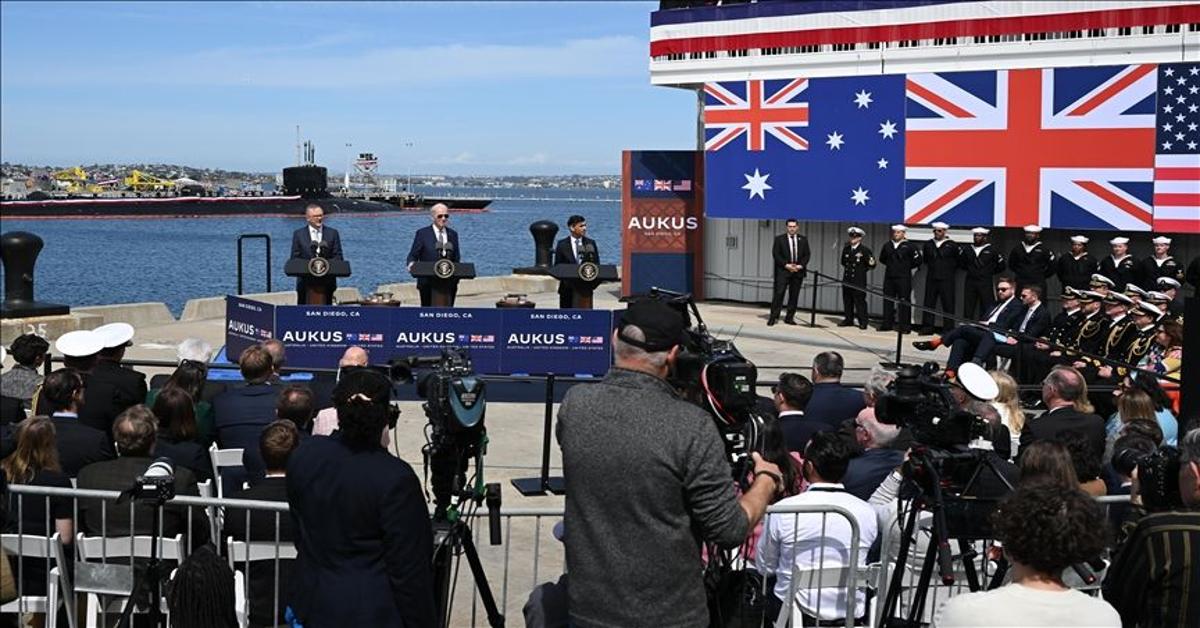
Speaking at the sixth round of Russia-ASEAN consultations on security, held on the sidelines of the International Security Forum outside Moscow, Shoygu framed the AUKUS partnership, a defense alliance formed in September 2021 between Australia, the United Kingdom, and the United States, as part of a broader American drive to expand military dominance across the Asia-Pacific.
Shoygu said Japan and South Korea were actively preparing to host American nuclear weapons on their territory, adding that Australia could follow a similar trajectory. "Such weapons may also appear on Australian territory due to its participation in the AUKUS partnership," he said.
The warning adds Russia's voice to a growing domestic debate in Australia, where civil society groups and arms control advocates have raised concerns about the country's nuclear posture under AUKUS, particularly following the planned rotational deployment of US nuclear-capable submarines and aircraft to Australian bases.
Australia has long maintained that AUKUS is focused exclusively on conventionally armed, nuclear-powered submarines, and has committed under the Nuclear Non-Proliferation Treaty not to acquire nuclear weapons. Canberra has positioned its participation in the pact as consistent with its non-proliferation record.
Beyond the AUKUS warning, Shoygu accused Washington of pursuing what he called "sharply destabilizing" programs in the region, including the construction of a regional segment of a global missile defense system, the forward deployment of ground-based intermediate- and shorter-range missiles, and an expansion of military exercises.
"Washington is building up the capabilities of its armed forces grouping in the Asia-Pacific region and is placing emphasis on developing the potential of regional allies within newly created military-political alliances," he said.
Shoygu also directed pointed criticism at Washington's response to Russian proposals aimed at preserving voluntary mutual restrictions modeled on the New START treaty, which expired in February 2026. The agreement, signed in 2010, had capped both countries at 1,550 deployed strategic nuclear warheads and 700 delivery systems, and represented the last remaining bilateral arms control framework between the world's two largest nuclear powers.
Shoygu said Washington had instead chosen a path aimed at "complete freedom of action," signaling readiness to expand its nuclear arsenal beyond former treaty limits and to resume nuclear testing. He described the US rejection of Russia's voluntary-restrictions proposal as a matter of "serious concern."
The remarks came as nuclear arms control talks between Moscow and Washington remain stalled, with no successor agreement to New START in sight and both sides expanding defense investments amid broader geopolitical tensions.


 Set as preferred source
 Set as preferred source


 1 min read
 1 min read