Newsletters


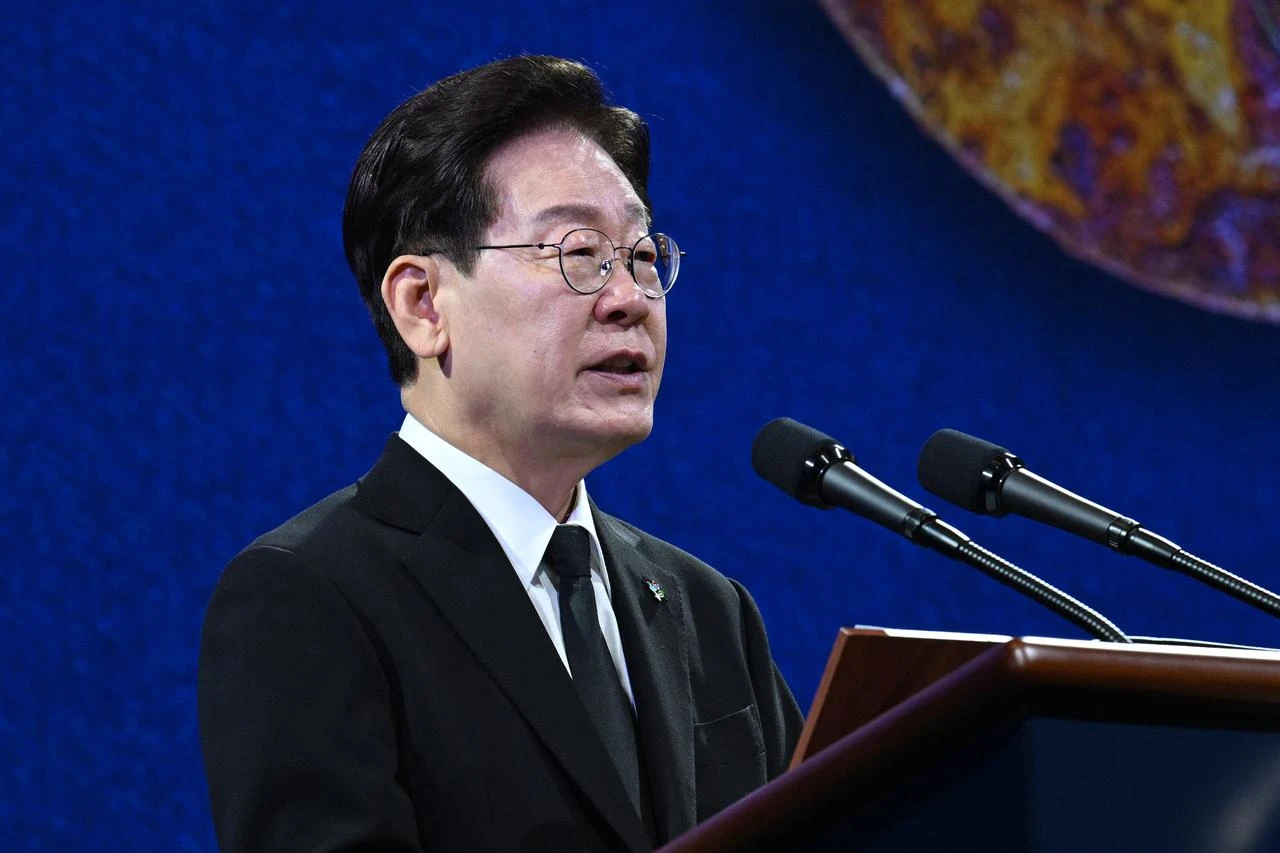


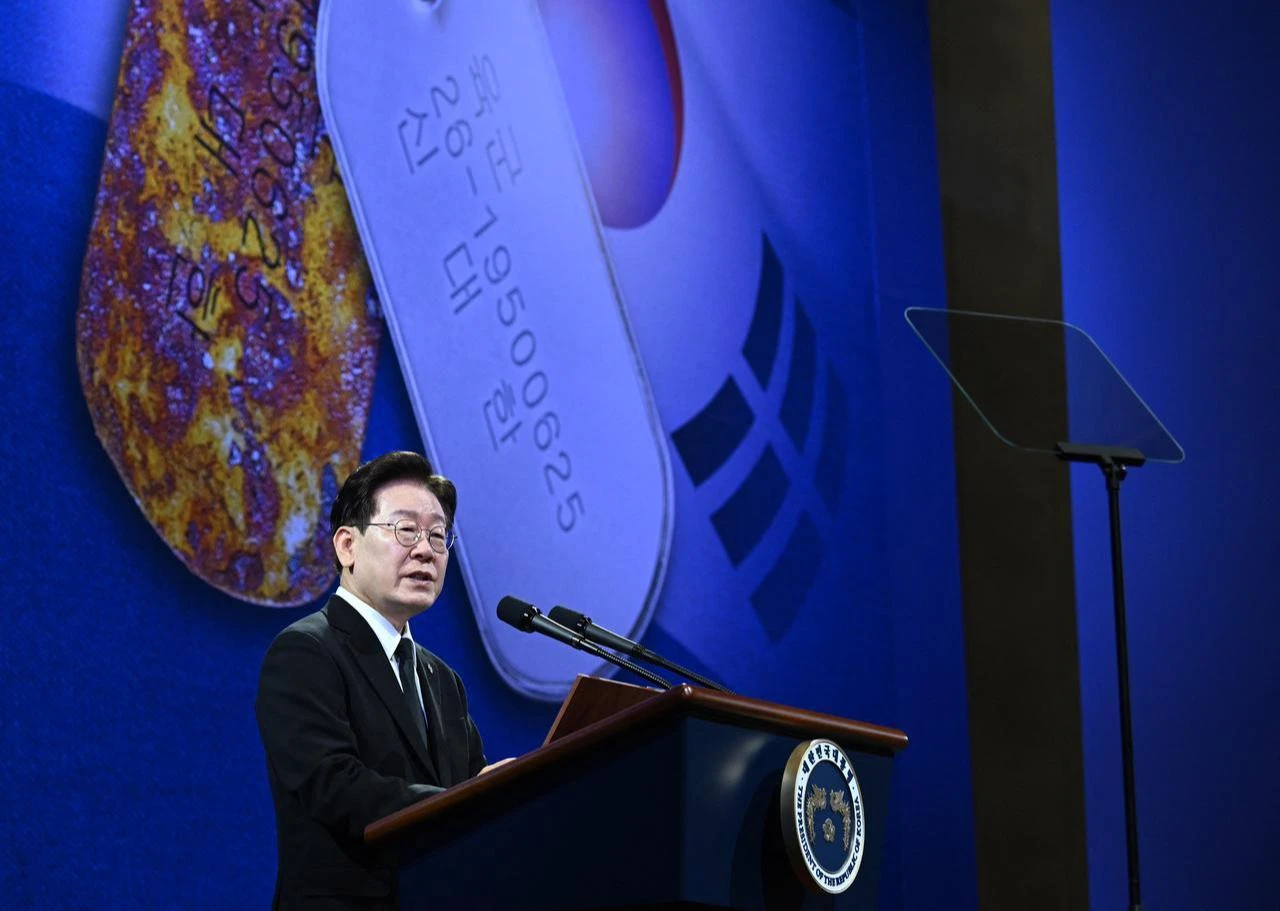
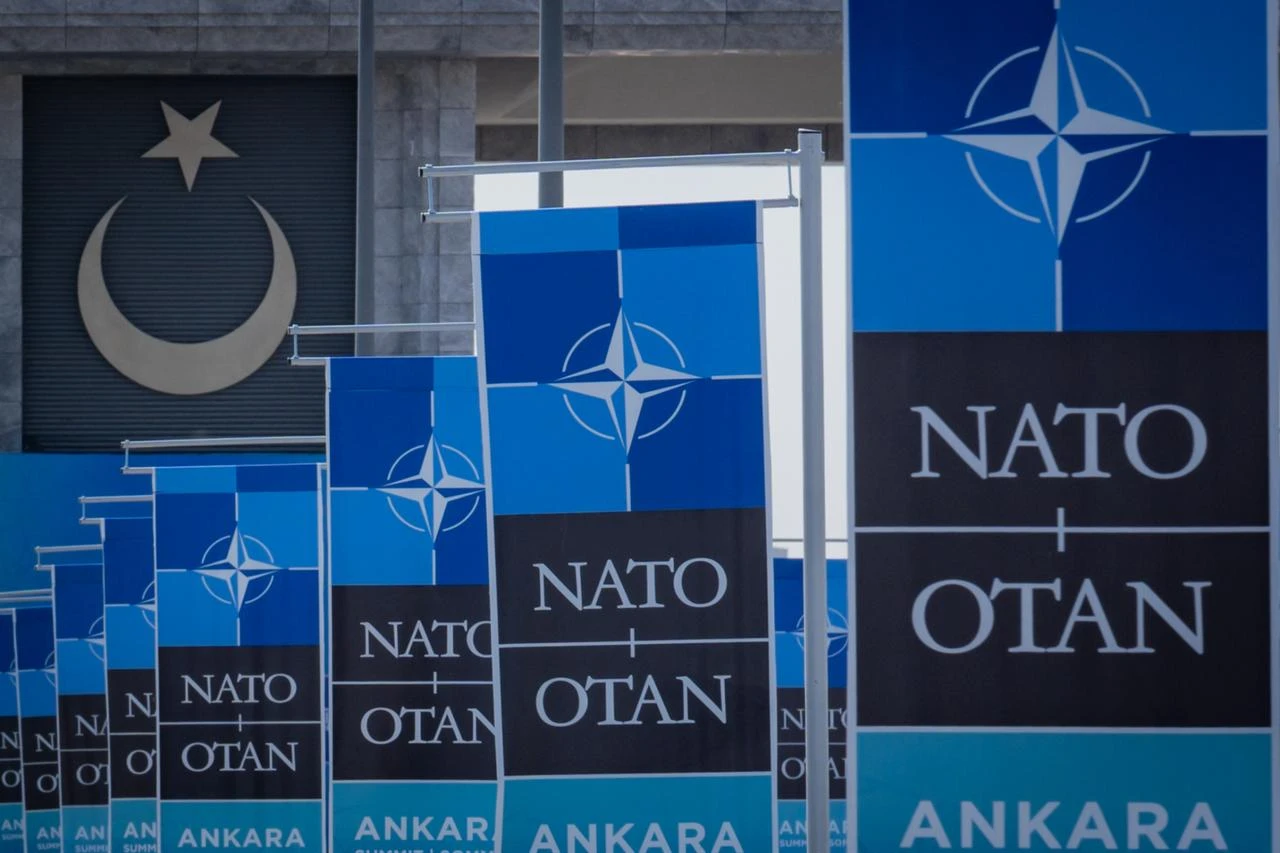
South Korean President Lee Jae Myung will attend the NATO summit in Ankara on July 7-8 to build defense industry cooperation with alliance members, while Canada aims to announce roughly 10 founding nations for a $133 billion multilateral defense bank at the same gathering.
Lee's national security adviser Wi Sung-lac said the South Korean president will meet NATO Secretary-General Mark Rutte and take part in a group session with leaders from Indo-Pacific partner countries, including Japan, New Zealand, and Australia.
Lee will also attend the NATO defense industry forum and deliver a speech at one of its sessions.
"As geopolitical instability deepens, NATO member states are increasing their defense spending and also pursuing efforts to strengthen their own domestic defense production capabilities," Wi said at a press briefing in Seoul.
"South Korea, which is not a NATO member, must advance partnerships with NATO based on the alliance's standards to facilitate exports of defense materials," Wi said.
Wi said cooperation between NATO and the Indo-Pacific region has been continuously strengthening since the outbreak of the war in Ukraine, adding that "the security of Europe is not irrelevant to that of Asia."
He cited North Korean troops fighting for Russia in Ukraine as a "striking example."
After the Ankara summit, Lee will travel to Ulaanbaatar on July 9 for a three-day state visit at the invitation of Mongolian President Khurelsukh Ukhnaa. The two leaders are expected to hold a summit, issue a joint statement and sign multiple memoranda of understanding (MoUs).
Wi said Seoul views Mongolia as a key partner given its reserves of critical minerals and its potential to contribute to peace on the Korean Peninsula through close ties with North Korea.

Canada is aiming to announce around 10 founding nations for its proposed Defense, Security and Resilience Bank at the Ankara summit, Isabelle Hudon, Canada's lead negotiator and CEO of the Business Development Bank of Canada, told Reuters.
"We gave ourselves the NATO summit as a deadline," Hudon said, adding, "What we are aiming to announce is the list of founding members."
The bank's stated purpose is to bolster the defense of allied nations by raising up to £100 billion ($133 billion) in cheap financing.
Hudon said the initial roster of founding nations would likely all be European, besides Canada, but declined to name them, as she cautioned the announcement was not guaranteed and depended on final negotiations with allies, including over capital commitments.
"My prime minister said we should not aim for perfection before launching this initiative, that we should rally the countries that are ready to be called founding members, and then the membership will stay open," Hudon said.
So far, Canada has been publicly joined only by Luxembourg, which will serve as the bank's European base.
The project's path to a triple-A credit rating remains uncertain without broader backing.
Germany's Finance Ministry said it had joined DSRB talks as an observer and was reviewing the outcome. Britain has resisted joining, preferring to pursue its own defense financing project with the Netherlands and Finland, known as MDM, but sources said London has explored possibilities to align or merge with the DSRB. Canadian Prime Minister Mark Carney said he looked forward to discussing the bank with the incoming British prime minister.
Italy, Spain, Türkiye, Belgium, and Ukraine have analyzed the proposals, multiple sources told Reuters, speaking on condition of anonymity when discussing private information.
Sources cited by Reuters have said Ankara is interested.
The Netherlands said it was not participating.
There was a 50-50 chance of South Korea joining the bank, potentially at a later stage, Hudon said. South Korea's Finance Ministry has previously said it was reviewing the proposal.
The bank asks anchor nations to pay in proportion to the size of their economies. Proportional contributions could result in Canada contributing up to €1.5 billion ($1.71 billion), with smaller nations paying between €500 million and €750 million, a source familiar with the matter told Reuters.
Hudon said it was unlikely Canada would announce a host city next week, with five cities in contention: Toronto, Montreal, Ottawa, Halifax and Vancouver.
Top banks, including JPMorgan, Deutsche Bank, Commerzbank, and ING, have joined the project alongside Canada's RBC, BMO, CIBC, National Bank of Canada, Scotiabank, and TD Bank.
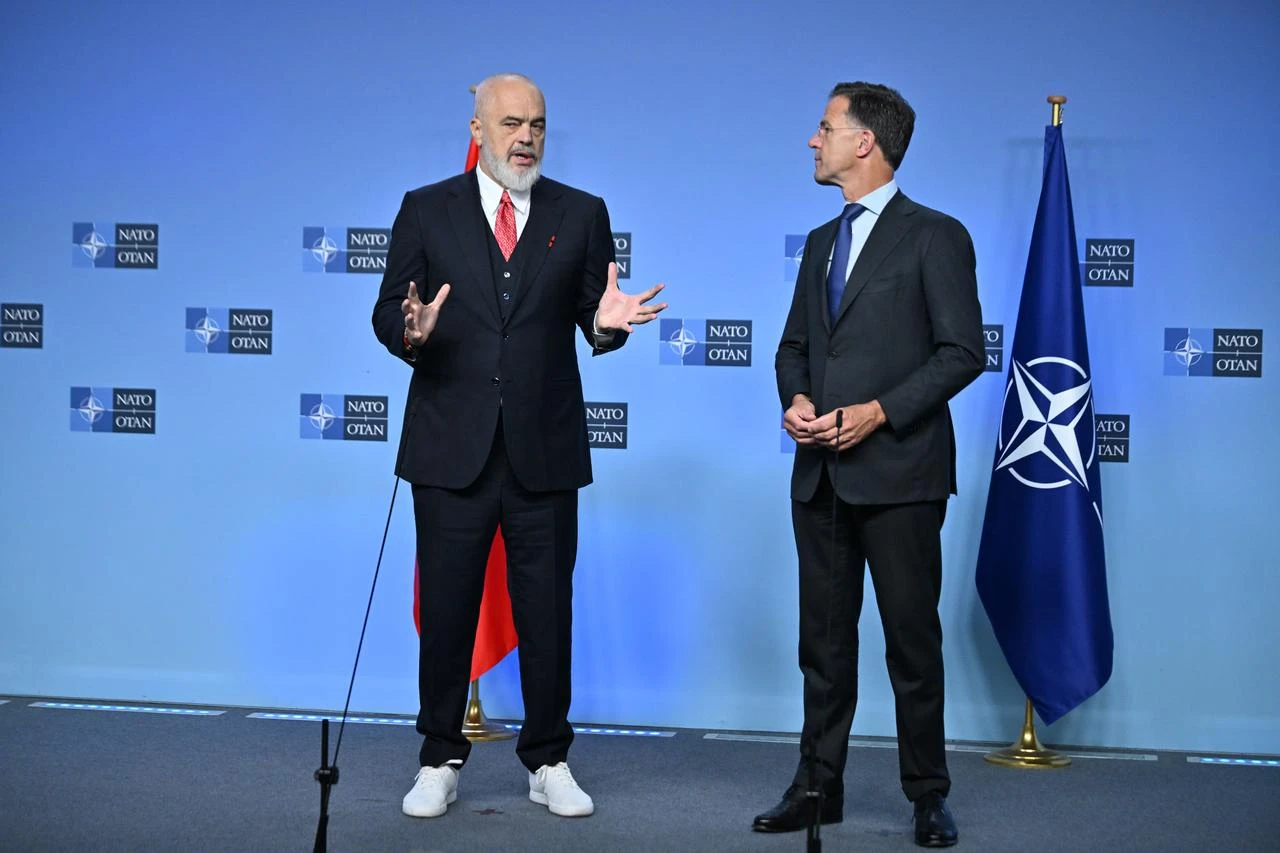
NATO Secretary General Rutte said in Berlin on Wednesday that the Ankara summit "will focus on turning extra spending into combat-ready capabilities, and significantly scaling up our defense industries."
He said NATO remains a transatlantic alliance but needs rebalancing.
"Working closely with the United States, European allies and Canada are taking greater responsibility for conventional defence in Europe," Rutte said.
European NATO members and Canada spent $90 billion more on defense in 2025 than the previous year, reaching a total of more than $570 billion, Rutte said last month.
At the Hague summit last year, NATO leaders agreed to spend 3.5% of gross domestic product GDP on core defense items by 2035 and an additional 1.5% on broader defense-related measures including cybersecurity.
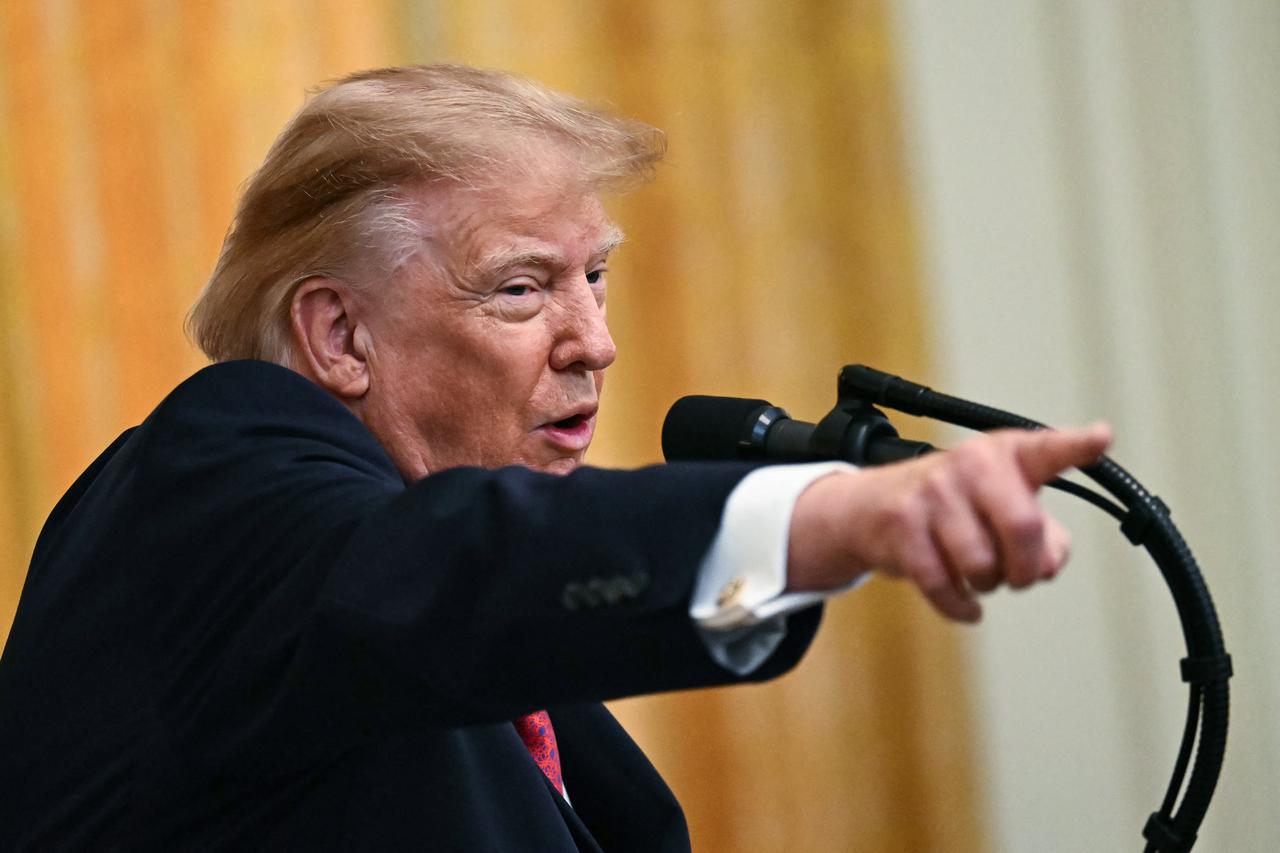
In a Truth Social post Thursday, Trump complained the United States was spending money to protect NATO members "without getting any benefit from so doing," listing U.S. spending at $999 billion against allies' far lower contributions from 2014 to 2025.
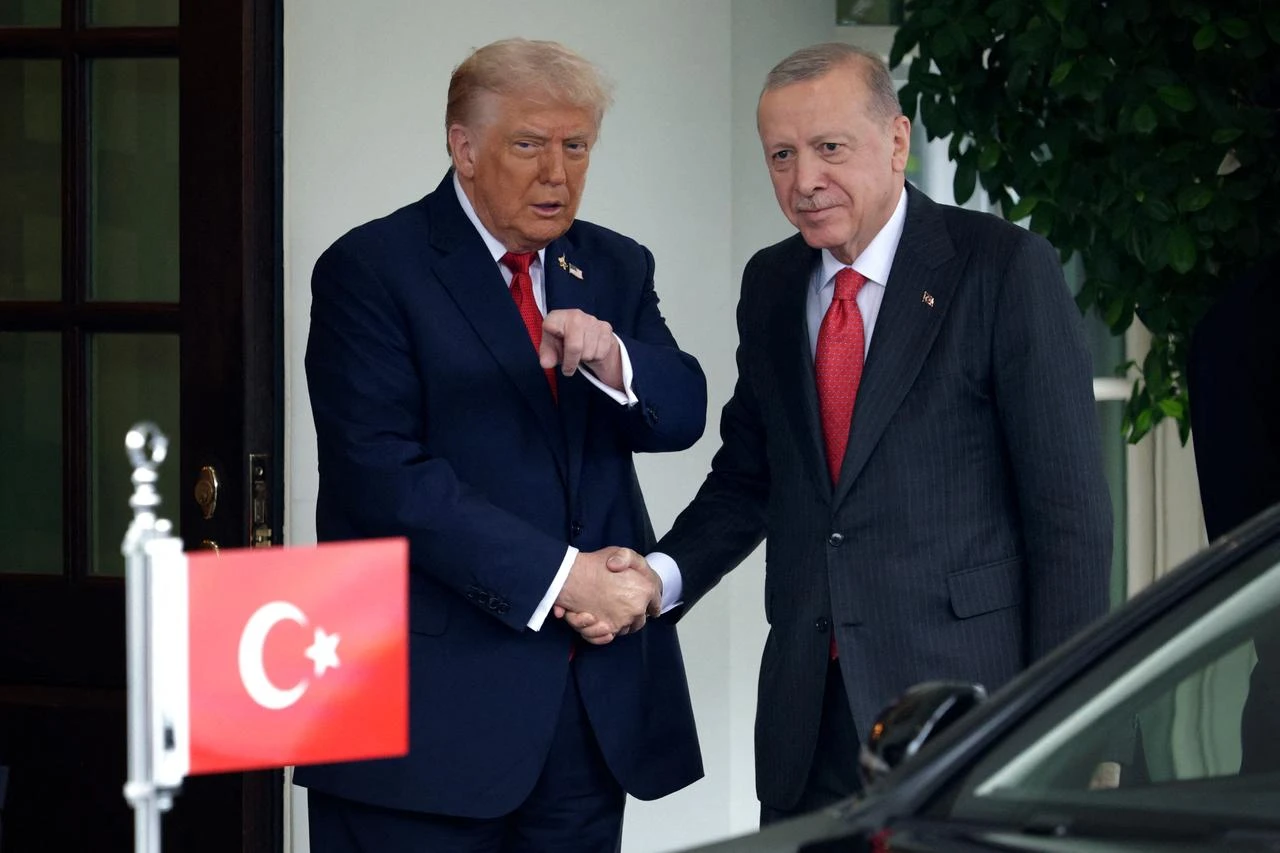
European officials say they hope Trump's relationships with Erdogan and Rutte will ensure a smooth summit, but cannot be certain given transatlantic friction over the Iran war.
"The alliance is alive and kicking but a bit bruised," a European diplomat said, speaking to Reuters on condition of anonymity.
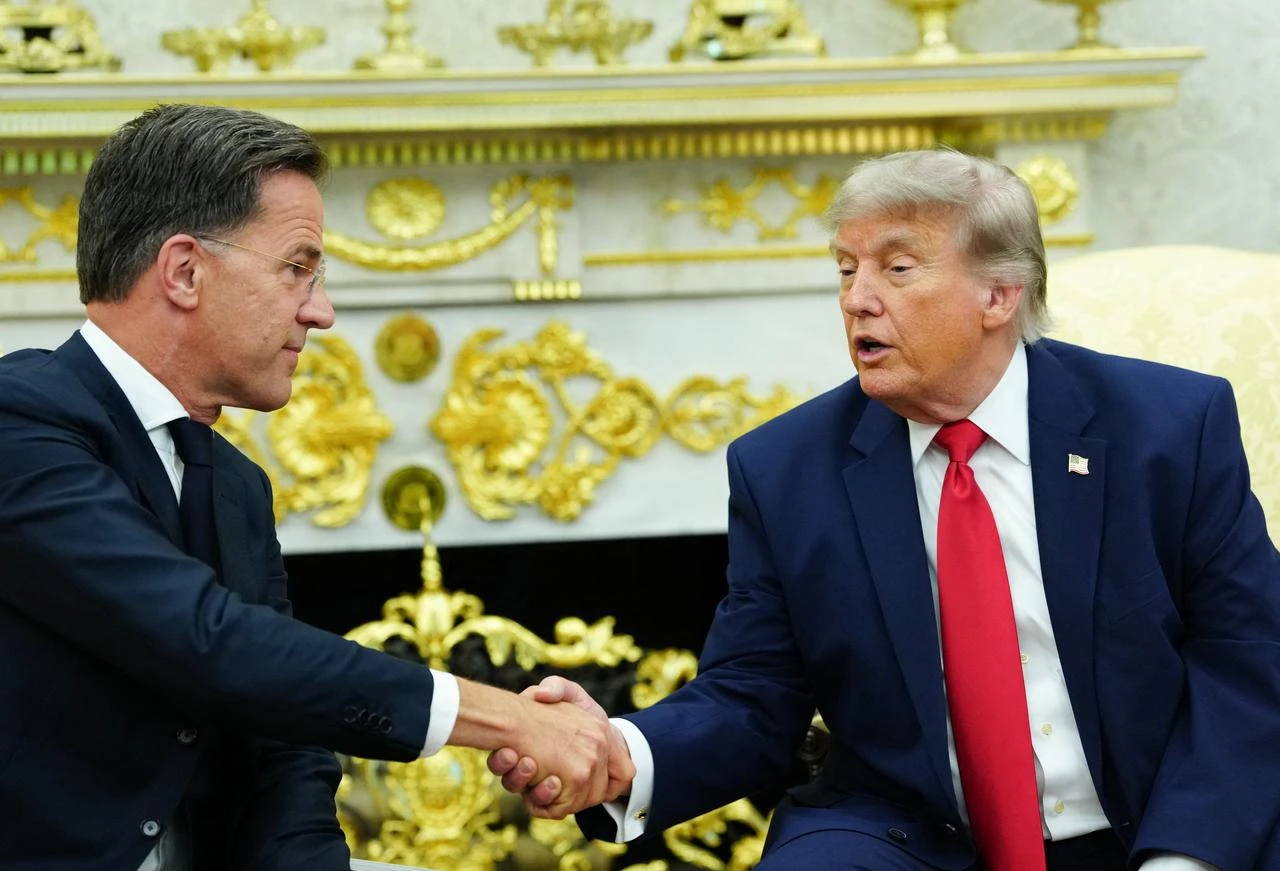
NATO officials say one of their primary goals is to maintain unity and keep the U.S. committed to Article 5, the mutual defense clause specifying that an attack on one member is an attack on all.
Two crises this year have deepened transatlantic strains: Trump's demands for ownership of Greenland, an autonomous territory of NATO member Denmark, and his anger at European allies over their response to the Iran war.
Trump branded the alliance a "paper tiger" and said he was considering withdrawing from NATO.
European officials worry a flare-up in the Iran conflict, currently under a fragile ceasefire, could overshadow the summit.
Ukrainian President Volodymyr Zelenskyy will attend a dinner hosted by President Erdogan, who will also hold bilateral talks with Trump.
Tens of billions of dollars in new defense contracts are expected to be announced in Ankara.
"I'm optimistic (disruption won't happen) because I think the leaders know what is at stake," a senior NATO diplomat who spoke to Reuters said, noting, "And if something like that does occur, then we always have the ultimate marriage counsellor, Mark Rutte, to smooth things over."


 Set as preferred source
 Set as preferred source


 2 min read
 1 min read