Newsletters


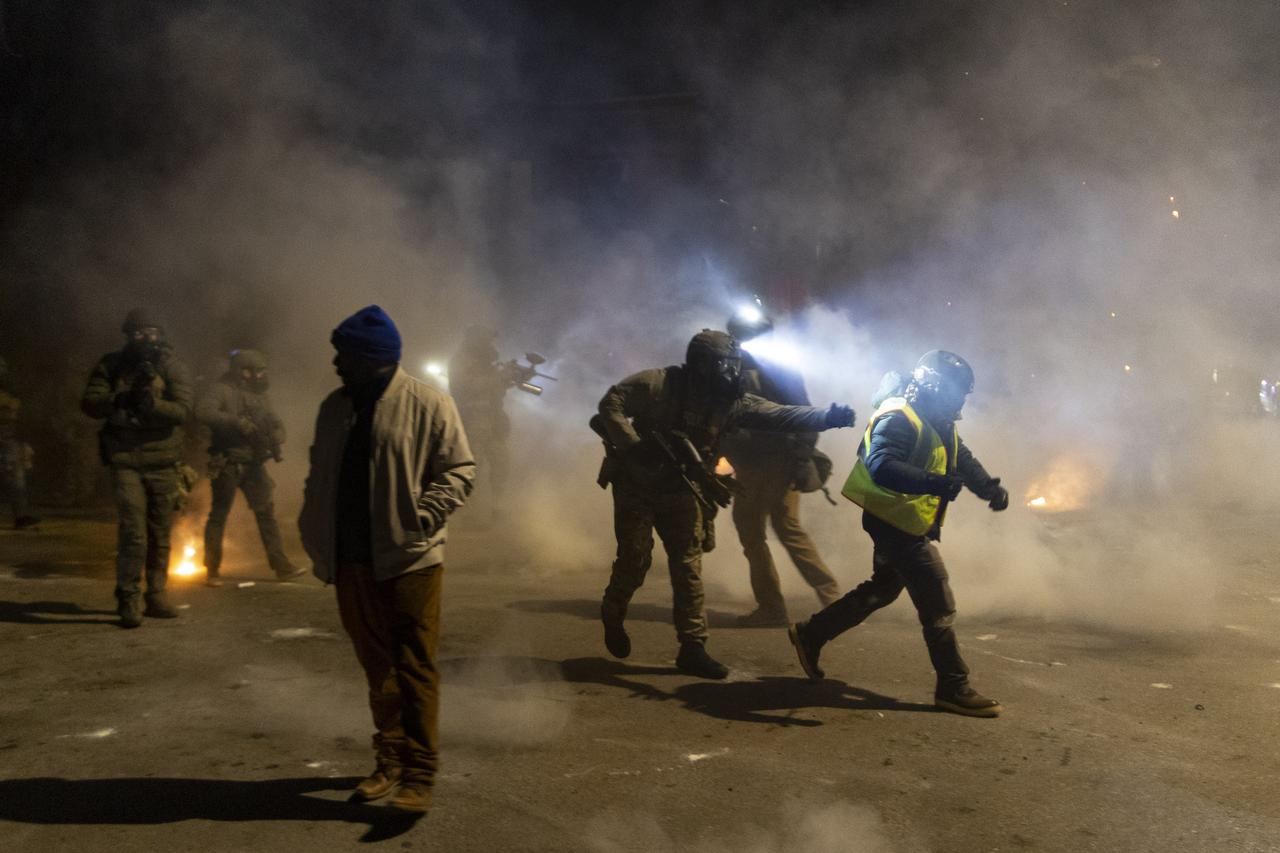
Protests against federal immigration policies and enforcement operations continue in Minneapolis, U.S. Thousands of people are voicing anger over previous federal agent actions, recent violence during demonstrations, and citywide immigration enforcement practices, occasionally clashing with police and security personnel.
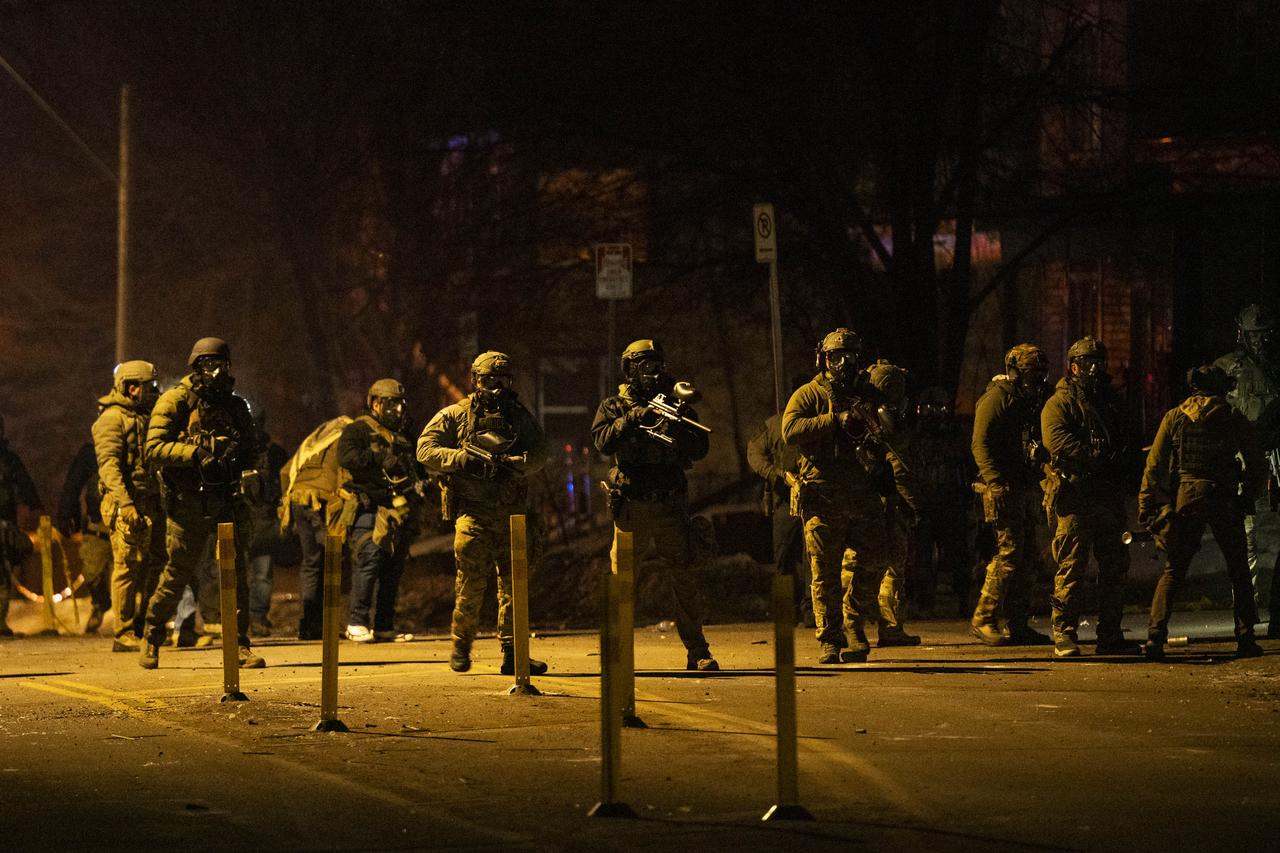
On January 7, a federal agent from U.S. Immigration and Customs Enforcement (ICE) shot and killed 37-year-old Renee Nicole Good in Minneapolis. The incident sparked widespread outrage across the city and the nation. Protesters are demanding ICE withdrawal from the city and denouncing federal immigration practices.
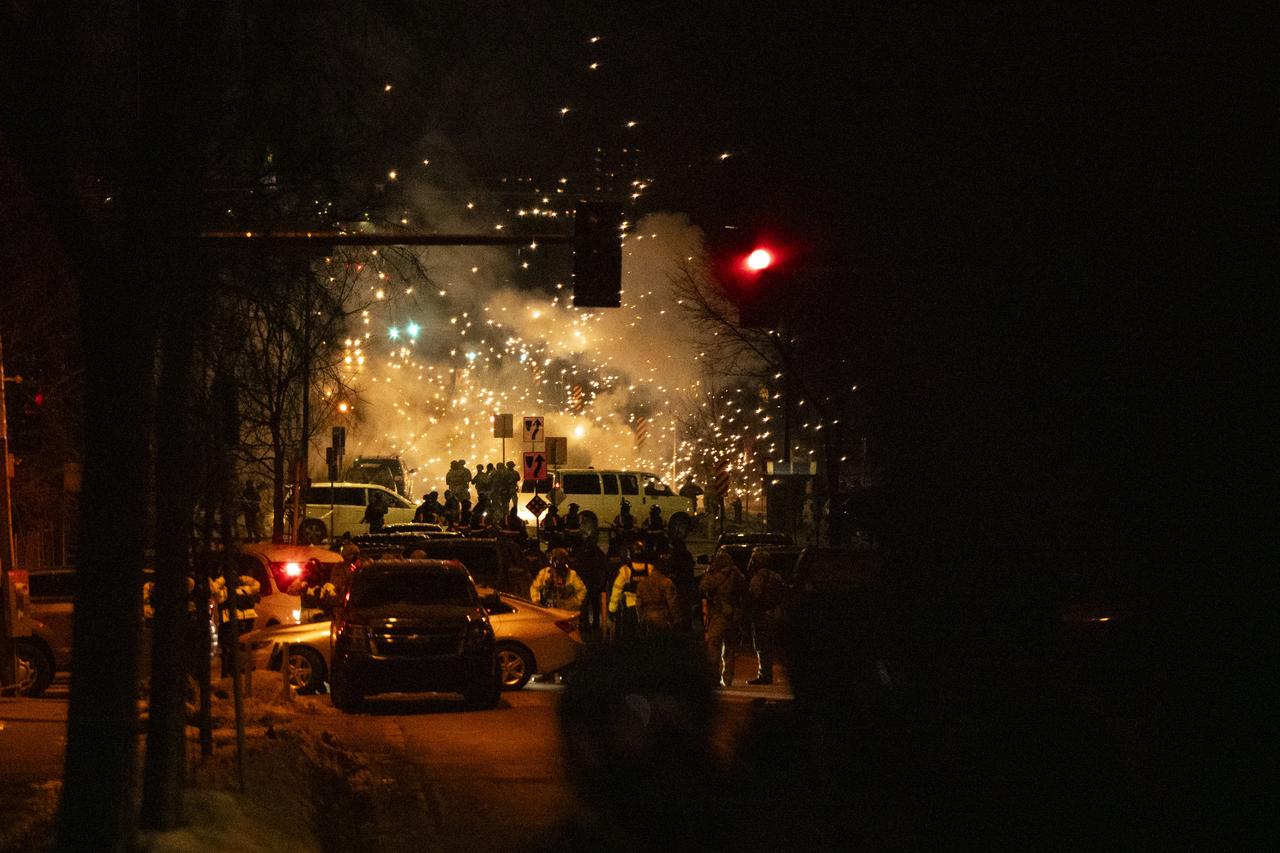
A week after Good’s death, a federal agent shot a migrant in the leg during a traffic stop. The agent claimed self-defense, and the person was treated for non-life-threatening injuries. This second incident intensified protests and increased tension across Minneapolis.
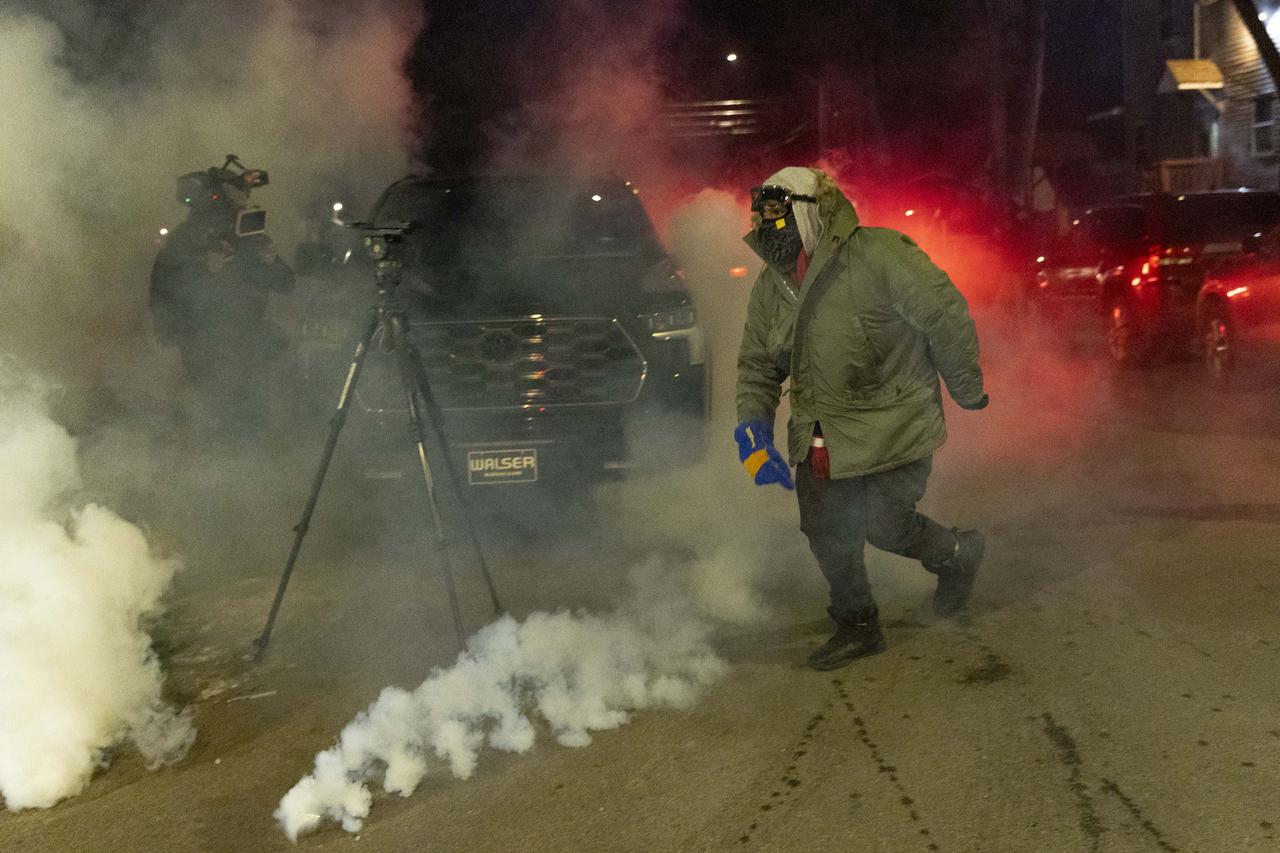
Demonstrators accuse federal immigration policies of dividing communities, separating families, and violating human rights. Migrants and supporters in Minneapolis chant slogans demanding ICE leave the city, while many also criticize the federal government’s pressure on local authorities.
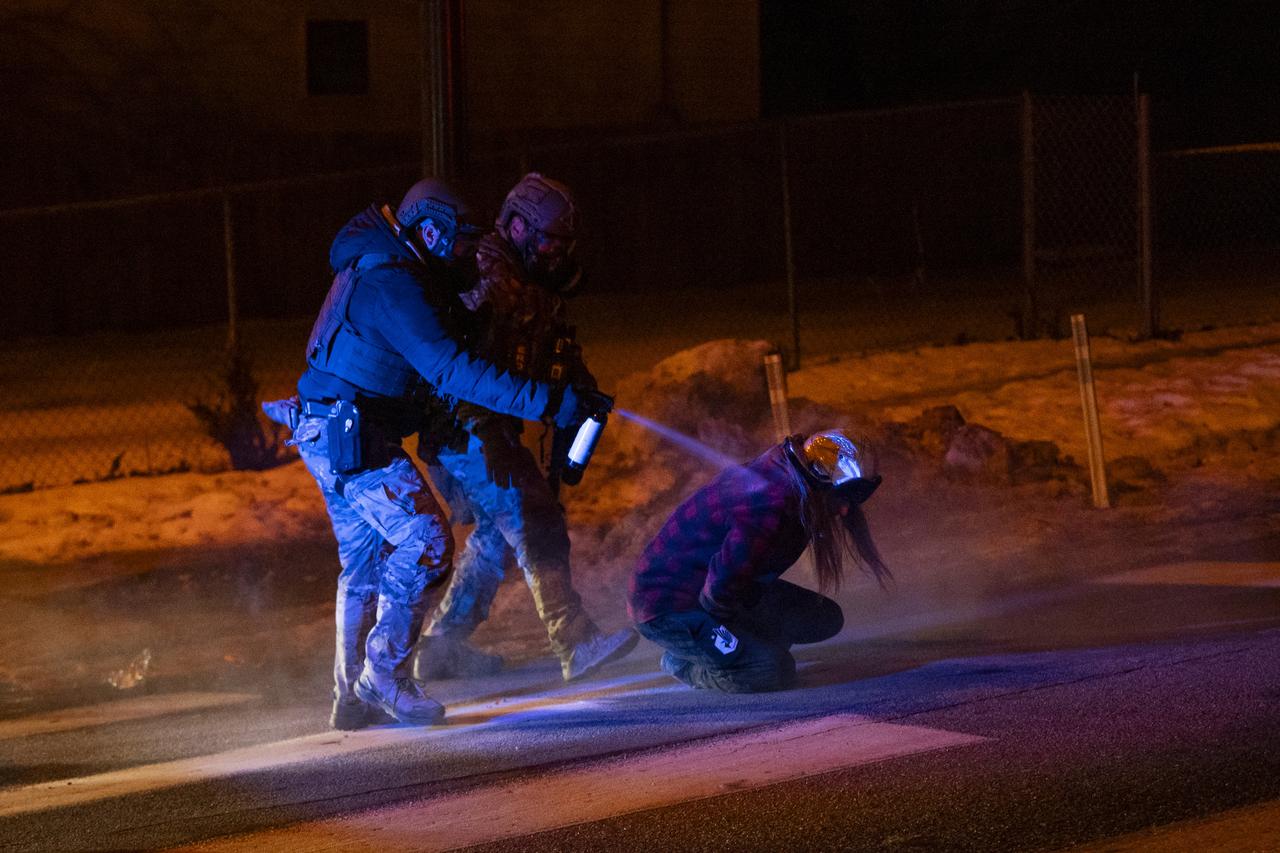
The Trump administration announced hundreds of new federal agents would be deployed amid rising protests. While expanding immigration enforcement, this move sparked debates among local leaders. Minneapolis Mayor Jacob Frey criticized the reinforcements, saying they made the situation more difficult.
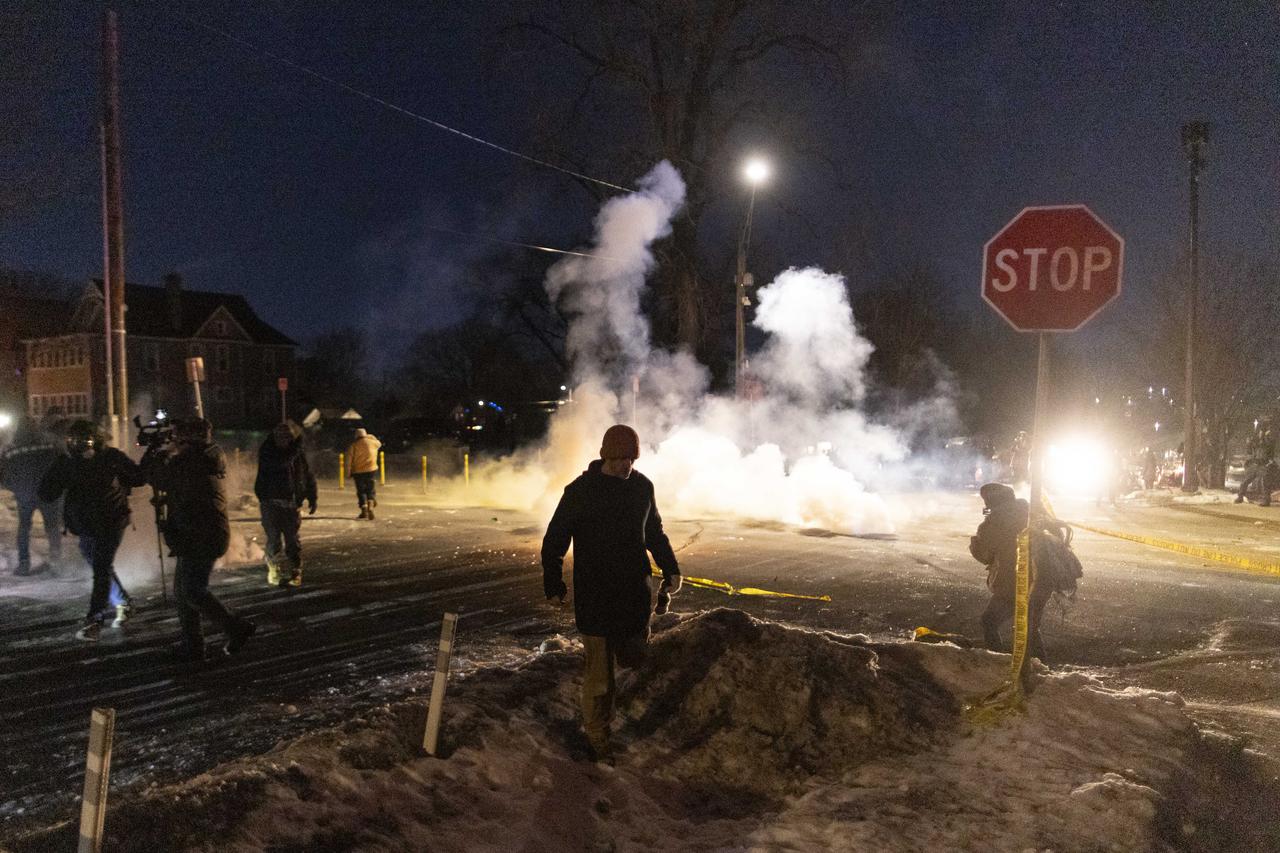
During the protests, law enforcement occasionally used tear gas and detained participants. Crowds gathered in downtown and immigrant-heavy neighborhoods faced direct confrontation with security forces.
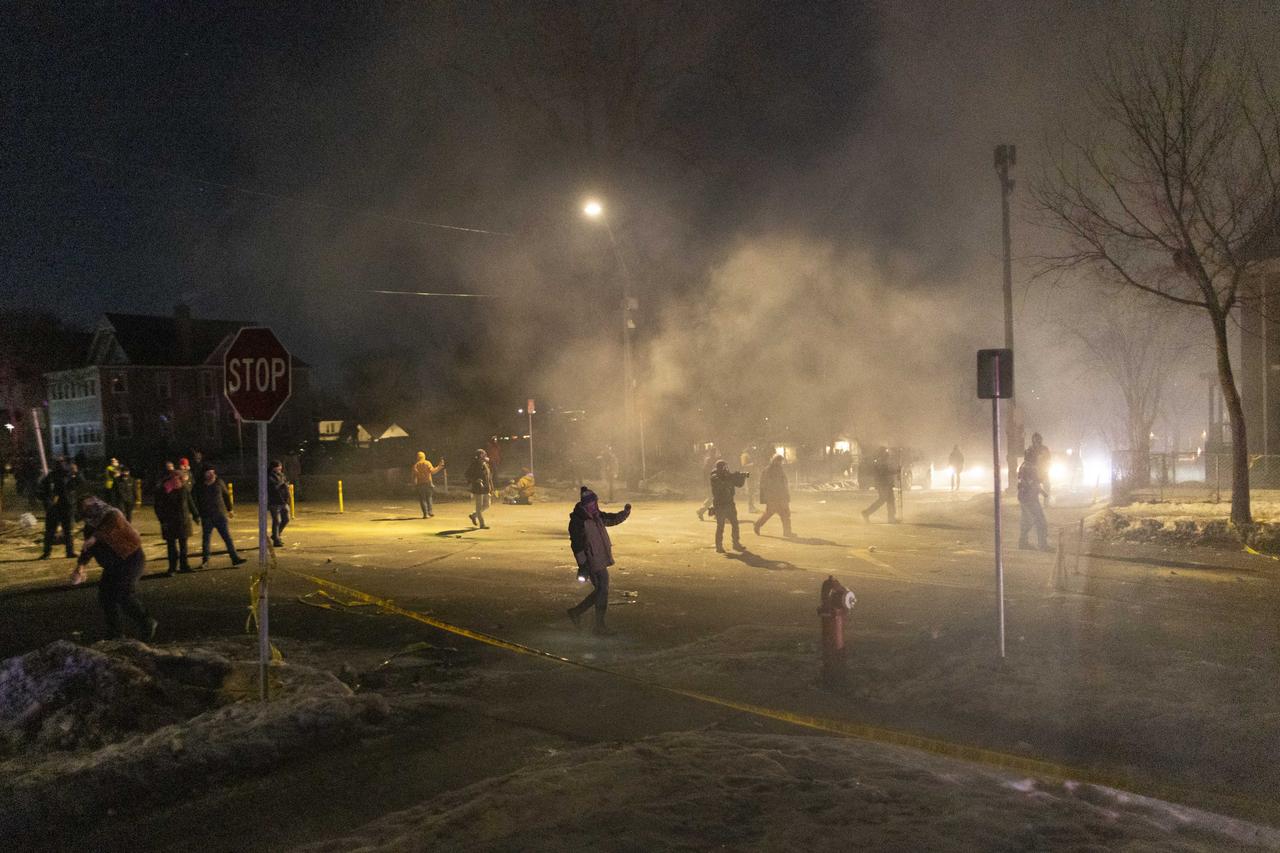
Many refugee migrants in Minnesota were detained and transferred to detention centers in Texas. The relocation, including children, was sharply criticized by protesters as a human rights violation.
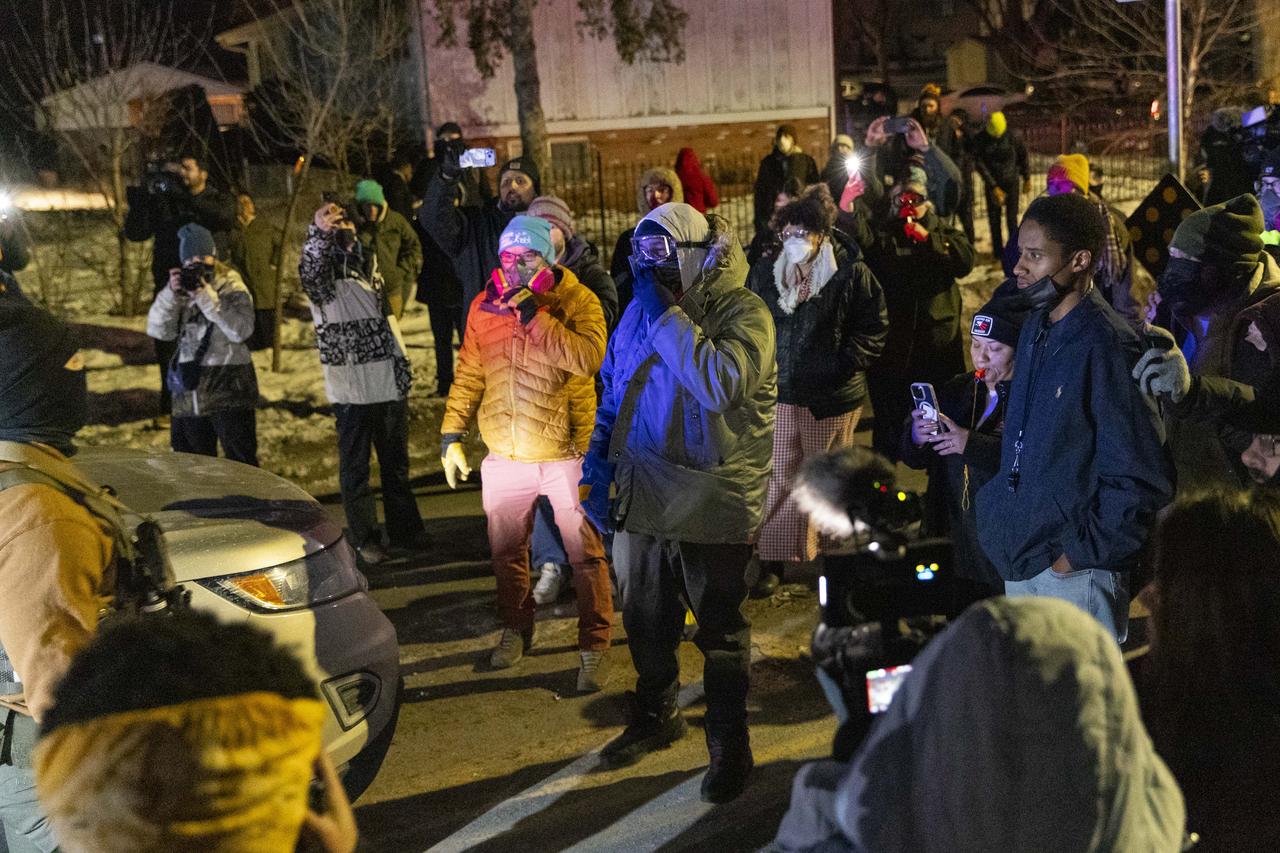
Alongside demonstrations, some community groups, including churches and civil society organizations, held prayers and solidarity events to support migrants. One church organized a “Lament and Hope” service to uplift the community.
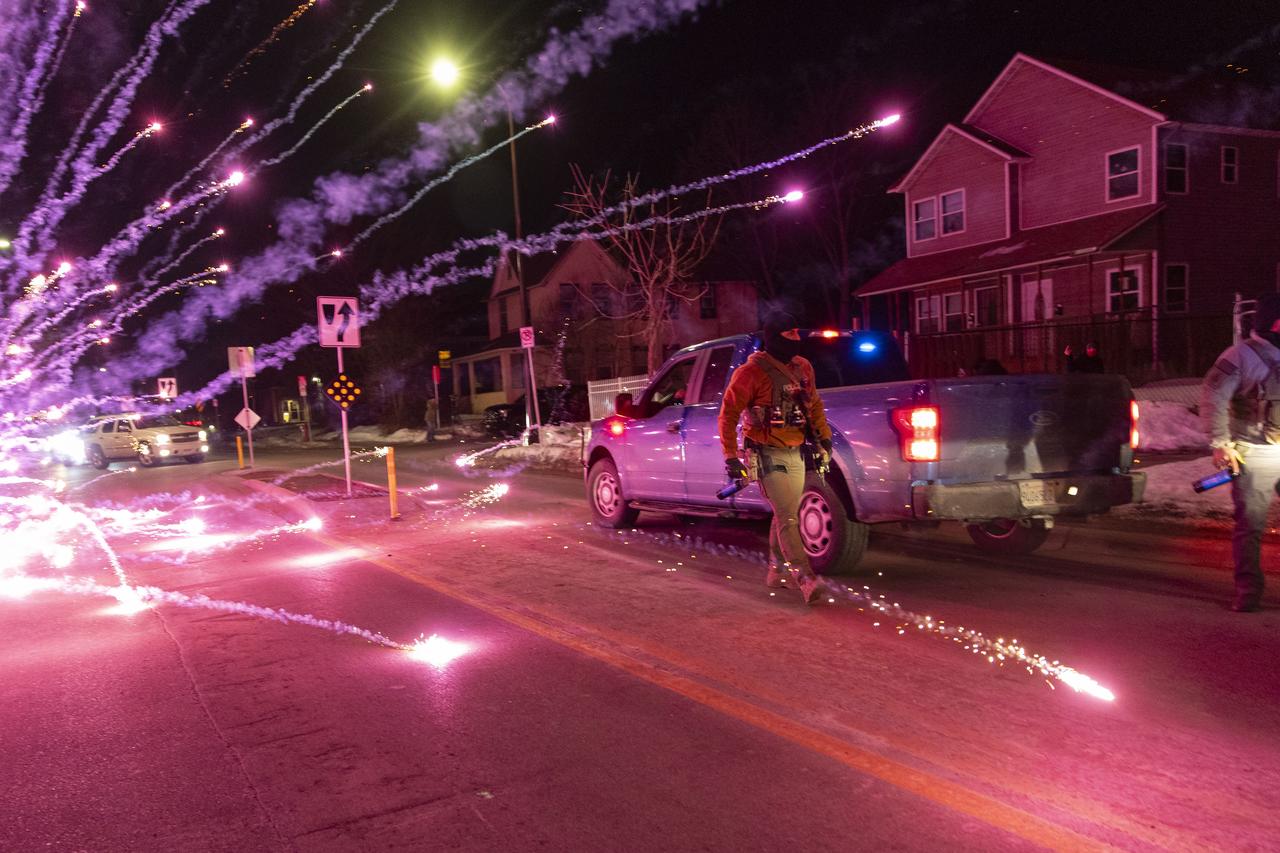
The Minneapolis protests sparked similar demonstrations nationwide. Cities including Philadelphia, Indianapolis, and Portland saw protests as locals voiced opposition to federal immigration policies.


 Set as preferred source

 2 min read