Newsletters




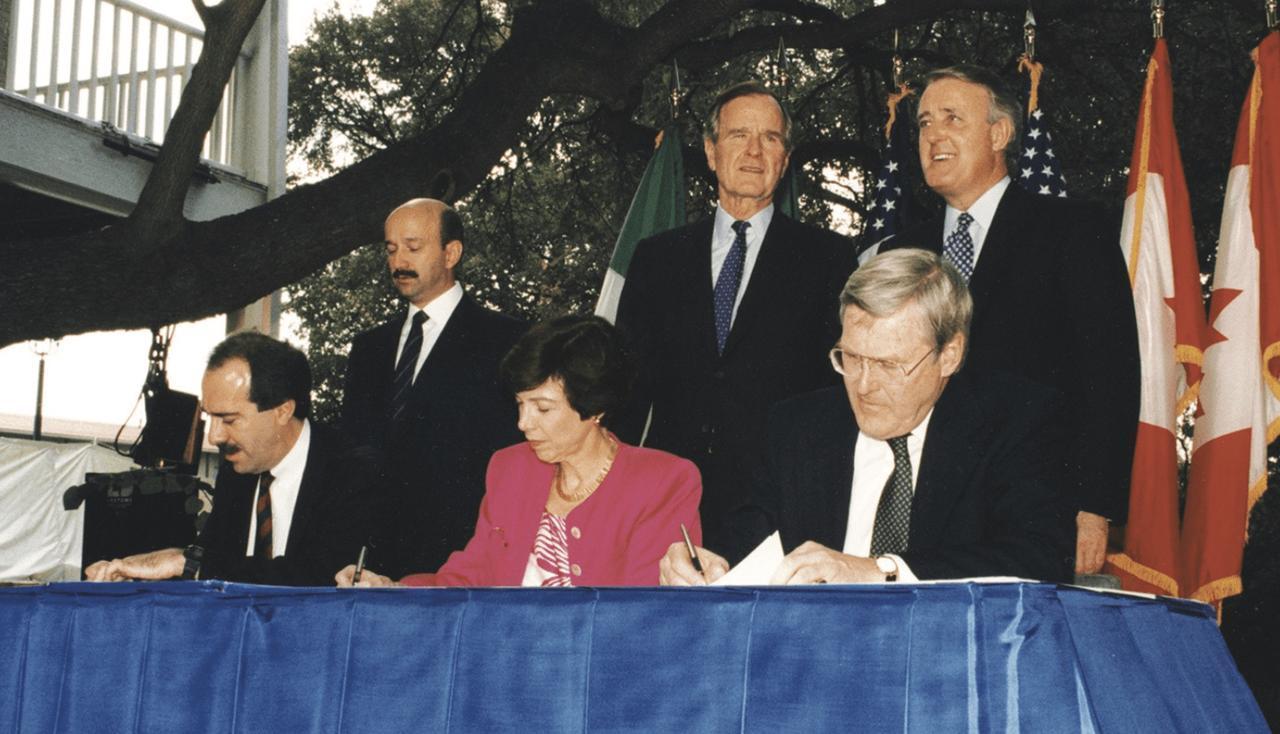
Though he may rank nowhere on Donald Trump’s list of U.S. presidents, then-President George H.W. Bush stood alongside Carlos Salinas and Brian Mulroney at the 1992 North American Free Trade Agreement (NAFTA) signing ceremony.
The architects of the treaty hailed it as the birth of the world's largest market—a trade corridor stretching five thousand miles from the Yukon to the Yucatan. The ceremony was built for permanence: three flags, three signatures, and a document meant to outlast the men who signed it.
President Trump, on the other hand, wanted revisions decades later to bring the treaty to contemporary standards in his first term. The result of his and his counterparts’ work was named the United States of America, the United Mexican States, and Canada Agreement (USMCA).
USMCA's Free Trade Commission, the successor treaty's version of that San Antonio moment, agreed to convene for the joint review every six years. This year in July, U.S. Trade Representative Jamieson Greer issued only a single paragraph without ceremony: Washington "did not agree to renew the USMCA in its current form."
The clock resets to annual reviews toward the agreement's 2036 expiration, and three decades of integration wait on an answer nobody bothered to announce.
Seven weeks later, Prime Minister Mark Carney gave the moment its epitaph. After a near-final U.S.-Canada deal collapsed on the eve of its own signing, Carney told Canadians that Washington's commitments had turned out to be written "in pencil."
Juan Carlos Baker Pineda, the former Mexican vice foreign minister who helped negotiate the shift from NAFTA to USMCA, put it on a recent panel: a project alive since the early 1990s is now "put under question" by the country that built it.
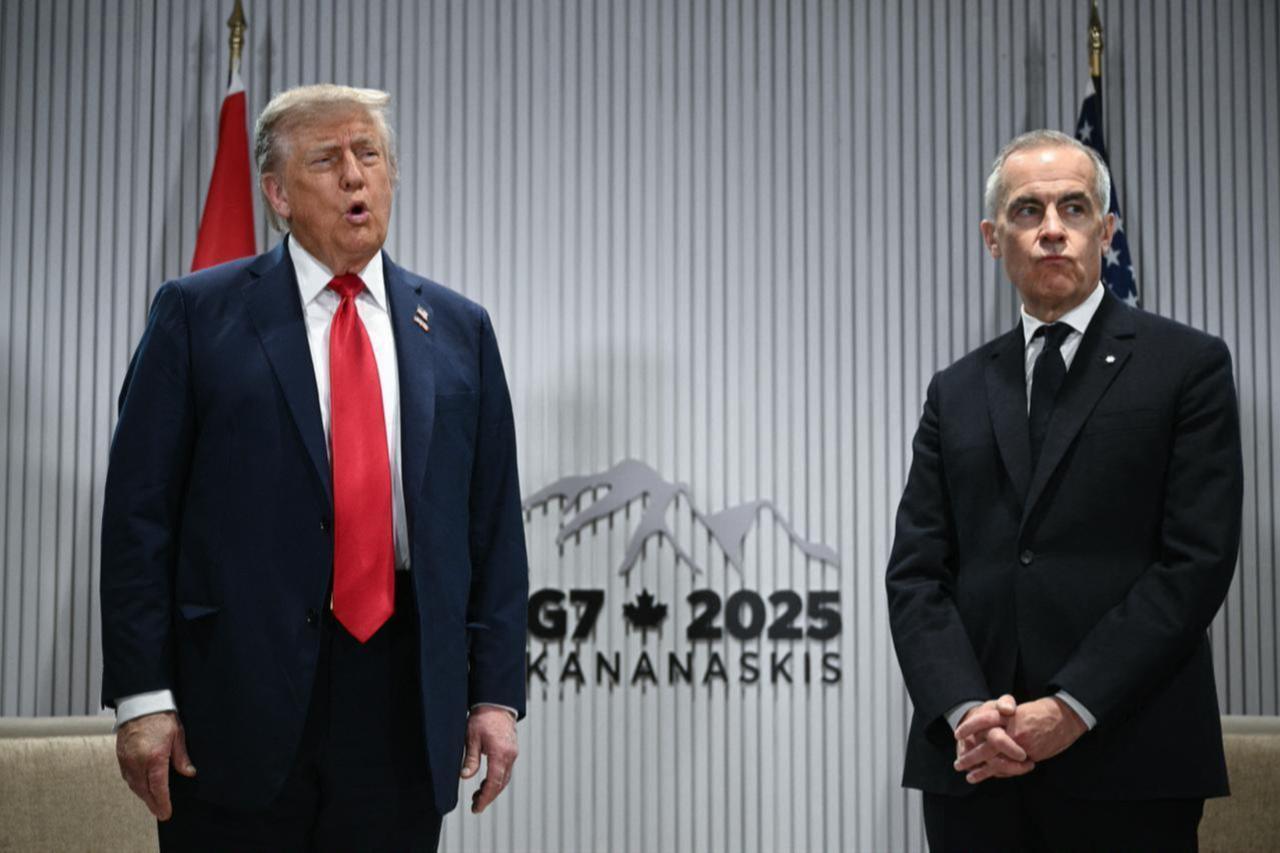
In the outlook, the media is concentrated on the responses shared by the presidents of the countries, between President Trump and Carney.
Yet the changes this summer go beyond President Trump’s negotiation tactics or disagreements over rates; they mark a turning point for North American trade. In fact, they create a precedent that could render any future agreement completely void.

Simon Lester, a trade lawyer who also co-founded the World Trade Law, offers the clearest account of what changed. Washington now treats its own tariff powers, security tariffs under Section 232, unfair-trade tariffs under Section 301, and retaliatory tariffs under Section 338 as ranking above USMCA obligations.
The agreement stays in place; Washington just reaches past it whenever a statute offers cover. Canadian steel and aluminum, for example, held duty-free status under USMCA until March 2025, when Washington revoked the exemption overnight, and Canadian metal exports absorbed a 50% surcharge. Nothing was technically violated. It was just outranked.
Lester terms this new status as "living in the breach," a policy of selective compliance masked by administrative exceptions. Nevertheless, a complete structural collapse of the USMCA remains unlikely, restrained principally by powerful domestic agricultural constituencies eager to preserve foreign market access.
The far more probable trajectory, as advisor Rachel Ziemba observes, is a gradual process of institutional decay: the agreement survives on paper while unilateral U.S. tariffs hollow out its commercial substance, proclamation by proclamation, leaving its ultimate fate to subsequent administrations.
The cost is not abstract. A trade agreement buys predictability: legislators approve it, businesses plan around it, and compliance costs stay low because the rules hold still.
None of that survives once the review clause becomes the main source of uncertainty. Compliance teams now budget for renegotiation every 12 months, not 16 years.
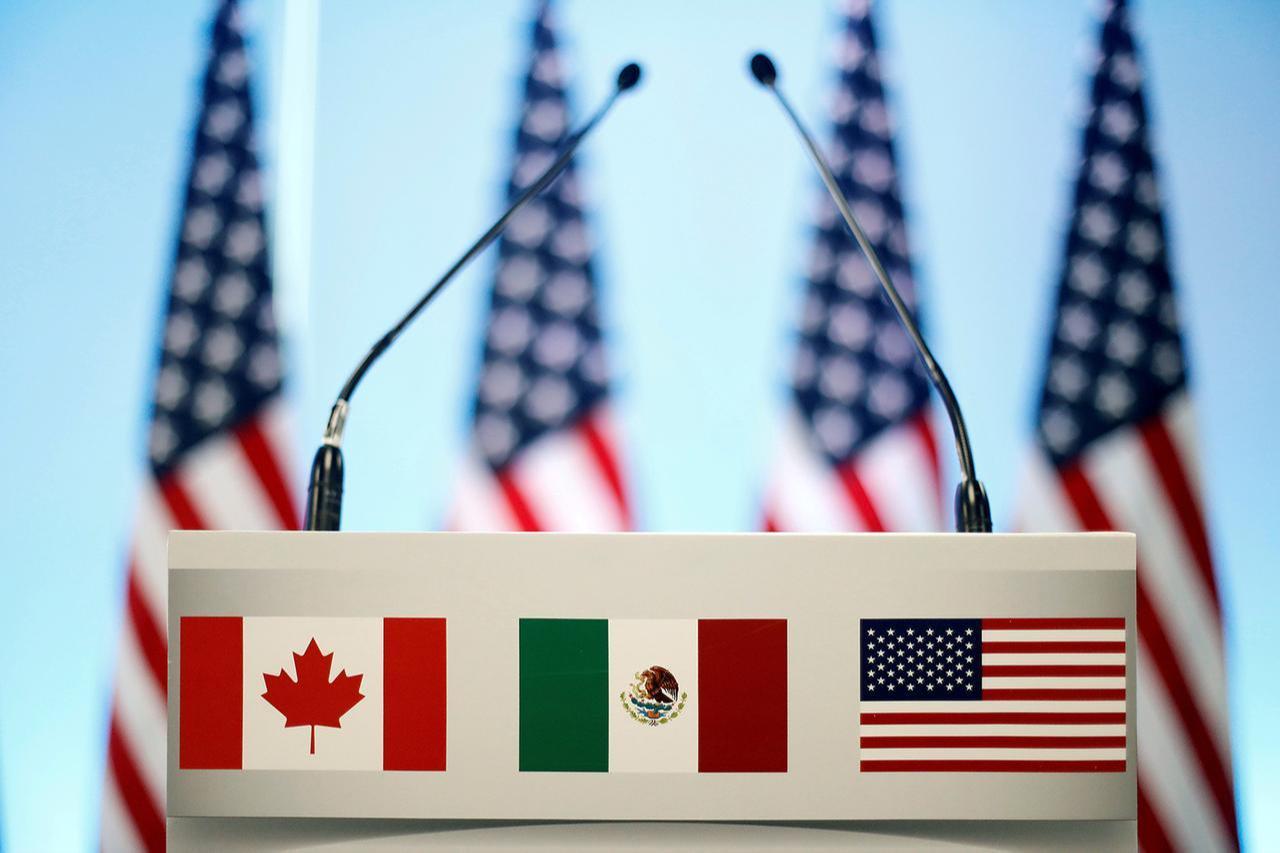
Beneath the diplomatic friction lies a leverage point Washington keeps applying.
The USMCA’s existing rules of origin already impose stringent regional requirements. For example, it mandates that 75% of auto components originate in North America alongside strict labor and metal thresholds.
By demanding an additional U.S.-specific content minimum, American negotiators are attempting to engineer a supply chain migration, effectively forcing carmakers to move production directly onto U.S. soil.
Yet trade analysts warn this calculation misjudges industry behavior: if compliance thresholds become economically unviable, manufacturers will simply abandon USMCA preferences altogether, absorb standard tariff rates, and source components globally.
There is a procedural wall too. Under standard protocol, amending the USMCA’s rules of origin demands consensus among all three signatories, including formal ratification by the Mexican Senate. To bypass these procedural checks, the U.S. administration may invoke Section 232 authority on national security grounds.
Should the administration choose to proceed unilaterally, the fallout will prove asymmetrical.
While Mexico’s lower labor costs provide a cushion against margin erosion, Canada lacks that buffer. With its auto manufacturing concentrated in high-wage Ontario hubs, Canada faces immediate risk, explaining the forceful pushback from leaders like Premier Doug Ford.
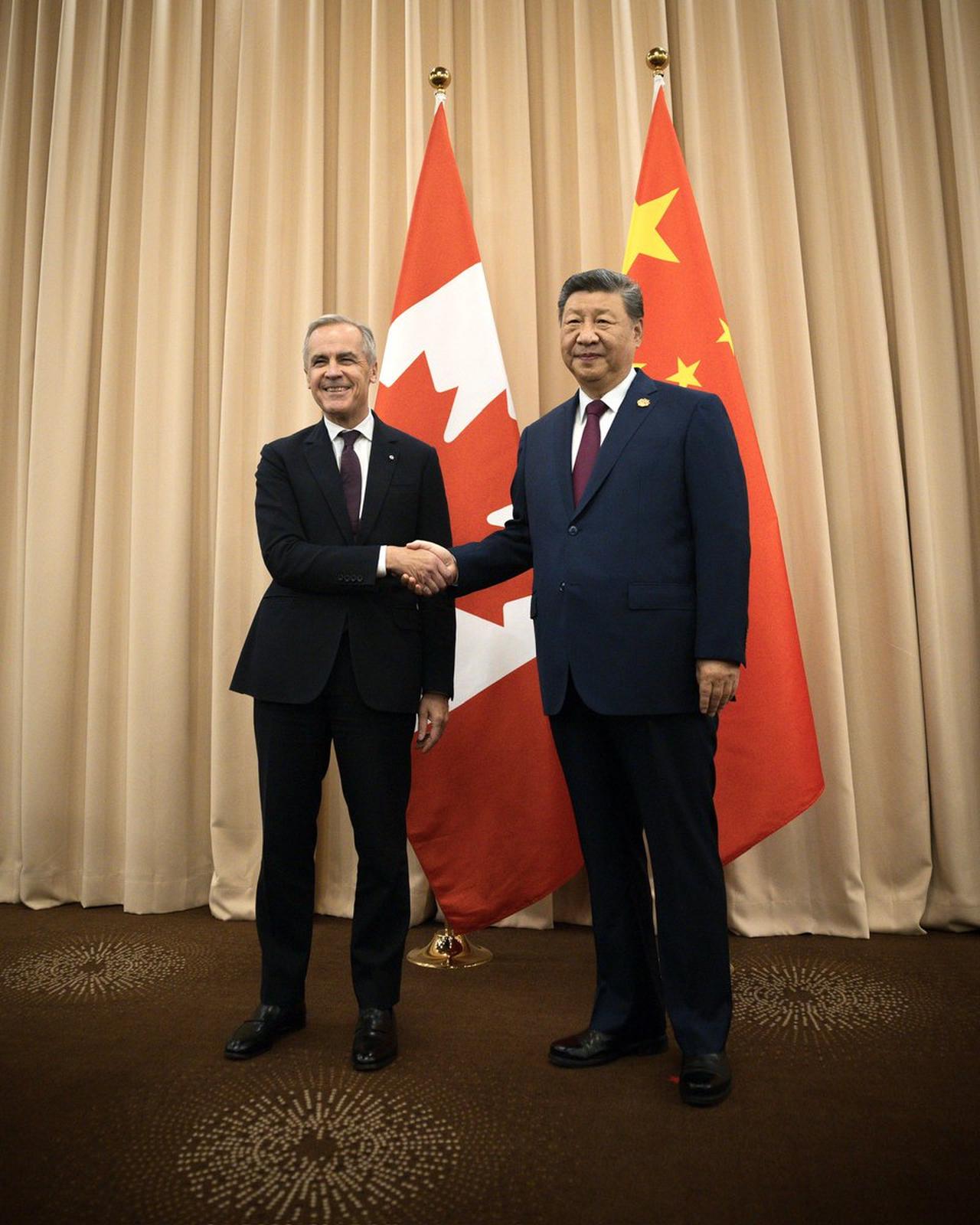
Every one of these disputes circles back to China, and the region has been circling longer than Trump has been in office.
The USMCA's text already contains what negotiators call the China clause: language, never naming China outright, requiring that if one party negotiates with a non-market economy, the other two get visibility into the talks.
It sat unused until Canada moved to permit roughly 50,000 Chinese EVs under a new quota system after a January 2026 tariff deal with Beijing, a move trade analysts flag as the primary catalyst behind the recent U.S.-Canada breakdown.
Washington’s counter-strategy has moved beyond tariffs into technological decoupling. The bipartisan Connected Vehicle Security Act of 2026 would ban Chinese-linked vehicle software by 2027 and hardware by 2030, setting broad foreign-ownership thresholds to catch international joint ventures. Companion legislation aims to close the backdoor Ottawa’s quota exposed by blocking Chinese-attributed vehicles from entering the U.S. via Canada or Mexico.
Within trade circles, discussions lean toward a hard "sectoral firewall," permitting routine trade in low-risk consumer goods while walling off sensitive sectors like electric vehicles and critical minerals.
Washington’s broader ambition envisions a "Fortress North America" anchored by American primacy. However, that construct assumes Ottawa and Mexico City will align with U.S. containment strategy without receiving comparable economic leverage or security guarantees.
Mexico’s structural exposure is the most pronounced. Chinese brands account for nearly one-fifth of Mexico’s domestic vehicle market, and Mexican officials acknowledge that economic reality even as they avoid openly defending Beijing’s regional presence.
At the same time, U.S. efforts to attract Chinese industrial investment inside the United States undercut Washington’s claim that exclusion is driven strictly by national security rather than commercial leverage.
This friction culminated in a severe diplomatic break when Prime Minister Carney withdrew from near-final negotiations, rejecting U.S. demands to restrict Canadian trade autonomy and accept narrowed auto relief.
Washington countered by imposing 50% surcharges on $20 billion in Canadian exports—a measure hitting products from timber to dairy and putting an estimated 90,000 Canadian jobs at risk across Ontario, Quebec, and British Columbia.
Fixing policy on bilateral deficits misses the structural point. USMCA's text does not mention artificial intelligence, not because negotiators overlooked it, but because it barely existed as a policy question when the agreement was drafted.
Six years later, with a review mechanism built for exactly this kind of update, three governments are spending their capital re-litigating hockey stick tariffs and the definition of a North American car.
That gap between what the review clause was built for and what it is producing is the actual cost, and it will still be there whether the agreement zombifies, shrinks, or survives.


 Set as preferred source
 Set as preferred source


 4 min read