Newsletters


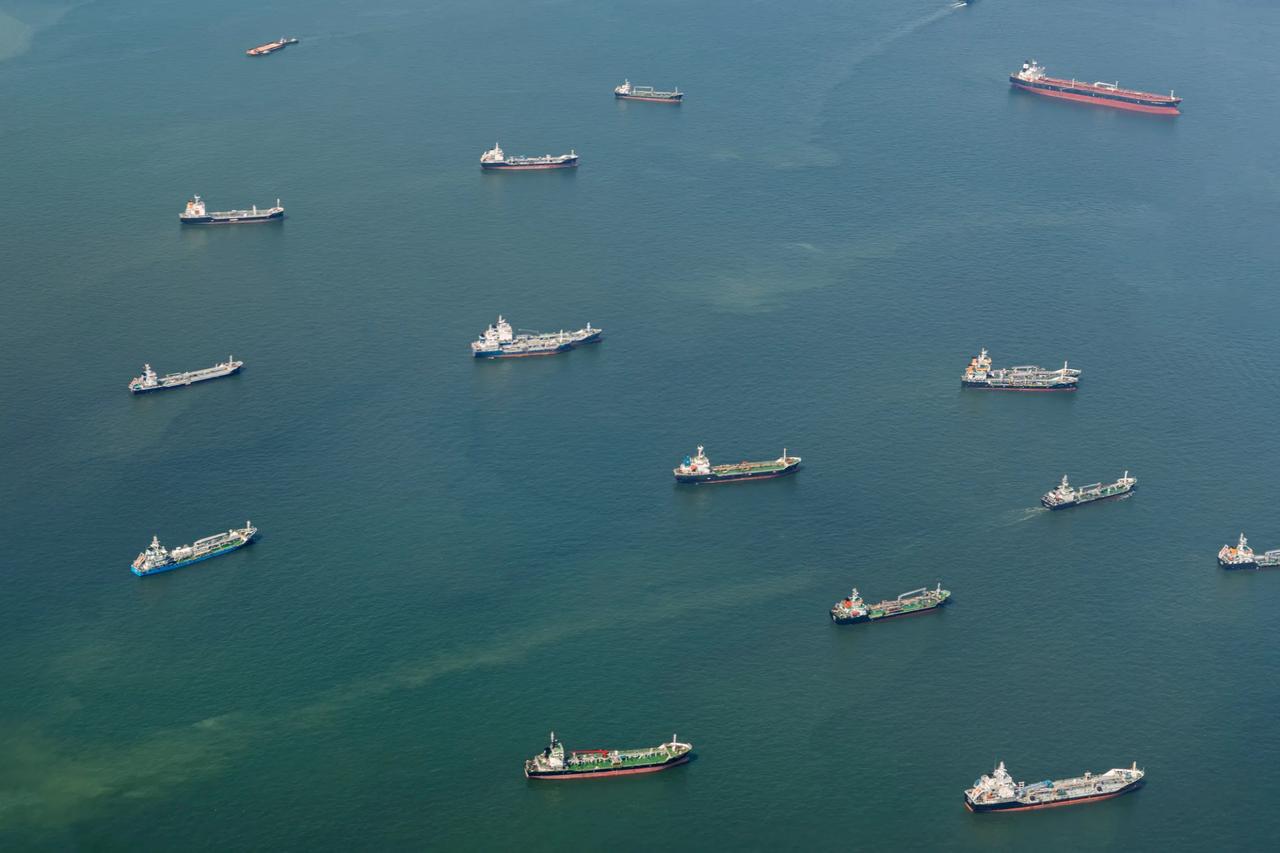


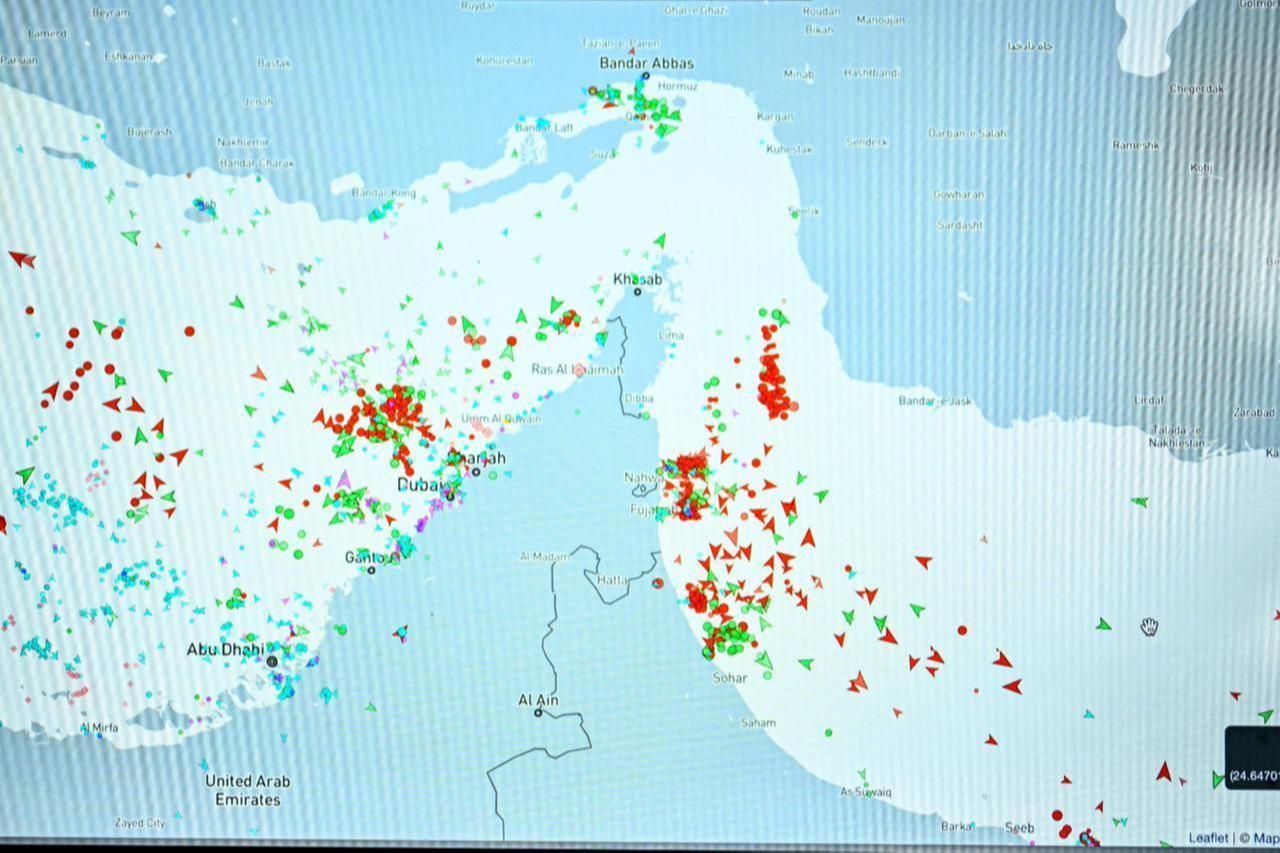
The global economy breathes through five narrow gates. These aren't just lines on a map; they are the world's most critical "choke points". From the Suez Canal and the Strait of Hormuz to the Strait of Malacca, the Turkish Straits and the Panama Canal, these five narrows are the valves of the modern world. If one shuts down, the gears of global commerce grind to a halt.
Close any one of them, and you do not merely inconvenience a shipping lane; you interrupt the supply chains, energy flows, and industrial metabolism or daily diets of entire civilizations. They are, in the most literal sense, the hinges on which the modern world swings.
For most of the post-war era, the United States acted as the world's self-appointed doorman, polishing the brass and oiling the hinges in exchange for the abstract satisfaction of a stable world order. But in January 2025, the doorman stopped swinging the doors for free. He looked at the keys in his hand and asked a cold, transactional question: "Who exactly is paying for the locks?"
The answer arrived on the steps of the Capitol. Donald Trump’s verdict was simple: the ledger was out of balance. The Panama Canal, carved by American hands and funded by American investment, was being operated by Panama, and in his telling, a Chinese playground. Fees were excessive. The canal, he suggested, ought to "come home".
It was the opening move in what has since become a recognizable pattern: the United States, under Trump, has begun treating the world's five critical waterways not as a commons to be maintained but as assets to be monetized. The story, which began in the early days of the second Trump presidency, continues in Malacca due to the circumstances created by Hormuz.

Two of those five doors of world capitalism, the Suez and the Turkish Straits, are already, conveniently, within the American alliance perimeter. Egypt remains tethered by the American security assistance it receives, while Türkiye, despite its independence of mind, remains formally within NATO.
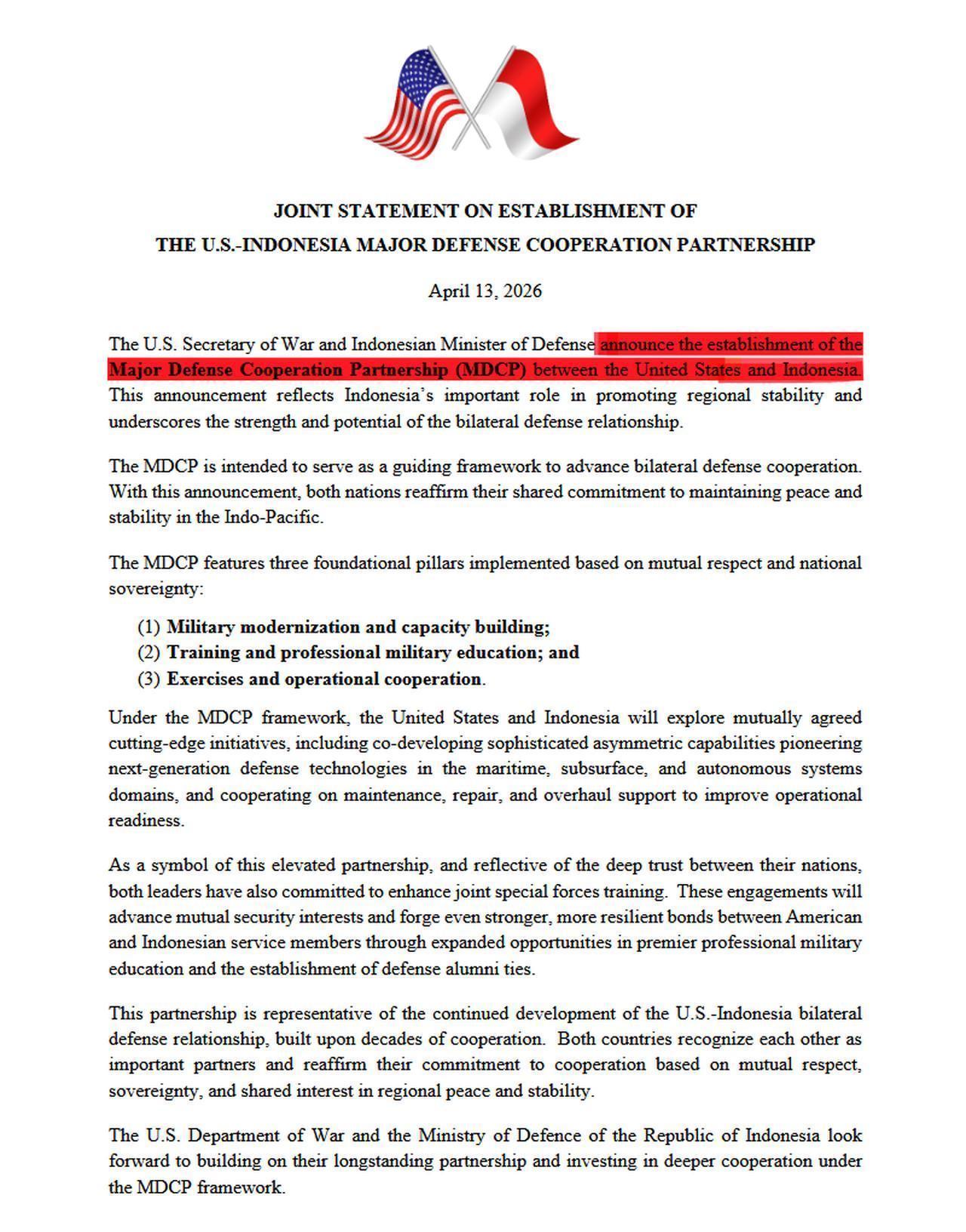
The other three require a different approach. And it is in the pursuit of the second, the Strait of Hormuz, the strategy has produced its most consequential, and most revealing, result: a Major Defense Cooperation Partnership with Indonesia, the archipelagic nation whose sovereign territory controls not one but three of the region's critical maritime passages: the Malacca corridor jointly with Malaysia and Singapore, and the Sunda and Lombok Straits entirely on its own.
Over 40% of world trade and a vast share of global oil pass through Indonesian-adjacent waters every single day, which also contains roughly 8% of China's oil imports. The doorman, it turns out, needed to negotiate with the landlord.
But why now, and how is it related to the war in Iran?
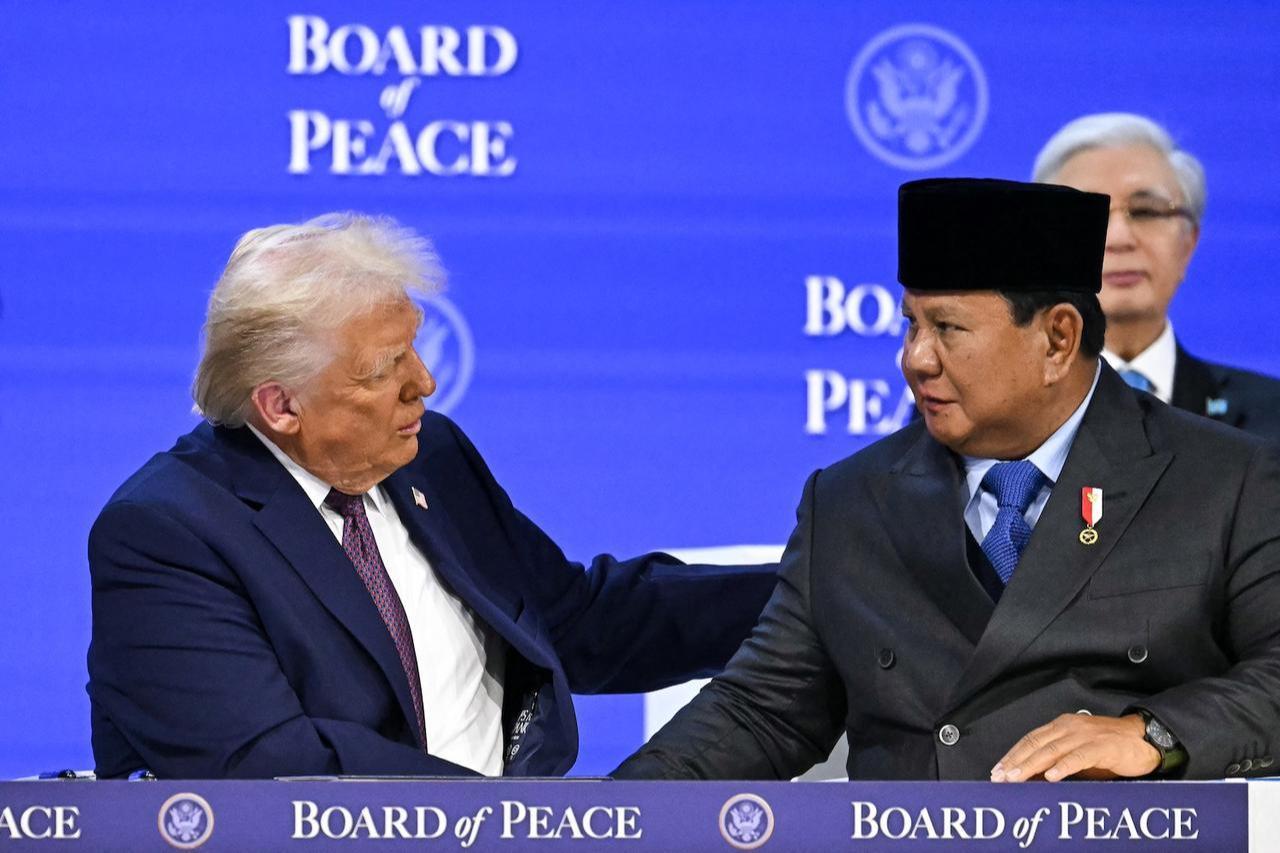
The agreement between Washington and Jakarta did not arrive as a bolt from the blue. Both countries have genuine overlapping interests in a stable, open Indo-Pacific, and Indonesia's own concerns about Chinese assertiveness in the South China Sea have long inclined it toward a cautious but real alignment with the American-led order.
What changed, and what elevated this partnership from useful to indispensable, was the damage that Trump's waterway rhetoric inflicted on the very assumptions underpinning that order.
By treating the Panama Canal and the Strait of Hormuz as imperial assets to be monetized or threatened without warning, Washington gave the nations bordering the Strait of Malacca something to think about.
If the custodian of the global commons was reinventing itself as a proprietor, then the rules of the house had changed. Suddenly, the nations perched atop the Indo-Pacific’s most vital arteries—Malaysia, Singapore, and Indonesia—found themselves holding a winning hand. They had always known they were strategically important; they just hadn't realized, until now, that their geography had become the ultimate bargaining chip.
The U.S.-Indonesia partnership is the result. In diplomatic circles, it’s framed as a stabilizing arrangement, a flurry of joint exercises and deepened defense ties designed to anchor an American presence in the world’s most loaded neighborhood. But viewed through the new Washington lens, it is simply the invoice for unsettling the old order. The toll booth had always been there; Trump simply made the world acknowledge the collector.
The figure that concentrates minds in Beijing is 80%. That is the approximate share of China's oil imports that transit the Strait of Malacca, a number burned into the consciousness of every Chinese strategic planner since at least the early 2000s, when then-President Hu Jintao described it as the "Malacca Dilemma." The response, over two decades, has been methodical: pipelines through Myanmar, rail corridors across Central Asia, the overland architecture of the Belt and Road Initiative—all aimed, at least partly, at building alternative arteries that bypass the chokepoint China does not control.
The effort has been substantial. It has also been incomplete. The sea lanes remain, for now, irreplaceable. And those sea lanes run through Indonesian sovereign territory, which is now host to a deepened American military partnership.
The Lombok and Sunda Straits offer partial alternatives, but they too fall within Indonesian jurisdiction. The uncomfortable geographic reality is that China's energy security runs almost entirely through a country that has just aligned itself more explicitly with China's principal strategic rival.
This is not, in the diplomatic vocabulary favored by Jakarta, a hostile act. Indonesia's foreign policy tradition prizes what it calls "free and active" neutrality, the freedom to engage with all parties without formal subordination to any. It maintains vast economic ties with China, and its leaders are careful to frame the American partnership in the neutral language of stability, rules-based order, and mutual benefit. But the architecture is in place. And architecture, as any engineer will note, determines what can be built on top of it.
Reducing this shift to mere recklessness is too simple. The underlying grievance, that the United States has long subsidized a global order whose dividends flow to its rivals, is backed by hard math. For decades, American naval power underwrote a frictionless maritime system, and no one exploited that openness more effectively than China. The disproportion isn't just a political talking point; it is a genuine structural imbalance.
The trouble is that the chosen remedy has corroded the one asset that made American dominance worth the price: predictability. The value of the doorman lies not in the keys, but in the universal confidence that the doors will remain open. By introducing doubt, Washington didn't just increase its leverage; it gave every nation with a geographic advantage a reason to find a new set of keys.
With the Suez and Turkish Straits remaining within the alliance, the Malacca corridor has been secured, at the cost of a partnership that required Washington to offer more than it might once have wished. The global system Trump proposed to monetise has, in effect, charged him for the rebranding.
The five doors of the global economy have not moved. They remain where geography placed them: at the junctions of continents, at the narrows between land masses, at the points where the inconvenience of geography becomes the leverage of sovereignty. What has shifted is the announced philosophy of the power that once maintained them as a commons.
The doorman who starts charging for the corridors will eventually find that the tenants are reading their leases more carefully. Indonesia read its lease. The resulting partnership is, in one sense, a bargain for American strategy, explicitly anchoring the Indo-Pacific’s chokepoints within a pro-Washington architecture. In another sense, it is a monument to the cost of unnecessary doubt.
The four doors remain open. But the locks, it turns out, have always belonged to someone else. The only question was how long it would take the world to realize it, and what it would cost Washington, once they did, to get the keys back.


 Set as preferred source
 Set as preferred source


 4 min read