Newsletters


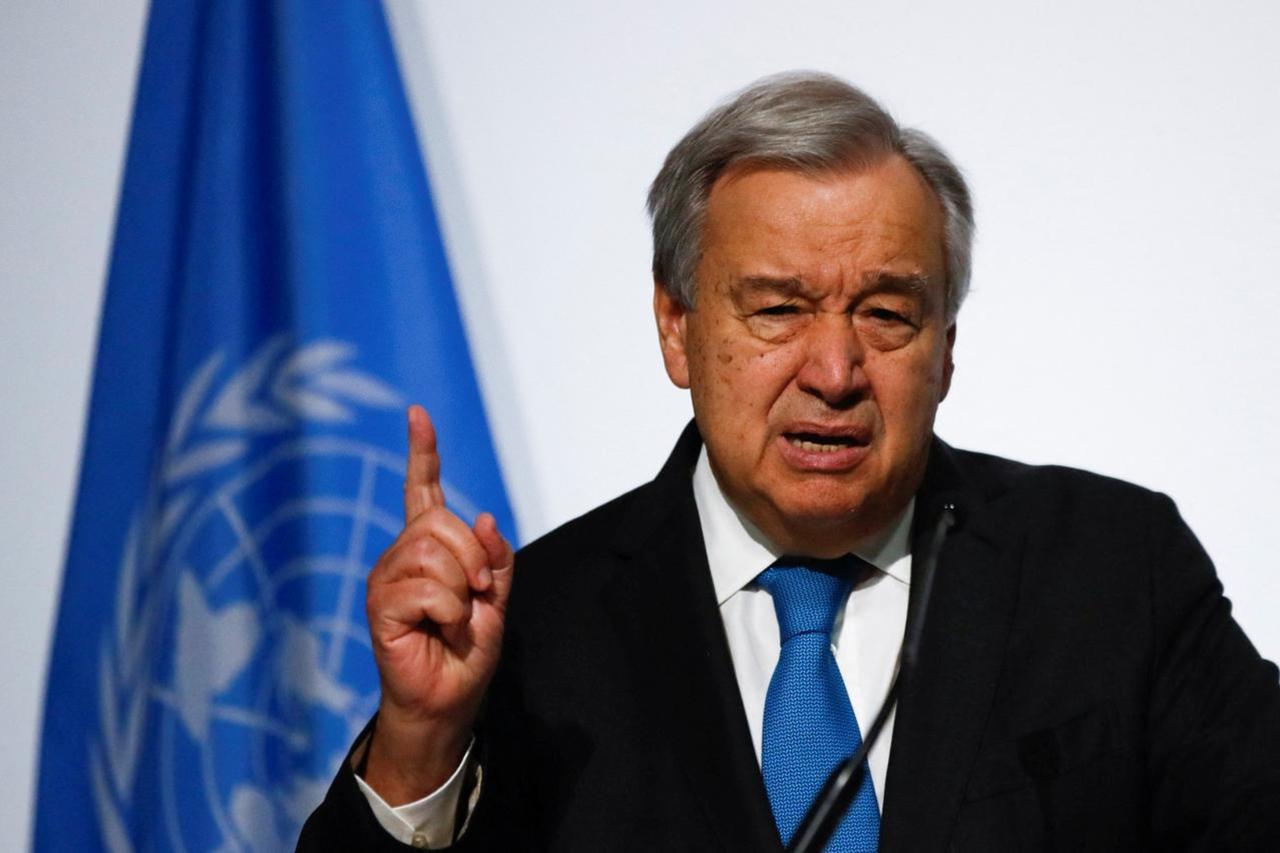


When Trygve Lie took the keys to the United Nations in 1946, he called it "the most impossible job on this earth." Eighty years and eight successors later, that description feels less like a warning and more like a permanent diagnosis.
Antonio Guterres, who took office in 2017 and is now approaching the end of his second and final term, will hand over to a new incumbent on Jan. 1, 2027. His successor won’t just inherit a sprawling bureaucracy—they’ll inherit an institution facing a midlife crisis of existential proportions.
The office commands no army, holds no veto, and depends almost entirely on the moral authority of whoever occupies it, a currency that has been running at a considerable discount lately.
Wars in Ukraine and Gaza, a Security Council in perpetual deadlock, and a cash liquidity crisis driven in part by Washington's chronic late payments have left the organization looking like a very expensive debating club.
The next secretary-general will inherit an institution grappling with a liquidity crisis, paralyzed decision-making in key bodies, and growing skepticism about its relevance in a rapidly fragmenting global order. Wars across multiple regions and repeated violations of international norms have further exposed the limits of the U.N.’s ability to enforce its mandate.
Against this backdrop, the selection process, often opaque and shaped by great-power politics, has begun to take shape, with four prominent candidates.
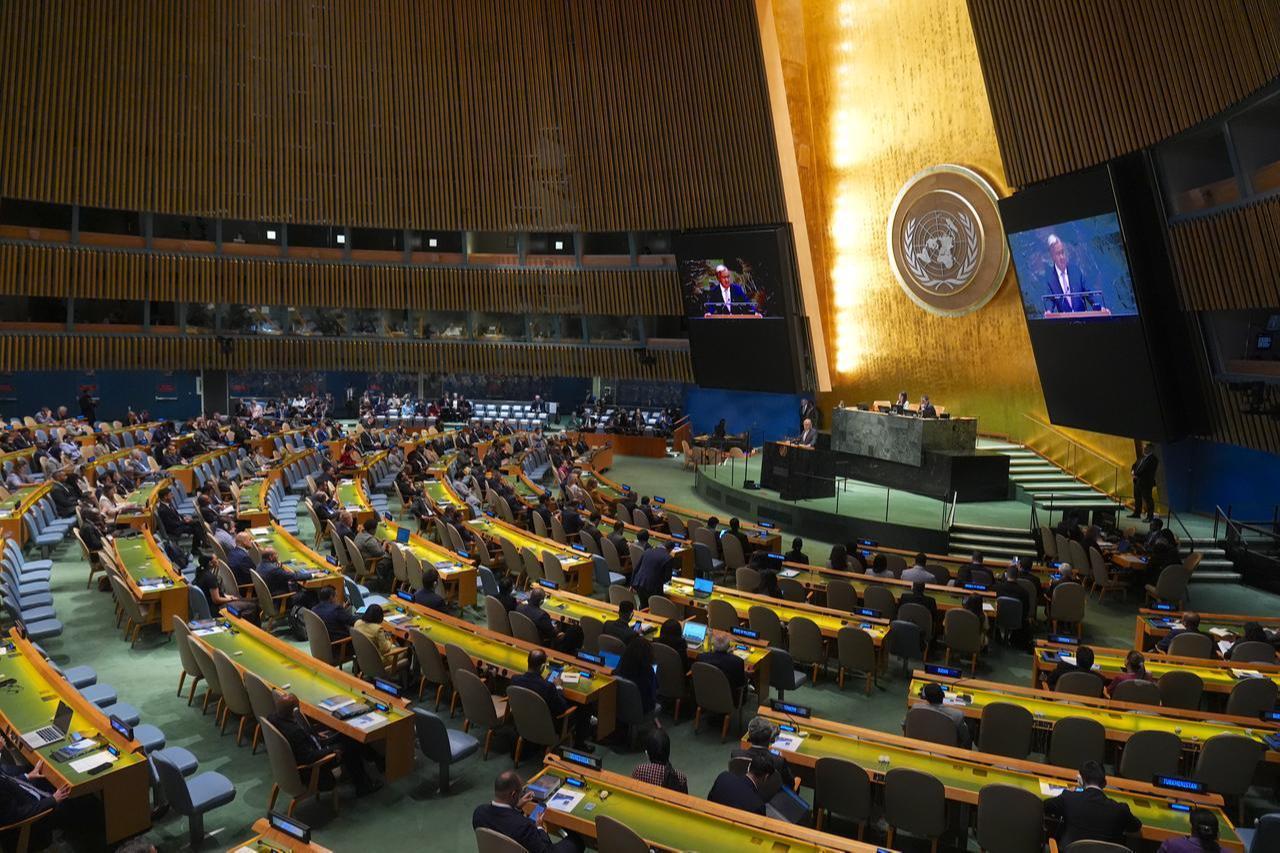

On paper, the selection is a simple procedural hand-off. A candidate is nominated by a member state, vetted by the Security Council, and then confirmed by the General Assembly. In reality, the keys to the office are held by the five permanent members—the United States, China, Russia, France, and the U.K. To move forward, a candidate needs nine Council votes and, crucially, zero vetoes from the permanent five. Once that hurdle is cleared, the 193-member General Assembly holds a majority vote to formalize a five-year term, with a second-term renewal remaining the traditional expectation.
What is less formal, but no less consequential, is the web of conventions that shapes who is actually considered viable. Then there is the "regional rotation"—a loose but influential gentleman's agreement that currently points toward Latin America, a region that hasn't held the seat since 1991. Three of the four current candidates are Latin American. Perhaps most significant is the mounting pressure to break the U.N.’s ultimate glass ceiling. After eight decades and nine men, there is a loud, global consensus that the next secretary-general should be a woman.
A decade ago, transparency measures introduced to the process added something that makes it feel, at least superficially, rather more recognizable: candidates now submit a CV and a vision statement not unlike a cover letter, and participate in what are effectively public job interviews—formally called interactive dialogues—before the General Assembly and civil society. The stagecraft is democratic. The actual decision-making is not. Behind-closed-doors deliberations in the Security Council, beginning in late July, will determine the outcome. The formal appointment is expected between August and October.
The U.N. Charter defines the secretary-general as the organization’s chief administrative officer, but the role extends far beyond bureaucracy. The office combines executive leadership with diplomatic activism.
The secretary-general’s mandate is split between the clerical and the clinical. On one hand, they manage the vast machinery of the Secretariat—directing everything from blue-helmet peacekeeping to massive humanitarian relief. On the other, the role is inherently political. Armed with the power to flag global threats to the Security Council, the Secretary-General acts as the world’s chief mediator and its most visible moral advocate when diplomacy begins to fail.
In practice, the role demands a balance between moral authority and political pragmatism. The secretary-general is expected to uphold the principles of the U.N. Charter while navigating the competing interests of member states, particularly the five permanent members of the Security Council.
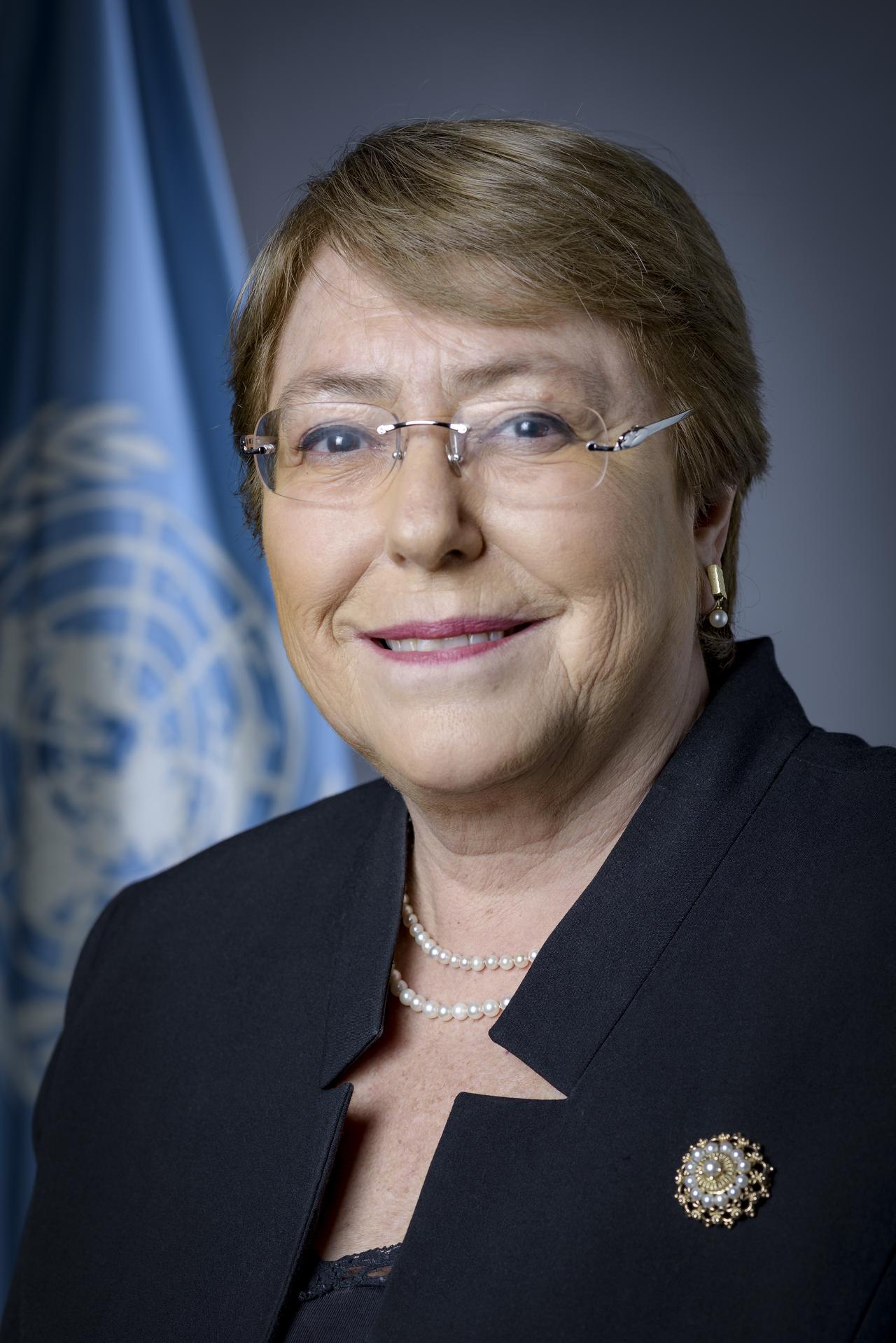
Michelle Bachelet enters the race with the heaviest resume and the most complicated political baggage. A former two-term president of Chile and a veteran of the U.N.’s top human rights post, she was initially propelled by a regional powerhouse bloc of Brazil, Mexico, and her own country. However, the political winds have since shifted; Chile’s new right-wing administration has withdrawn its support after taking office earlier this year.
Bachelet has foregrounded human rights in her campaign and cast herself as an active, present secretary-general—someone who would be on the ground, in dialogue, making herself available to all parties in a crisis. She would satisfy both the Latin American and the female representation demands simultaneously, and she brings substantial executive experience at both the national and international levels. Her central obstacle, however, may prove to be the United States.
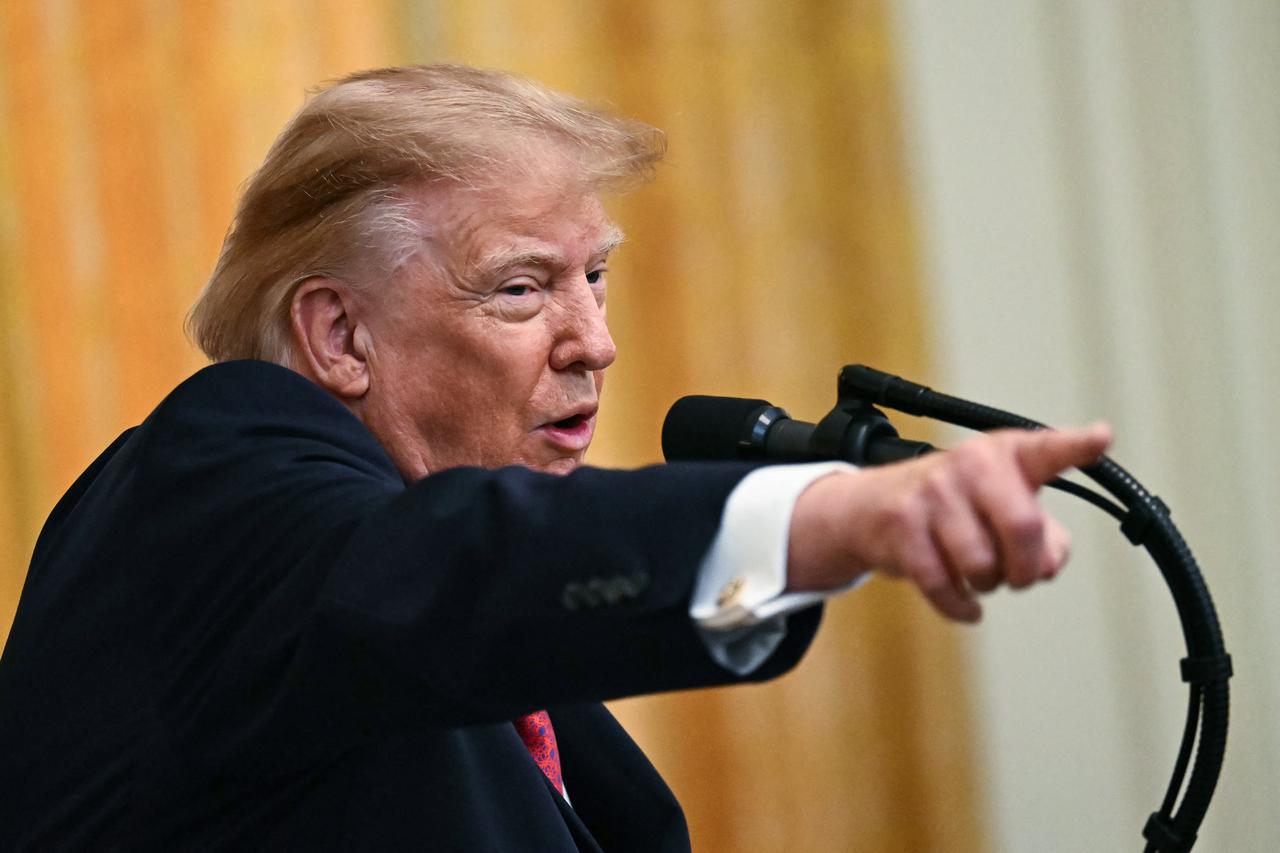
A coalition of Republican legislators has already urged Washington to veto her candidacy, citing her position on abortion rights as disqualifying. Whether the U.S. administration acts on that pressure remains to be seen, but the threat is real and the veto is absolute.
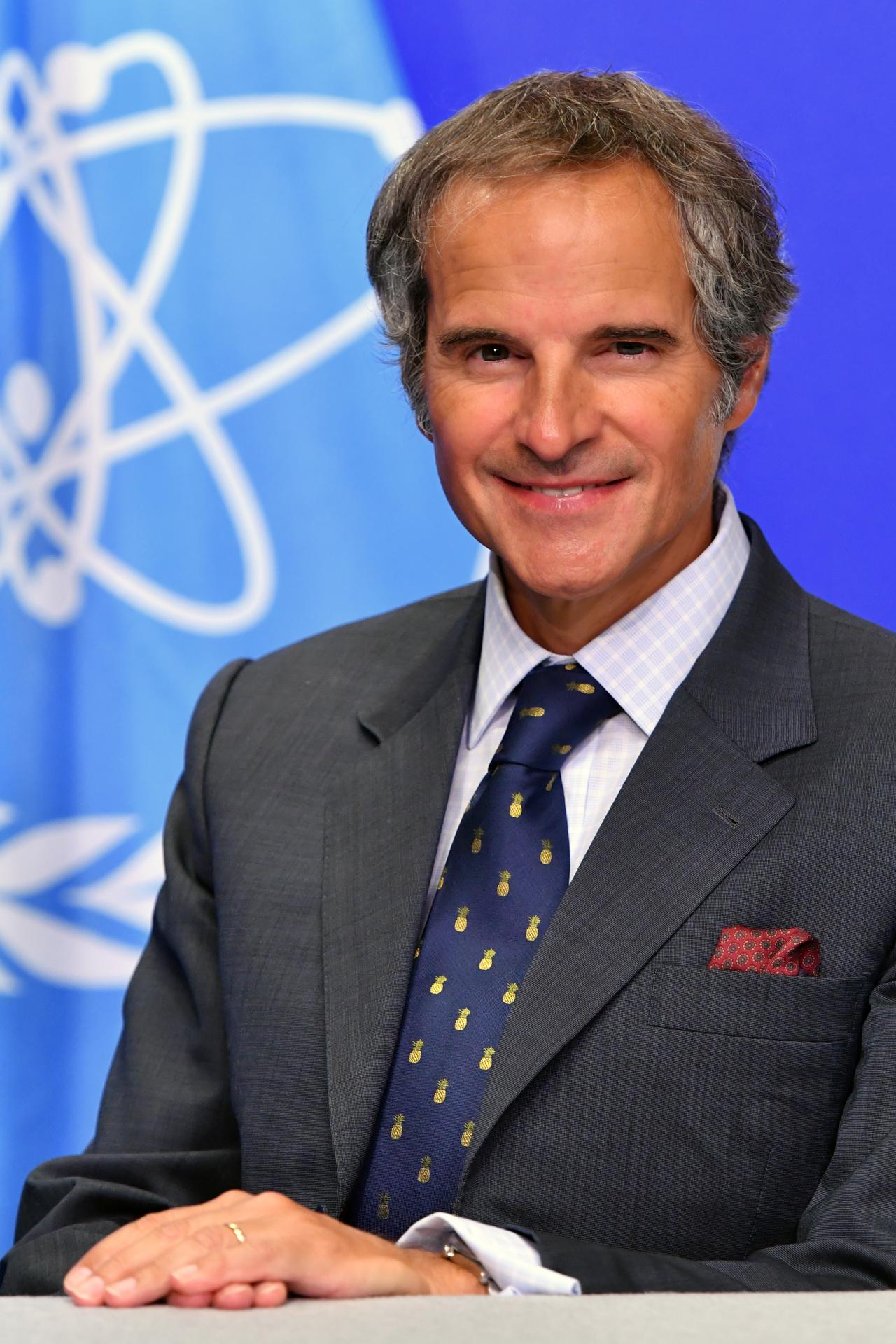
Where Bachelet offers high-profile activism, Rafael Grossi offers high-stakes technical credibility. The director-general of the International Atomic Energy Agency—a position Grossi has held since 2019 and, notably, has not vacated while running for secretary-general, in what critics have described as a breach of U.N. norms that has gone unpunished. His visibility in recent years has been considerable: the Russian invasion of Ukraine put nuclear risk at the center of global attention, and Grossi's shuttle diplomacy around the Zaporizhzhia plant gave him a credibility that no other candidate can match on security and crisis management grounds.
Grossi is widely considered the front-runner, and his relatively establishment-friendly pitch is clearly calibrated to avoid provoking any of the veto-wielding powers. The irony is that this very caution—his apparent determination to be nobody's enemy—is also his most frequently cited limitation as a potential secretary-general. His prospects are additionally entangled with the outcome of ongoing U.S.-Iran nuclear negotiations, which could either reinforce or undercut his standing depending on how they resolve.
Rebeca Grynspan is a former vice-president of Costa Rica and currently heads UNCTAD, the U.N.'s trade and development agency. She is, by the metrics that dominate coverage, the lowest-profile of the four—but analysts have noted that this may work in her favor when it comes to generating the kind of broad, frictionless consensus that Security Council approval requires.
Her most concrete credential is her role in negotiating the Black Sea Grain Initiative during the Ukraine war, which demonstrated a capacity for patient, unglamorous, multi-party deal-making that is arguably the core skill the job demands. She has been unusually direct in her critique of the U.N.'s institutional culture, describing it as "too risk-conservative," and has pledged to govern as an activist secretary-general willing to put forward proposals even knowing that many will be rejected. She meets both the Latin American and female representation criteria.
Macky Sall is a former head of Senegal and served as chairperson of the African Union. He is the only candidate who is neither from Latin America nor a woman, and his pitch leans heavily on Global South solidarity and the urgent need to reinvigorate multilateralism. His candidacy, however, has been weakened by a conspicuous absence of unified African support. Most damagingly, Senegal itself—his own country—is not backing him, citing his record of suppressing political opposition during his final years in office and his role in what was described as a turbulent and contested transfer of power. It is difficult to build a coalition from the outside in when the home base has declined to show up.
Türkiye has a specific and non-trivial stake in this outcome. Ankara has spent the better part of the past decade building a foreign policy that works precisely because it does not fit neatly into any bloc—NATO member and dialogue partner with Moscow, mediator between Ukraine and Russia, active player in Africa and the Gulf, and a country that took considerable credit for the Black Sea Grain Initiative.
A secretary-general who understands and can work within that kind of multi-directional diplomacy is an asset. One who approaches the role as a vehicle for selective moral authority—robust on some crises, conspicuously muted on others—is a liability. Türkiye's consistent position on human rights, most visibly its firm stance on Gaza, demands a secretary-general willing to apply international law and humanitarian principles without exception or geopolitical convenience.
On that basis, arguably the most compatible choice for Türkiye's interests would be the one who aligns most closely with the kind of pragmatic, coalition-building, mediator diplomacy that Ankara has made its signature—someone with a demonstrated record of bringing hostile parties to the table, a development agenda that speaks to the Global South without alienating the U.S. The candidate's ability to generate broad consensus without becoming a P5 instrument matters as much as their stated vision.
Türkiye’s ideal secretary-general does not exist—but then again, neither does anyone else’s. The parameters of the role have always remained beyond any single nation's ability to dictate, and that is precisely what makes it the world’s most impossible job.


 Set as preferred source
 Set as preferred source


 4 min read