Newsletters


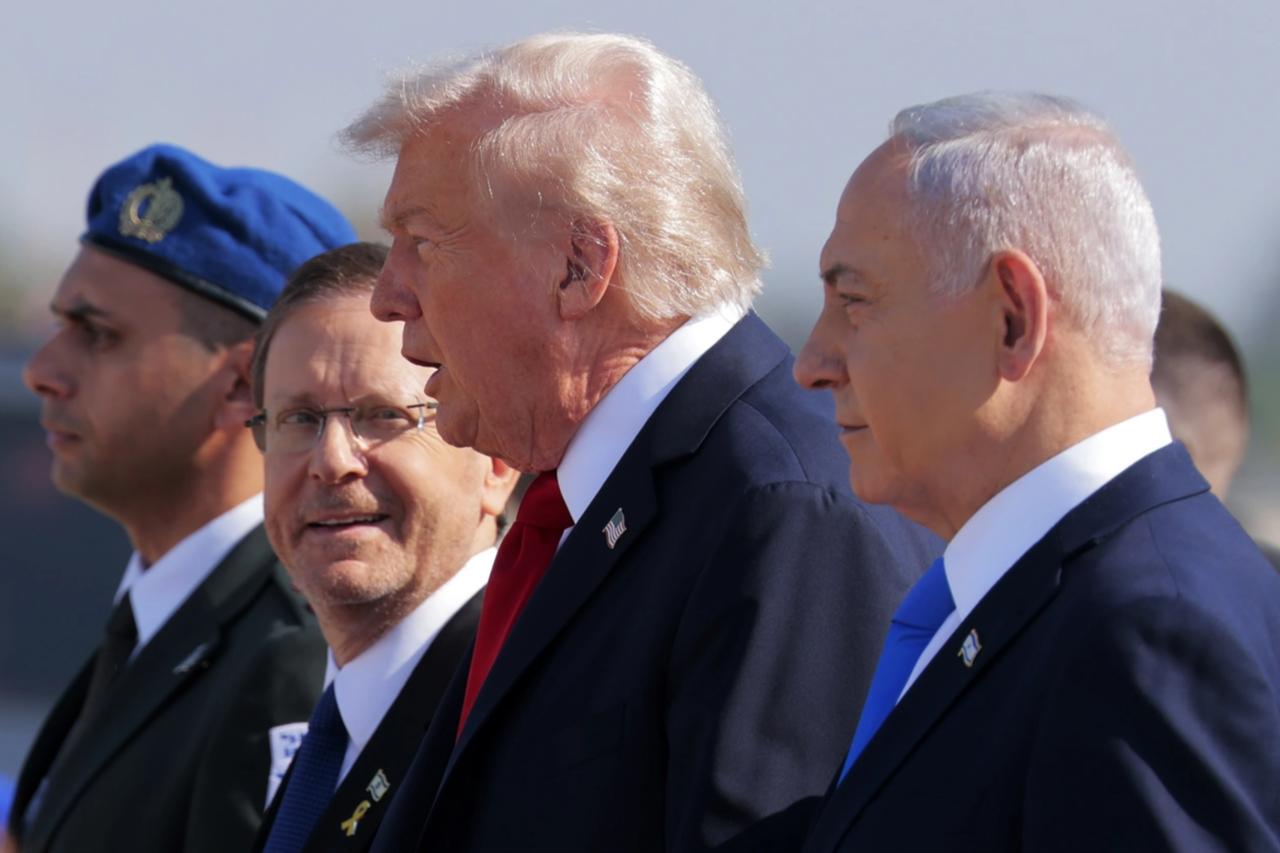


United States President Donald Trump has launched an unprecedented verbal attack on Israeli President Isaac Herzog, calling him "weak and useless," while declaring that his relationship with Prime Minister Benjamin Netanyahu has never been stronger, in an exclusive interview with Israel's Channel 14.
The interview, conducted by the network's Washington correspondent Libi Alon, was set to air during Channel 14's main evening broadcast. It was expected to generate significant reverberations in both Jerusalem and Washington.
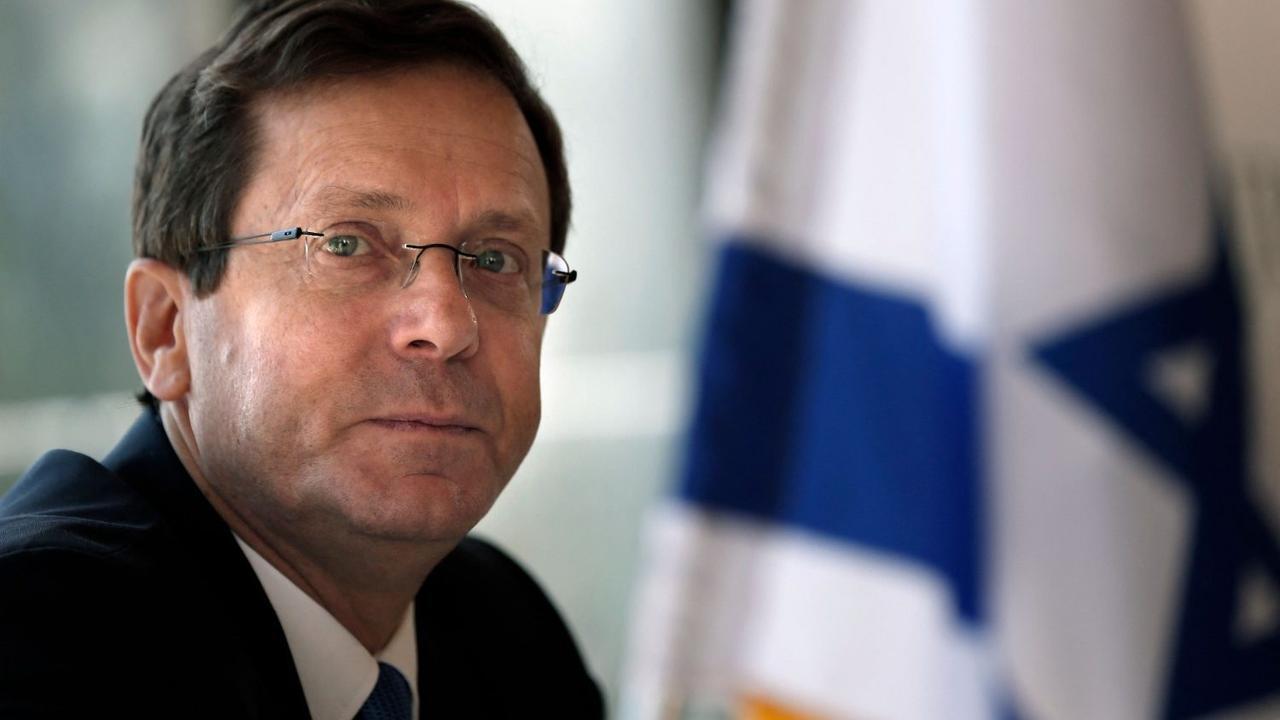

The most striking portion of the interview centered on Herzog's role in the ongoing debate over a potential pardon for Netanyahu, who has faced a years-long corruption trial. Trump directly accused the Israeli president of exploiting his clemency powers as a political tool.
"Your president is a weak and useless person," Trump said. "He is exploiting the pardon authority and dangling it over Bibi's head."
The remarks represent a rare, direct intervention by a sitting U.S. president in Israeli domestic political affairs, particularly regarding the sensitive intersection of judicial proceedings and executive clemency powers. Under Israeli law, the president holds the authority to grant pardons, a function that has drawn intensified public scrutiny amid speculation about whether Herzog might use it in Netanyahu's case.
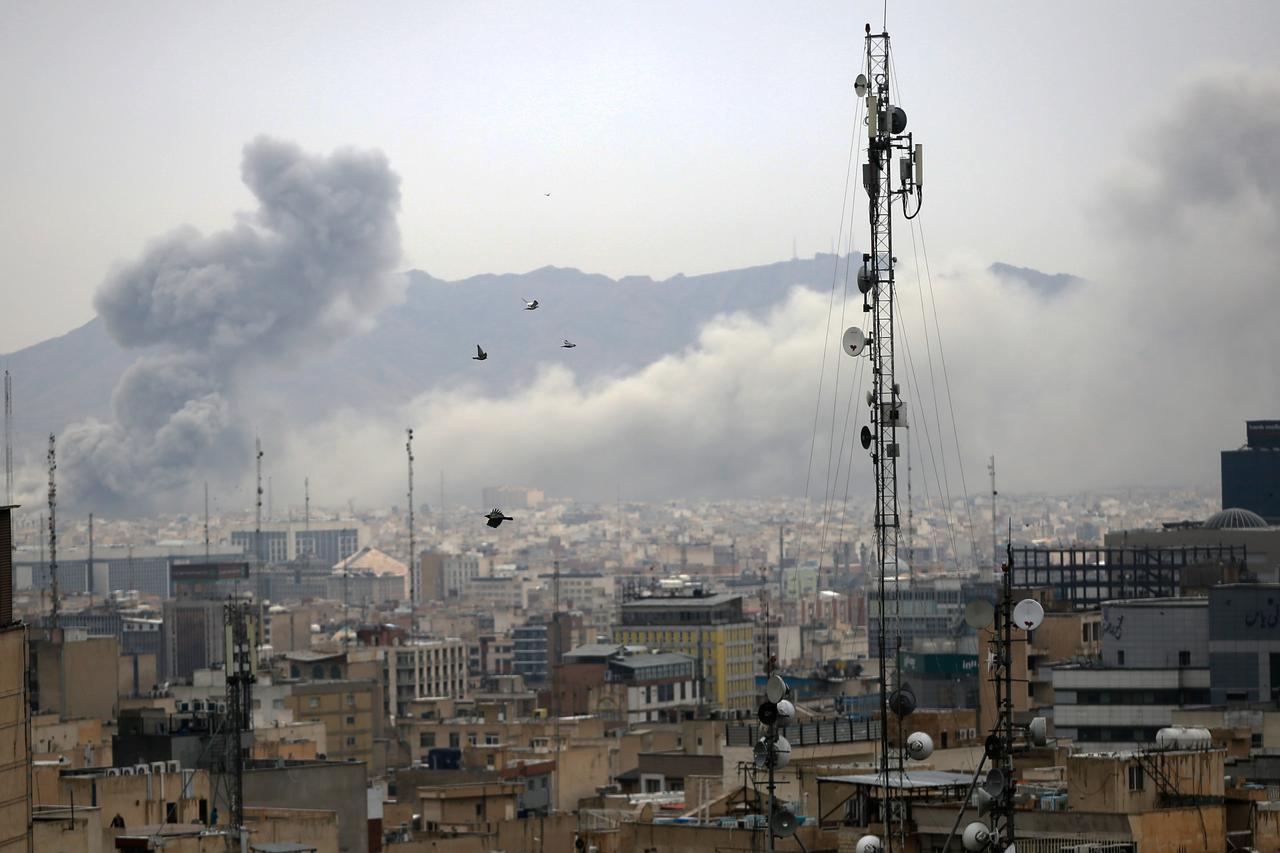
Trump also addressed the ongoing U.S.-Israel joint military operation dubbed "Roar of the Lion," now in its third week. He pushed back forcefully against media reports suggesting tension between the two governments over the operation, singling out journalist Barak Ravid by name.
"That is wrong, a lie, fake news at a third-grade level," Trump said of the reporting. "It is exactly the opposite, the relationship between me and Netanyahu has never been better."
 2 min read

The full interview, hosted by anchor Magi Tabibi, was broadcast at 19:50 local time on Channel 14, a network widely viewed as sympathetic to Netanyahu's governing coalition. Trump's decision to grant the exclusive to the outlet, rather than to one of Israel's legacy broadcasters, itself carried political undertones.
Trump's comments about Herzog are likely to deepen existing fault lines in Israeli politics, where the president's office has traditionally been seen as a unifying, largely ceremonial institution positioned above partisan conflict. His remarks about the pardon issue could also intensify pressure on Herzog at a moment when the Israeli president faces competing demands from across the political spectrum.
The interview additionally touched on Trump's broader vision for the future of the Middle East and the U.S.-Israel alliance, though full details were to be revealed in the evening broadcast.


 Set as preferred source
 Set as preferred source


 1 min read