Newsletters


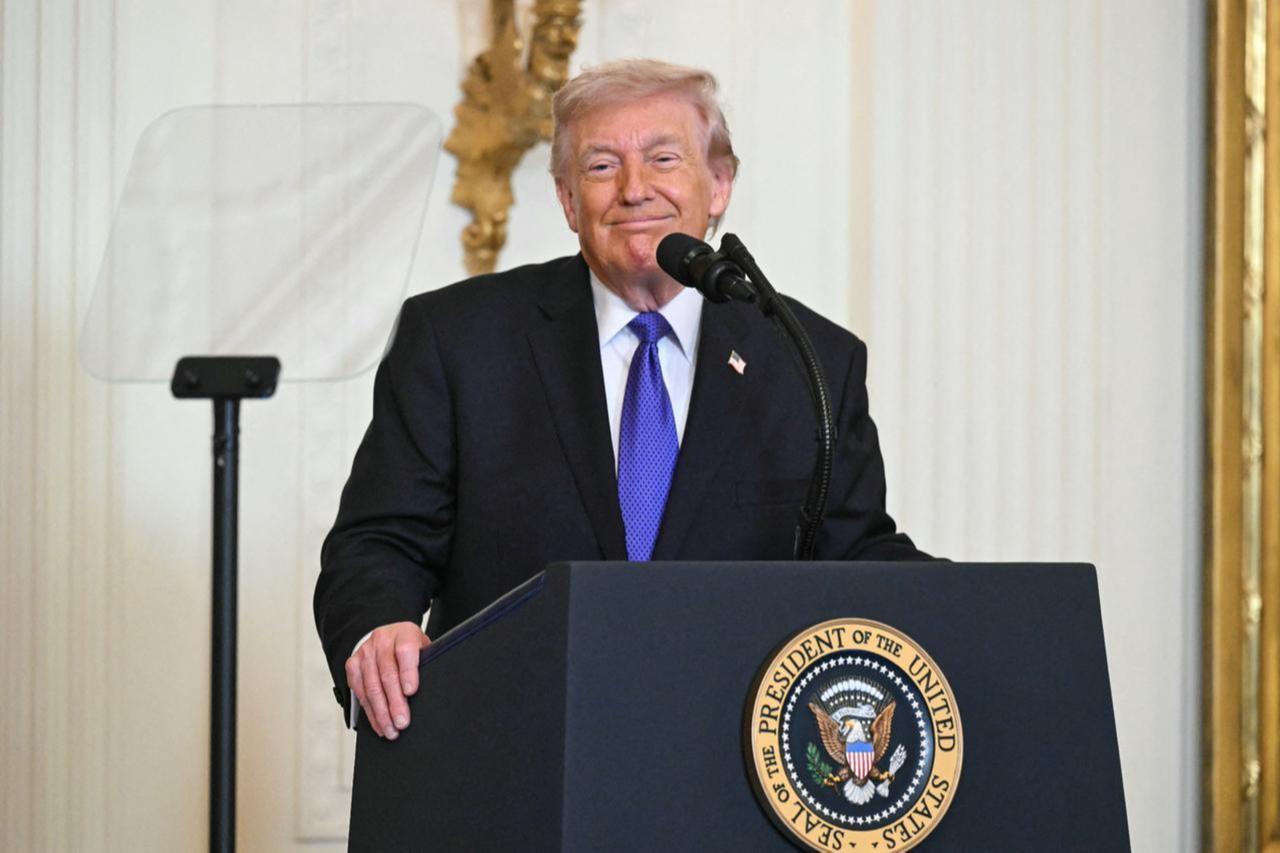


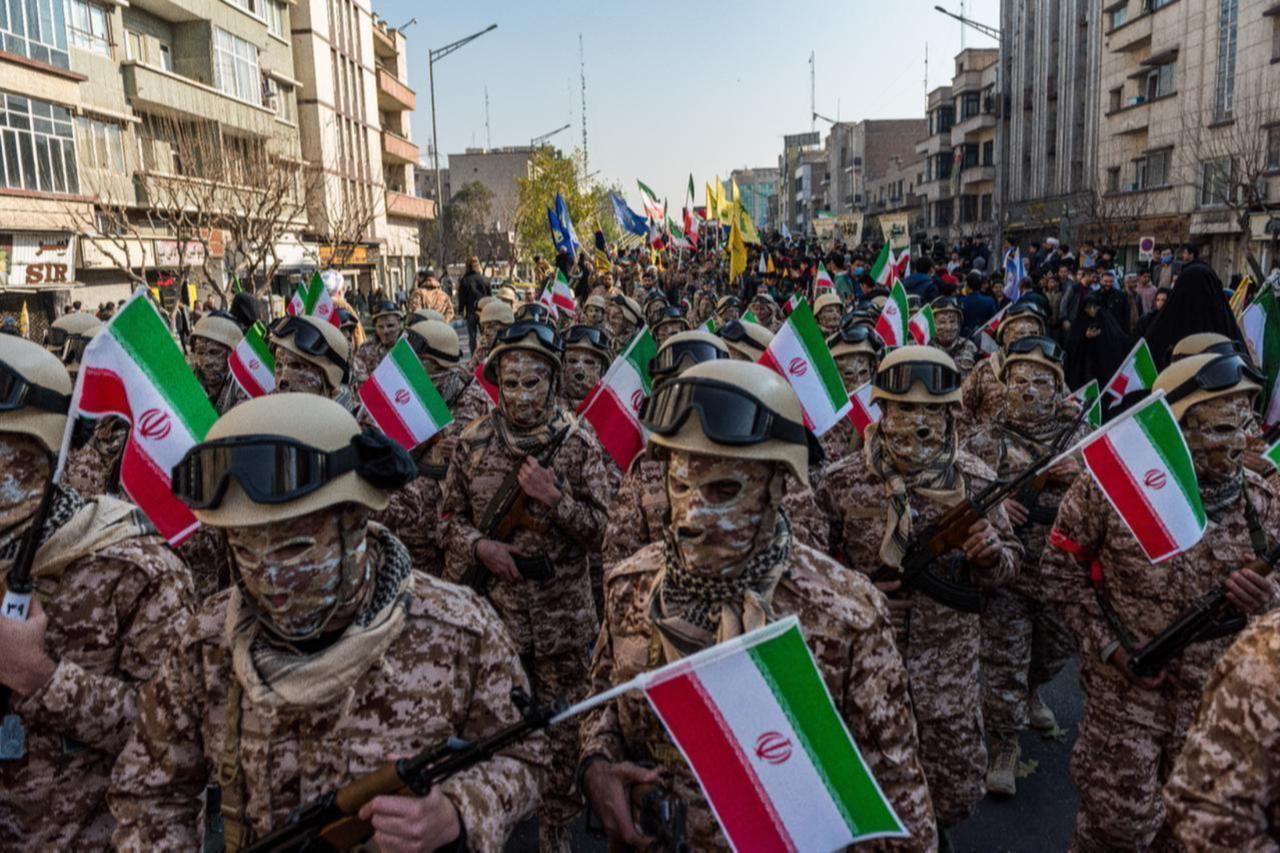
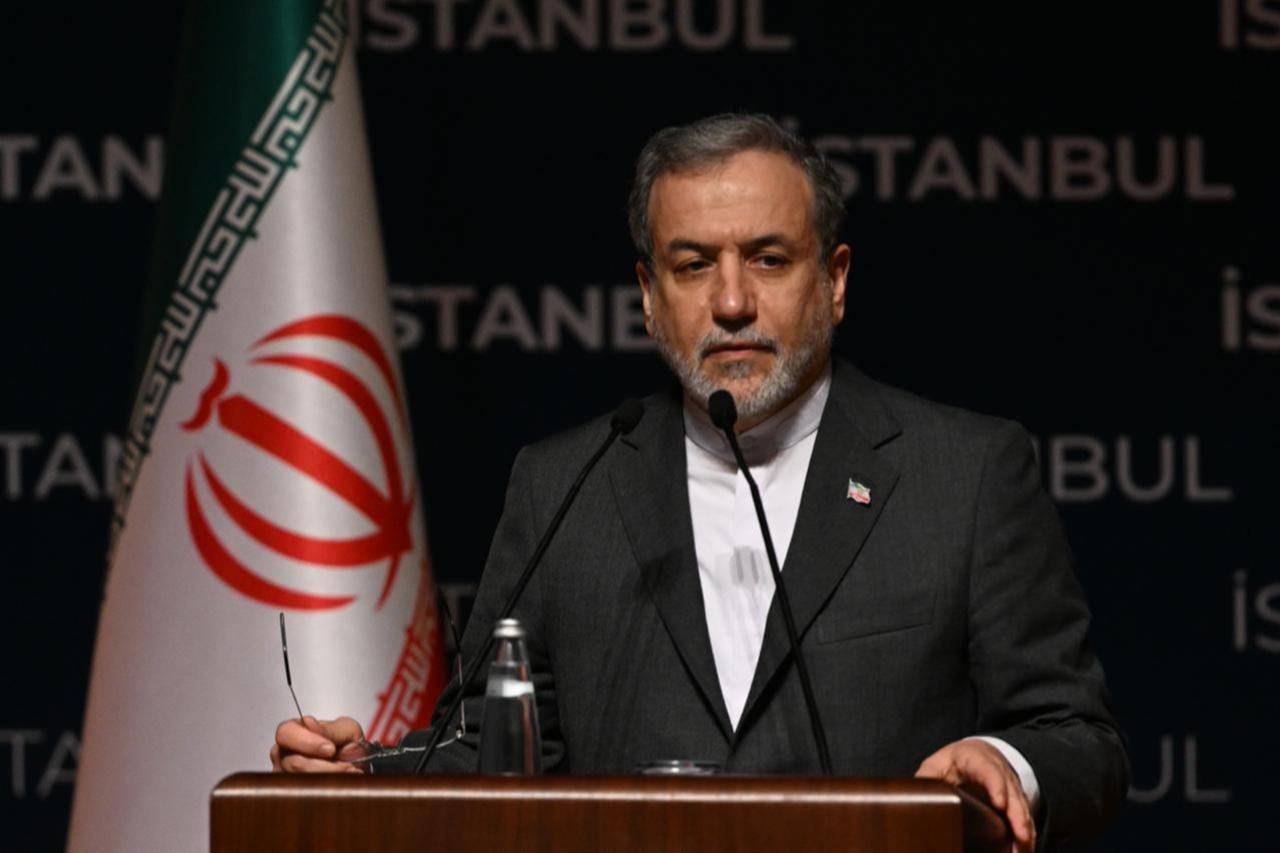
President Donald Trump on Sunday declared that Iran's next supreme leader must receive his personal approval, warning that any leader who fails to secure it would "not last long," as the U.S.-Israeli military campaign against Iran entered its second week with no clear end in sight.
In an interview with ABC News aboard Air Force One, Trump inserted himself directly into the question of who will lead Iran following the assassination of Supreme Leader Ali Khamenei during the opening strikes of the conflict on February 28. The remarks represent the most explicit assertion yet by any American president of a claimed veto over the internal leadership of a sovereign nation.
"He's going to have to get approval from us," Trump said of Iran's eventual new leader. "If he doesn't get approval from us he's not going to last long."
Trump said he would be open to a successor with connections to Iran's existing power structure. "I would, in order to choose a good leader I would, yeah, I would. There are numerous people that could qualify," he said.
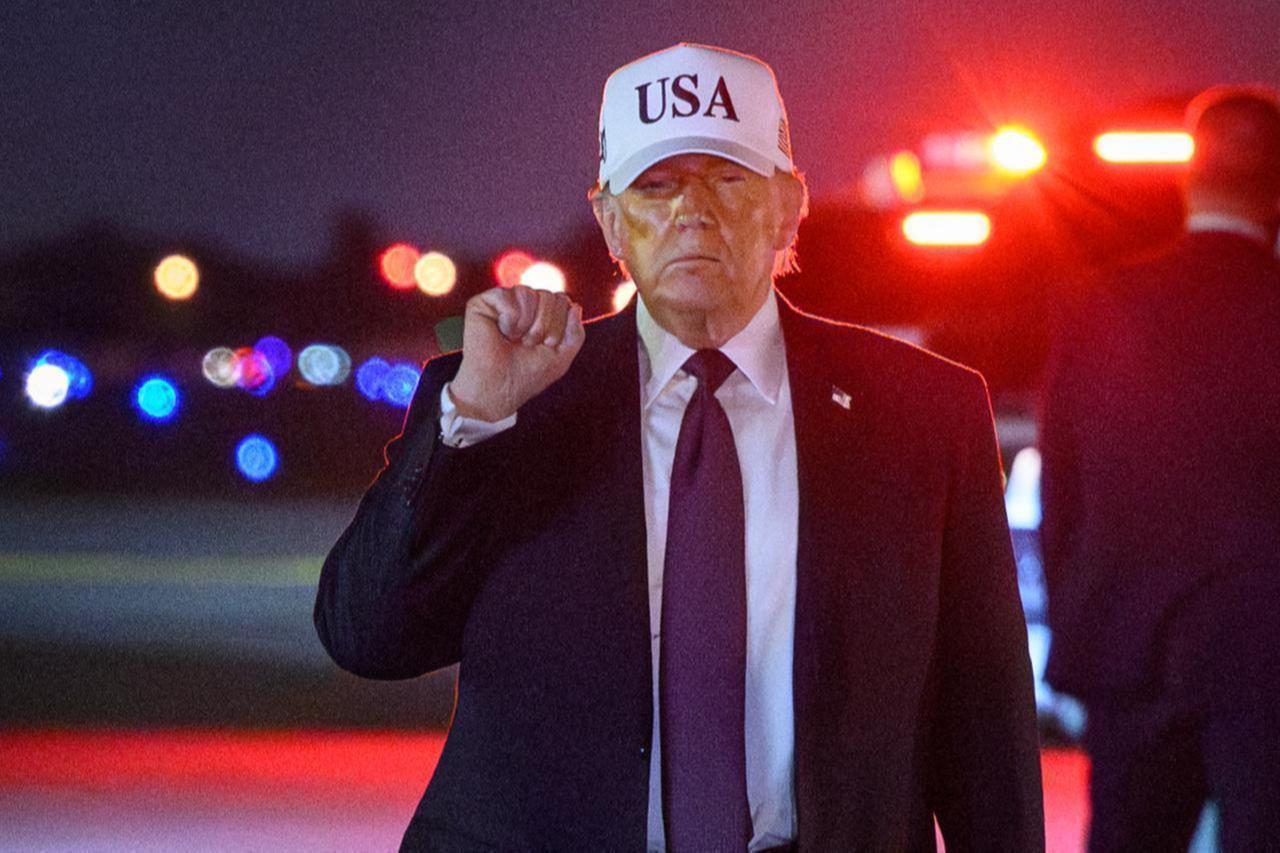

The president offered a sweeping justification for the ongoing military operation, asserting that Iran had been planning to seize control of the entire Middle East before the U.S. intervened.
"They are a paper tiger. They weren't a paper tiger a week ago, I'll tell you. And they were going to attack," Trump said. "Their plan was to attack the entire Middle East, to take over the entire Middle East."
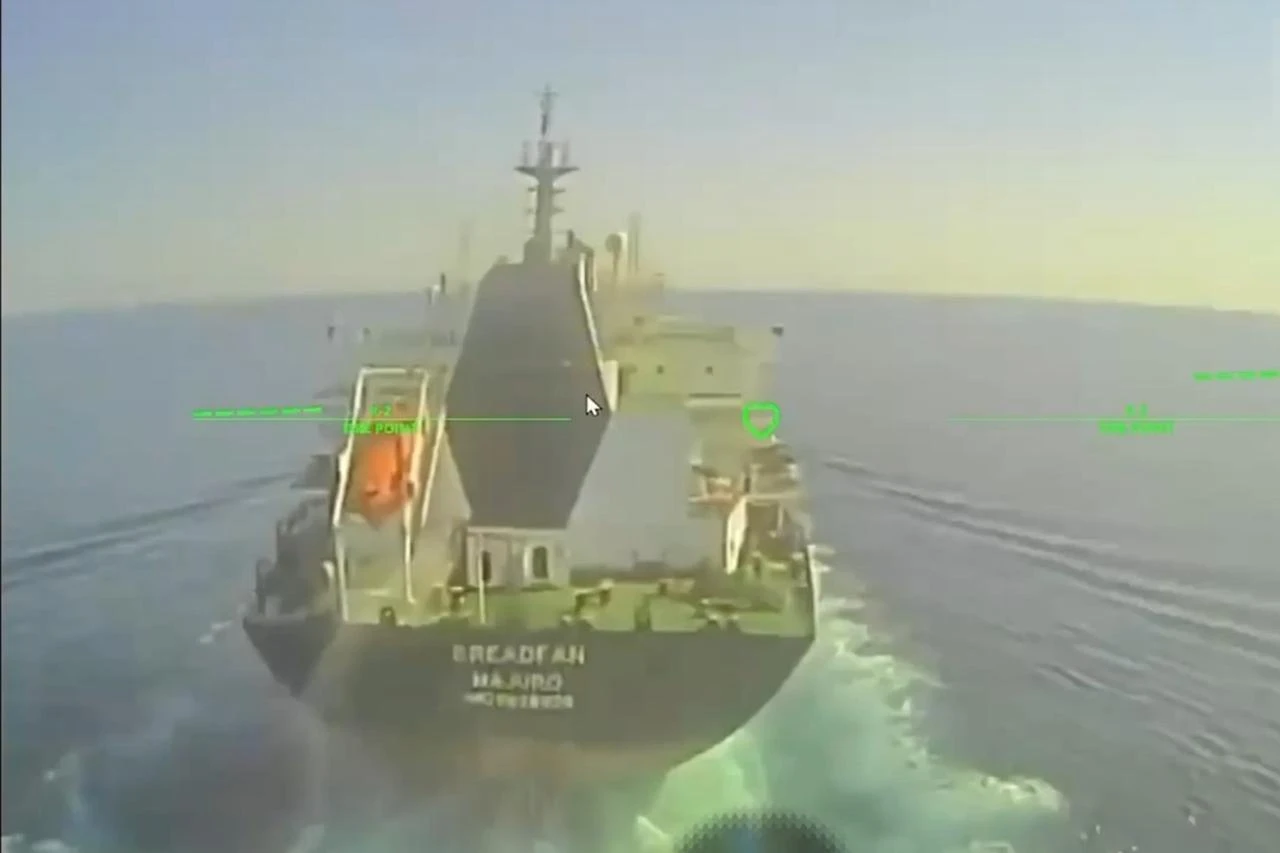
Trump catalogued what he described as a near-total dismantling of Iran's conventional military capability, claiming the U.S. had sunk 44 Iranian naval vessels, destroyed the country's air force, and eliminated its telecommunications and air defense systems. "They have absolutely no defense. All they have is talk," he said.
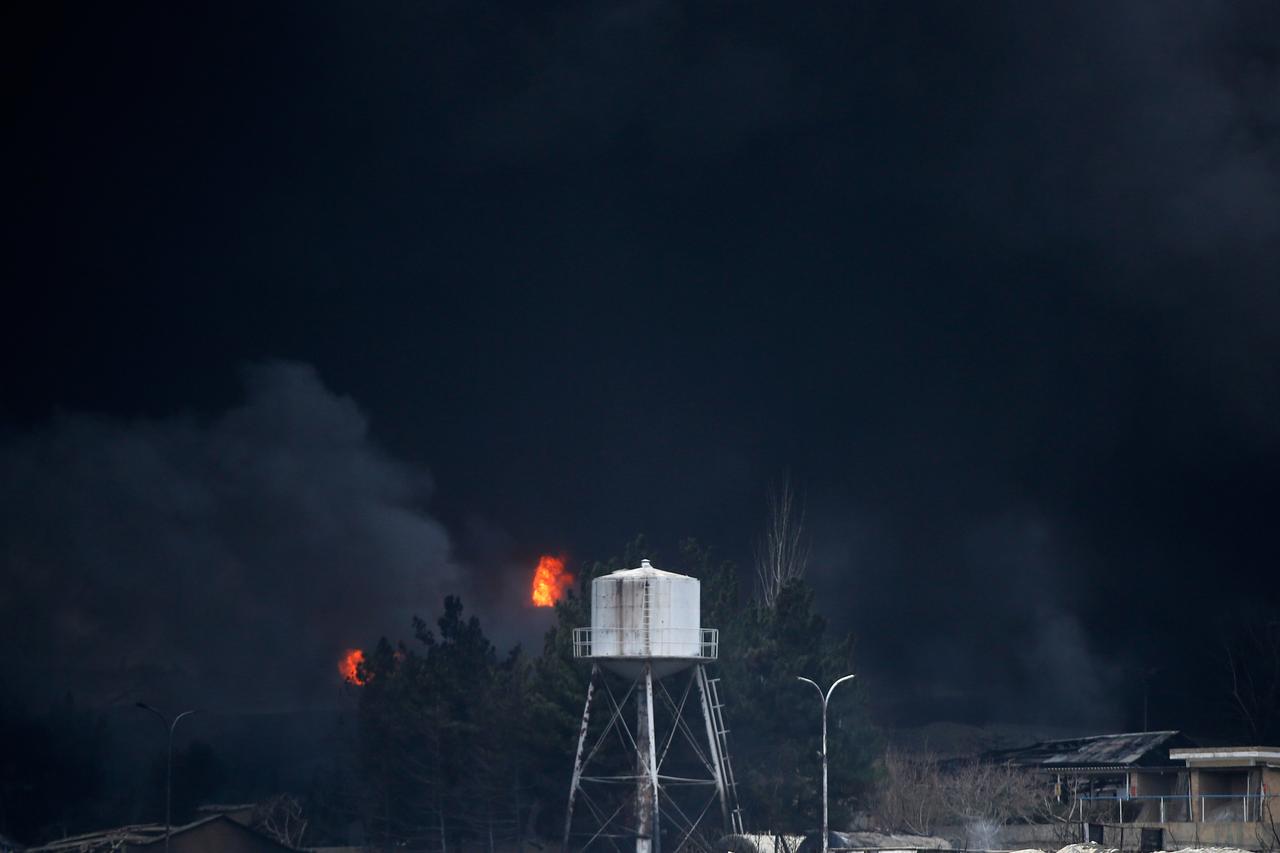
The military campaign, which began with joint U.S.-Israeli strikes on February 28, has already hit more than 1,700 targets inside Iran. It follows last summer's Operation Midnight Hammer, a separate American strike on Iran's nuclear enrichment facilities at Natanz, Isfahan, and Fordow using B-2 stealth bombers and Tomahawk cruise missiles. Despite the administration's repeated claims that those June 2025 strikes "obliterated" Iran's nuclear program, a senior administration official told reporters last week that Iran had enriched enough uranium to reach weapons-grade material in 10 days or less.
Much of that uranium is believed to be stored at the very sites bombed during Operation Midnight Hammer, according to the official, who noted that physically controlling the territory could allow American personnel to dilute the material on-site.
"In theory, if we had physical control of that territory, if we had physical control of those places where it's located, we could send our people in and dilute it on premise," the official said.
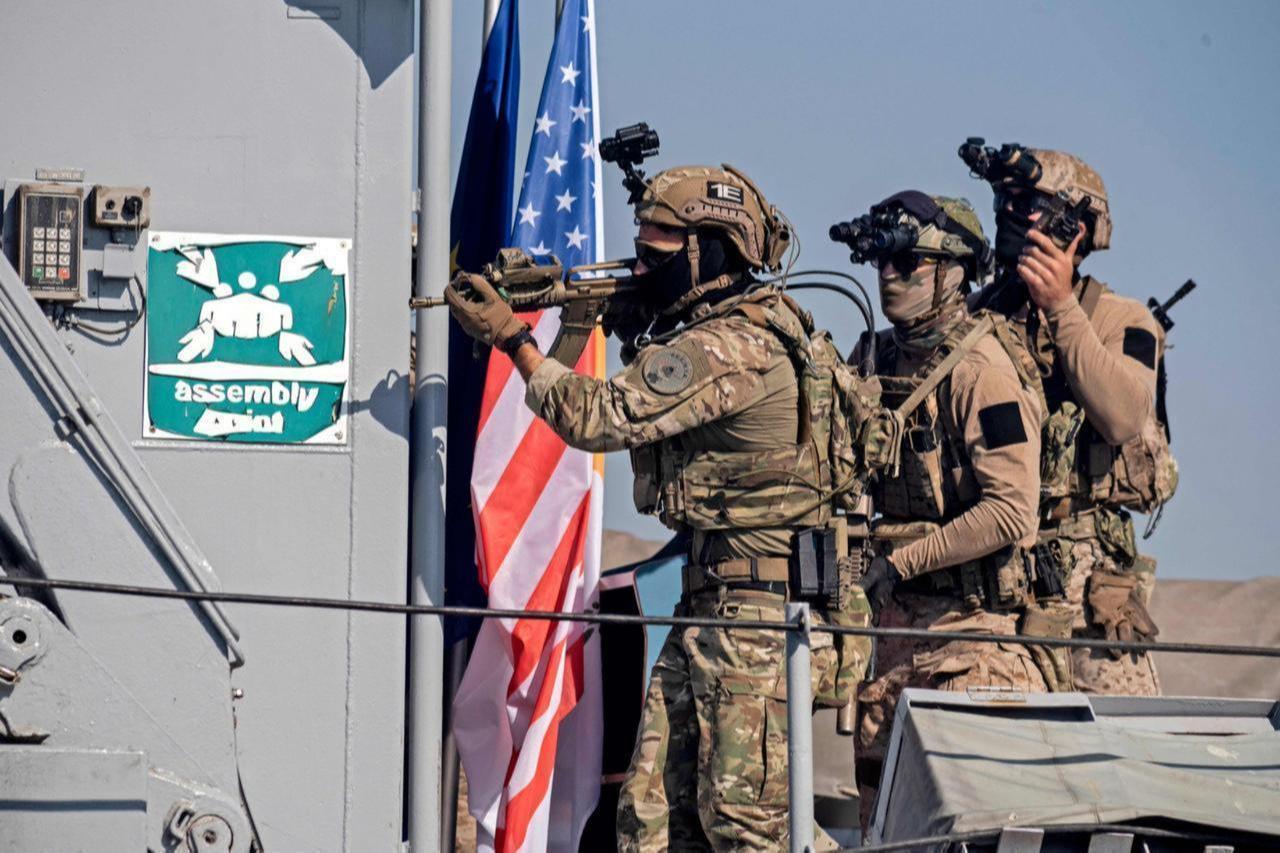
Trump has not ruled out deploying special operations forces to seize Iran's enriched uranium stockpile. "Everything is on the table. Everything," he said.
The president framed the operation's long-term goal in terms of preventing a recurring cycle of confrontation. "I don't want people to have to go back in five years and have to do the same thing again or worse let them have a nuclear weapon," he said.
Trump spoke publicly for the first time about meeting the families of six U.S. soldiers killed when an Iranian drone struck a tactical operations center at Shuaiba port in Kuwait on March 1, the first American combat deaths of the conflict. The soldiers, all Army reservists assigned to the 103rd Sustainment Command based in Des Moines, Iowa, ranged in age from 20 to 54.
Asked whether witnessing the dignified transfer of the fallen soldiers gave him pause about the war, Trump said it did not.
"The parents would be upset if I did that," he said. "The parents said to me, every one of them, please sir, win this for my boy, and in one case a young woman, as you know. Please, win this for my child."
He described the ceremony as "a beautiful event," adding that the families "were devastated but proud."
Trump declined to offer a timeline for the conflict's conclusion. "I don't know. I never predict. All I can say is we are ahead of schedule both in terms of lethality and in terms of time," he said. Last week, the president had told reporters the war would last just four to five weeks.
The president waved away concerns about rising fuel costs tied to the conflict, calling them "a little glitch" caused by a necessary "detour." The war has severely disrupted shipping through the Strait of Hormuz, a critical chokepoint through which roughly a quarter of the world's oil trade passes.
Responding to criticism from within his own political base, Trump insisted the operation enjoyed broad support among his followers. "It's more popular than ever. It's a very MAGA thing what we're doing," he said, adding: "I'm at the highest point I've ever been with MAGA."
National Security Adviser Jake Waltz separately said the administration is seeking Iranian leadership that will not threaten Americans.


 Set as preferred source
 Set as preferred source


 1 min read
 1 min read