Newsletters


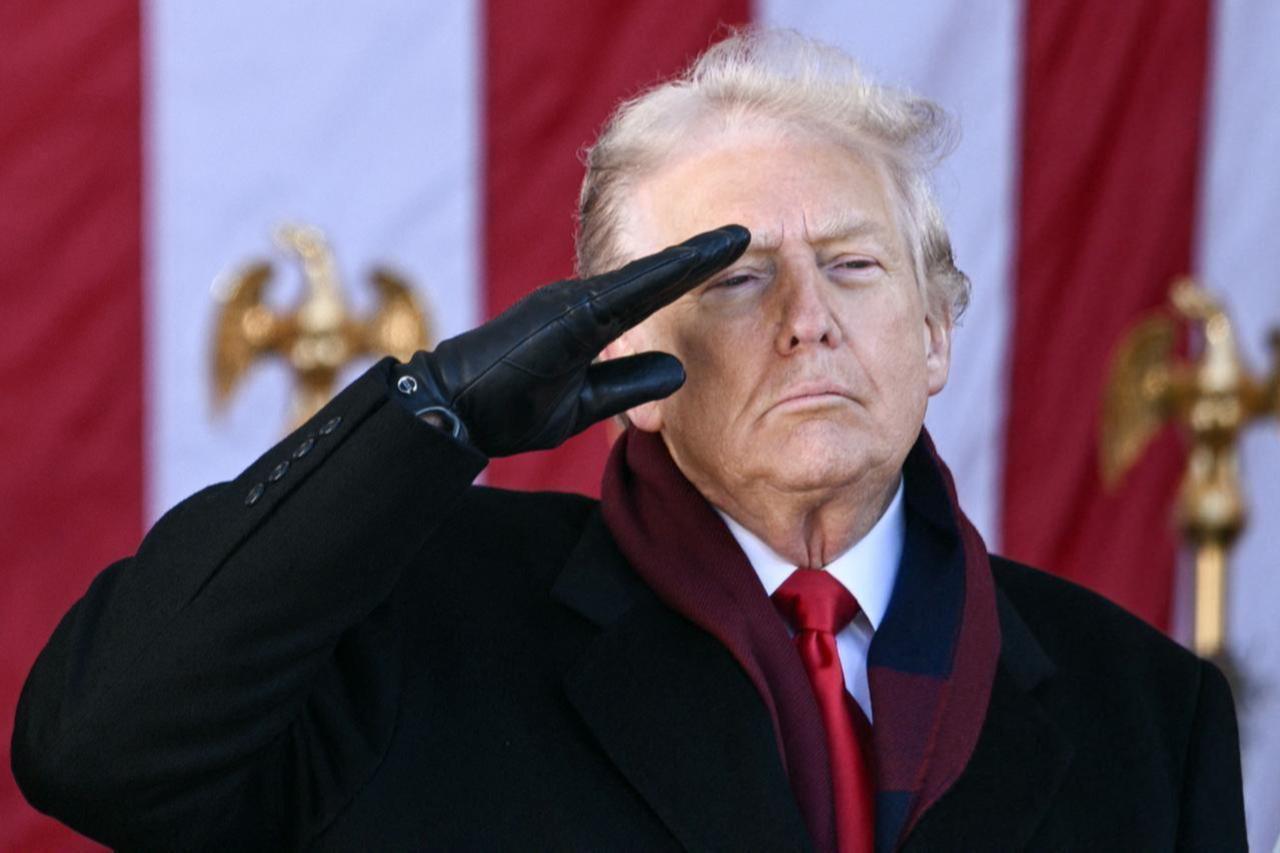


U.S. President Donald Trump summoned his top national security officials to the Oval Office on Monday to discuss Venezuela, as tensions between Washington and Caracas intensify amid a major US naval deployment and deadly airstrikes in the Caribbean.
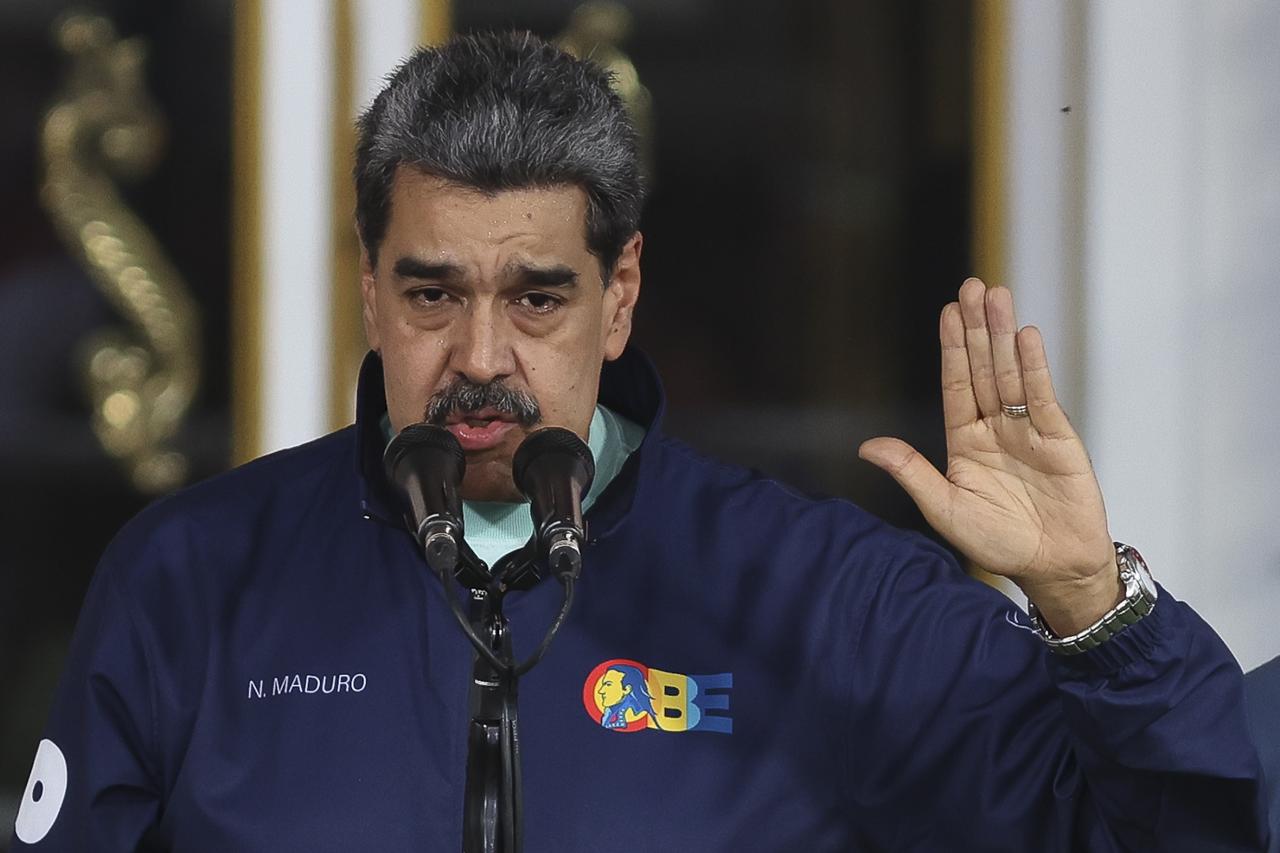
The high-stakes meeting occurs against a backdrop of escalating military pressure, with the world's largest aircraft carrier and additional warships now positioned in the region. Venezuelan President Nicolas Maduro, addressing thousands of supporters at a rally in Caracas, declared his country would not accept subjugation in any peace negotiations.
White House Press Secretary Karoline Leavitt confirmed the gathering when questioned by AFP, though she declined to provide specifics about whether Trump would make a final decision on Venezuela policy following months of mounting friction.
"There's options at the president's disposal that are on the table, and I'll let him speak on those," Leavitt said. She notably refused to rule out the possibility of deploying US ground forces to Venezuela.
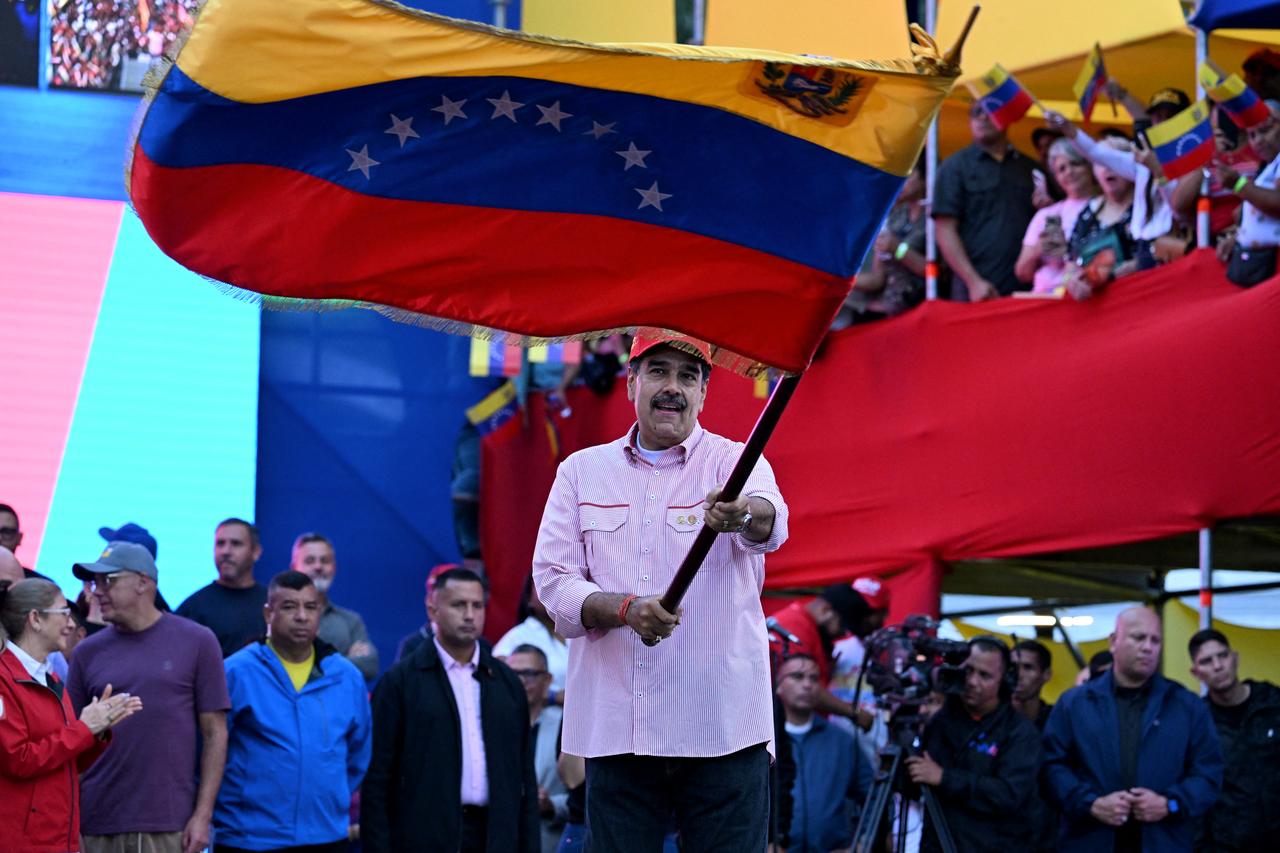

Speaking before flag-waving supporters, Maduro framed the conflict as a struggle against foreign domination. "We want peace, but peace with sovereignty, equality, freedom," he said from the stage, where he danced during the event. "We do not want a slave's peace, nor the peace of colonies."
The Venezuelan leader has consistently accused Washington of pursuing regime change, a claim the US government ties instead to counternarcotics operations. The American military deployment, which began in September, officially targets drug trafficking throughout the region, though Caracas maintains the true objective is Maduro's removal from power.
The United States has accused Maduro of leading an alleged criminal organization it calls the "Cartel of the Suns" and designated the group as a terrorist entity. A $50 million reward remains outstanding for Maduro's capture, while Venezuela and its allies insist no such cartel exists.
Trump confirmed Sunday he recently spoke with Maduro for the first time since returning to office in January, though he characterized the conversation in notably neutral terms.
"I wouldn't say it went well or badly. It was a phone call," Trump told reporters aboard Air Force One.
According to The New York Times, the two leaders discussed the possibility of an in-person meeting. The Wall Street Journal reported the conversation also covered potential amnesty conditions should Maduro agree to step down from power. Republican Senator Markwayne Mullin told CNN's "State of the Union" that the United States has offered Maduro safe passage to Russia or another country.
Washington does not recognize Maduro as the legitimate victor of last year's presidential election. Maduro assumed power as the political successor to Venezuela's late leftist leader Hugo Chavez, who governed the oil-rich nation until his death in 2013.
 1 min read
The Trump administration faces growing controversy over military operations that have targeted suspected drug-trafficking vessels in the Caribbean Sea and eastern Pacific Ocean. The strikes have killed at least 83 people, raising questions about rules of engagement and civilian casualties.
Trump said Sunday he would investigate claims that the military conducted a "double-tap" strike in early September that killed two survivors clinging to a burning boat in the Caribbean. The tactic involves firing on a target, then striking again after an interval.
The White House has defended the operations, with Leavitt stating that Admiral Frank Bradley, who leads US Special Operations Command, acted within his legal authority. Bradley "worked well within his authority and the law directing the engagement to ensure the boat was destroyed and the threat to the United States of America was eliminated," she said.
The administration maintains that all targeted vessels were involved in drug trafficking operations, though critics have questioned the scale of lethal force employed and the vetting procedures used to identify targets at sea.


 Set as preferred source
 Set as preferred source


 1 min read