Newsletters


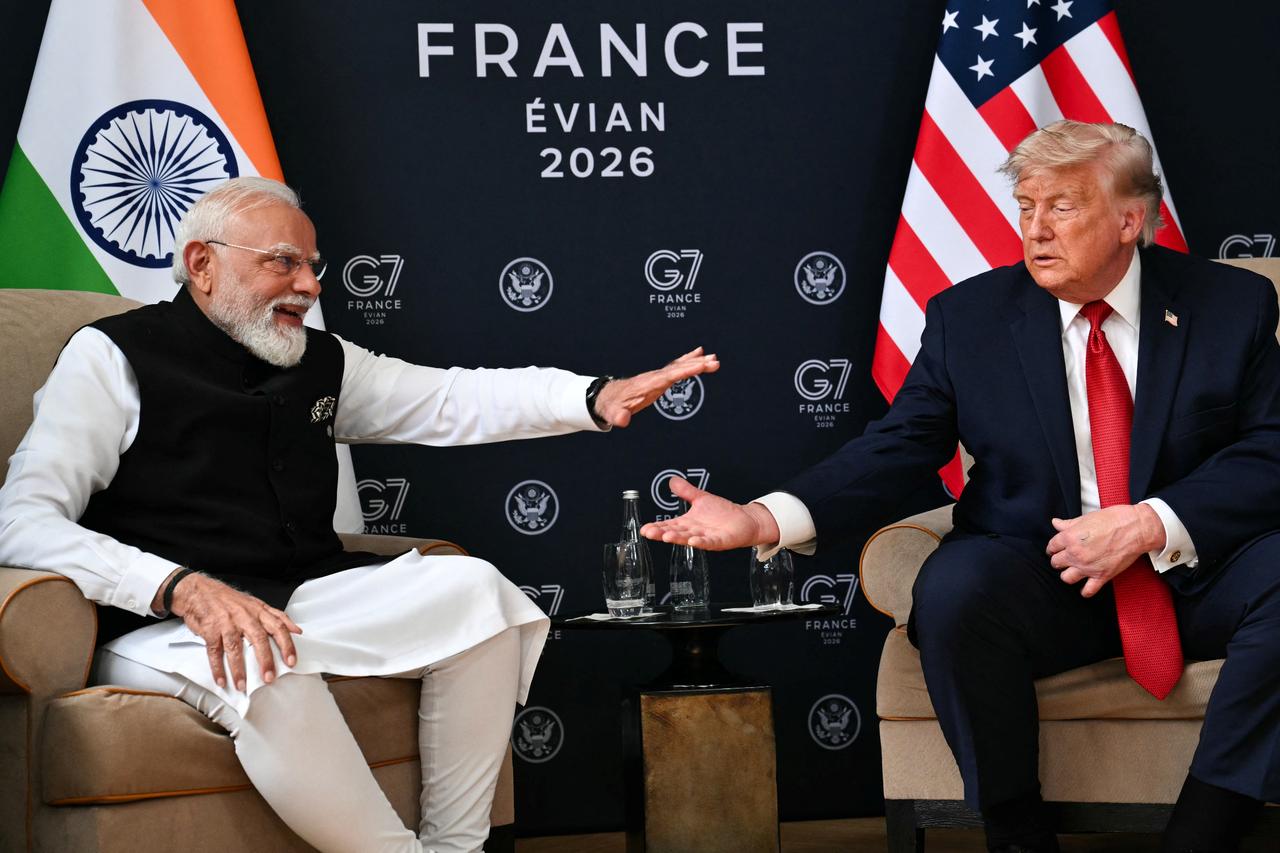


U.S. President Donald Trump on Wednesday pledged that Washington would come to India's defense if the country were attacked, but attached an unusual condition to that commitment: it would hold only as long as Prime Minister Narendra Modi remains in power.
Speaking to reporters on the sidelines of the 52nd G7 Summit in Evian-les-Bains, France, Trump framed his commitment in personal rather than treaty terms. "If they were attacked, we would be there to help them," he said.
"We don't have a contract, but if they are attacked and he is the leader, we are going to be there to help." He added: "Now, if there's a new leader, I'm not sure about it."
The remarks, which drew attention for grounding a security pledge in personal loyalty rather than alliance obligations, came after a bilateral meeting between Trump and Modi, their first face-to-face talks in more than 16 months.
The two leaders were seen shaking hands following Trump's statement, which he framed as an act of friendship and solidarity.
Trump also described himself as a "great friend" of India and said Modi commanded wide respect in Washington. "As long as I am President, they have a great friend in the White House," he said.
"Everyone here loves India and they have tremendous respect for this man." Trump also called Modi a "tough negotiator" and said he plans to visit India "sometime in the future."
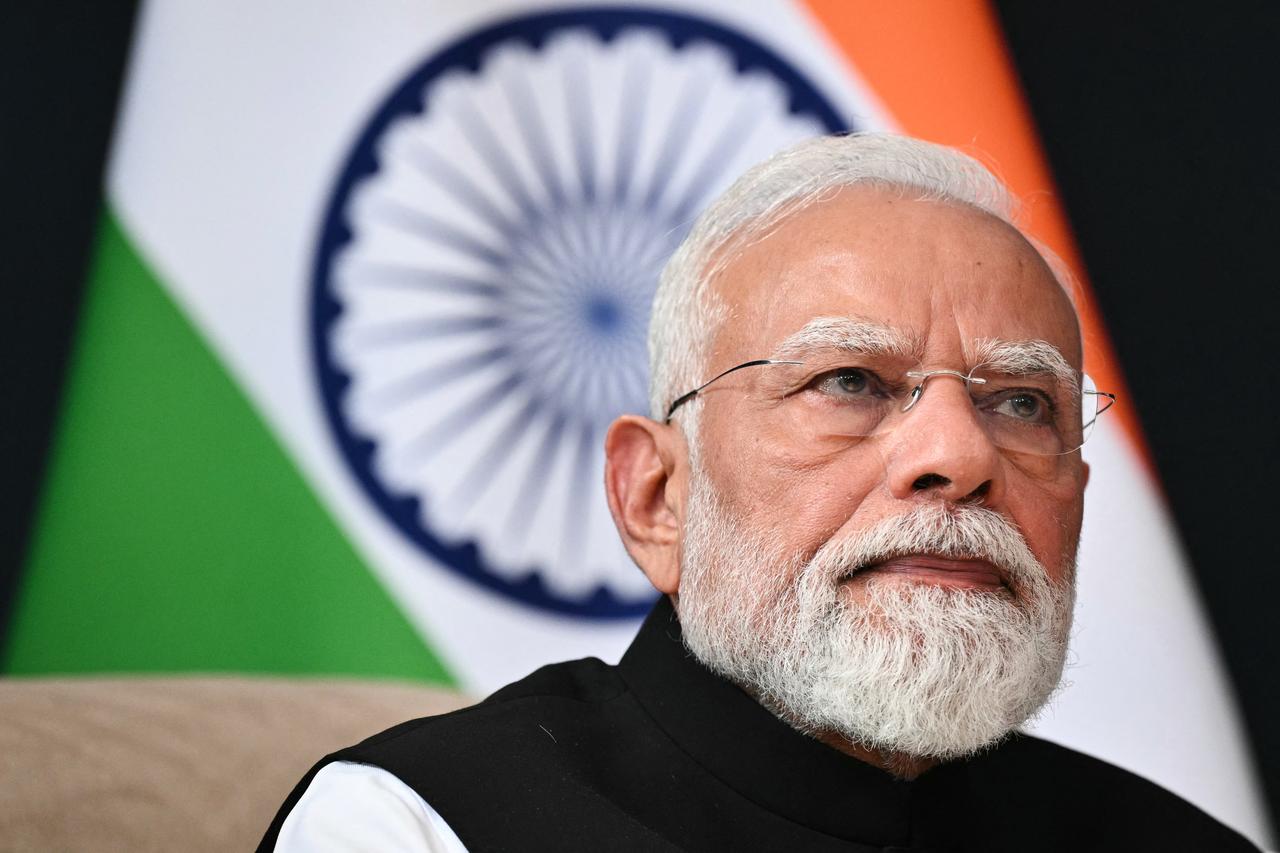

Beyond the headline comments on defense, the bilateral meeting covered a broad agenda. The White House had confirmed in advance that advancing a proposed India-U.S. trade agreement would be a central focus.
Negotiations on that agreement are said to be in their final stages, with work expected to conclude in the coming weeks. The two countries reached an interim trade agreement in February following roughly a year of talks.
The meeting also addressed energy cooperation, with both sides reported to be keen on building a long-term energy partnership. Discussions were expected to concentrate on strengthening ties in the sector amid growing concern over disruptions to global supply chains stemming from tensions in West Asia.
Topics on the table included energy imports from the United States and the strategic situation around the Strait of Hormuz.
Modi also raised the issue of seafarers' safety during the talks, and sought safeguards related to an Iran agreement, according to Indian government sources.
The Strait of Hormuz, a narrow waterway between Iran and Oman connecting the Persian Gulf to global markets, remains one of the world's most critical energy corridors. More than a quarter of all seaborne oil trade transits the passage, along with roughly a fifth of global liquefied natural gas shipments, according to the International Energy Agency.
The vast majority of those flows are destined for Asian markets, making the waterway of particular consequence for India's energy security and import planning.
Continued instability in the strait has rattled global energy markets and added urgency to India's interest in diversifying supply and deepening its energy relationship with the United States.
The Evian meeting marked an effort to recalibrate ties between the two democracies after a period of trade and geopolitical tension. Modi arrived at the G7 Summit as an invited partner country, participating in outreach sessions focused on international solidarity and global partnerships. The two leaders had a brief initial exchange on Tuesday during a G7 outreach working session before holding their formal bilateral meeting Wednesday.
Trump, who described Modi as "calm and cool," expressed enthusiasm about the trajectory of the relationship. "I think it is a great relationship," he said.


 Set as preferred source
 Set as preferred source


 1 min read

 1 min read