Newsletters


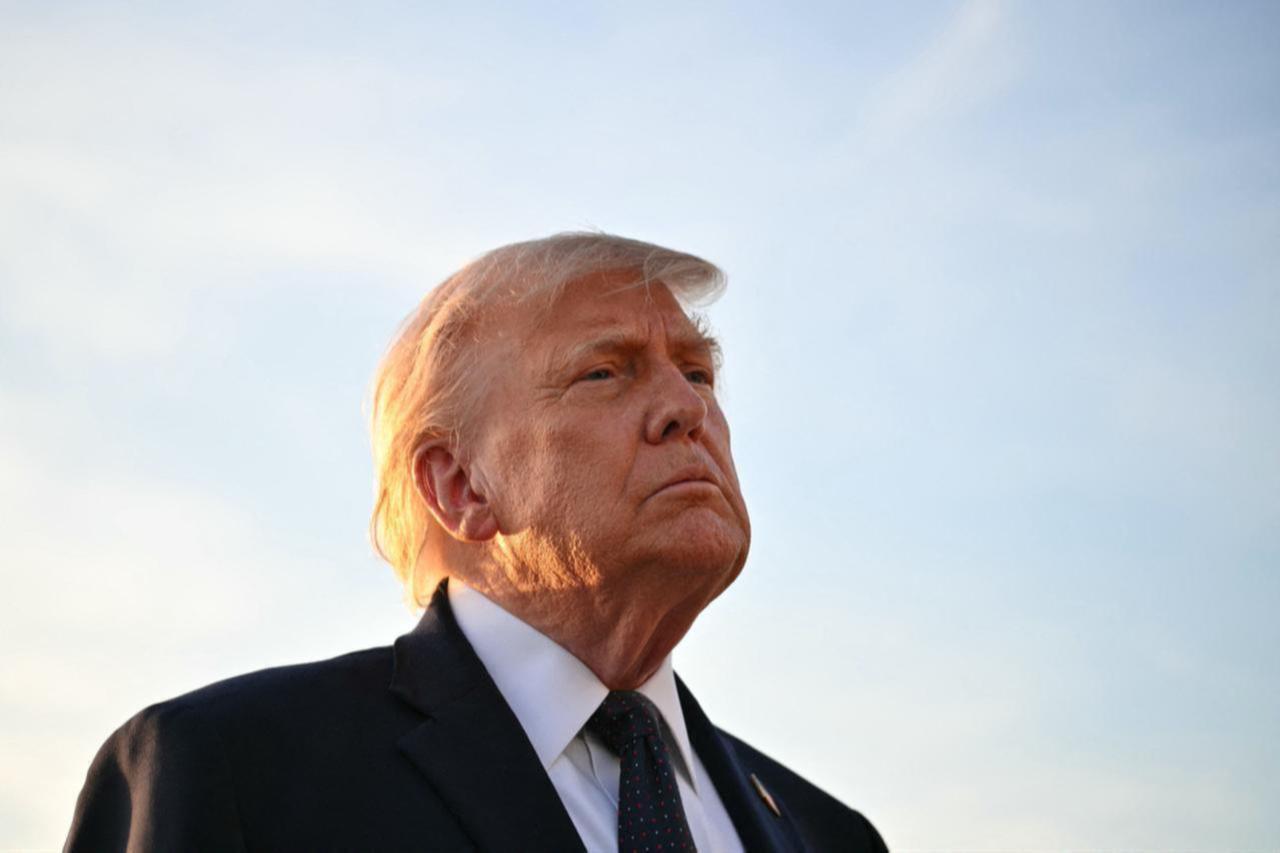


U.S. President Donald Trump said Wednesday that Iran is offering major concessions in ongoing negotiations, as the two countries prepare to resume talks next week aimed at reaching a final agreement on Tehran's nuclear program.
"Iran is making very big concessions. We'll see what happens, but it has been very, very, very powerful," Trump told reporters at the Capitol following a lunch with Senate Republicans. He added that Iran was being "very nice" and that the country was "agreeing to everything that I want."
The remarks come after Trump and Iranian President Masoud Pezeshkian electronically signed the "Islamabad Memorandum of Understanding" last week, a framework agreement intended to pave the way for ending the military conflict launched by Washington and Tel Aviv against Iran on Feb. 28.
Under the terms of the accord, the two sides have agreed to a 60-day negotiating period, with the possibility of an extension, to work toward a final deal covering Iran's nuclear activities and the lifting of international sanctions.
Pakistan, which has served as mediator in the talks, confirmed that technical-level negotiations will pick back up next week following a temporary pause.
The resumption signals that both sides remain engaged in the diplomatic process, even as the substance and durability of any eventual agreement remain uncertain.
Secretary of State Marco Rubio struck a more measured tone, emphasizing that Washington expects Tehran to uphold its obligations under the interim deal.
"The president has been very clear, they need to keep those commitments. If they do, we'll keep forward. If not, the president will have options at his disposal," Rubio said.
The warning reflects the fragile nature of the preliminary agreement. Nuclear diplomacy with Iran has historically been protracted and contentious, with previous frameworks, including the 2015 Joint Comprehensive Plan of Action, collapsing amid disputes over compliance and enforcement.
International sanctions on Iran, imposed over its nuclear program, have remained a central sticking point in any prospective deal.
While projecting optimism, Trump suggested that American pressure, including the threat of renewed military action, remains a key driver of Iran's willingness to negotiate. "They're agreeing to everything that I want, and they have to, otherwise we just go back and do what we have to do," he said.
Trump also described the military campaign in positive terms. "The war is going very well. As you know, we're winning by a lot," he told reporters.
The 60-day negotiating window, if extended, would give both sides additional time to bridge what are expected to be substantial gaps on the scope and verification of any nuclear agreement, as well as the sequencing of sanctions relief.


 Set as preferred source
 Set as preferred source


 1 min read
 1 min read