Newsletters


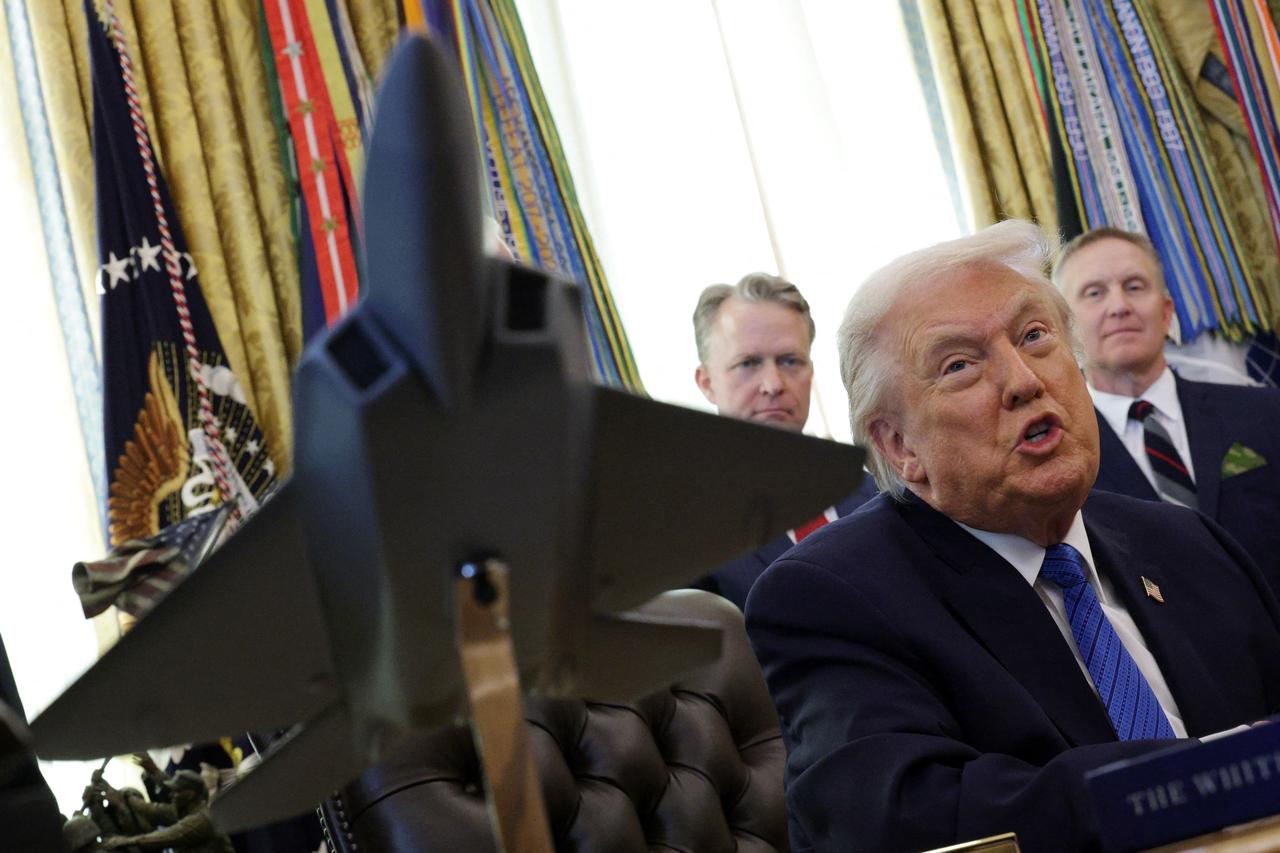


President Donald Trump expressed confidence Friday that Iran will pursue diplomatic negotiations despite mounting tensions, even as Tehran's foreign minister categorically ruled out discussing the country's missile arsenal in any potential talks with Washington.
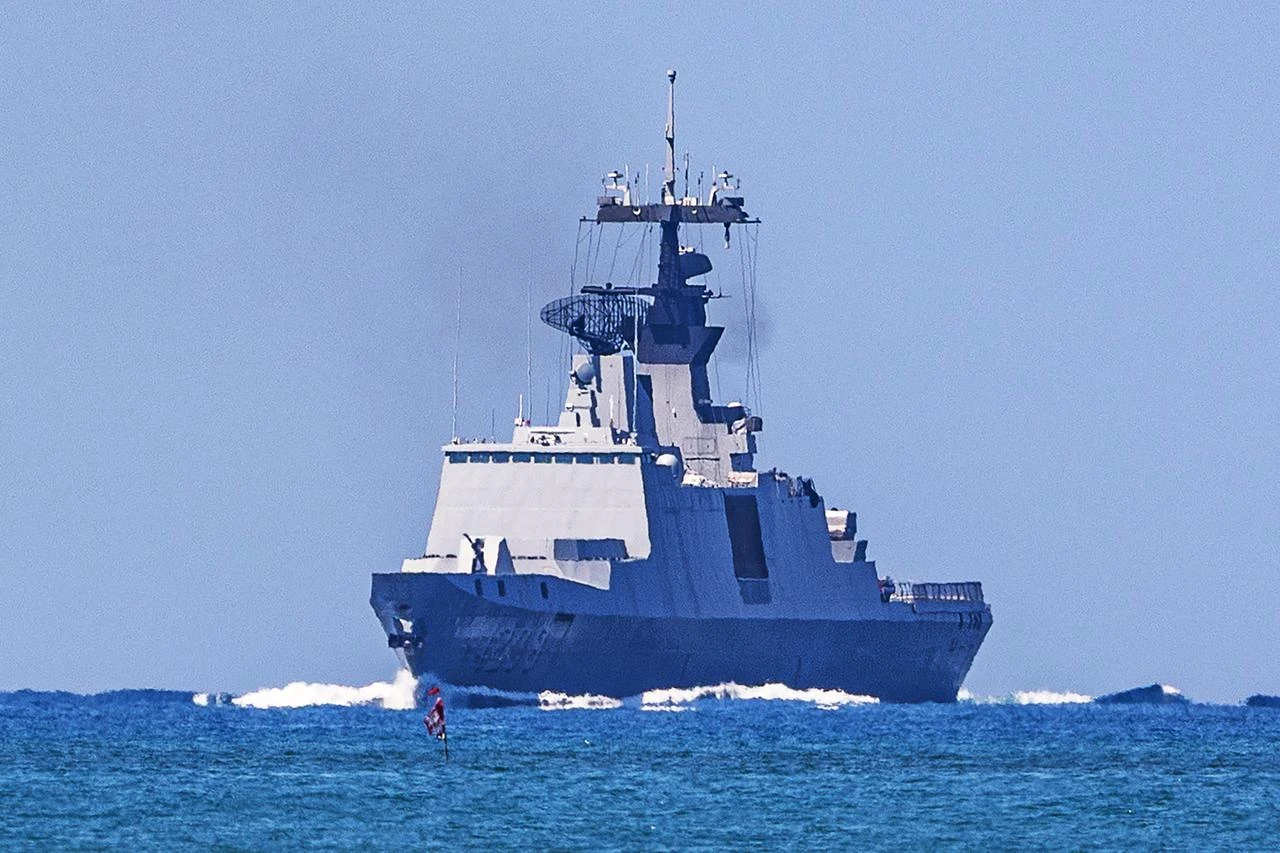
Speaking from the Oval Office, Trump said he believed Iran wanted to reach an agreement, noting that a U.S. naval carrier group was currently positioned in waters near Iran. "We have a large armada, flotilla, call it whatever you want, heading toward Iran right now," Trump told reporters. "Hopefully we'll make a deal. If we do make a deal, that's good. If we don't make a deal, we'll see what happens."
The president confirmed he had set a deadline for Iran to enter negotiations on its nuclear and missile programs but declined to specify the timeframe. He cited what he described as Iran's decision to halt protester executions as evidence of Tehran's readiness to negotiate, following a crackdown that rights groups say killed more than 6,000 people and triggered the latest escalation between the longtime adversaries.
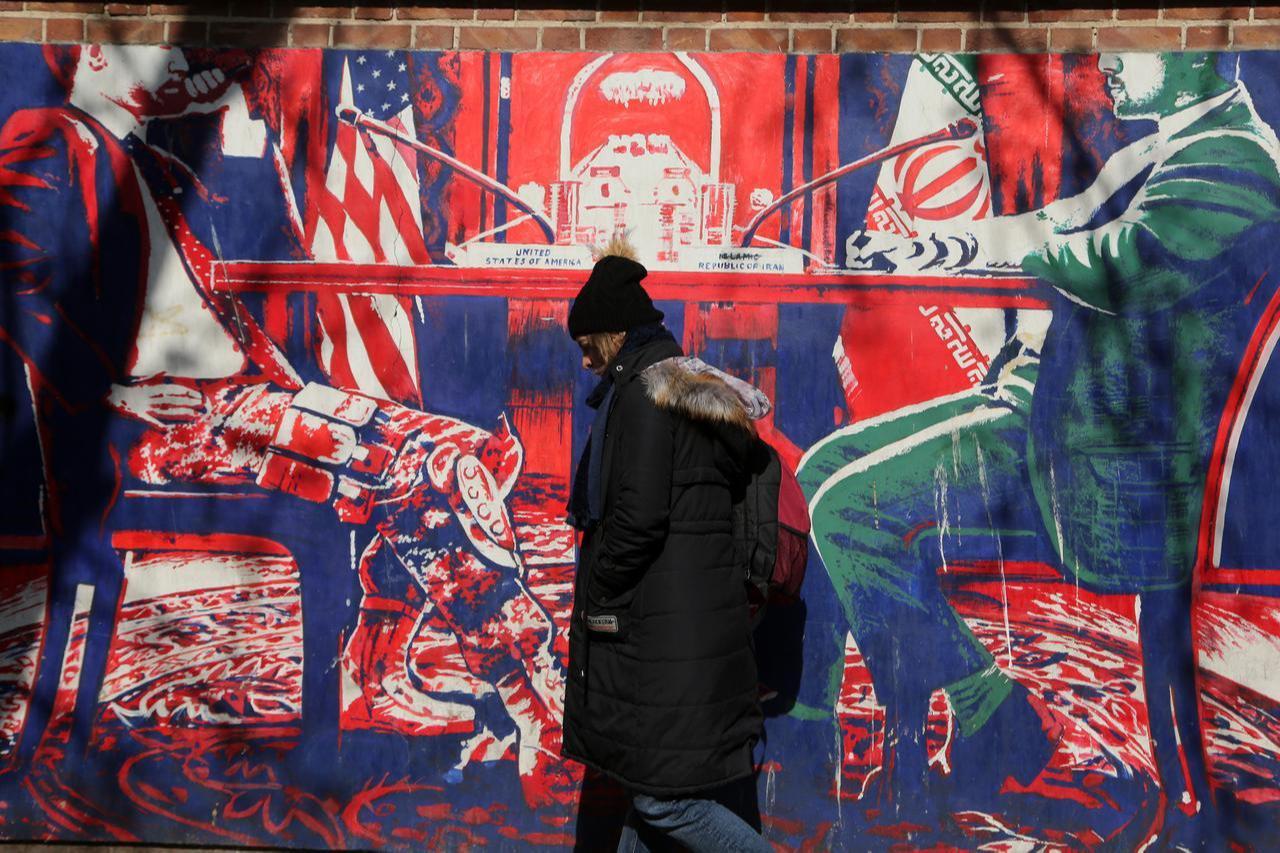

Iranian Foreign Minister Abbas Araghchi directly contradicted Trump's optimistic assessment during a visit to Türkiye, declaring that Iran's defensive capabilities would remain off-limits in any discussions. "I want to state firmly that Iran's defensive and missile capabilities will never be subject to negotiation," Araghchi said, though he indicated Tehran was "ready to begin negotiations if they take place on an equal footing, based on mutual interests and mutual respect."
The foreign minister added that no plans were currently in place to meet with U.S. officials about resuming talks. According to Axios, U.S. officials have indicated any deal would need to include a cap on Iran's long-range missile arsenal, removal of enriched uranium from the country, and a ban on independent enrichment.
Serhan Afacan, director of the Ankara-based Centre for Iranian Studies, told AFP that connecting a nuclear agreement with other issues would likely prove impossible. "For now, the ballistic missile programme remains a red line, as it sits at the core of Iran's defence architecture," he said.
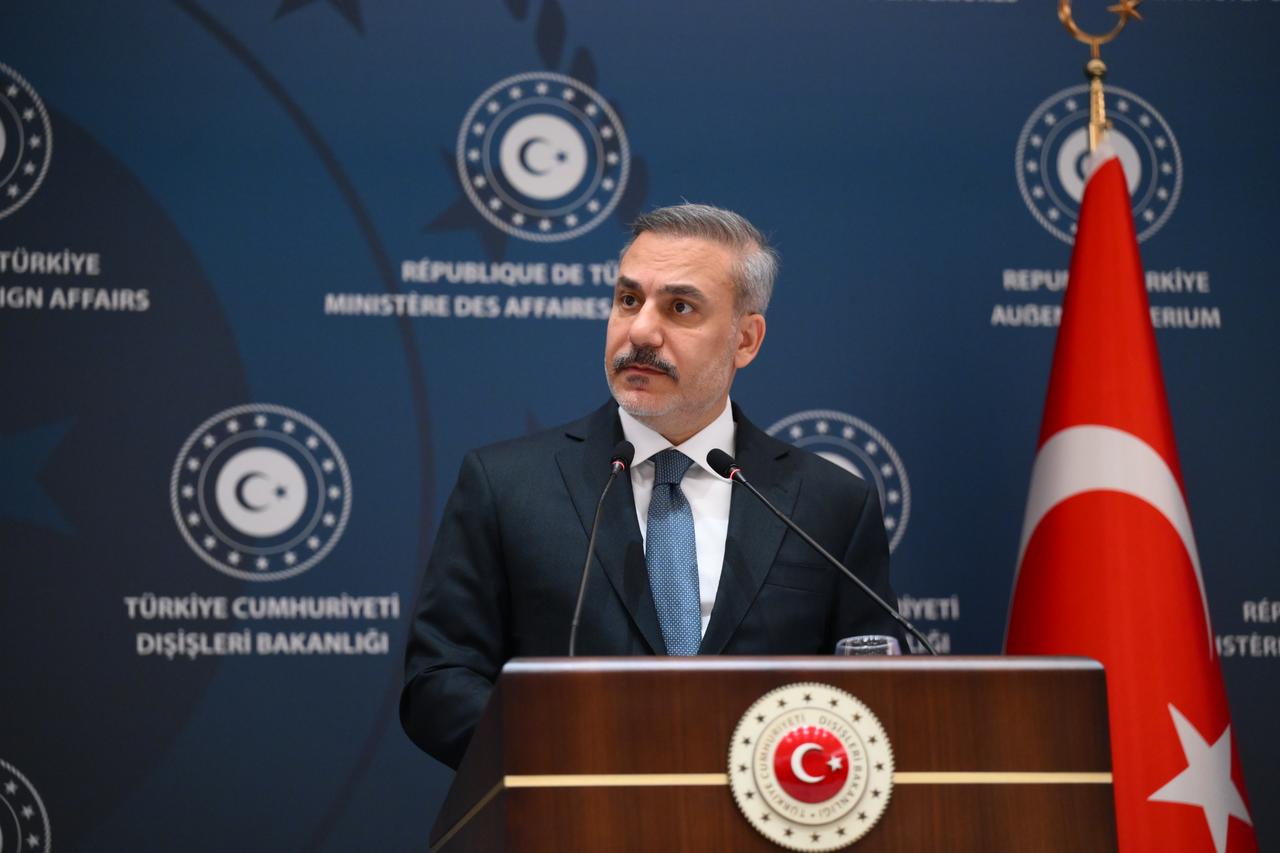
Foreign Minister Hakan Fidan described restarting U.S.-Iran nuclear talks as "vital for reducing regional tensions" during a joint news conference with Araghchi in Istanbul. He warned that Israel was pushing for American military action against Iran and urged Washington to "act with common sense and not allow this to happen."
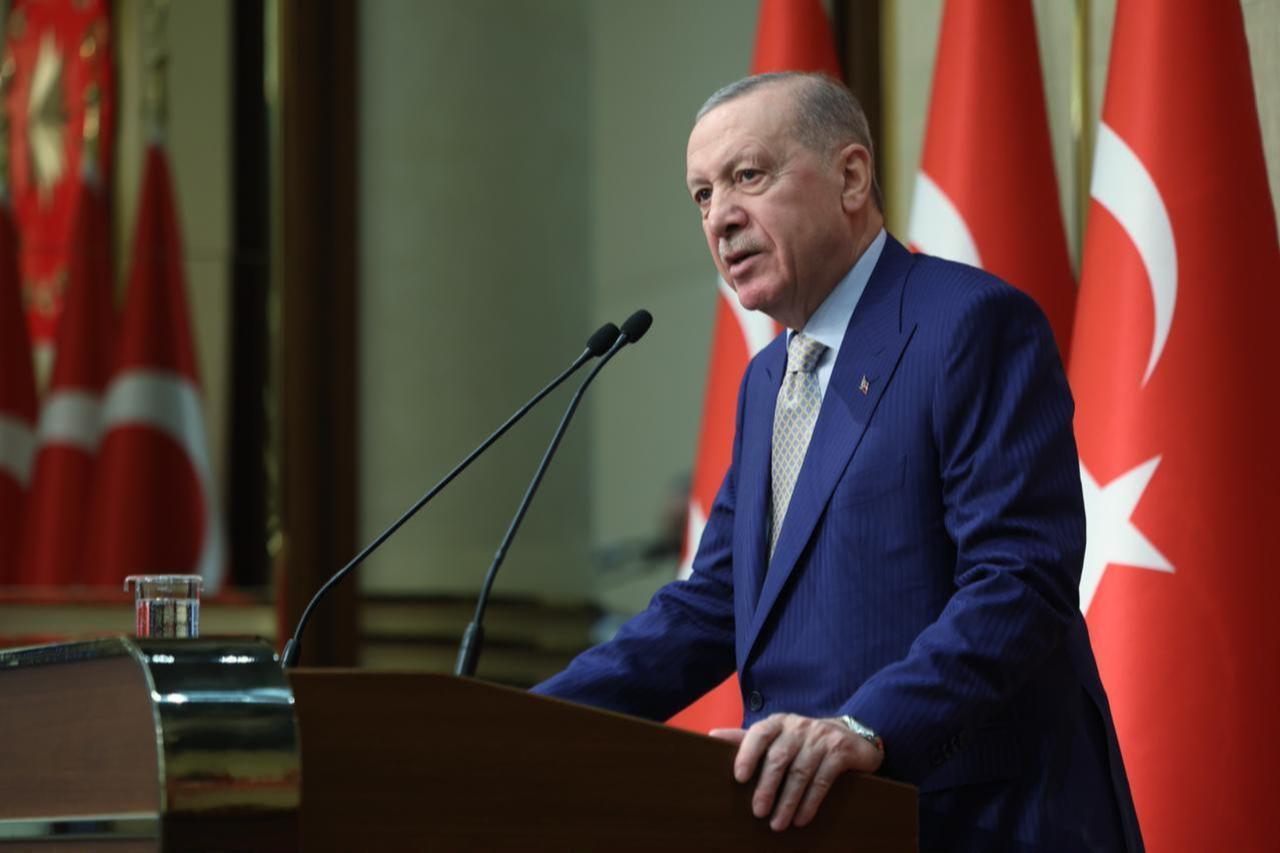
President Recep Tayyip Erdogan told Iranian President Masoud Pezeshkian by phone Friday that Türkiye stood "ready to assume a facilitating role between Iran and the United States to de-escalate the tensions." According to Turkish media reports confirmed by a Turkish diplomat, Erdogan has also been advocating for a high-level trilateral meeting.
Pezeshkian responded that successful diplomacy required "goodwill of the parties involved and the abandonment of belligerent and threatening actions in the region," according to his office. Other regional actors, including Gulf states hosting U.S. military installations and Russia, have similarly called for diplomatic solutions.
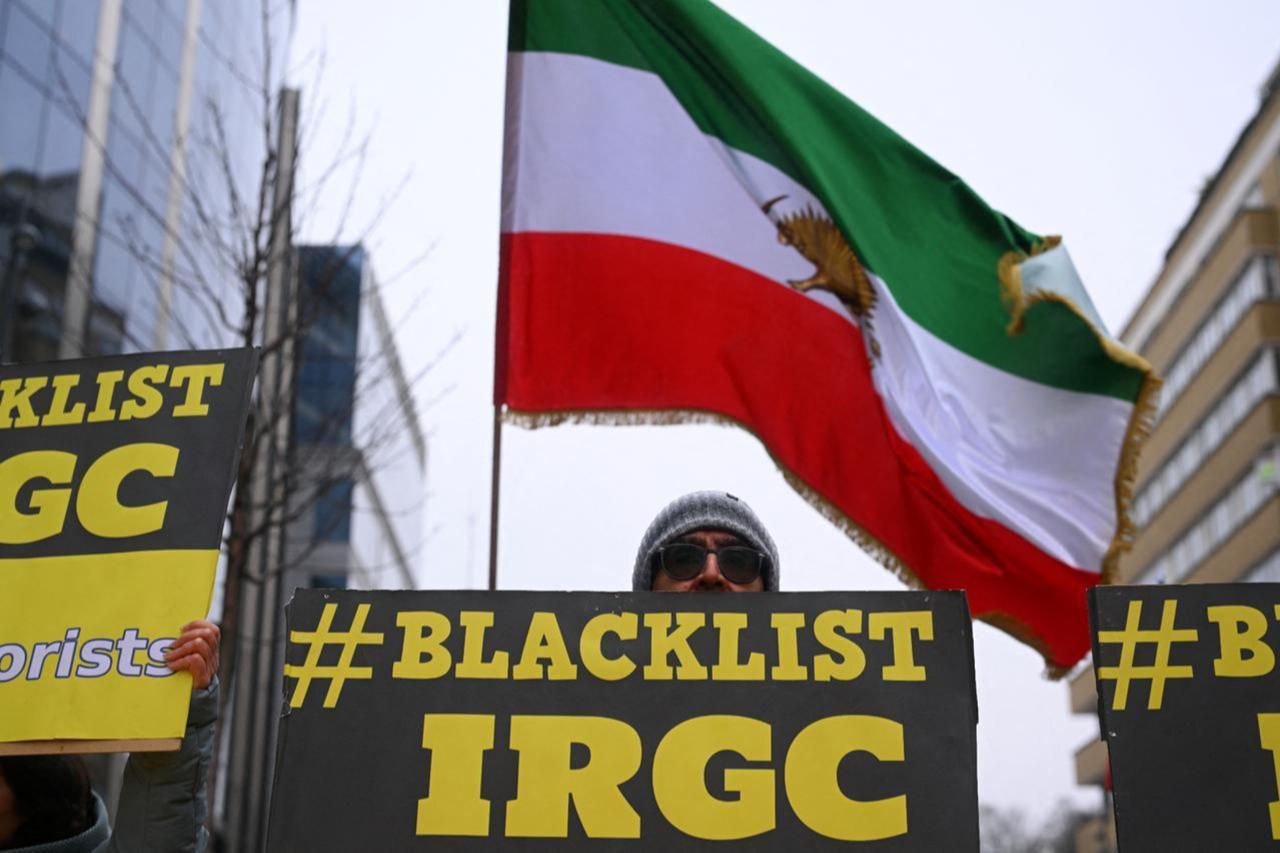
Iran has blamed the United States and Israel for protests that erupted in late December over economic grievances and peaked on January 8 and 9, accusing both countries of fueling what Tehran characterized as a "terrorist operation" that transformed peaceful demonstrations into violent unrest.
The U.S.-based Human Rights Activists News Agency has confirmed 6,479 deaths during the demonstrations, including 6,092 protesters and 118 children, though rights groups warn the actual toll may reach tens of thousands. Internet restrictions imposed January 8 continue hampering access to information inside Iran.
Iranian authorities acknowledge thousands died during the protests but provide a lower figure of more than 3,000 deaths, claiming the majority were security force members or bystanders killed by what they term "rioters."


 Set as preferred source
 Set as preferred source


 1 min read
 1 min read