Newsletters


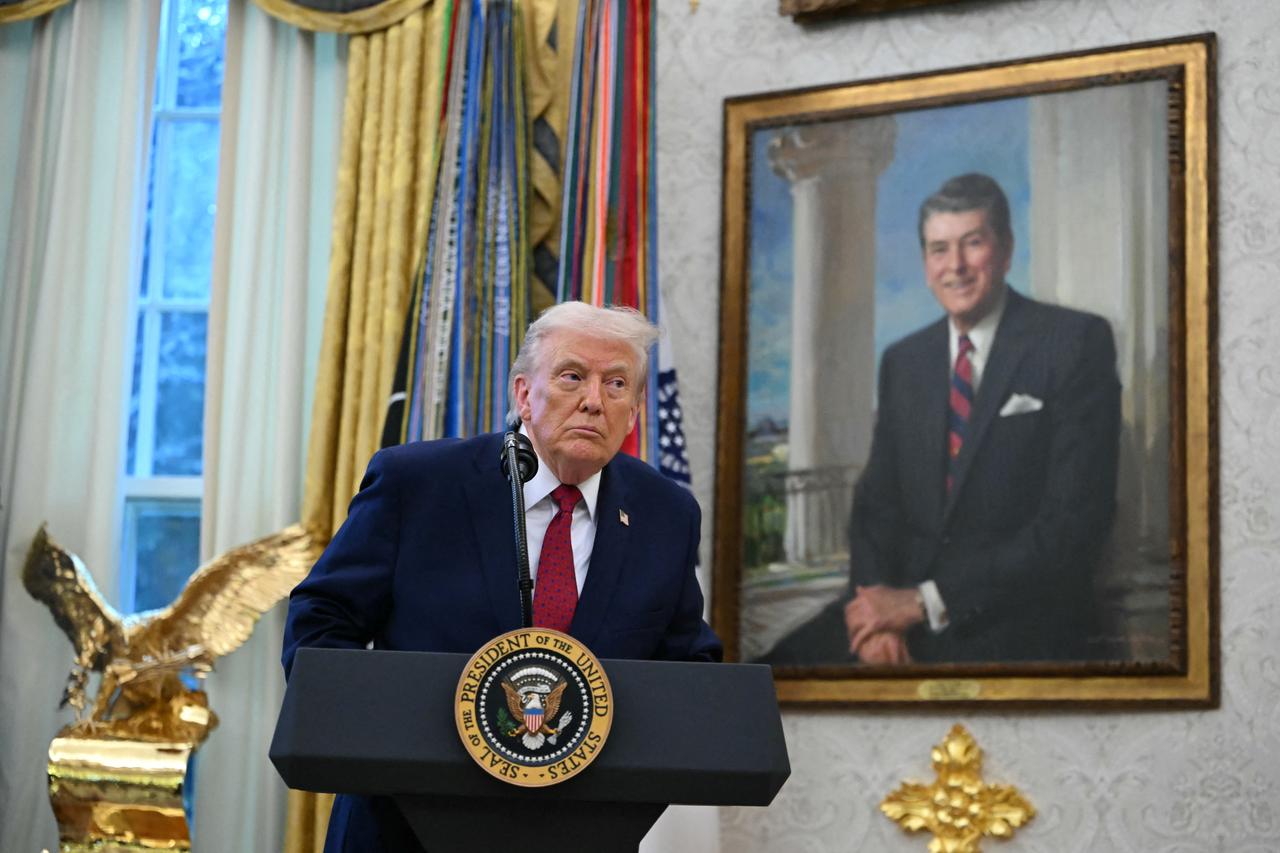


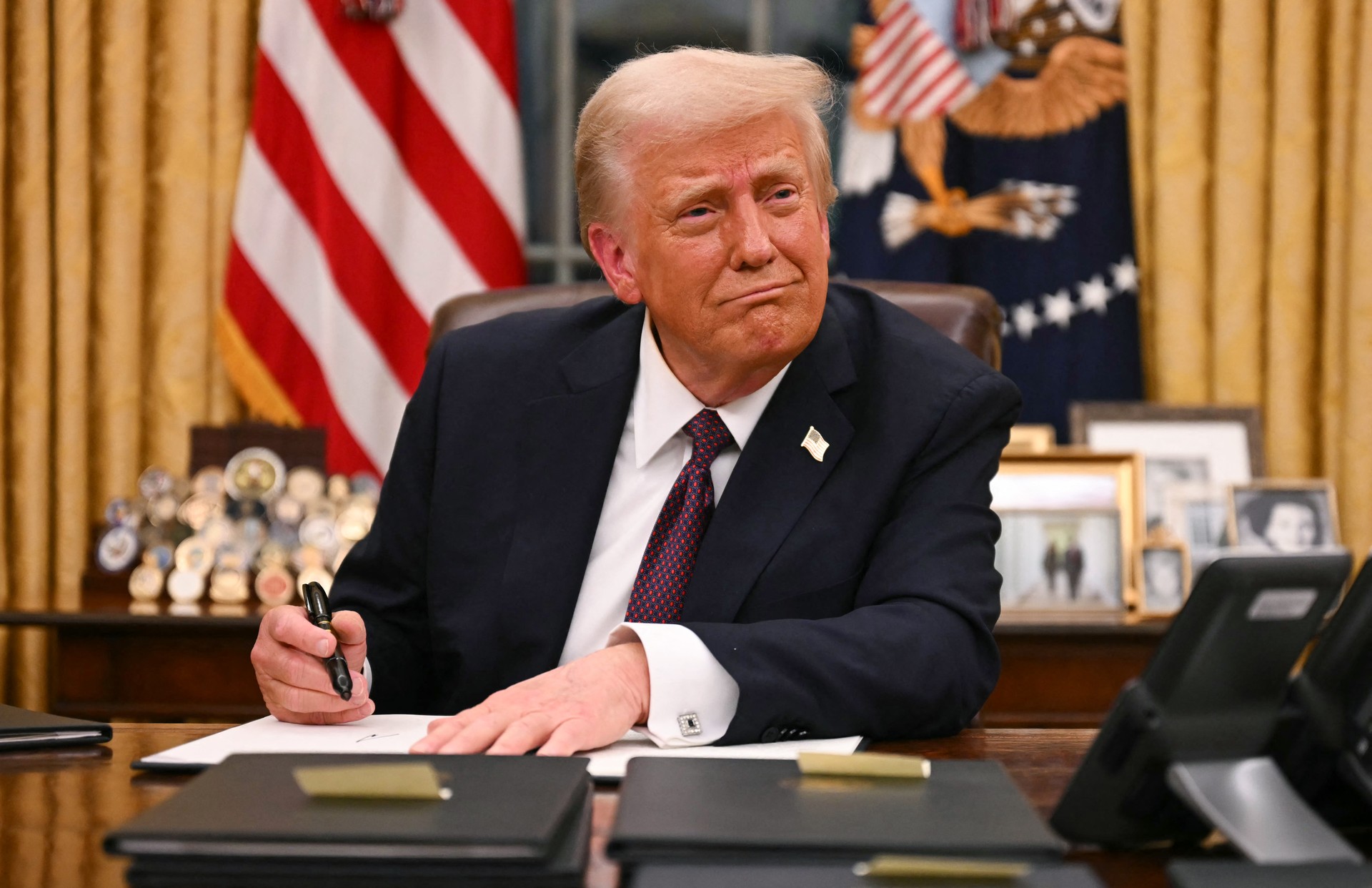
U.S. President Donald Trump signed an executive order Monday formally classifying illicit fentanyl as a weapon of mass destruction, marking an escalation in the administration's approach to combating drug cartels operating across Latin America.
"We're formally classifying fentanyl as a weapon of mass destruction," Trump said during the signing ceremony at the White House. "No bomb does what this is doing -- 200-300,000 people die every year, that we know of."
The signing took place during an event honoring recipients of medals for the defense of the US-Mexican border, underscoring the administration's focus on border security and drug interdiction efforts.
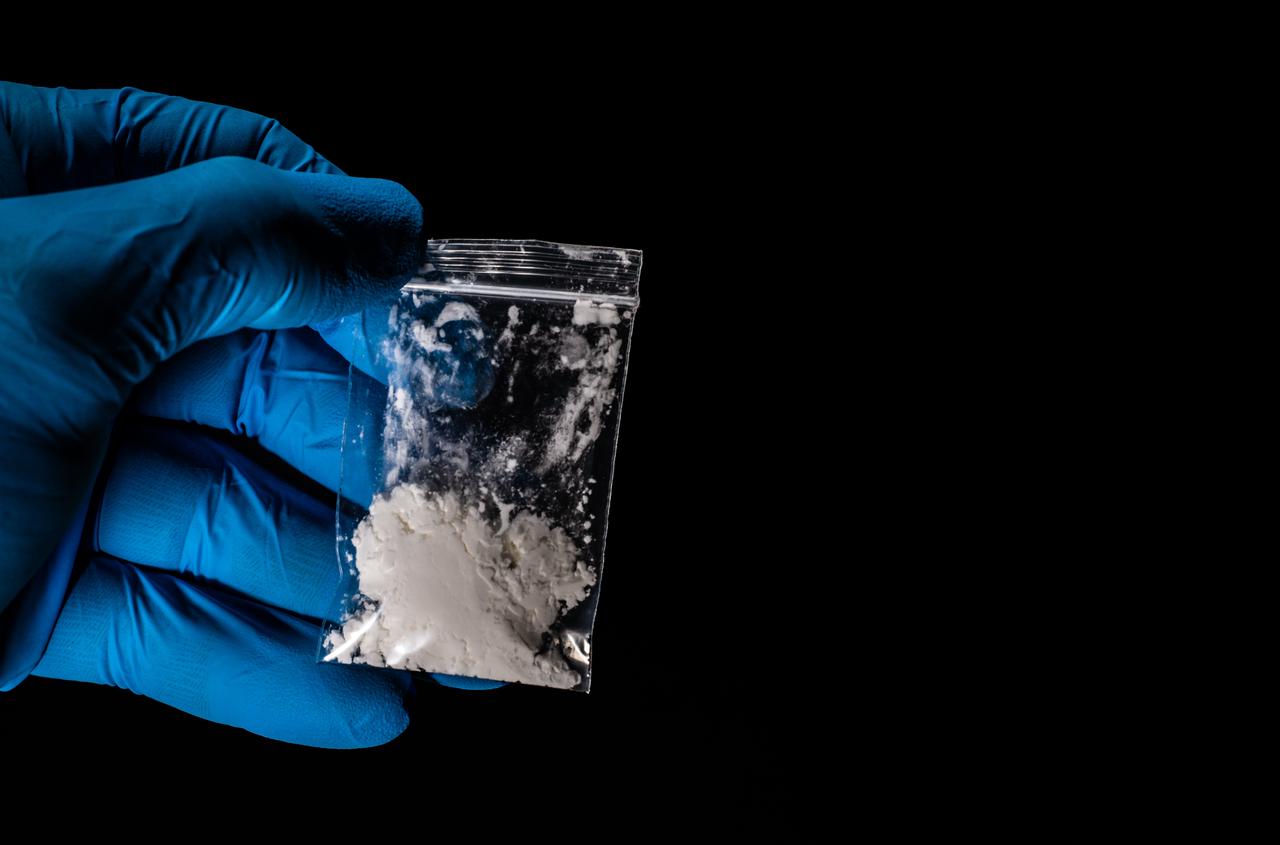

The executive order instructs multiple federal agencies to treat fentanyl trafficking with the urgency typically reserved for nuclear, chemical, or biological weapons threats. The designation empowers the Attorney General to pursue enhanced criminal prosecutions, including sentencing enhancements for those involved in fentanyl manufacturing and distribution.
The order describes illicit fentanyl as "closer to a chemical weapon than a narcotic," noting that two milligrams—roughly equivalent to 10 to 15 grains of table salt—constitutes a lethal dose. The document characterizes the drug's manufacture and distribution by organized criminal networks as a direct threat to national security.
Under the directive, the Secretary of State and Treasury Secretary will pursue actions against assets and financial institutions connected to the fentanyl supply chain. The order also tasks the Secretary of War with consulting the Attorney General to determine whether military resources should support domestic law enforcement efforts against fentanyl trafficking.
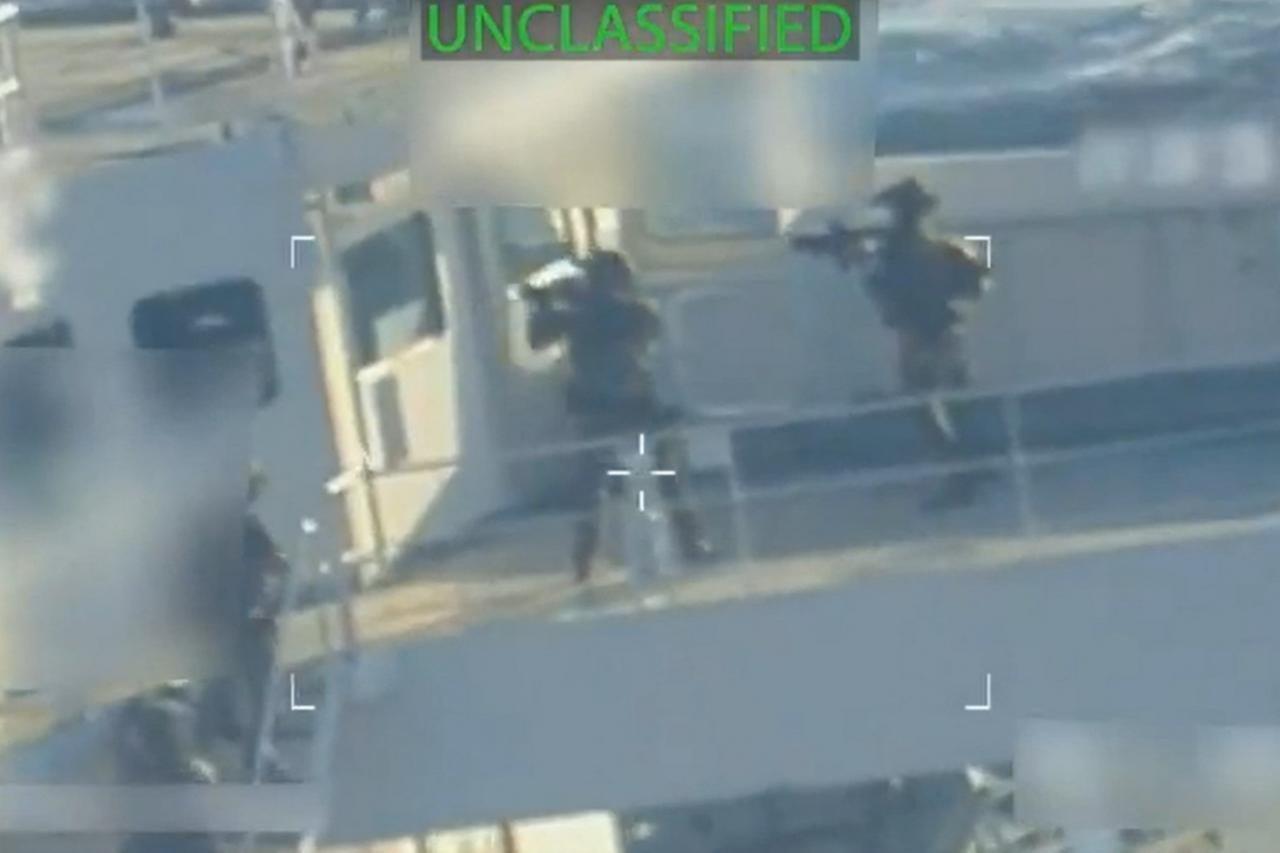
The executive order specifically identifies Foreign Terrorist Organizations and drug cartels as primary targets, stating these groups use fentanyl profits to fund "assassinations, terrorist acts, and insurgencies around the world." The document highlights armed conflicts between competing cartels over distribution territory, describing violence that extends beyond the immediate public health crisis.
The order warns of fentanyl's potential weaponization for "concentrated, large-scale terror attacks by organized adversaries," framing the threat as both a current crisis and future national security concern.
The Department of Homeland Security will identify threat networks related to fentanyl smuggling using intelligence methods typically applied to weapons proliferation cases. The Secretary of War must also update military response protocols for chemical incidents within US borders to address fentanyl threats.
Fentanyl, a synthetic opioid originally developed for medical pain management, has become the leading driver of drug overdose deaths in the United States over the past decade. The drug is significantly more potent than heroin and is often mixed with other substances, creating unpredictable and frequently fatal combinations.
Most illicit fentanyl entering the United States originates from precursor chemicals manufactured overseas, particularly in China, which are then processed by criminal organizations in Mexico before distribution across the border. The drug's extreme potency allows traffickers to transport large quantities in small volumes, complicating interdiction efforts.
The executive order defines "core precursor chemicals" as substances like Piperidone that create illicit fentanyl and its analogues, suggesting future enforcement actions may target the supply chain at its source rather than focusing solely on finished product seizures.


 Set as preferred source
 Set as preferred source


 1 min read

 1 min read