Newsletters


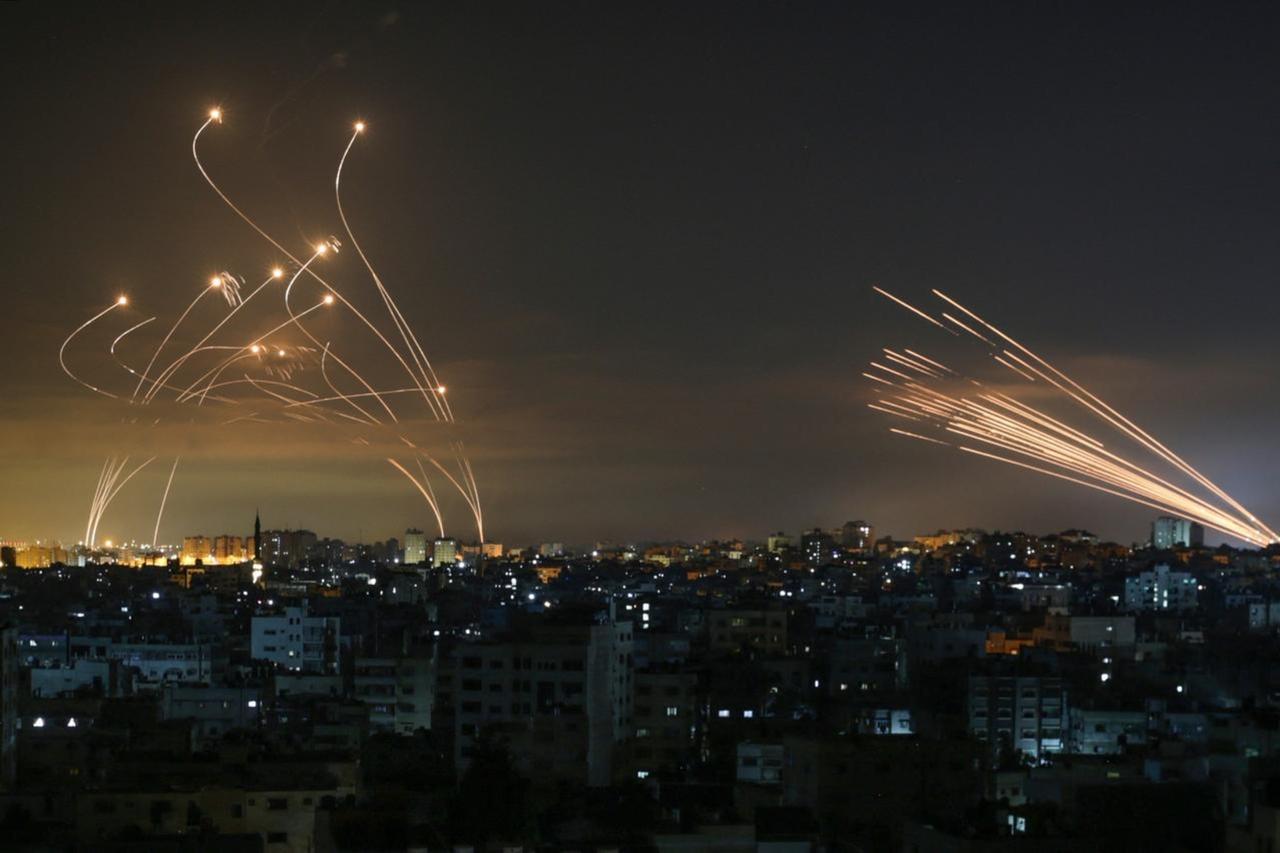


U.S. President Donald Trump told Israeli Prime Minister Benjamin Netanyahu to stop claiming credit for Israel's Iron Dome missile defense system during a speech at the World Economic Forum in Davos on Wednesday, asserting that the technology belongs to the United States.
"What we did for Israel was amazing. We did it for Israel. And by the way, I told Bibi, 'Bibi, stop taking credit for the dome. That's our technology, that's our stuff,'" Trump said during his address to the forum.
The claim contradicts the documented history of the Iron Dome system, which was initially developed solely by Israeli defense companies Rafael Advanced Defense Systems and Israel Aerospace Industries. While the United States has provided substantial funding for the system since 2011, contributing $1.6 billion through 2021 and approving an additional $1 billion in 2022, the core technology originated in Israel.
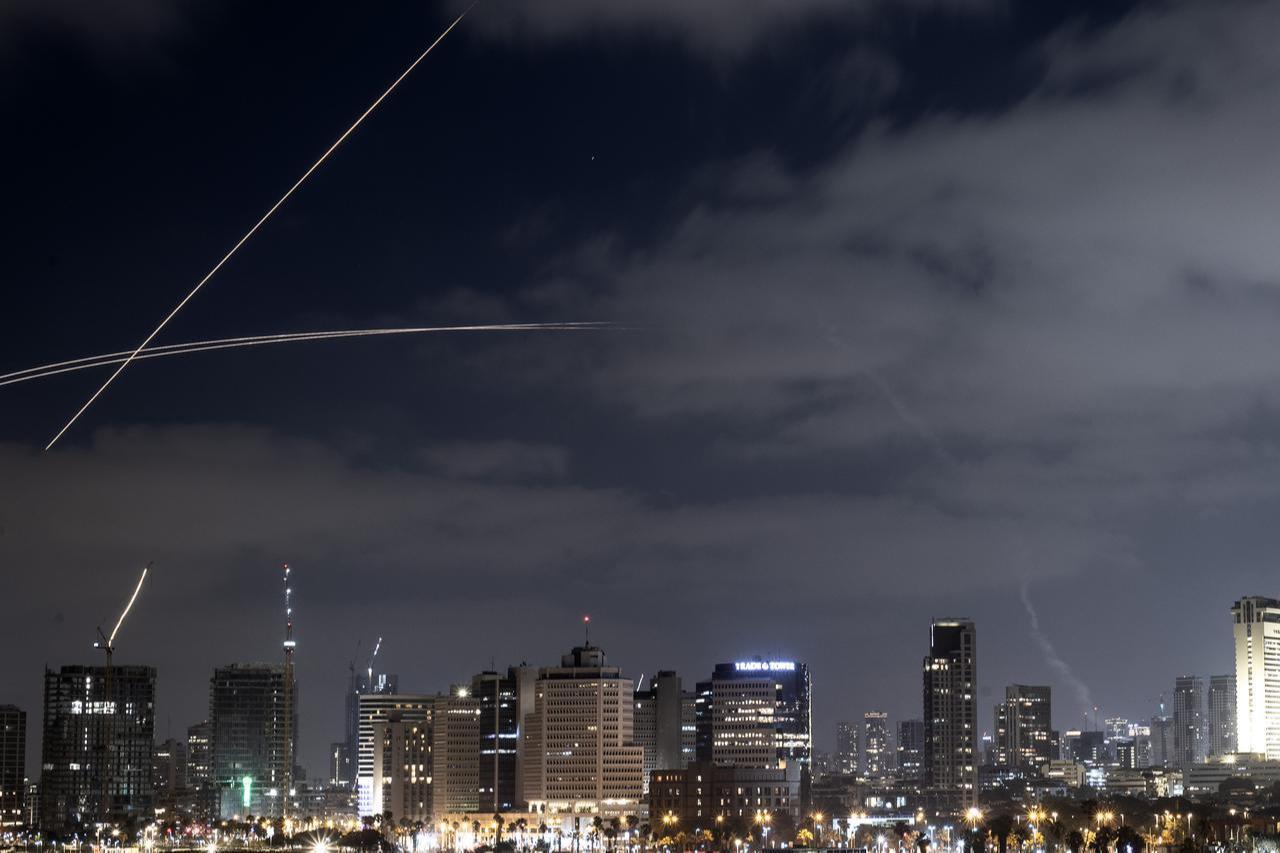

Israel commissioned the development of Iron Dome in 2007, selecting Israeli contractor Rafael over American defense giant Lockheed Martin. The system went from drawing board to combat readiness in less than four years, a remarkably short timeline for a weapons system designed from scratch.
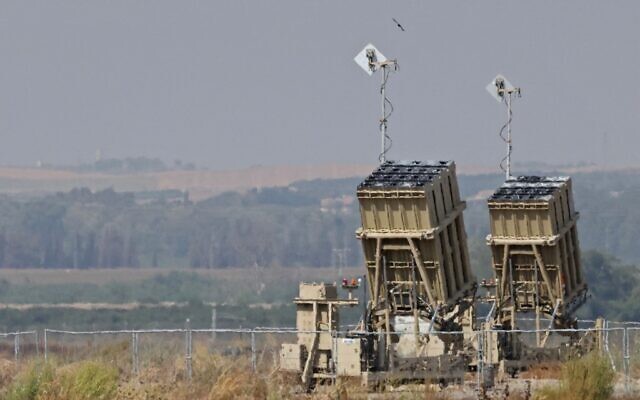
The mobile air defense system was created to intercept and destroy short-range rockets and artillery shells fired from distances of 4 to 70 kilometers away. Israeli company mPrest Systems programmed the core of Iron Dome's battle management system, while Elta, a subsidiary of Israel Aerospace Industries, built the radar detection and tracking system.
Development of the system gained momentum in 2004 under Brigadier General Daniel Gold, who headed the research and development bureau of the Israel Defense Forces. Gold championed the project even as US defense officials initially cautioned that such a system would be "doomed to fail."
The initial funding and development of Iron Dome was provided entirely by Israel, which allowed for deployment of the first two systems. The system was declared operational on March 27, 2011, and successfully intercepted its first rocket from Gaza on April 7, 2011.
US financial support began in 2010 when President Barack Obama requested $205 million from Congress to support production of additional batteries. The House of Representatives approved the funding in a 410-4 vote in May 2010.
American involvement expanded beyond funding to include technology sharing and co-production agreements. In exchange for continued deployment funding, the United States requested access to elements of the system's technology. By 2014, defense contractor Raytheon became the major US partner in co-production of components for the Tamir intercepting missile, with manufacturing facilities in Arizona and Alabama entering full production by 2015.
 1 min read
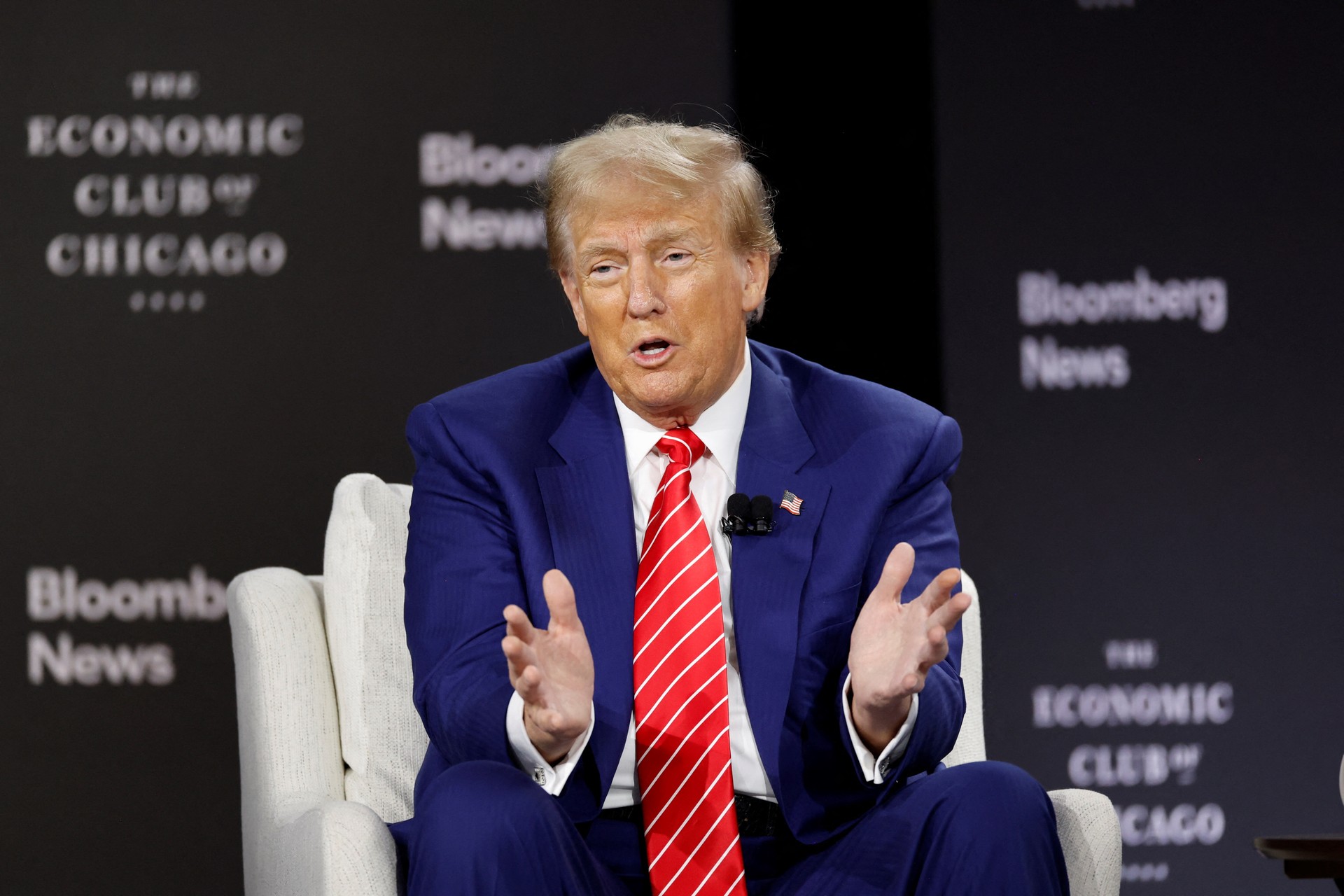
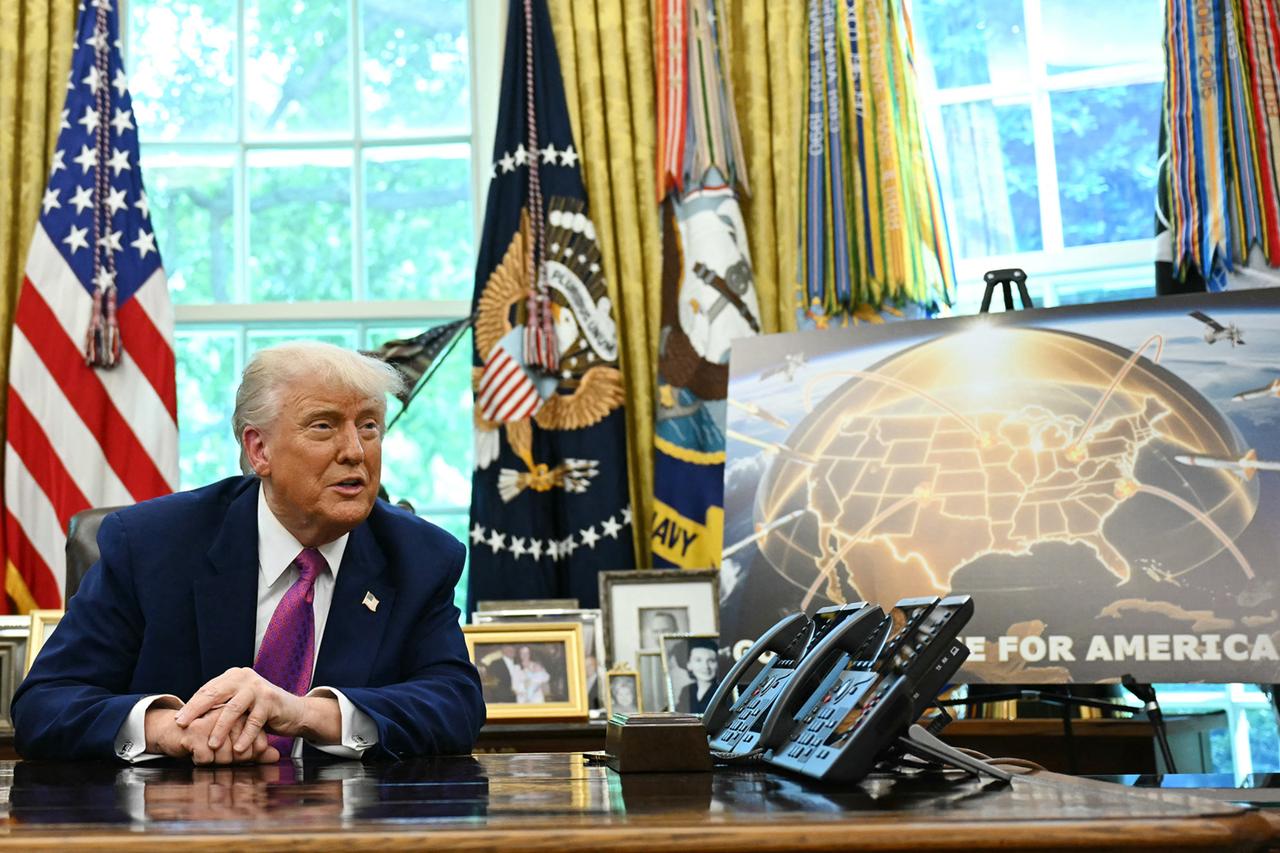
During the Davos speech, Trump also promoted his proposed defensive shield for the United States, which he has dubbed the Golden Dome. The $175 billion project aims to create a network of satellites to detect, track and potentially intercept incoming missiles, with a focus on threats from China and Russia.
"That's nothing compared to what we have planned for the United States, Canada and the rest of the world. We are gonna build a dome like no other," Trump said.
The Iron Dome has reported a 90 percent interception rate for rockets determined to be headed toward populated areas. By late October 2014, the systems had intercepted over 1,200 rockets. The system now includes both land-based deployments and naval variants installed on Israeli corvettes to protect offshore gas platforms.


 Set as preferred source
 Set as preferred source


 1 min read