Newsletters




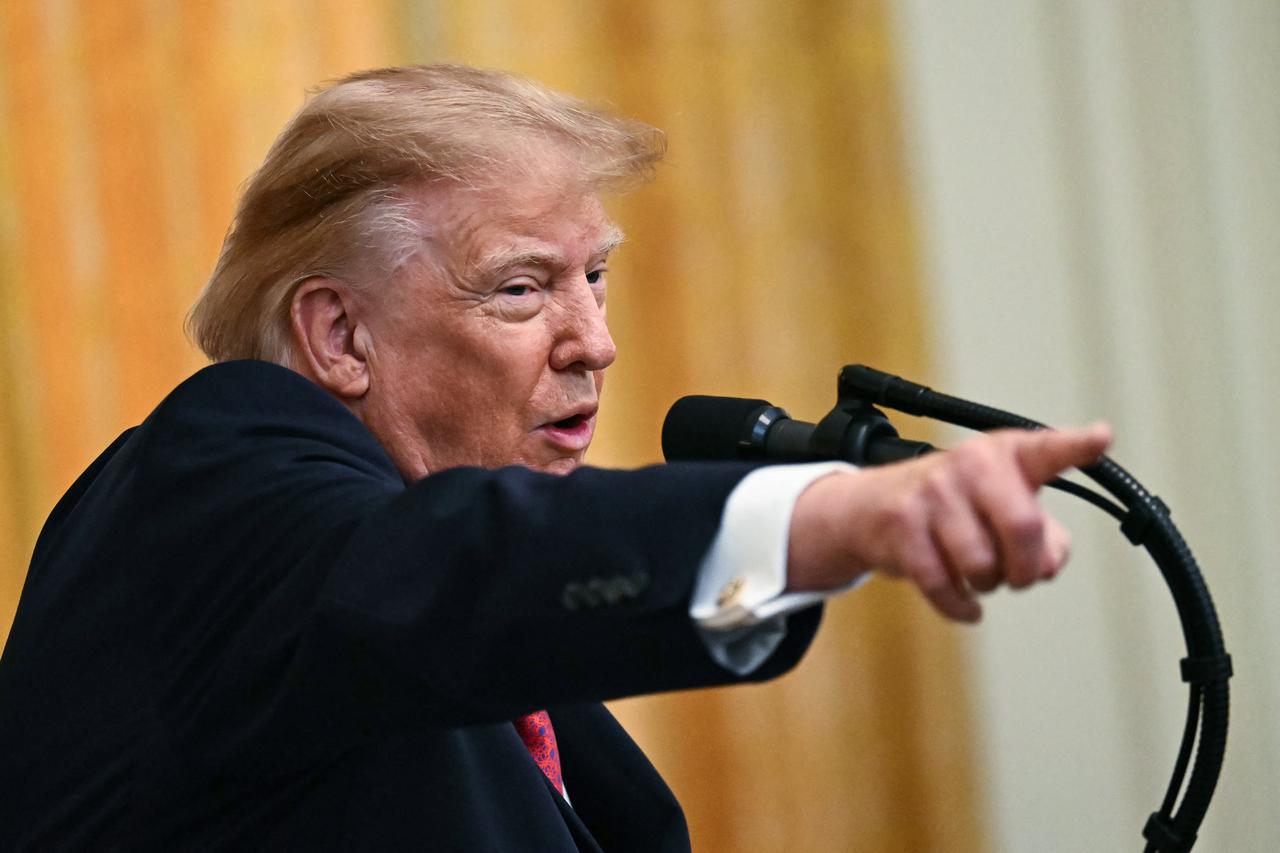
US President Donald Trump announced sweeping tariff threats against eight European nations on Saturday, demanding they facilitate his purchase of Greenland or face economic penalties escalating to 25 percent on all goods exported to America.
The unprecedented ultimatum targeted Denmark, Norway, Sweden, France, Germany, the United Kingdom, the Netherlands, and Finland—all NATO allies—as thousands protested in Greenland and Denmark against Trump's territorial ambitions for the autonomous Danish territory.
Trump declared on Truth Social that a 10-percent tariff would take effect February 1 on goods from the eight countries, increasing to 25 percent by June 1, 2026. The tariffs would remain "until such time as a Deal is reached for the Complete and Total purchase of Greenland," he wrote.
The announcement drew immediate condemnation from European leaders, with British Prime Minister Keir Starmer calling it "completely wrong" and French President Emmanuel Macron saying tariff threats "are unacceptable and have no place in this context." Swedish Prime Minister Ulf Kristersson told AFP his government "won't let ourselves be intimidated," adding that affected nations were coordinating a joint response.
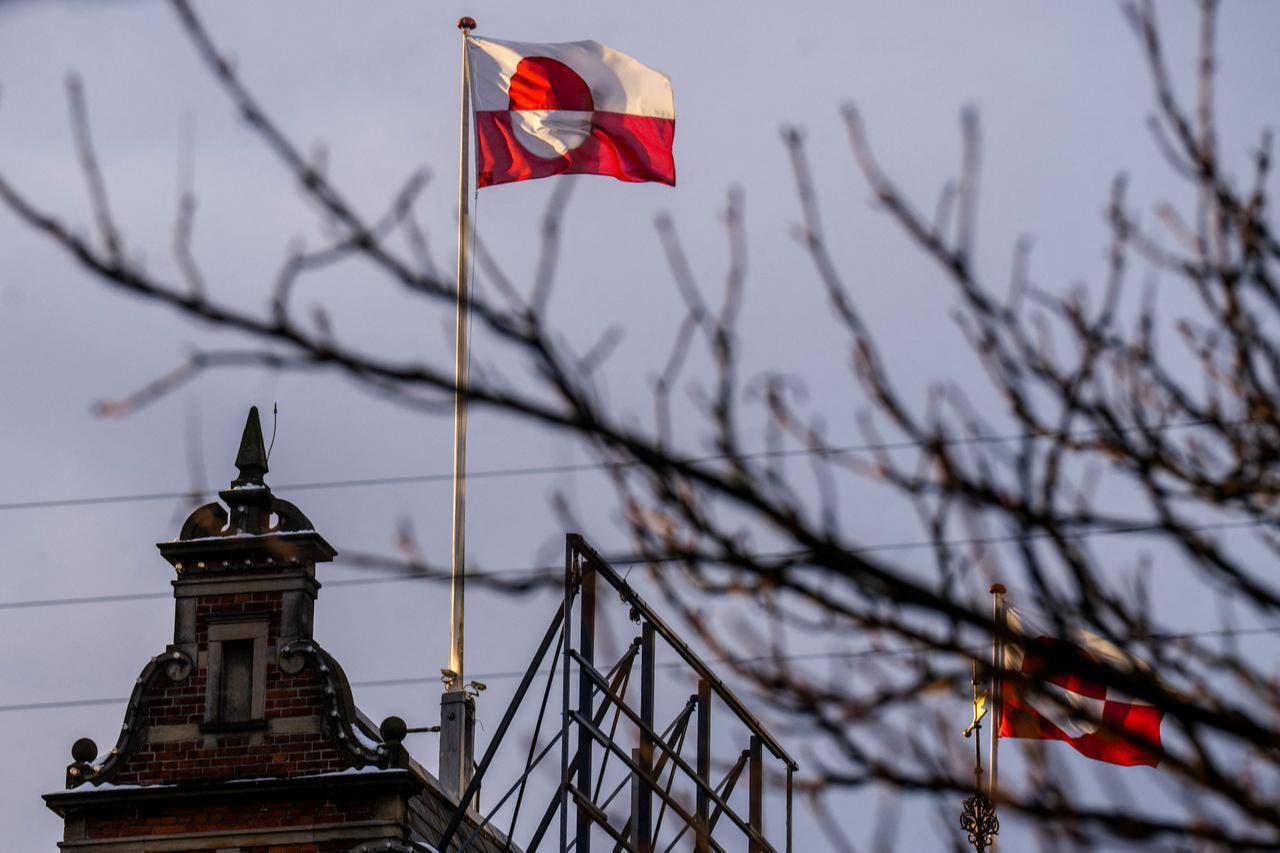

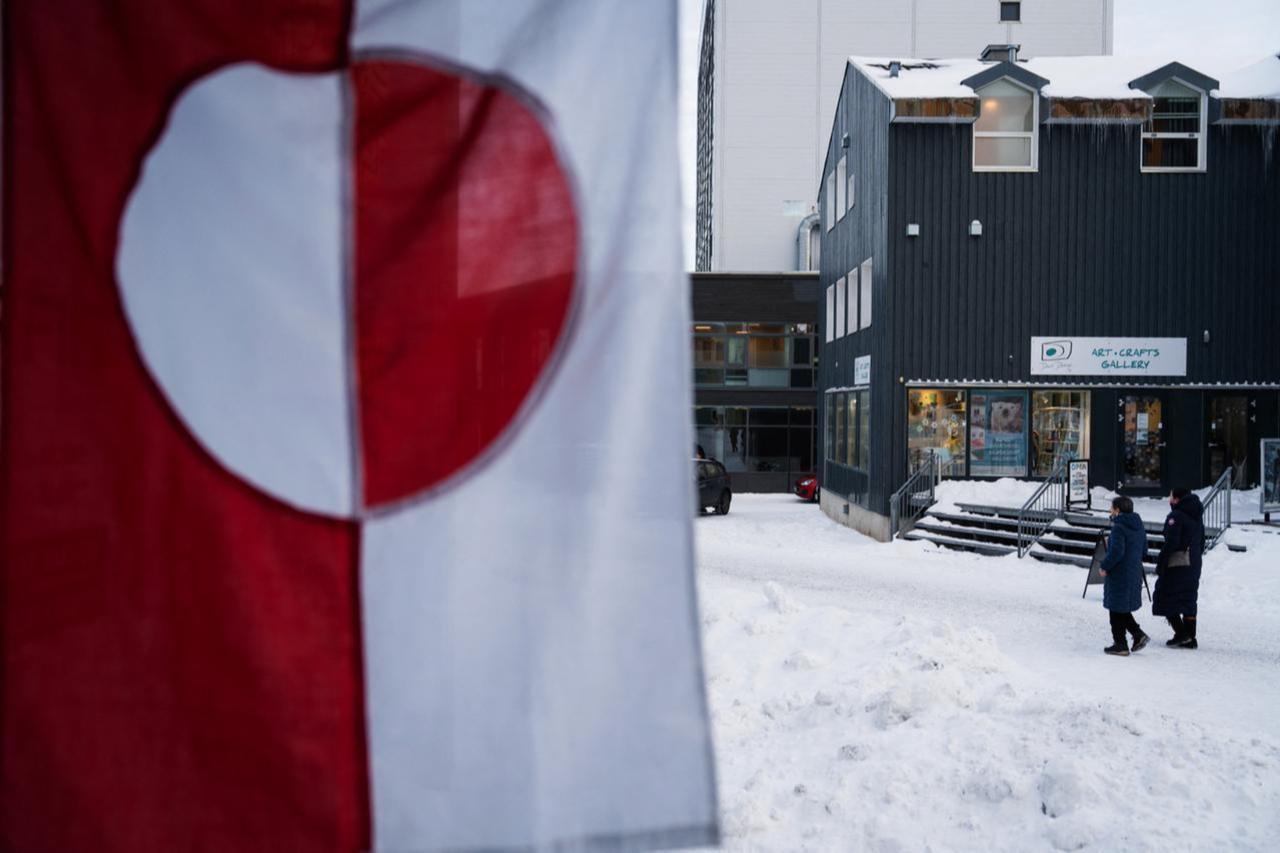
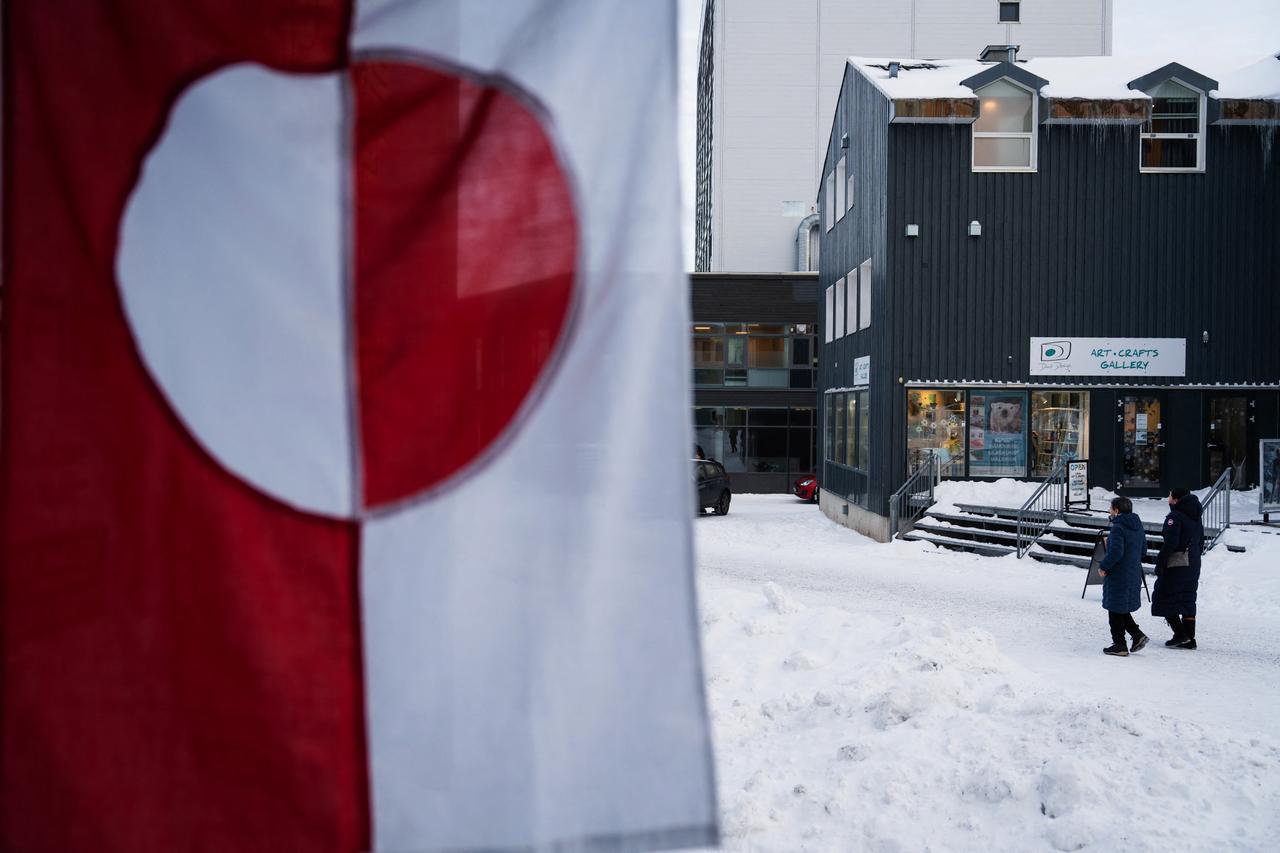
Thousands gathered in Nuuk, Greenland's capital, where demonstrators waved flags, chanted slogans, and sang traditional Inuit songs in the rain. Many wore caps reading "Make America Go Away"—a play on Trump's campaign slogan.
"We don't want Trump invading Greenland, that is the message," said Paarniq Larsen Strum, a 44-year-old nurse at the rally. Greenland's Prime Minister Jens-Frederik Nielsen joined the demonstrations.
Protest organizer Avijaja Rosing-Olsen told attendees: "We demand respect for our country's right to self-determination and for us as a people."
Simultaneous protests occurred in Copenhagen and other Danish cities, where demonstrators carried placards stating "USA already has too much ICE"—referencing Trump's deployment of federal immigration officers—and chanted "Kalaallit Nunaat," Greenland's name in the Greenlandic language.
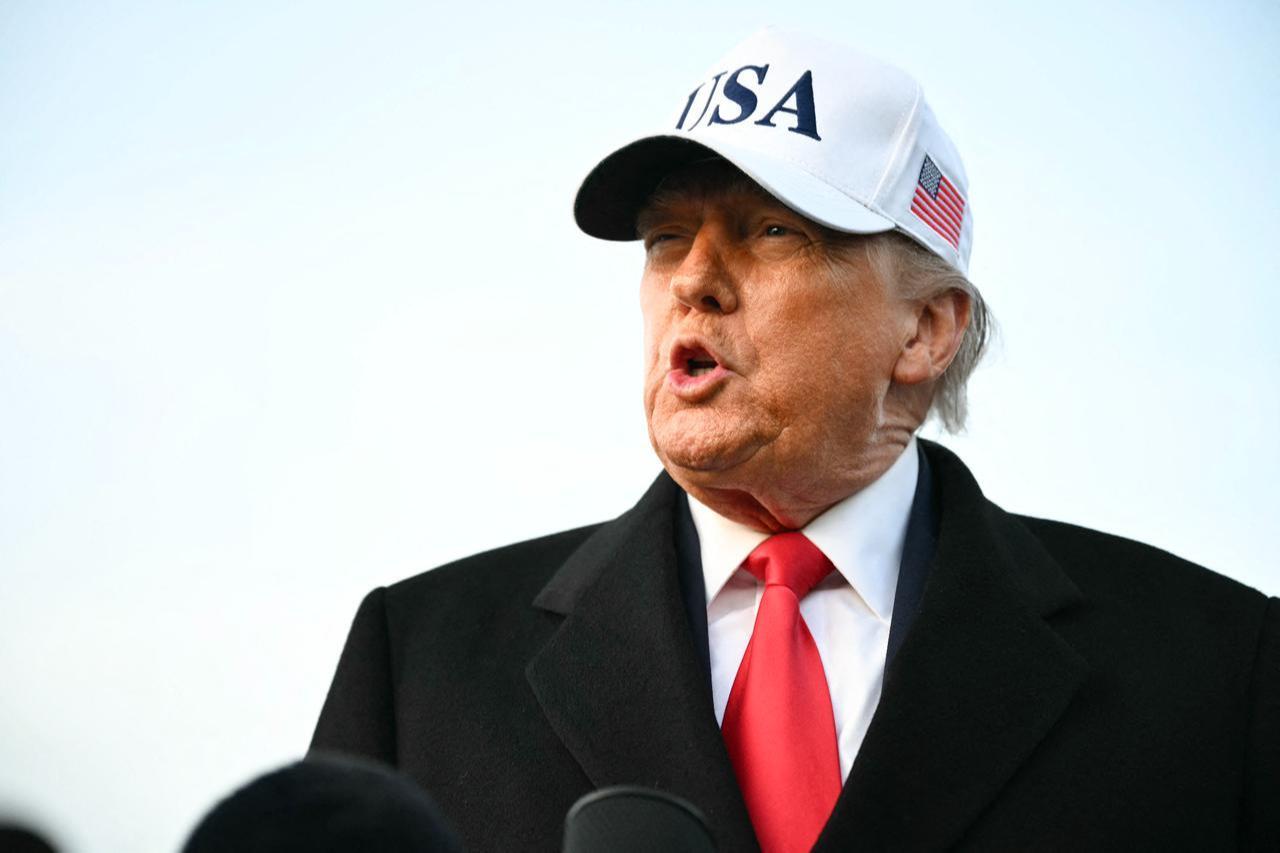
Trump has repeatedly invoked "national security" to justify his interest in Greenland, a mineral-rich island of 57,000 people at the gateway to the Arctic. He claims Denmark cannot adequately defend the territory from Chinese and Russian influence.
The tariff announcement came as several European nations deployed troops to Greenland for military exercises. France characterized the drill as demonstrating its commitment to defend the territory, while Denmark noted the US had been invited to participate.
Trump accused the countries of playing "this very dangerous game" and creating "a level of risk in play that is not tenable or sustainable." He stated it was "imperative that, in order to protect Global Peace and Security, strong measures be taken so that this potentially perilous situation end quickly, and without question." Trump added he remained "immediately open to negotiation with Denmark and/or any of these Countries."
 1 min read
A delegation of US lawmakers led by Democratic Senator Chris Coons concluded a visit to Copenhagen on Saturday for discussions with Greenlandic and Danish officials. The group told reporters Trump's position was misguided and lacked majority American support.
Public sentiment in Greenland strongly opposes joining the United States. A poll published in January 2025 found 85 percent of Greenlanders reject the territory becoming part of America, with only six percent in favor.
The legal basis for Trump's threatened tariffs remains unclear. Since returning to the presidency, Trump has imposed extensive tariffs on trading partners, characterizing them as tools to address unfair trade practices and advance US policy objectives. Washington and the European Union negotiated reduced tariffs on key European goods last summer, with implementation currently underway.
Denmark's government called Trump's tariff announcement a "surprise." The move would mark an extraordinary rupture within NATO if implemented, as the alliance has historically maintained economic cooperation alongside its security commitments.


 Set as preferred source
 Set as preferred source



 1 min read