Newsletters




Washington's squeeze on Tehran intensified Wednesday, with President Donald Trump issuing a pointed public warning to Iranian leaders while his administration signaled it was prepared to sustain a naval blockade of Iran for months, even as diplomatic efforts to end the two-month-old conflict showed no signs of progress.
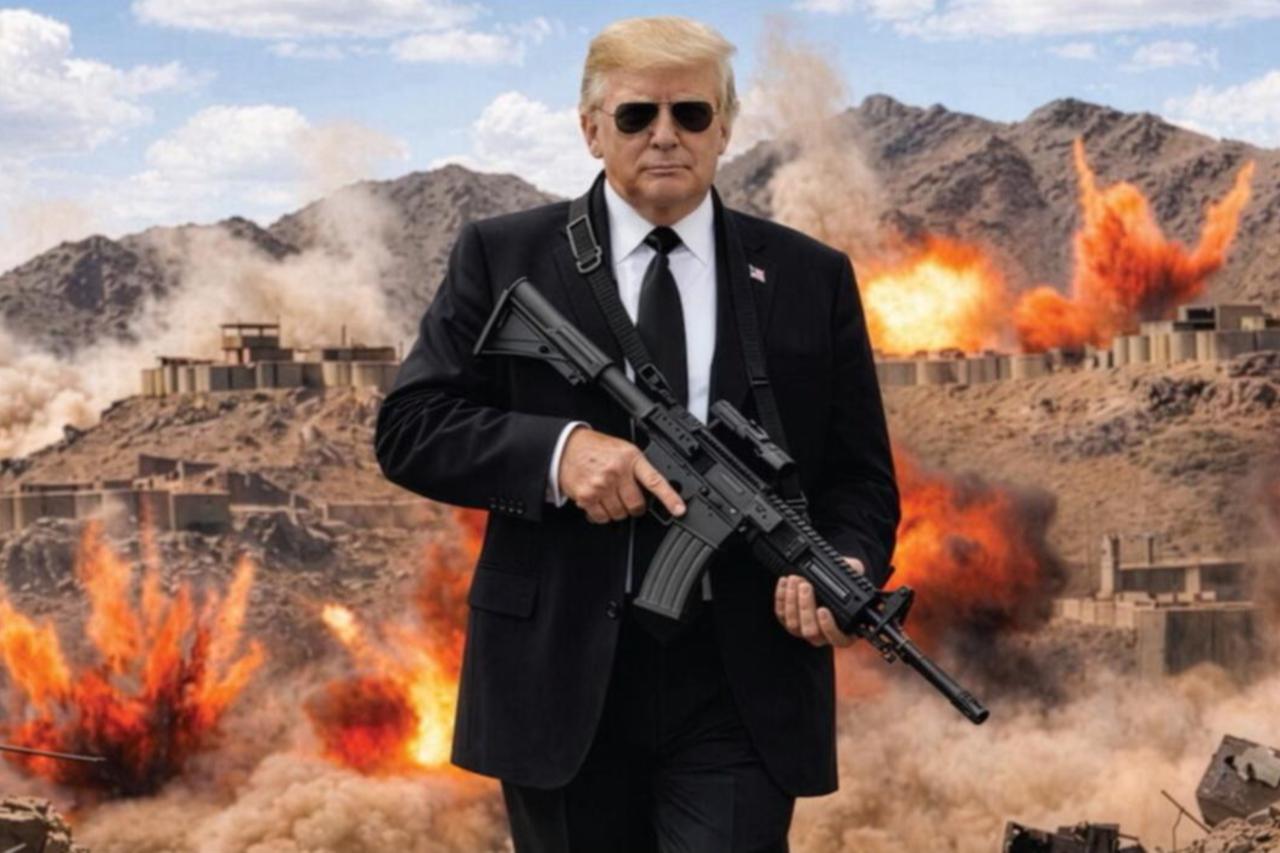
Trump, posting on his social media platform alongside an image depicting himself armed before a desert fortress under bombardment, wrote that Iran "can't get their act together" and that its leaders "better get smart soon." The post was accompanied by the phrase "No more Mr. Nice Guy," underscoring the administration's escalatory posture.
At a separate White House meeting with oil industry executives, Trump discussed what an administration official, speaking on condition of anonymity, described as "steps we could take to continue the current blockade for months if needed and minimize impact on American consumers."
The official confirmed that Trump had rejected Iran's most recent proposed deal to reopen the Strait of Hormuz, a critical artery through which a substantial share of the world's oil and gas passes.
The news of the stalled talks sent energy markets climbing. Brent crude for June delivery rose more than 5 percent to $117 a barrel by early afternoon Wednesday, its highest level since a fragile ceasefire between the United States and Iran took effect on April 8.
The United Nations Development Programme added to the alarm, warning that the conflict, which has sent energy and fertilizer prices surging worldwide, could push more than 30 million people into poverty across 160 countries. UNDP chief Alexander De Croo described the situation as "development in reverse."
Iran has kept the Strait of Hormuz blocked since the United States and Israel launched military operations two months ago. While the chokehold has caused global economic disruption, Tehran is also bearing significant domestic costs. On Wednesday, the Iranian rial fell to historic lows against the dollar.
Tehran residents who spoke to journalists in Paris described a deep sense of weariness. A 52-year-old architect, speaking anonymously, said that every time negotiations have taken place in recent years, ordinary Iranians have ended up worse off. "They go to negotiate and come back with even more sanctions, and the issue is always nuclear," he said, adding that people had earned the right "to not even want to hear the word 'negotiation.'"
Iran's defence ministry spokesman Reza Talaei-Nik rejected Washington's negotiating position outright, saying the United States "must abandon its illegal and irrational demands" and was no longer in a position to dictate terms to independent nations.
The most recent Iranian proposal, conveyed through Pakistan and reviewed by US officials Monday, reportedly included red lines on both the nuclear issue and the future of the strait.
The plan would have seen Tehran ease its grip on the waterway in exchange for Washington lifting its retaliatory blockade, while broader nuclear talks continued. That proposal appears to have been rejected.
Iran's army spokesman Amir Akraminia said Tuesday on state television that Tehran "does not consider the war to be over," adding that his forces had "no trust in America" and retained capabilities they had not yet deployed.
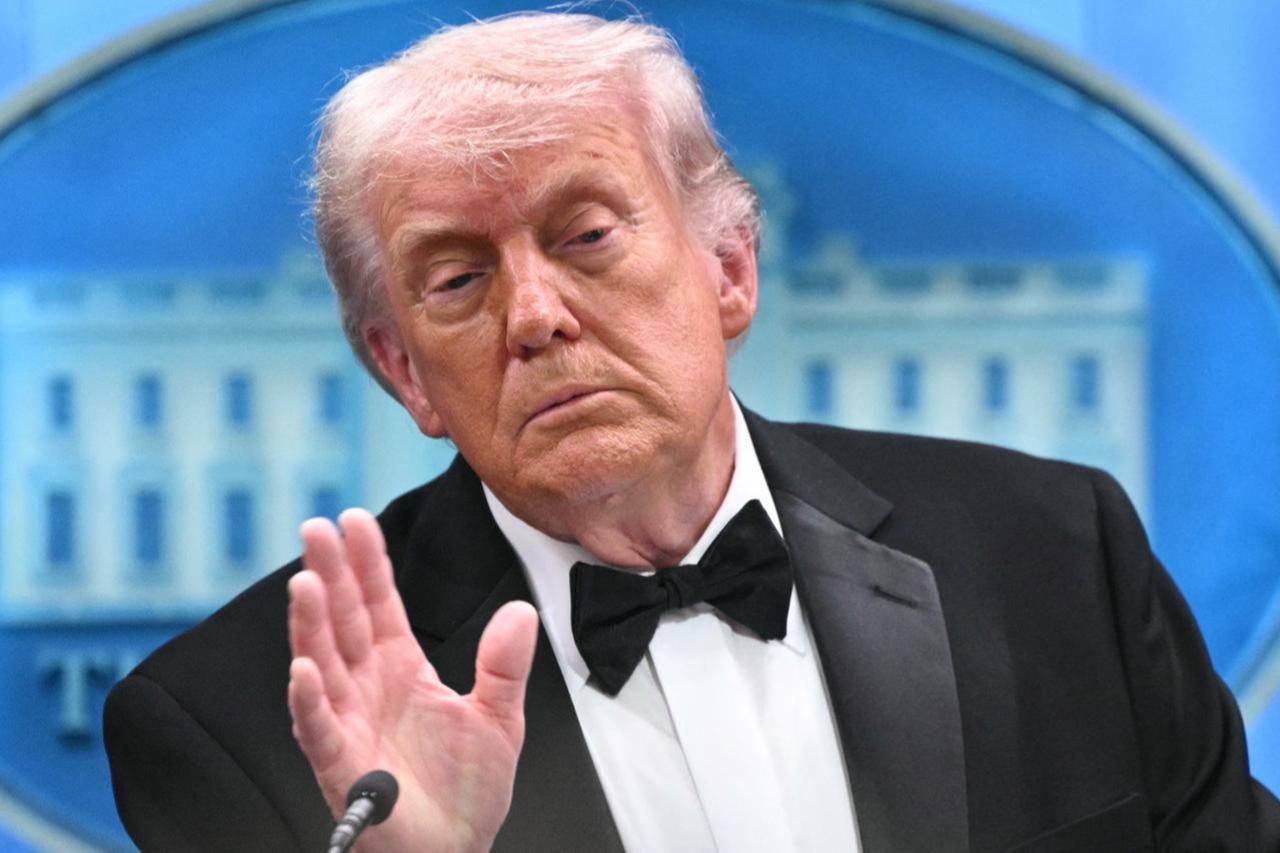
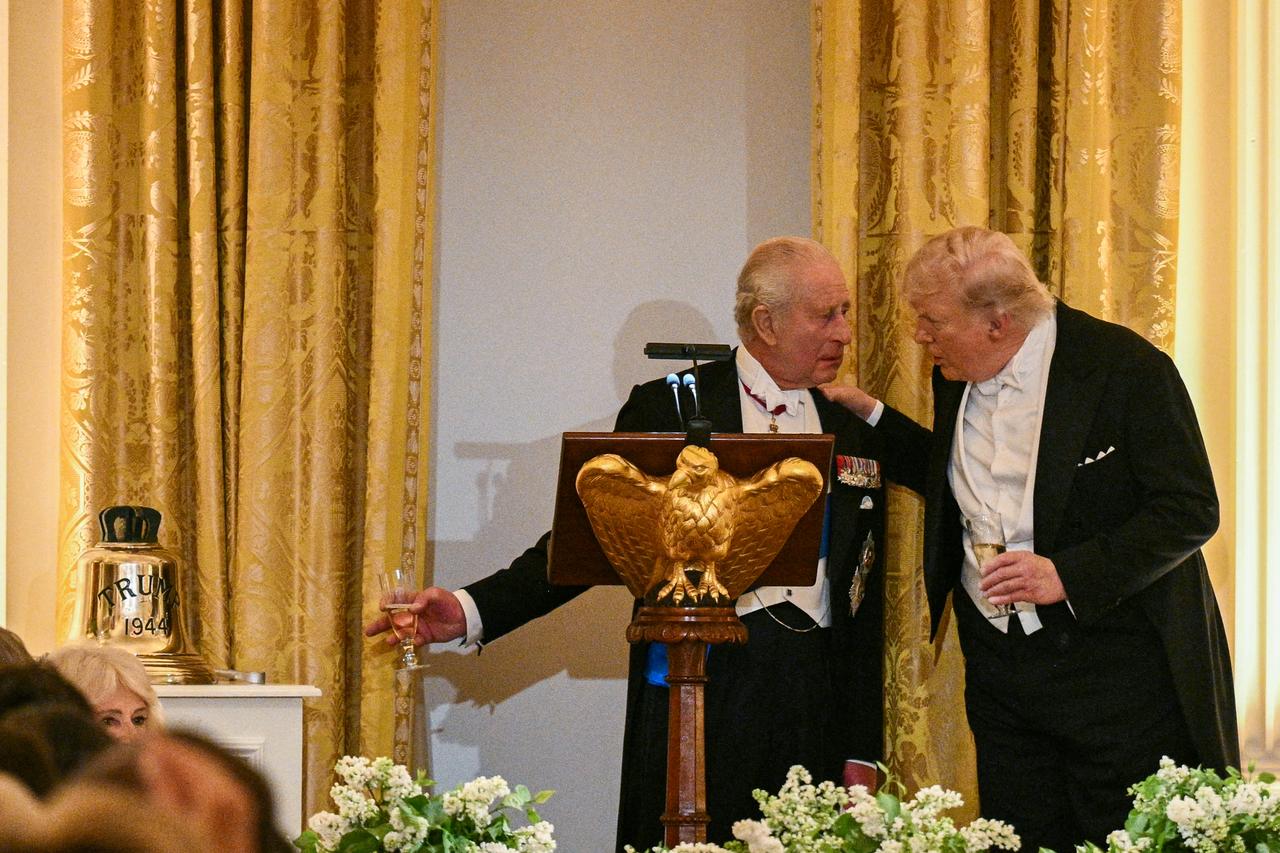
At a White House state dinner Tuesday, Trump told Britain's King Charles III and assembled guests that Iran had been "militarily defeated," and declared that the two countries were united in opposition to Iran ever obtaining a nuclear weapon. Qatar, a US ally that was struck by Iranian missiles despite its role as a mediator, has meanwhile cautioned that the conflict risks becoming a "frozen" one if no definitive resolution is reached.
 1 min read
The conflict's spillover in Lebanon continued Wednesday, with the Lebanese army reporting that an Israeli airstrike killed one of its soldiers, a day after another strike wounded two others. It was the first time since a recently extended ceasefire between Israel and Hezbollah, the Iran-backed group that drew Lebanon into the conflict, that Israeli fire had been confirmed to have directly struck Lebanese military forces.
Lebanese President Joseph Aoun said Israel "must finally realise that the only path to security is through negotiations," but stressed that a full ceasefire implementation was a prerequisite. "Israeli attacks cannot continue as they are," he said, calling on Washington to set a date for direct negotiations.
A UN-backed report released Wednesday projected that more than 1.2 million people in Lebanon are expected to face acute hunger as a result of the latest conflict, adding to a humanitarian picture across the region that aid agencies describe as rapidly deteriorating.


 Set as preferred source
 Set as preferred source


 1 min read