Newsletters


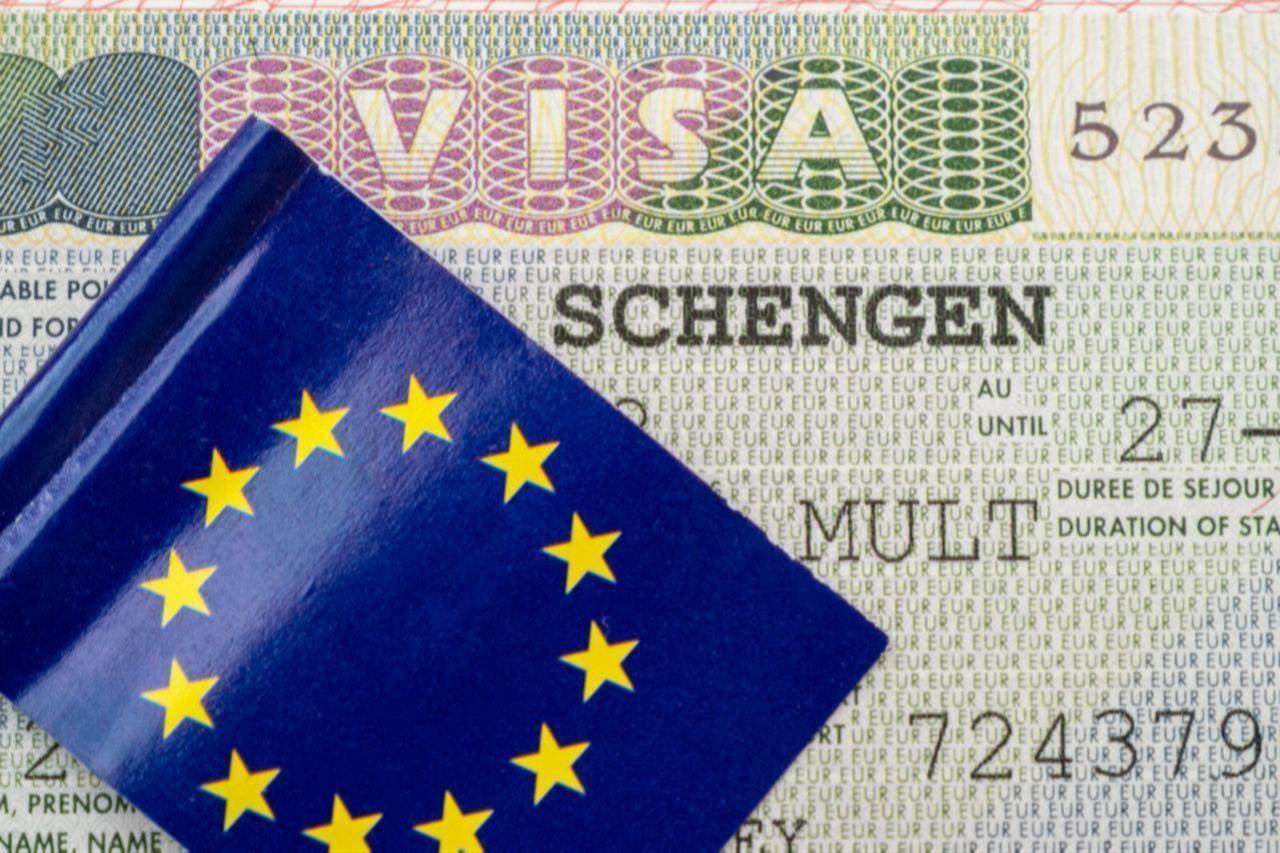


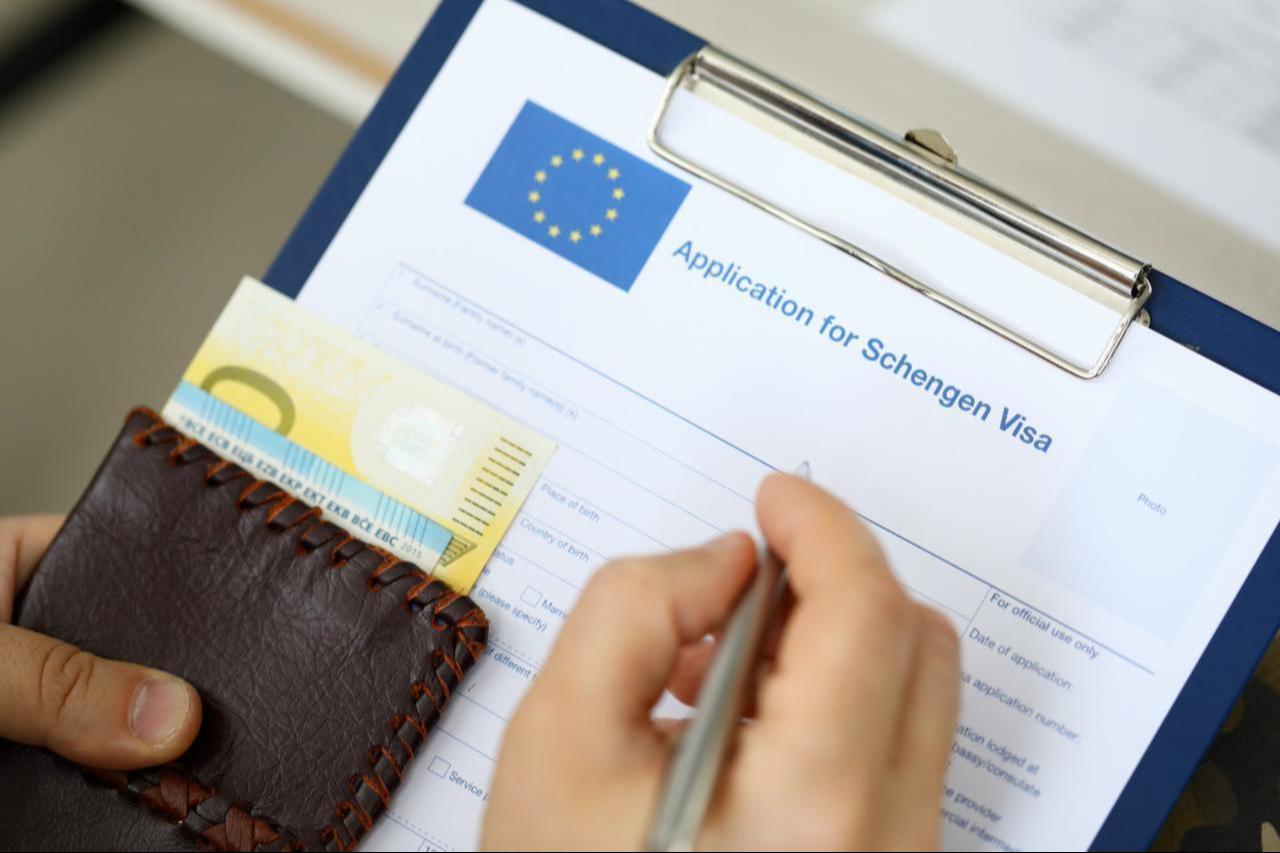
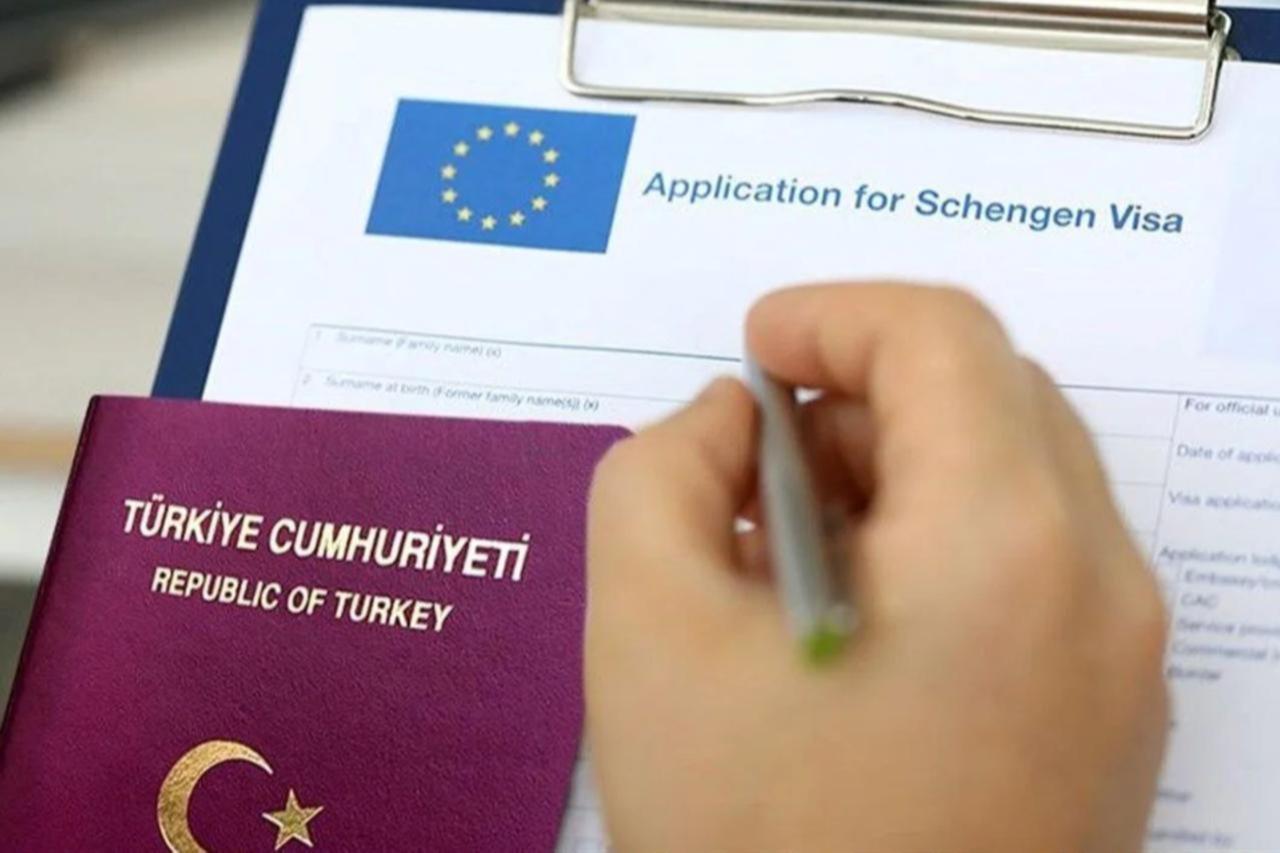
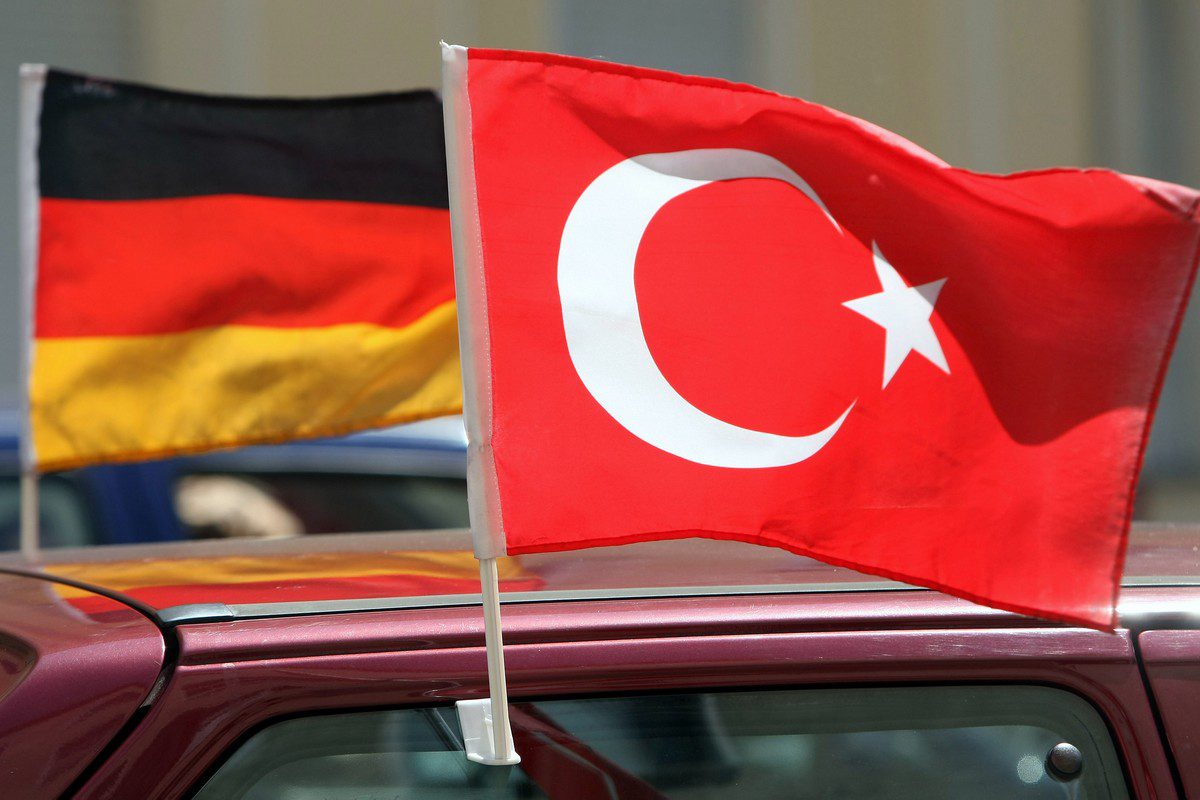
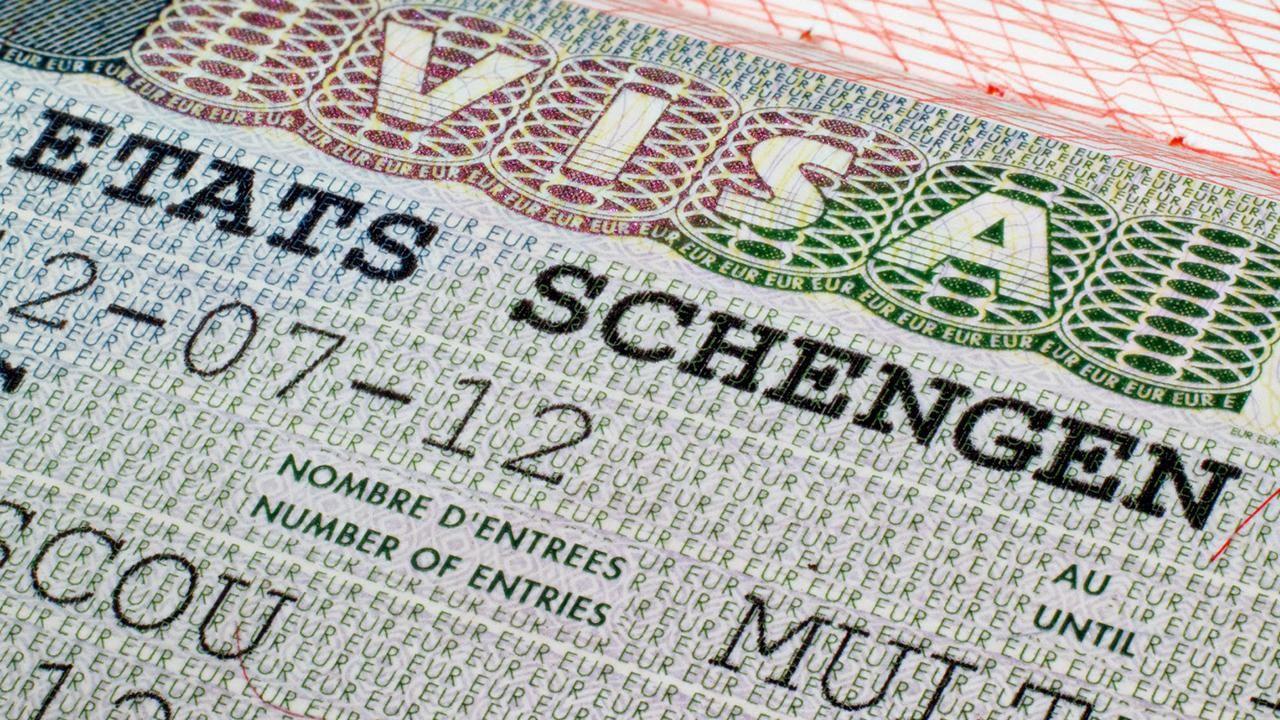
Despite tightening its migration and asylum policies, Germany approved more than 100,000 family reunification visas in the first 11 months of 2025, with Turkish citizens ranking first among beneficiaries, according to official data.
Figures released by the German Foreign Ministry show that 101,756 family reunification visa applications from the five most represented nationalities were approved by the end of November.
Turkish citizens accounted for the largest share.
Between January and November, 14,907 Turkish nationals received family reunification visas, followed by 13,148 Syrians, 9,286 Indians, 7,143 Kosovars and 4,426 Albanians.
More than one-third of the visas, totaling 37,227, were issued for children joining their parents in Germany.
Around 3,500 visas were granted for parents joining their children.
The most frequently issued visas were for spouses of foreign nationals living in Germany, with 44,426 visas issued under this category.
An additional 16,298 visas were granted to individuals joining spouses holding German citizenship.
Family reunification rights generally apply only to the nuclear family, including spouses and minor children, with limited exceptions for hardship cases.
A coalition reform introduced in March 2024 expanded eligibility to include parents and parents-in-law of highly skilled workers.
In July, the government suspended family reunification for individuals with subsidiary protection status for two years.
This group largely consists of Syrian migrants. Under the new rules, only those facing hardship can reunite with spouses and minor children, while individuals granted asylum retain full family reunification rights.

The German government said intensified border controls led to the rejection of 993 asylum-seekers since May.
Between May 7 and Oct. 31, authorities recorded 1,582 asylum applications from individuals who had initially been denied entry.
During the same period, 32,236 unauthorized entries were detected, mostly at borders with France, Poland and Austria, as well as at airports.
A total of 201 people were classified as vulnerable during inspections conducted between May 8 and Oct. 31.
Germany has implemented border controls at all land borders since Sept. 16, 2024, with the latest extension set to remain in force until mid-March 2026.
Interior Minister Alexander Dobrindt expanded the scope of controls after taking office in May, instructing police to turn back asylum seekers except for vulnerable groups such as the sick or pregnant women.
Alliance 90/The Greens lawmaker Marcel Emmerich criticized the measures, saying border blockages harm the economy, disrupt travel and place a heavy burden on border regions, while failing to deliver measurable security gains.


 Set as preferred source
 Set as preferred source


 1 min read
 1 min read