Newsletters


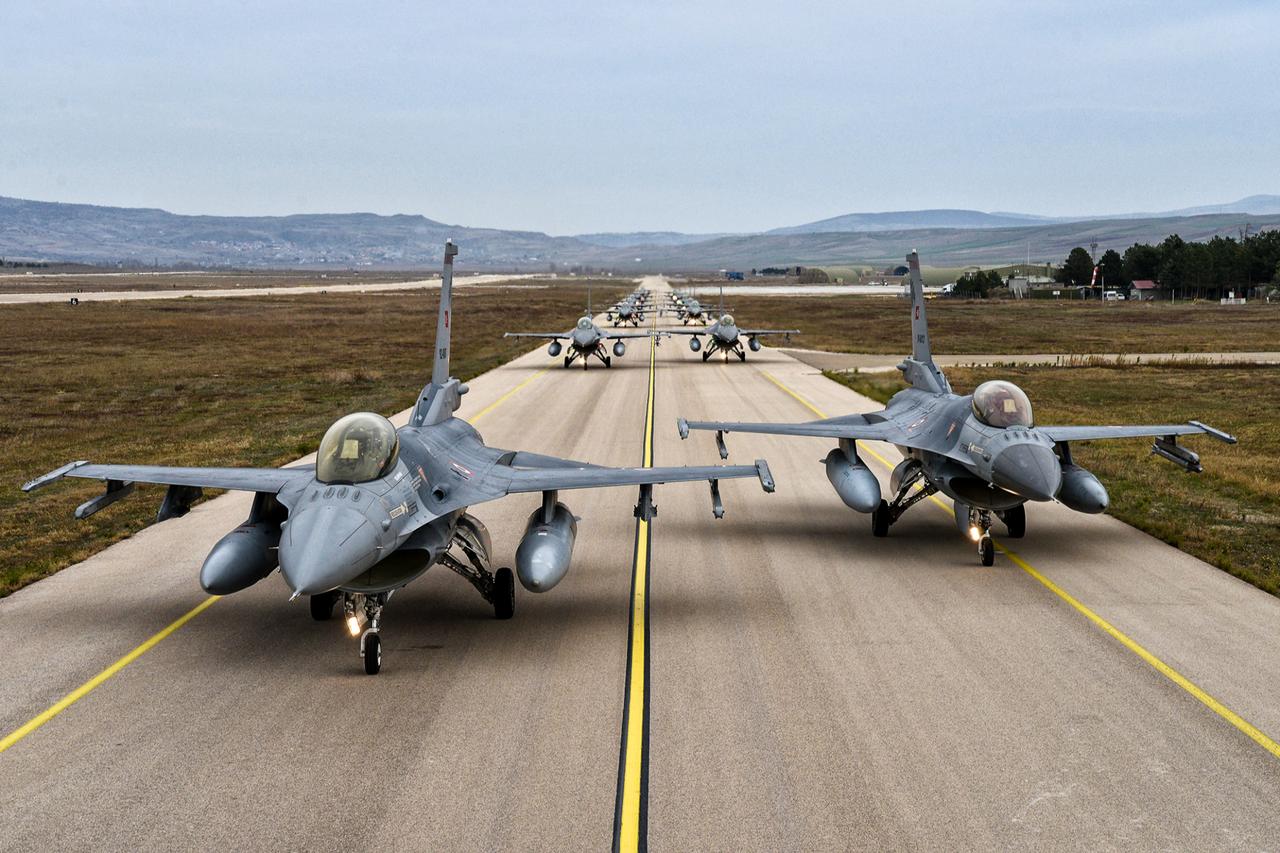


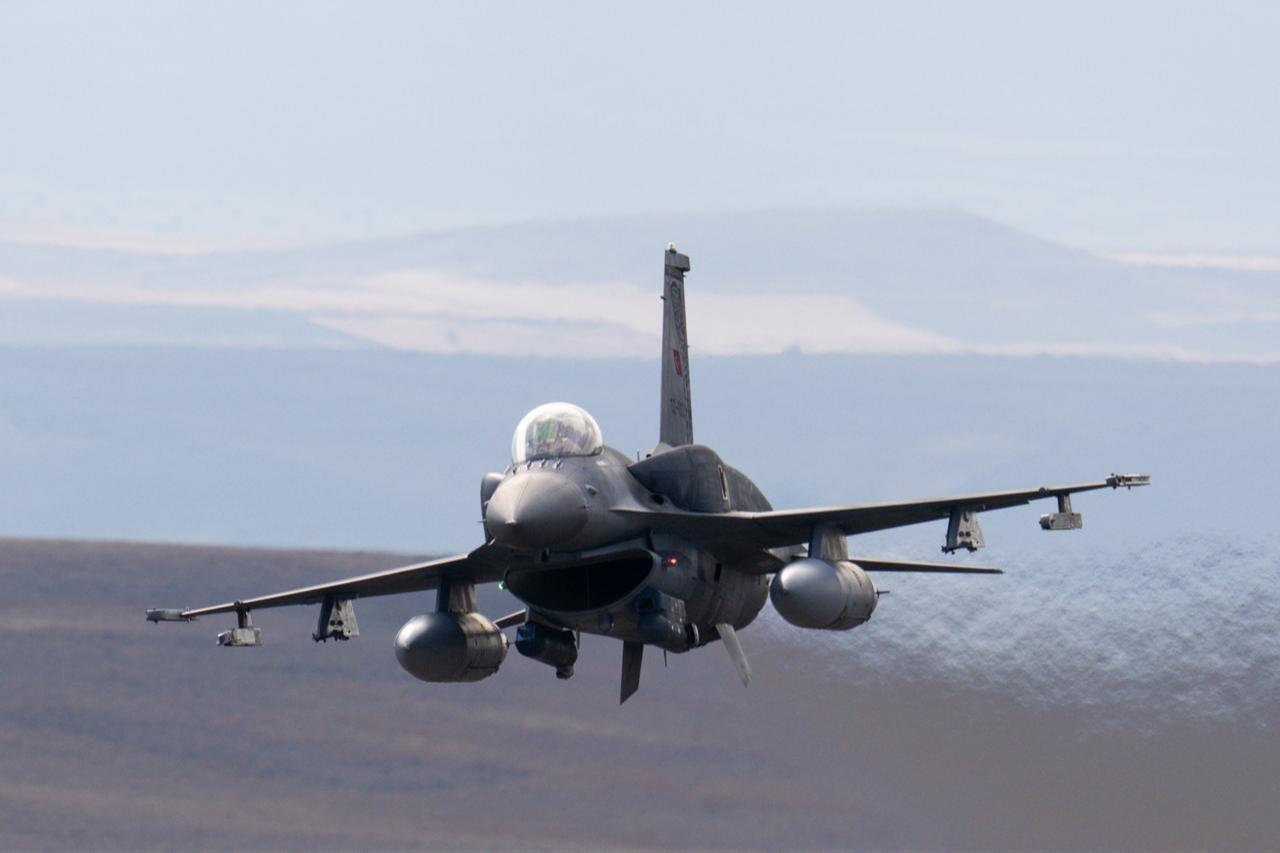
Türkiye deployed three F-16 fighter jets to Mogadishu to protect expanding Turkish investments in Somalia's energy and space sectors, as Ankara joins a regional axis with Saudi Arabia, Egypt and Sudan aimed at countering UAE influence in the Red Sea and Horn of Africa.
Somali officials told Middle East Eye (MEE) that Ankara has been constructing a facility to host the F-16s over the past few months, with Turkish engineers working at Mogadishu's international airport for several days to prepare the site.
Analysis of satellite images by MEE indicates that several new hangars have been constructed at the airport since September, and open-source data shows numerous Turkish cargo flights over the past 10 days, possibly delivering spare parts and ammunition.
A source familiar with the deployment told MEE that the F-16s were stationed as a precursor to Ankara's plans to send an oil exploration platform to Somalia, which will begin drilling off the Somali coast later this year.
A spaceport project in northern Mogadishu is also in the planning stages.
While the Turkish Defense Ministry did not specifically comment on the deployment, ministry sources confirmed Ankara maintains an Air Component Command in Somalia. "The Somali-Turkish Task Force and our Air Component Command, deployed in Somalia, continue to contribute to the development of Somalia's counterterrorism capacity through military assistance, training, and advisory activities."

Israel's recognition of the breakaway state of Somaliland earlier this month, along with rising tensions in the Horn of Africa, has made Ankara's presence in Somalia more critical than ever.
The Turkish government emphasized Somalia's territorial integrity in a statement released Wednesday after the first National Security Council meeting of 2026.
"Türkiye's support for the sovereignty and territorial integrity of the Federal Republic of Somalia was underscored, and it was emphasised that Türkiye will continue to uphold the bonds of brotherhood by standing with the Somali people in their fight against terrorist organisations," the statement said.
On the same day, Somalia's cabinet unanimously appointed Brig. Gen. Ibrahim Mohamed Mohamud as the new commander of the Somali National Army. Mohamud holds a master's degree from a Turkish university and received training at the Turkish Defense University.
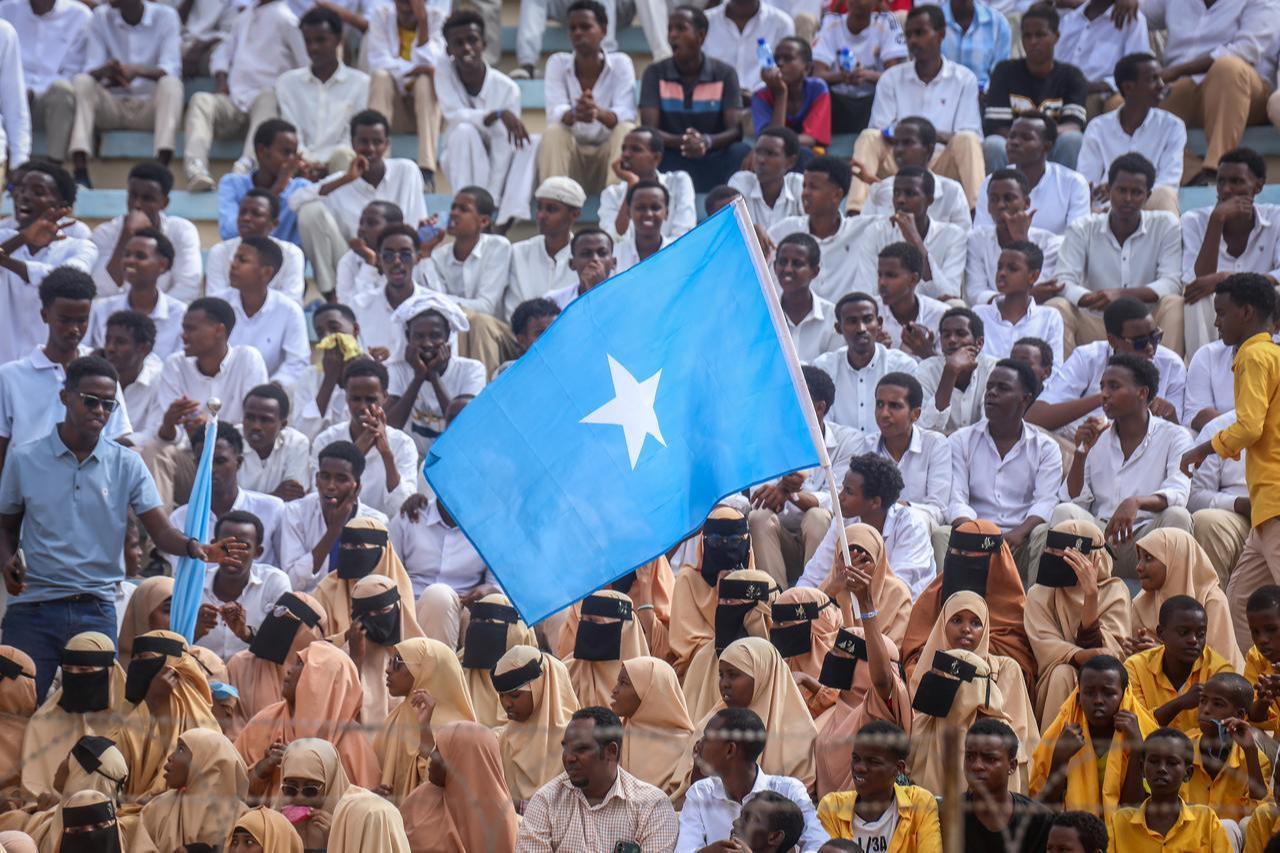
Ambassadors of Türkiye, Sudan, Egypt and Saudi Arabia attended the inauguration of Somalia's newly created Northeast State leadership in Las Anod on Saturday—a joint visit described by Somali and Sudanese diplomats as a display of Mogadishu's entry into the regional axis.
According to sources, Somalia's decision last week to annul all agreements with the UAE followed Sudanese-Somali ministerial-level talks in which Sudan assured Somalia of backing from Riyadh, Cairo and Ankara.
"The UAE did not conduct itself as a single, independent state in its dealing with Somalia," Somali President Hassan Sheikh Mohamud said on Jan. 13. "On numerous occasions, we urged them to treat Somalia as one country and to cease the covert approach of engaging through multiple channels, undertaking activities inside our country without the knowledge of the federal government."
Officials in Mogadishu saw the growing alignment with Saudi Arabia, Sudan and Egypt as a "good chance" to counter UAE influence in the Red Sea, according to a Somali Foreign Ministry source — a calculation formed after Israel's recognition of Somaliland in late December.
Since 2011, President Recep Tayyip Erdogan's government has invested heavily in Somalia, establishing the largest Turkish embassy in the world in Mogadishu and providing over $1 billion in humanitarian aid.
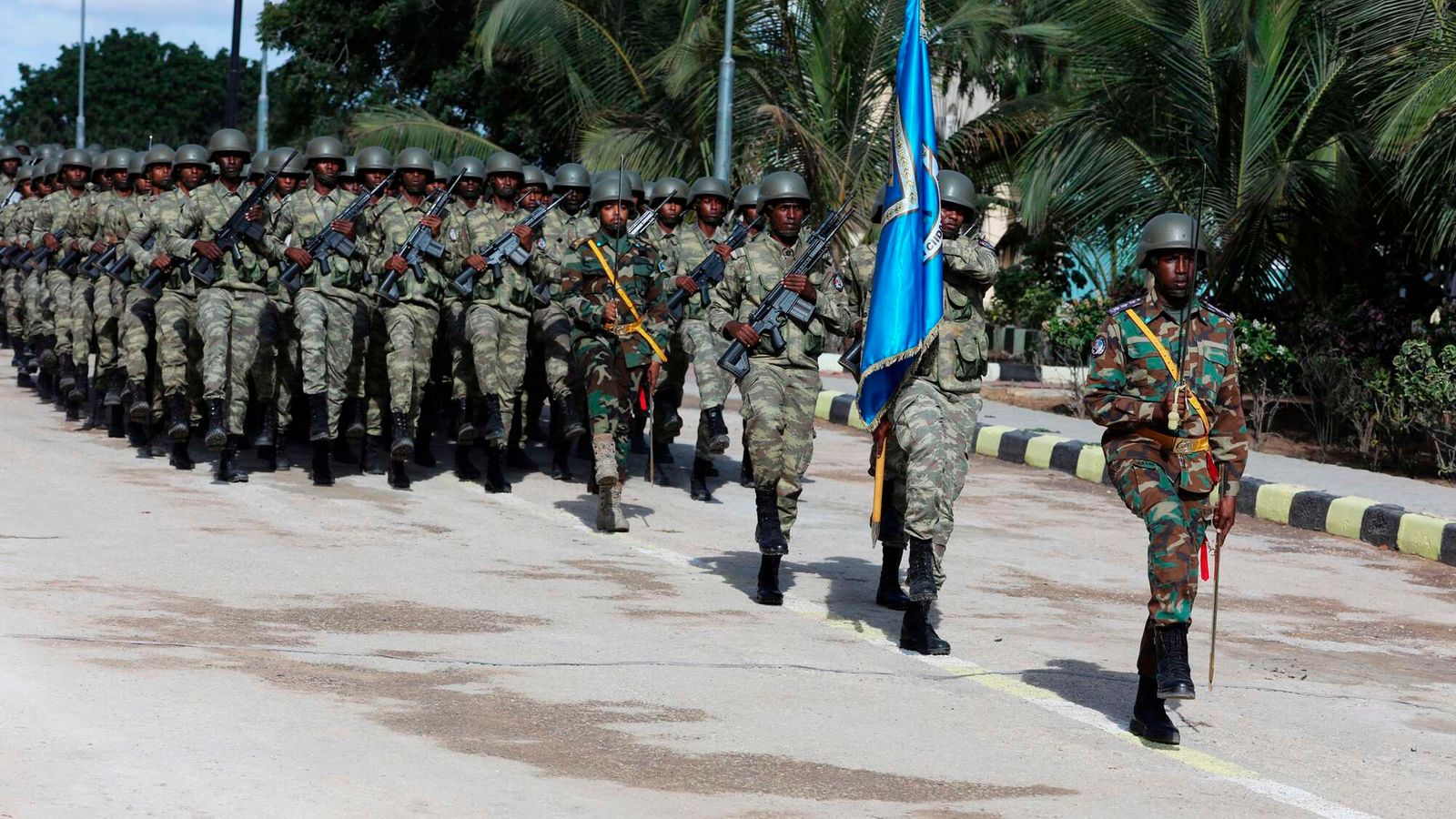
Türkiye now operates a large military base in Mogadishu (Turksom), while Turkish companies manage both the city's airport and port. Ankara has trained thousands of Somali soldiers — roughly one-third of Somalia's military.
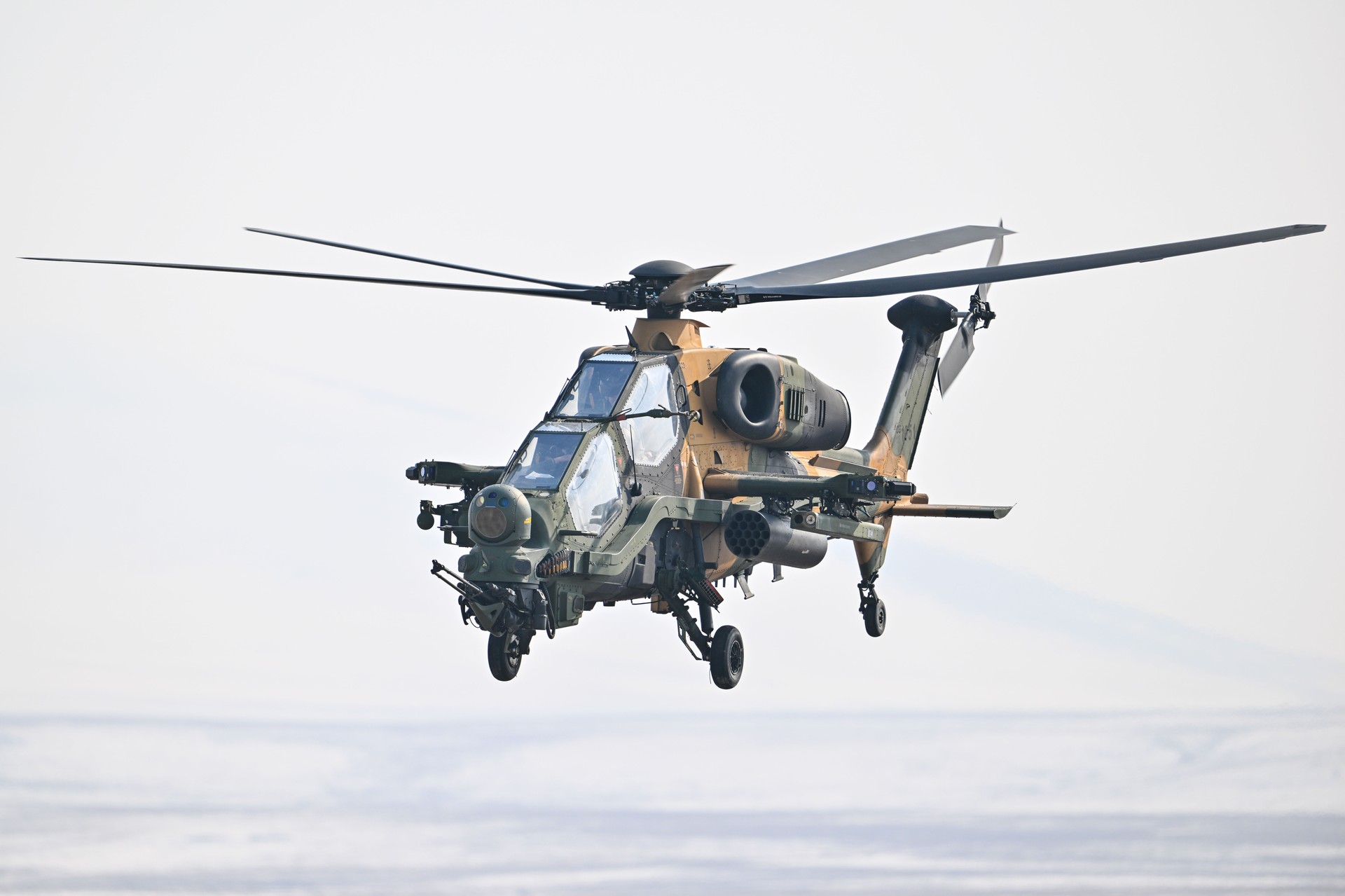
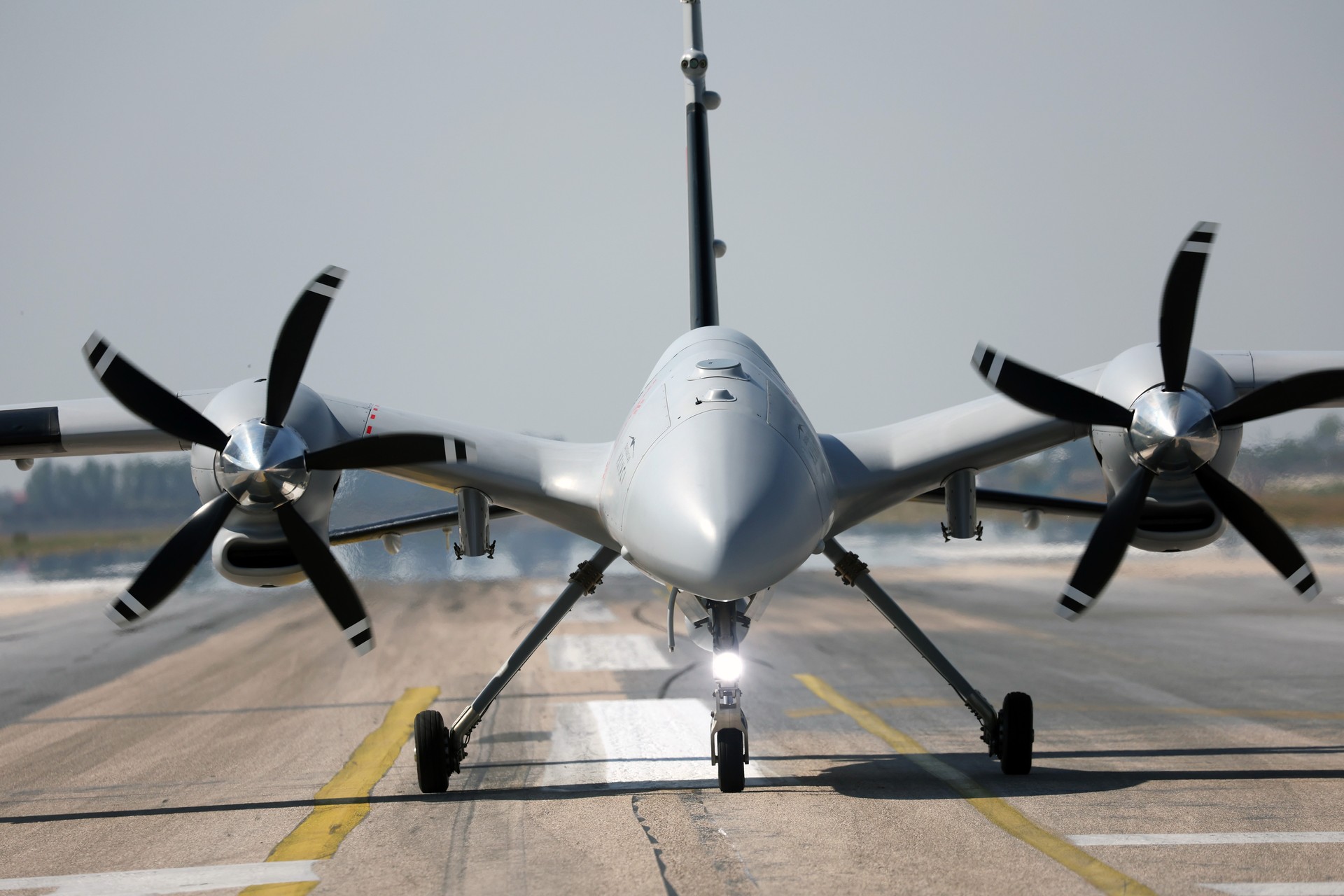
In addition to the F-16s, it was previously reported that Ankara deployed three T129 Atak attack helicopters to Mogadishu in June, along with TB2 Bayraktar and Akinci armed drones.
Türkiye also handed over two utility helicopters to the Somali navy as part of a February 2024 defense agreement mandating Ankara to help establish a naval force for Mogadishu.


 Set as preferred source
 Set as preferred source


 1 min read
 1 min read