Newsletters




NATO Deputy Secretary General Radmila Shekerinska stated on Saturday that "Stronger Europe, Stronger NATO" is the alliance's core objective heading into the Ankara Summit in July.
She praised Ankara as "a vital ally for almost 75 years" with NATO's second-largest army, as Lithuania's Foreign Minister said NATO would only be an effective deterrent "when we are ready to defeat any of our adversaries."
The panel at Antalya Diplomacy Forum affirmed that all allies must now take concrete ownership of defense.
Shekerinska stated that the alliance was entering a period of intensified geopolitical competition and that the Ankara Summit must deliver on the commitments made at last year's Hague Summit.
"We need to follow our words with very clear actions in investment, production and support to Ukraine. What we want to see after The Hague Summit is European allies and Canada getting stronger, taking more responsibility," she said.
She noted that defense industry mobilization, long advocated by NATO, had been vindicated by events in Ukraine and the Middle East.
"Our comments that the defense industry needs to step up, that we need to step up, they proved to be timely," she said.
She added that a strong NATO required both continued U.S. transatlantic commitment and greater European and Canadian investment in their own defense.
"Stronger Europe, stronger NATO, that is the fundamental objective of the alliance heading into the Ankara Summit," she said.
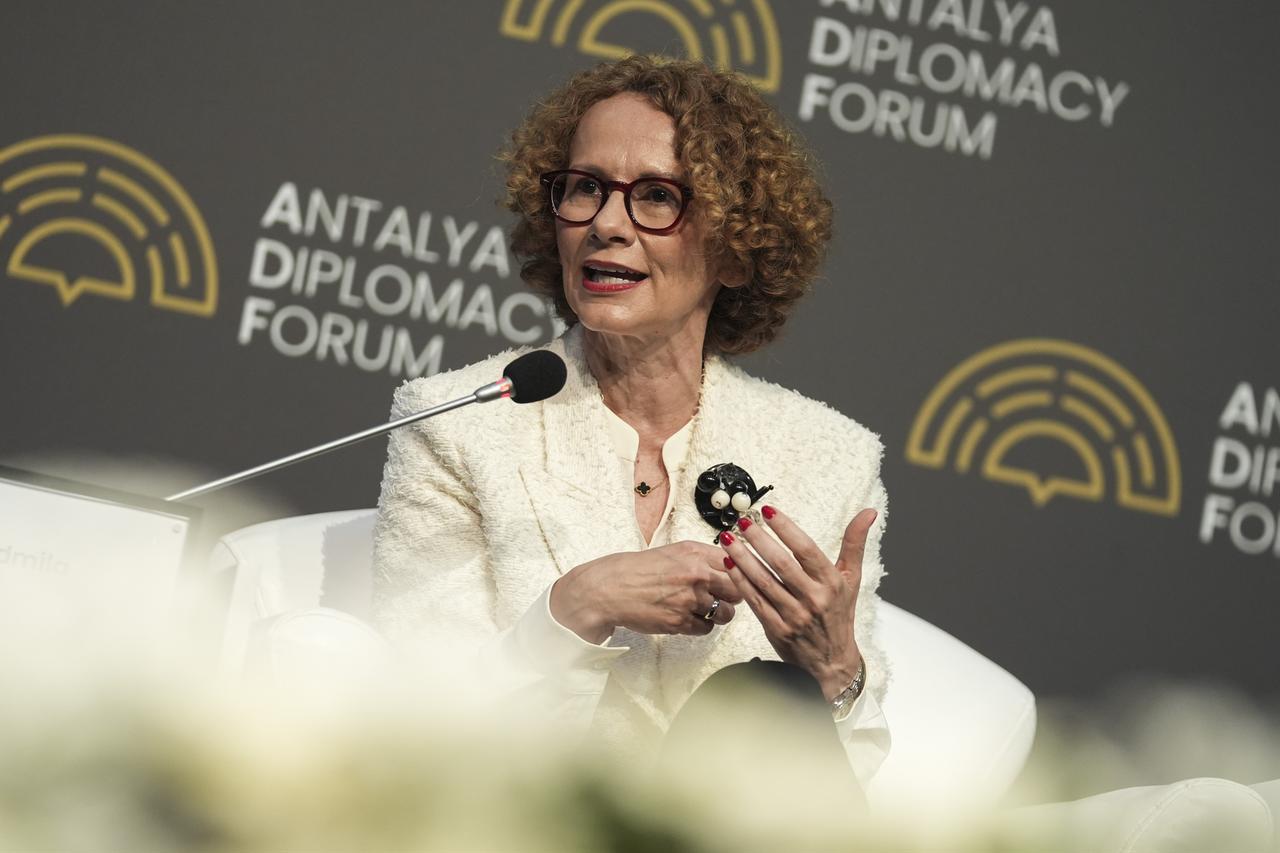

Shekerinska offered an expansive endorsement of Türkiye's NATO contribution.
"Türkiye has been a very important ally for almost 75 years for all of us. You have the second-largest army in the alliance. You have participated in and led many of our operations and missions. Your commitment to the defense industry is very strong," she said.
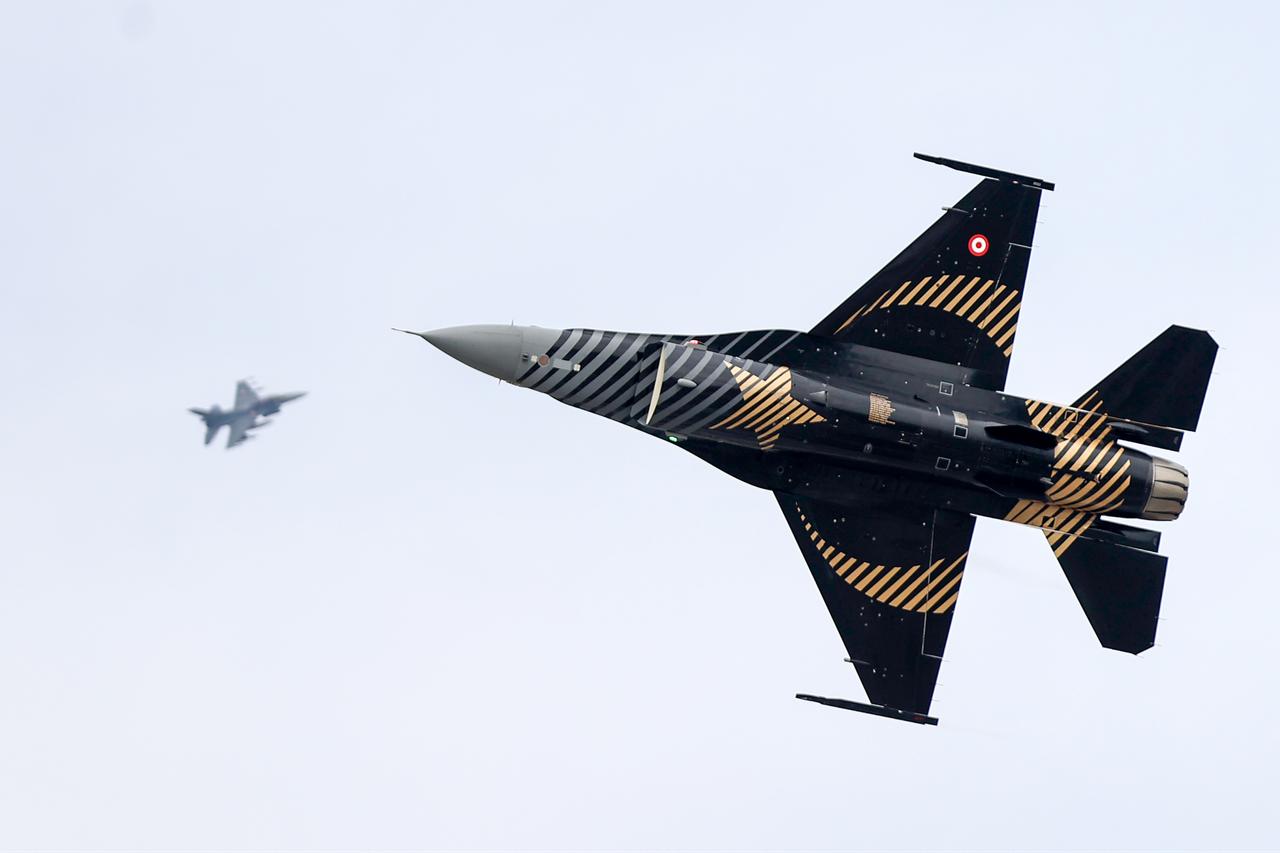
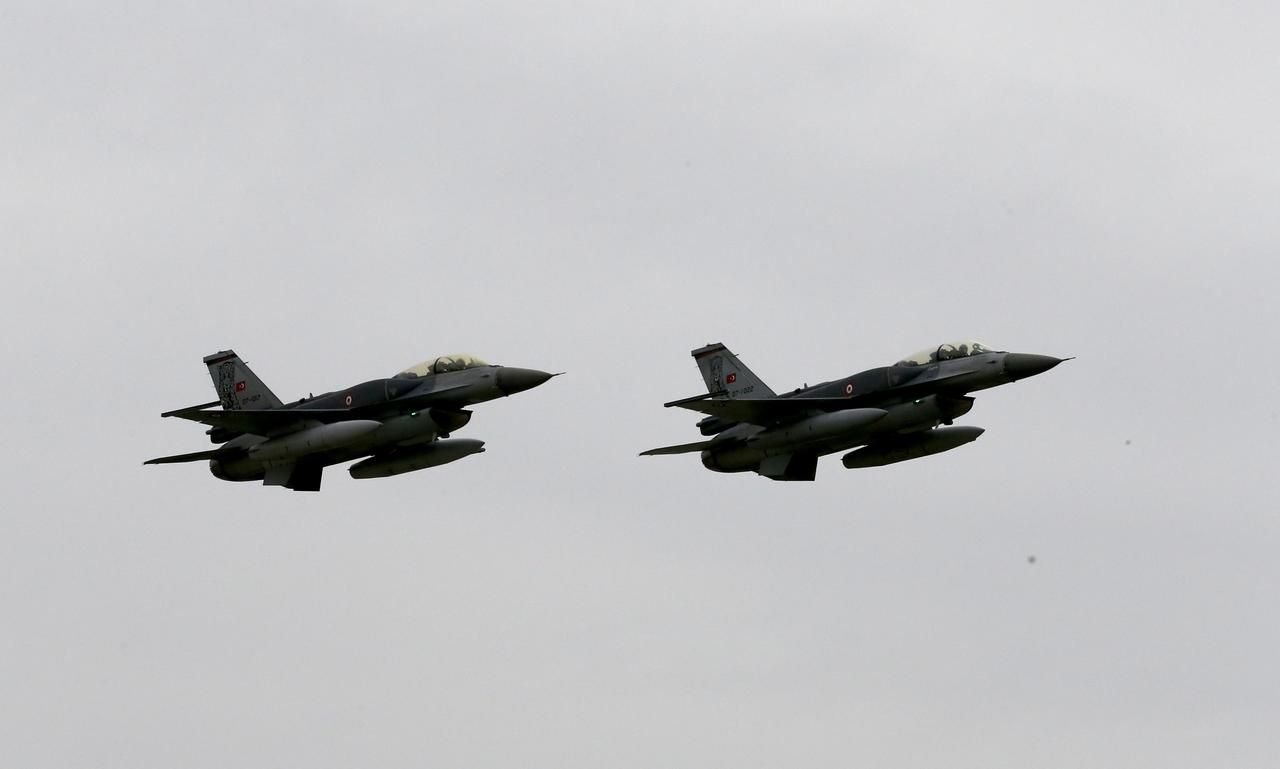
She announced a concrete upcoming deliverable: "In the second half of this year, Turkish aircraft will go to Estonia to participate in air patrol. This is solidarity. This is the force that keeps the alliance together, and this is what we will focus on at the Ankara Summit."
On Iran's ballistic munitions that entered Turkish airspace, Shekerinska said NATO capabilities had dealt with the threat "effectively and in a very short time," expressing confidence that Türkiye would continue to do its part.
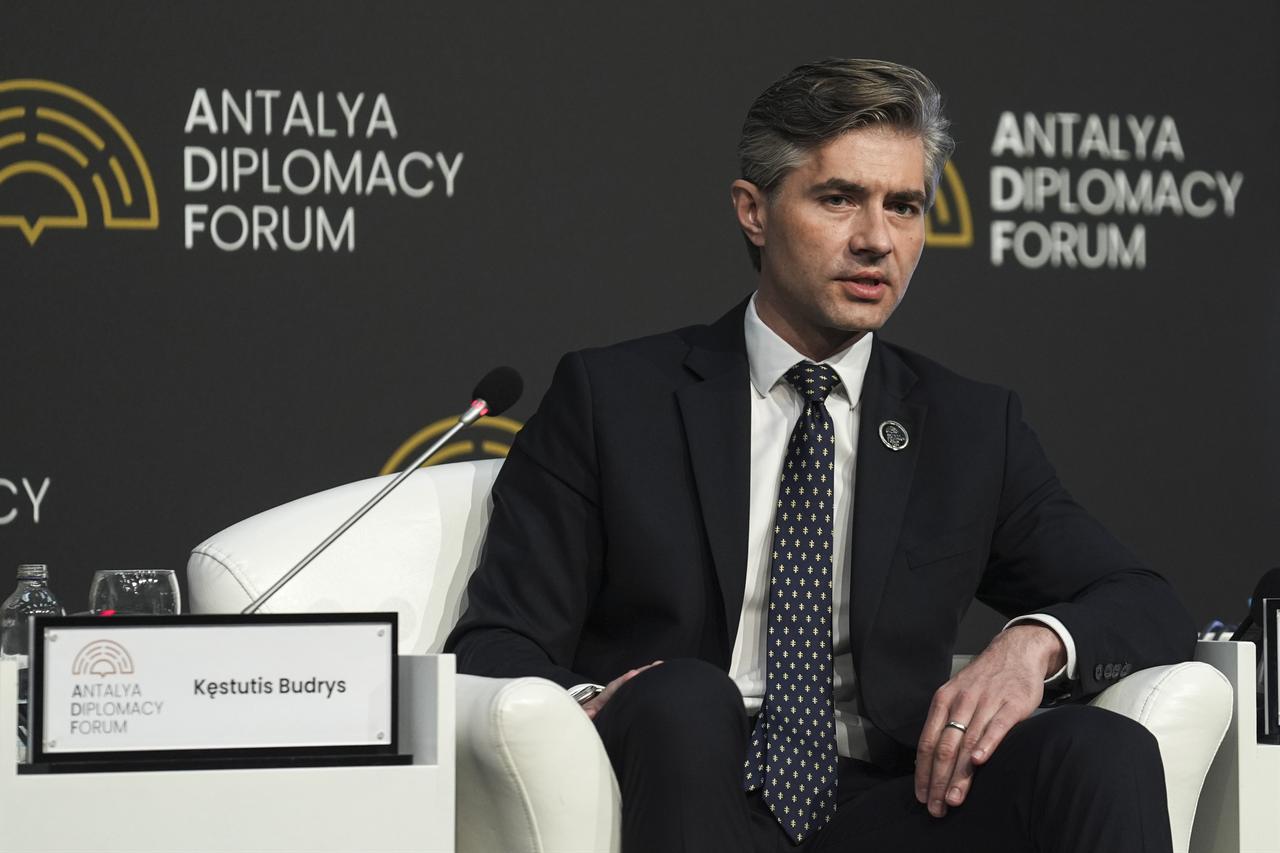
Lithuanian Foreign Minister Kestutis Budrys drew a stark line between credible deterrence and vulnerability.
"NATO will be an effective deterrent alliance when we are ready to defeat any of our adversaries, that is the key. They will test us when we are not ready, or when someone questions that readiness," Budrys said.
He said Lithuania was spending 5.4% of its gross domestic product (GDP) on defense and expected the Ankara Summit to show that allies were delivering concrete numbers on the Hague commitments.
He also noted that the Middle East crisis had increased pressure on the defense industry.
"We clearly need to arm. So there will be more pressure on the defense industry," he noted.
Shekerinska said there was now explicit allied agreement that Europe and Canada would take on more conventional deterrence responsibility to allow the U.S. to operate globally.
"The days when all European allies and Canada expected the U.S. to bear the burden alone are gone. All of our allies, strong nations, are capable and willing to take on this burden-sharing and burden-shifting. By doing this, we are also strengthening our commitment to collective defense, to Article 5," she said.
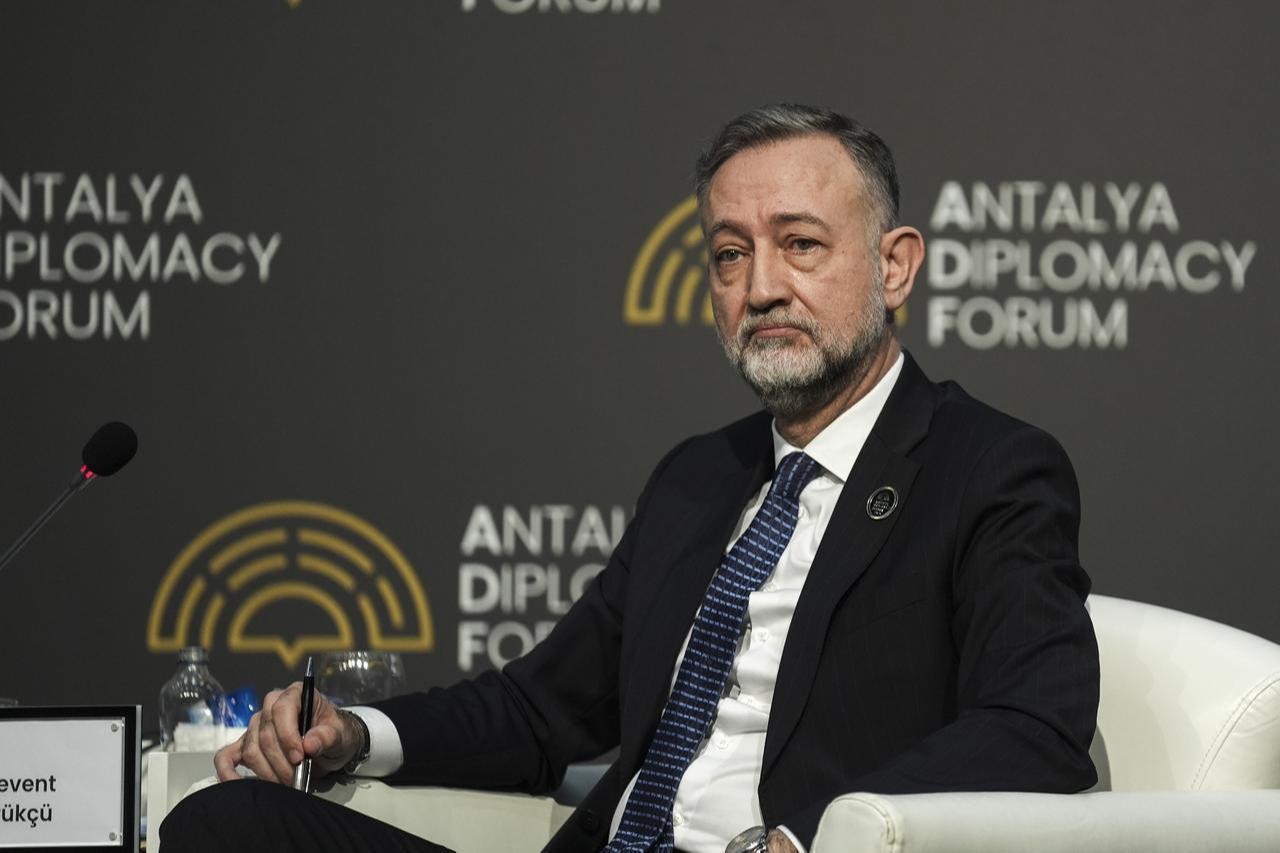
Turkish Deputy Foreign Minister Zeki Levent Gumrukcu said the Ankara Summit was an opportunity to correct concerns raised by the sharp rhetoric of recent months and demonstrate that allies remained committed to collective defense.
"We believe we need to use the Ankara Summit as an opportunity to correct and address these concerns, and to show once again that allies are committed and united in terms of collective defense," he said.
Latvian Foreign Minister Baiba Braze described Russia's war on Ukraine as a "war of choice" and said it was critical that Moscow not be allowed to achieve its political objectives through military force.
"Ensuring that Ukraine remains a democratic, strong European country, and providing Ukraine with the necessary support, is key for European security and beyond," she said.


 Set as preferred source
 Set as preferred source


 1 min read
 1 min read