Newsletters


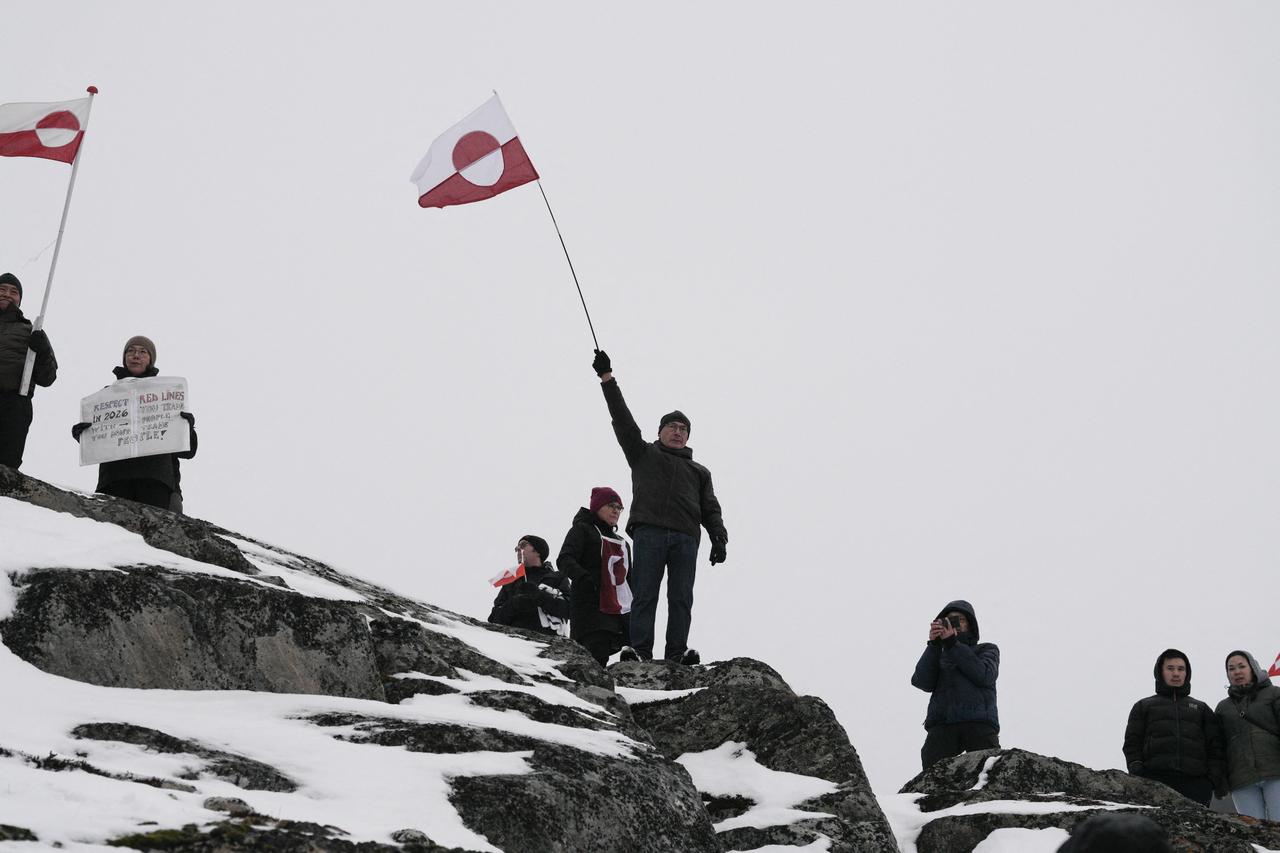


A former U.S. diplomat said Türkiye could play a key mediating role between Washington and Europe amid tensions over Greenland, citing Ankara’s balanced ties with the United States, Russia and Ukraine.
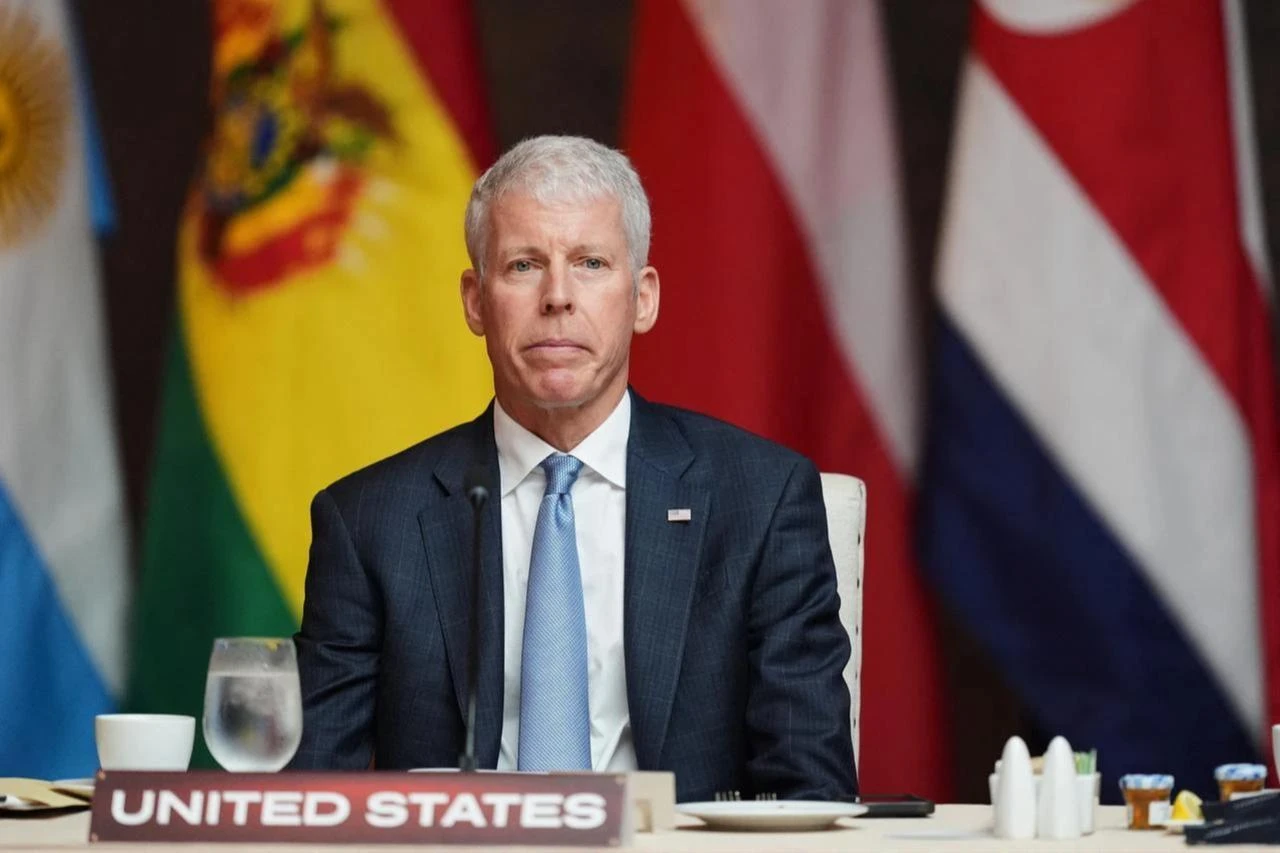
Philip Gordon, a foreign policy expert at the Brookings Institution and former U.S. diplomat, made the remarks to Anadolu Agency following U.S. President Donald Trump’s speech at the World Economic Forum in Davos.
Gordon said Türkiye could act as a bridge between the U.S. and Europe at a time when transatlantic relations are deteriorating.
“President Trump has always spoken positively about President Recep Tayyip Erdogan,” Gordon said, noting that Türkiye is trying to maintain good relations with the U.S. while not distancing itself too far from Russia and continuing to play a mediating role between Moscow and Kyiv.
“Especially at a time when transatlantic relations are worsening, Türkiye has an important voice and a lot it can contribute,” he added.

Gordon described Trump’s Davos speech as aggressive and highly critical from a European perspective, but said it also left room for negotiation.
He said Trump’s statement that he would not use military force over Greenland would likely be welcomed in Europe.
According to Gordon, European countries had been preparing a painful response to potential U.S. tariffs and sanctions linked to the Greenland dispute, but now see a chance to prevent an escalation that would harm both sides.
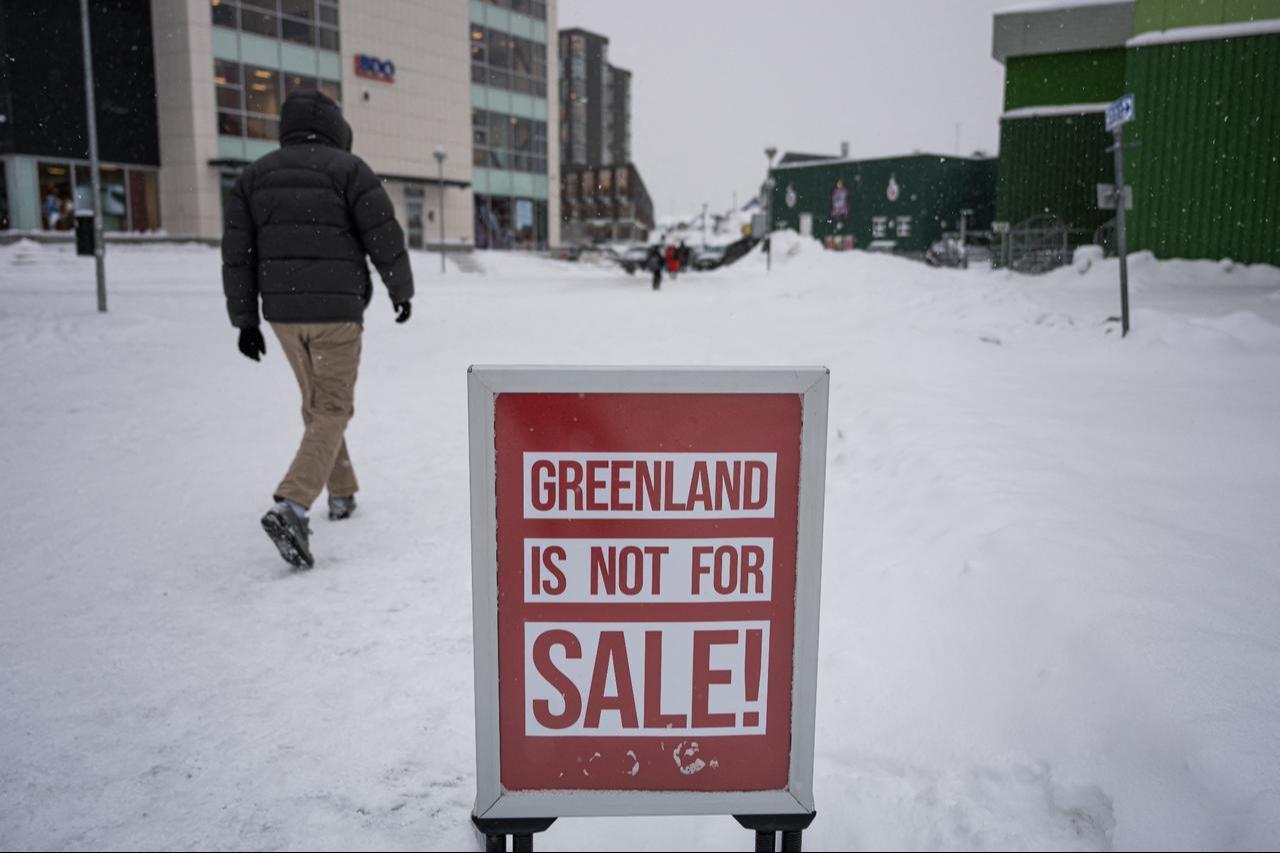
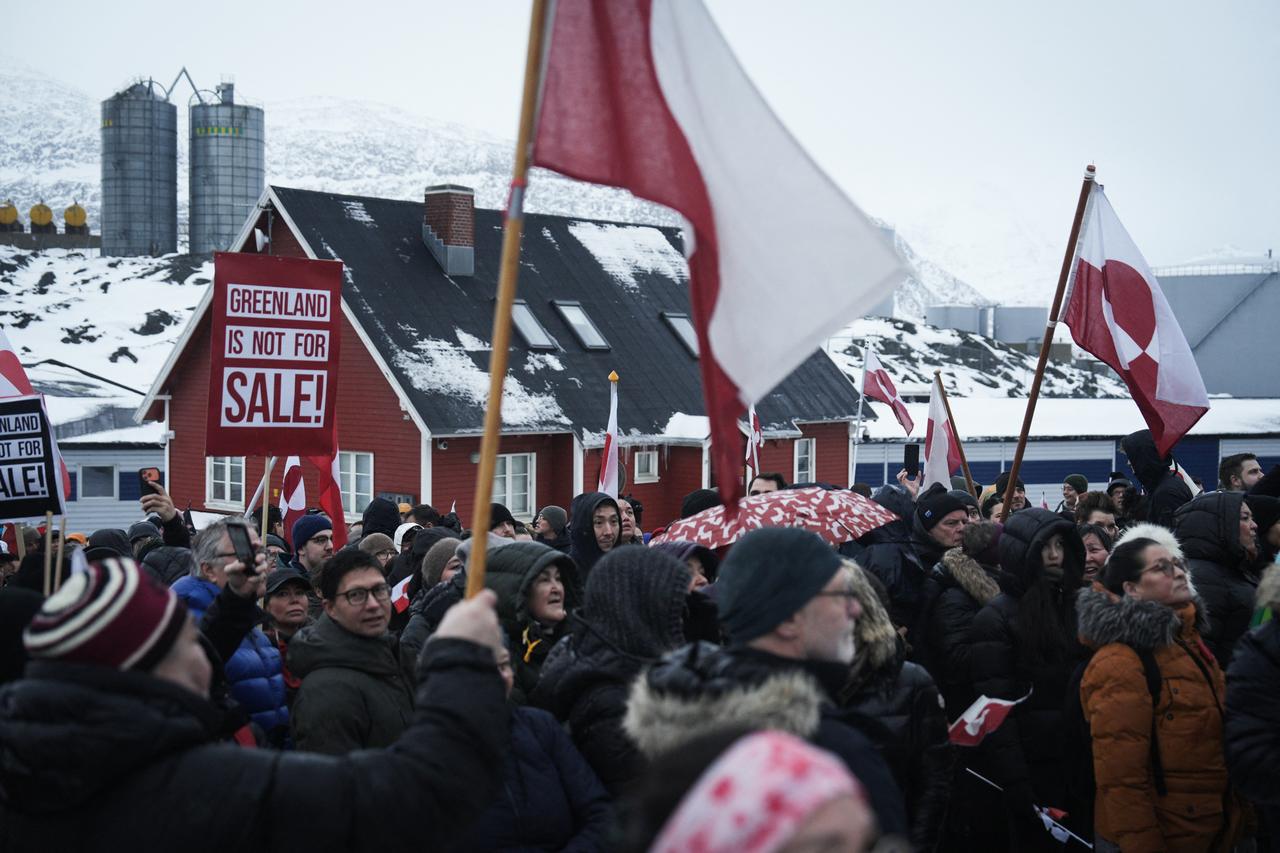
Earlier at Davos, Trump said he would not use force over Greenland and called for urgent negotiations with Denmark on the possible purchase of the island.
He also criticized Europe’s economic direction, citing increased public spending, large-scale migration and dependence on foreign imports.
Following Trump’s statements on Greenland and potential tariffs, the European Parliament announced it had suspended the ratification process of a trade agreement reached between the European Union and the U.S. in July 2025.
Trump later said he had established a “framework agreement” on Greenland with NATO Secretary General Mark Rutte and announced the suspension of tariffs that were set to take effect on Feb. 1.
However, he also said tariffs would be imposed on Denmark, Norway, Sweden, France, Germany, the U.K., the Netherlands and Finland for opposing the purchase of Greenland, setting rates at 10% from Feb. 1, 2026, and 25% from June 1, 2026, until a full agreement on Greenland is reached.


 Set as preferred source
 Set as preferred source


 1 min read
 1 min read