Newsletters


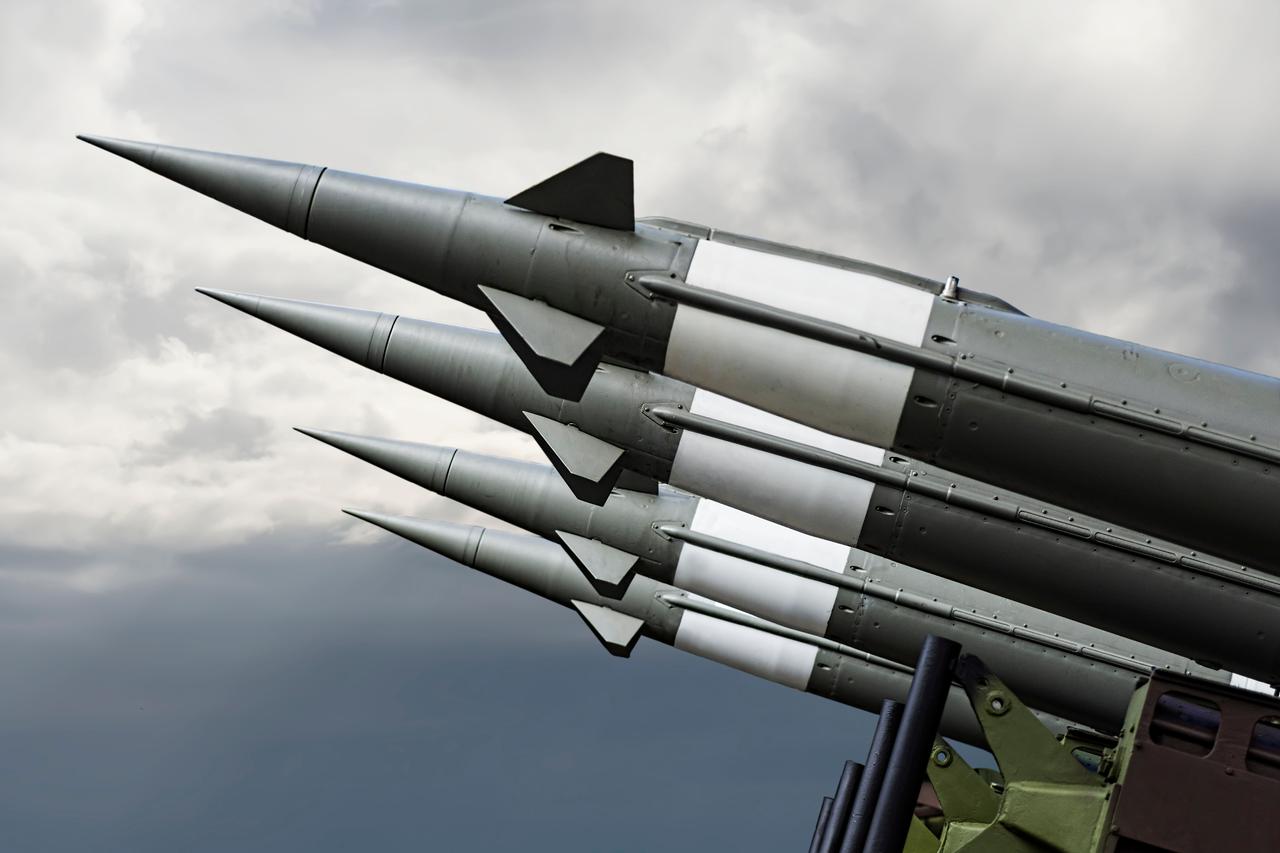


U.N. Secretary-General Antonio Guterres warned Wednesday that the expiration of the last remaining nuclear arms control agreement between the United States and Russia marks a “grave moment for international peace and security,” ending decades of legally binding limits on the world’s two largest nuclear arsenals.
The New Strategic Arms Reduction Treaty was signed on April 8, 2010, in Prague by the United States and Russia and entered into force on Feb. 5, 2011.
The treaty replaced the 1991 START I agreement, which expired in December 2009, and superseded the 2002 Strategic Offensive Reductions Treaty, which ended when New START entered into force, according to the U.S.-based Arms Control Association.
“The expiration of the New START Treaty, as of midnight today, marks a grave moment for international peace and security,” Guterres said in a statement marking the treaty’s expiry on Feb. 5.
He said that, for the first time in more than half a century, the world is without any binding limits on the strategic nuclear arsenals of the Russian Federation and the United States, which together possess the overwhelming majority of the global nuclear weapons stockpile.


Guterres said nuclear arms control between Washington and Moscow has long served as a stabilizing factor, helping to prevent catastrophe and reduce the risk of devastating miscalculation.
From the Strategic Arms Limitation Talks (SALT) to the New Strategic Arms Reduction Treaty (New START), he said, bilateral agreements led to the reduction of thousands of nuclear weapons and contributed to global security.
“This dissolution of decades of achievement could not come at a worse time,” Guterres said, warning that the risk of a nuclear weapon being used is at its highest level in decades.
Guterres cautioned that the absence of verifiable limits on strategic nuclear arsenals increases global insecurity amid rising geopolitical tensions and rapid technological change.
He said the current moment should also be viewed as an opportunity to reset arms control efforts.
“The world now looks to the Russian Federation and the United States to translate words into action,” he said, urging both sides to return to negotiations without delay and agree on a successor framework that restores verifiable limits, reduces risks, and strengthens collective security.


 Set as preferred source
 Set as preferred source


 1 min read

 1 min read