Newsletters


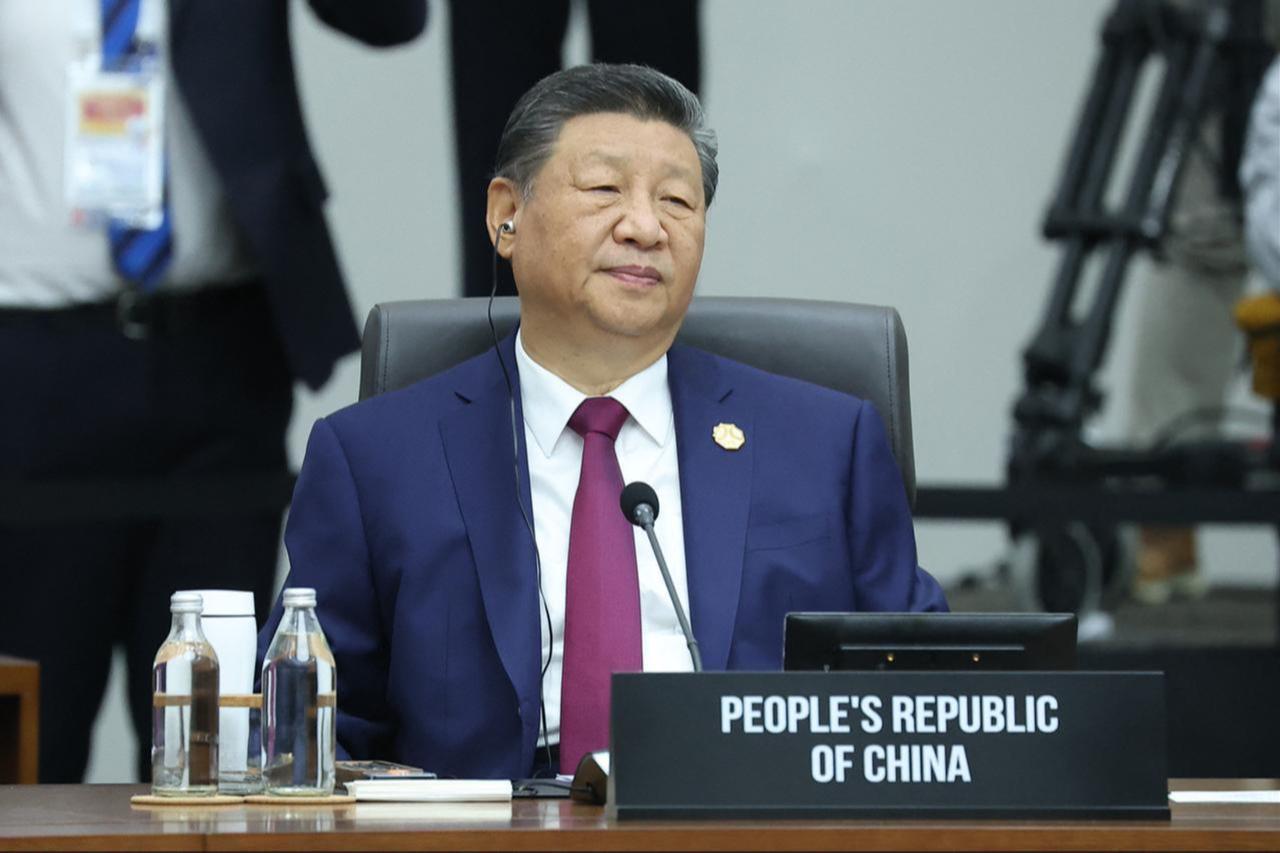


China remains committed to an upcoming meeting between President Xi Jinping and U.S. President Donald Trump, despite the conflict in the Middle East, as some in Beijing view Washington’s unfinished war with Iran as potentially strengthening China’s negotiating position, a CNN report said, citing Chinese sources familiar with the matter.
The rare in-person meeting, already delayed once because of the U.S.-Israeli war with Iran, is scheduled for May 14-15, according to the White House.
Beijing sees the summit as a major opportunity to seek a more stable long-term relationship with its largest economic and military competitor.
Chinese sources said Beijing remains cautious, with government insiders divided over how to handle the complications caused by the Iran conflict.
One concern is the possible continued closure of the Strait of Hormuz, through which China imports about one-third of its oil and gas.
Trump’s visit “is not the same as any other heads-of-state visit,” one Chinese source said on condition of anonymity.
“Whether his visit is successful or not will have a long-term impact on future arrangements between China and the U.S., regardless of whether the Democrats or the Republicans come to power,” the source said.
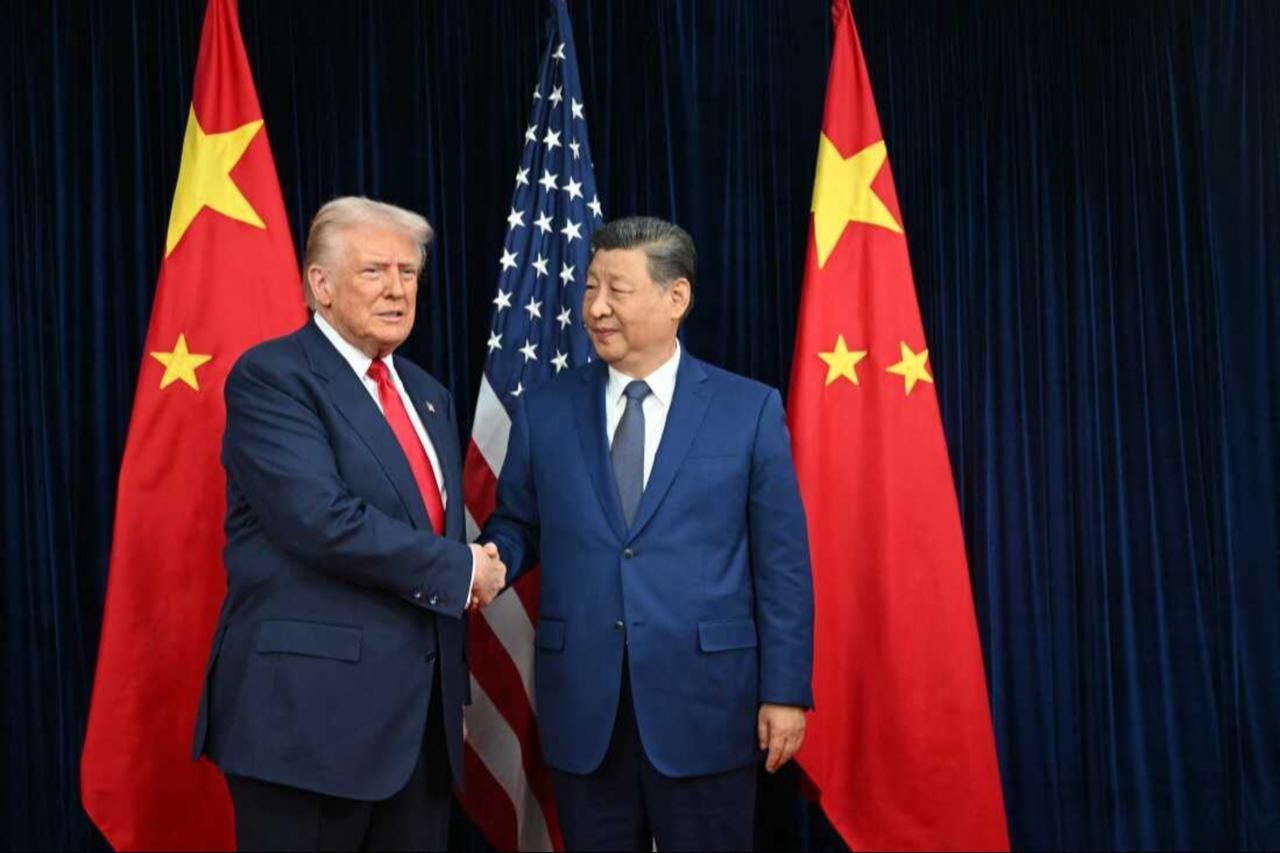

The visit was initially expected to focus on confirming key deals across several sectors, but the Iran crisis has “seriously disrupted” China’s planning and expectations, said Cui Hongjian, a former diplomat and international affairs scholar at Beijing Foreign Studies University.
“China’s foreign policy has a basic standpoint: China-U.S. relations are the top priority,” Cui said.
Cui said the sudden emergence of Iran, a close partner of Beijing, at the center of China-U.S. relations has made the situation “difficult for the Chinese side.”
Beijing has not officially confirmed the summit date. With the meeting less than two weeks away, the prospect of a U.S.-Iran peace deal remains distant, while renewed fighting remains possible.
A second Chinese source said either outcome carries risks for Beijing.
“Of course, Trump would want to visit China after he’s finished with Iran, so he can project power…but if he were to attack Iran after visiting China, it would appear as if China has abandoned Iran,” the source said.
A member of the Foreign Policy Advisory Committee of the Chinese Foreign Ministry, Wu Xinbo, said the conflict had weakened Washington’s position.
“If the U.S. had gained an upper hand, Trump would have much stronger leverage. But now it’s clear, the U.S. simply couldn’t handle Iran,” Wu said.
Chinese officials are believed to have played a role in bringing Iran to the negotiating table. A ceasefire has largely halted fighting, but Washington and Tehran remain unable to agree on a more secure peace.
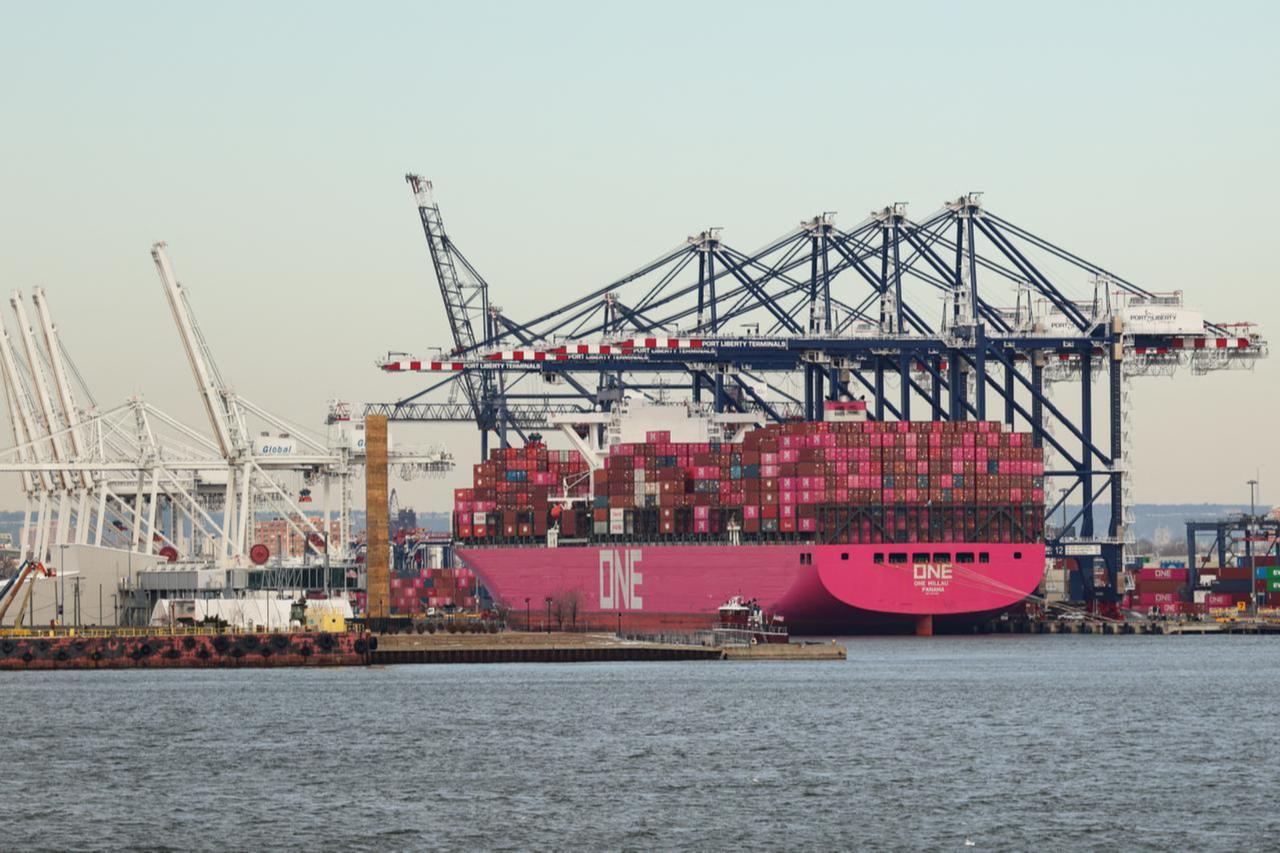
Sources said the situation could give China an opportunity ahead of difficult midterm elections for Trump, who is seen as eager to present tangible wins to U.S. voters, including major Chinese purchases of U.S. agricultural products and Boeing jets.
China is ready to use its domestic market and dominance in the rare earth supply chain to seek U.S. “opposition” to Taiwan's independence, reduced restrictions on high-end technology exports and the removal of Chinese companies from sanctions lists.
“Trump delayed his visit to China probably partly feeling he hasn’t gotten enough leverage,” a third source said.
“But look at him now, the standoff in Iran has dragged on for so long with no progress,” the source added.
Wu said China had initially worried about its oil and business interests in the Middle East and the risk of a pro-Western government emerging in Iran.
“But the current situation has actually turned out to be favorable to China,” he said.
“The U.S. is fighting without winning, China is winning without fighting,” said Joerg Wuttke, a former president of the European Union Chamber of Commerce in China and a partner at the DGA Albright Stonebridge Group.
Wuttke said China had been hurt by higher energy costs but had also gained from the situation, adding that the country looked like “the adults in the room.”
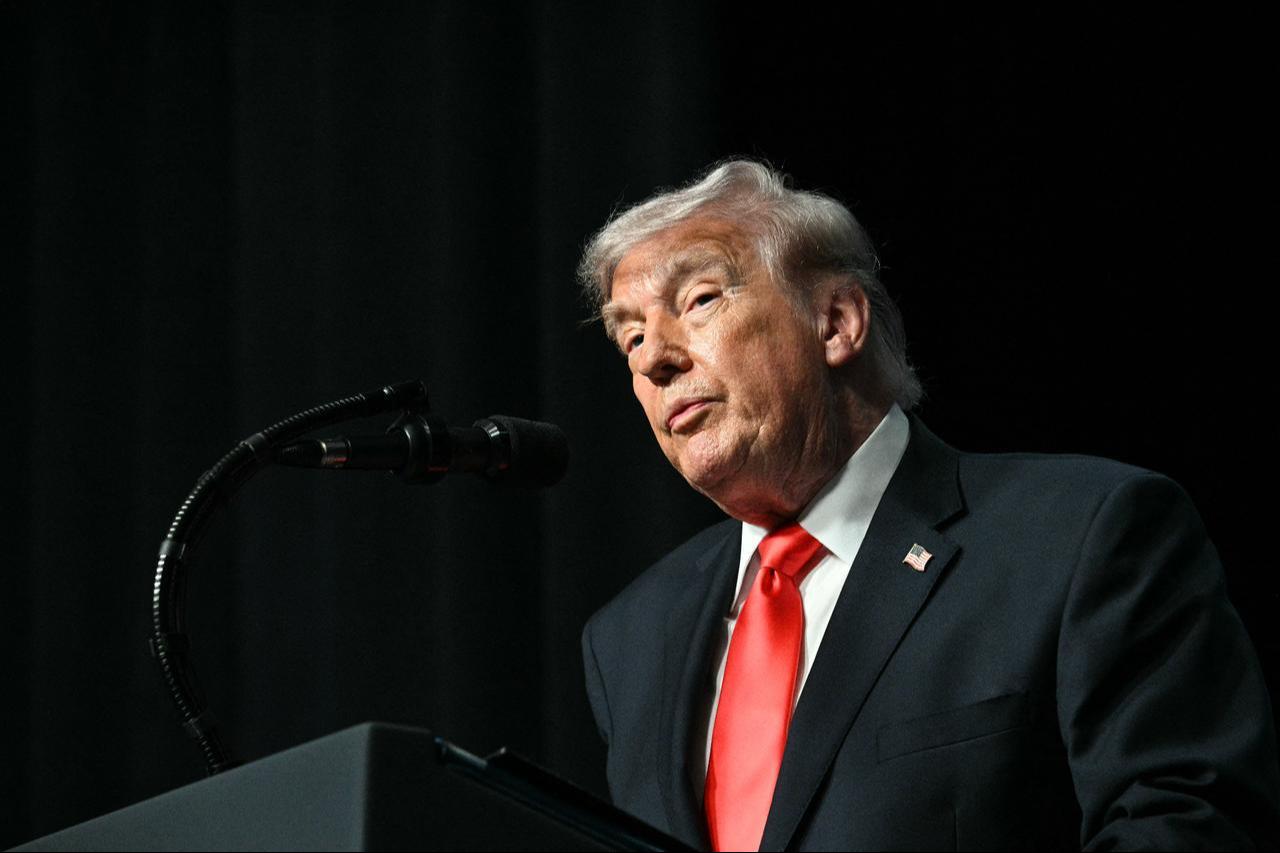
Trump’s previous visit to Beijing in 2017 included an elaborate welcome, but goodwill later gave way to years of rivalry over trade, technology, Taiwan, COVID-19-related accusations and a spy balloon incident.
Chinese sources indicated Beijing is unlikely to move far from its usual approach during the upcoming meeting.
William Klein, a retired U.S. diplomat who arranged Trump’s 2017 Beijing visit, said he doubted the Iran war had materially changed the balance.
“Each side has sufficient leverage over the other side in the trade and investment relationship, and this leverage has not changed,” Klein said.
“Obviously, the Iran war casts a shadow on the visit, will shape this visit, but I wouldn’t say that this gives one or the other side a stronger hand,” he added.


 Set as preferred source
 Set as preferred source


 1 min read
 1 min read