Newsletters


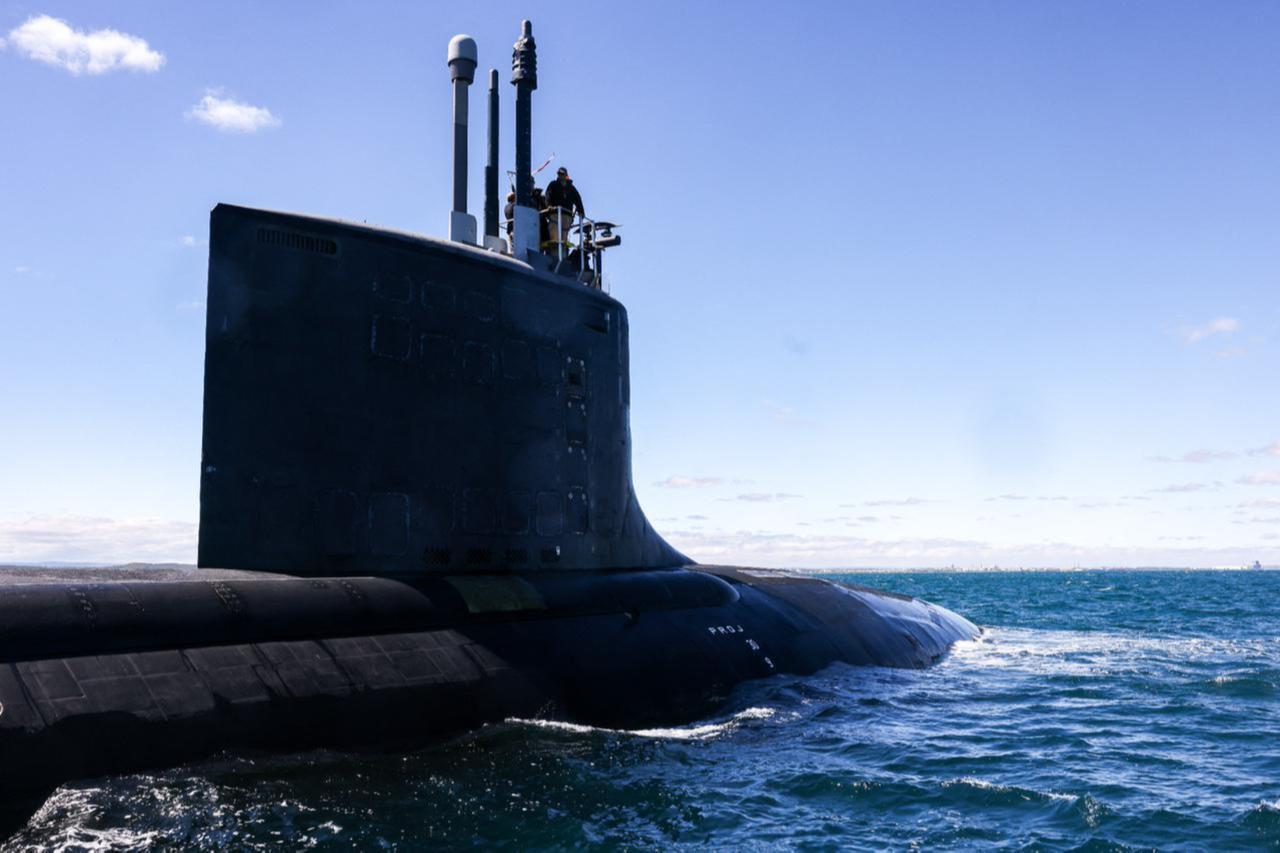


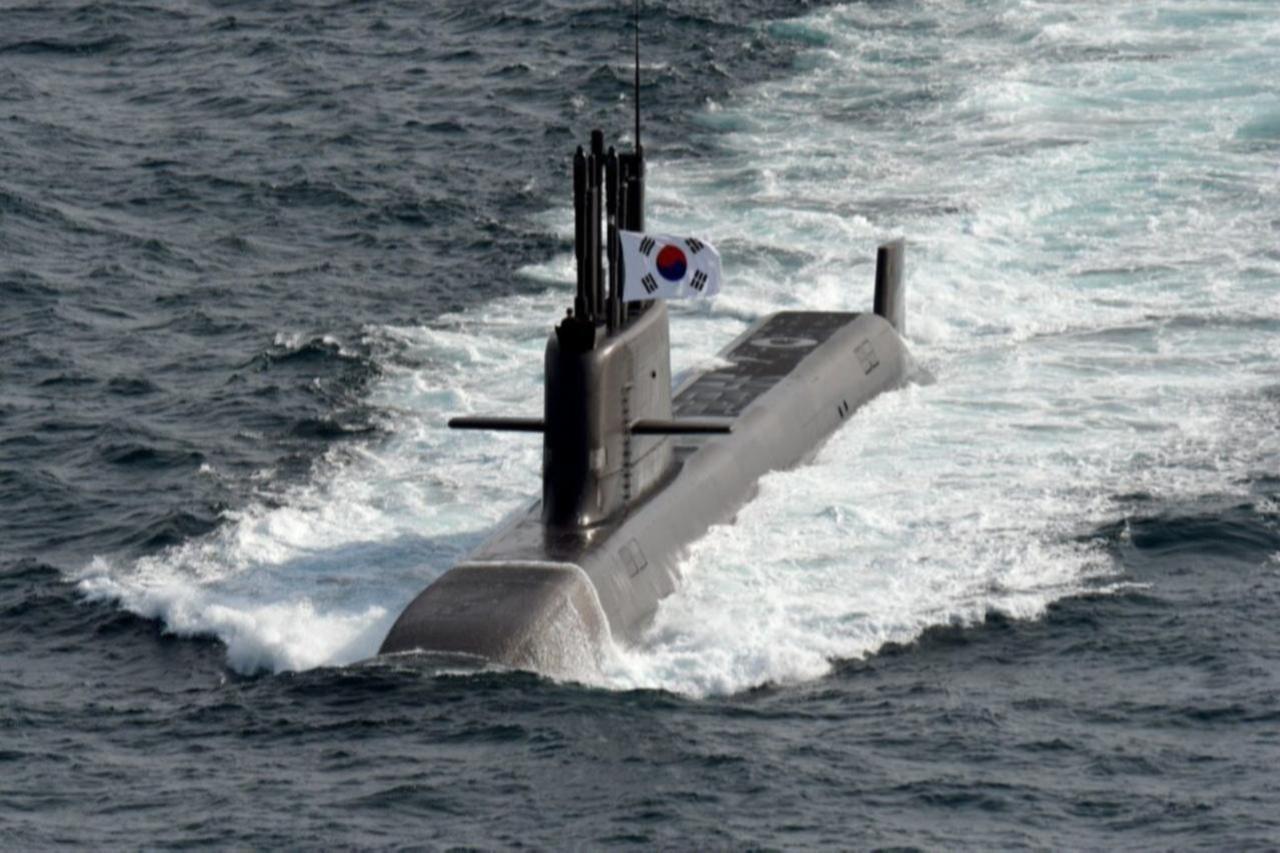
South Korea’s military has begun formal procedures to acquire nuclear-powered submarines, with the country's navy submitting a document on the program to the Joint Chiefs of Staff, Yonhap News Agency reported.
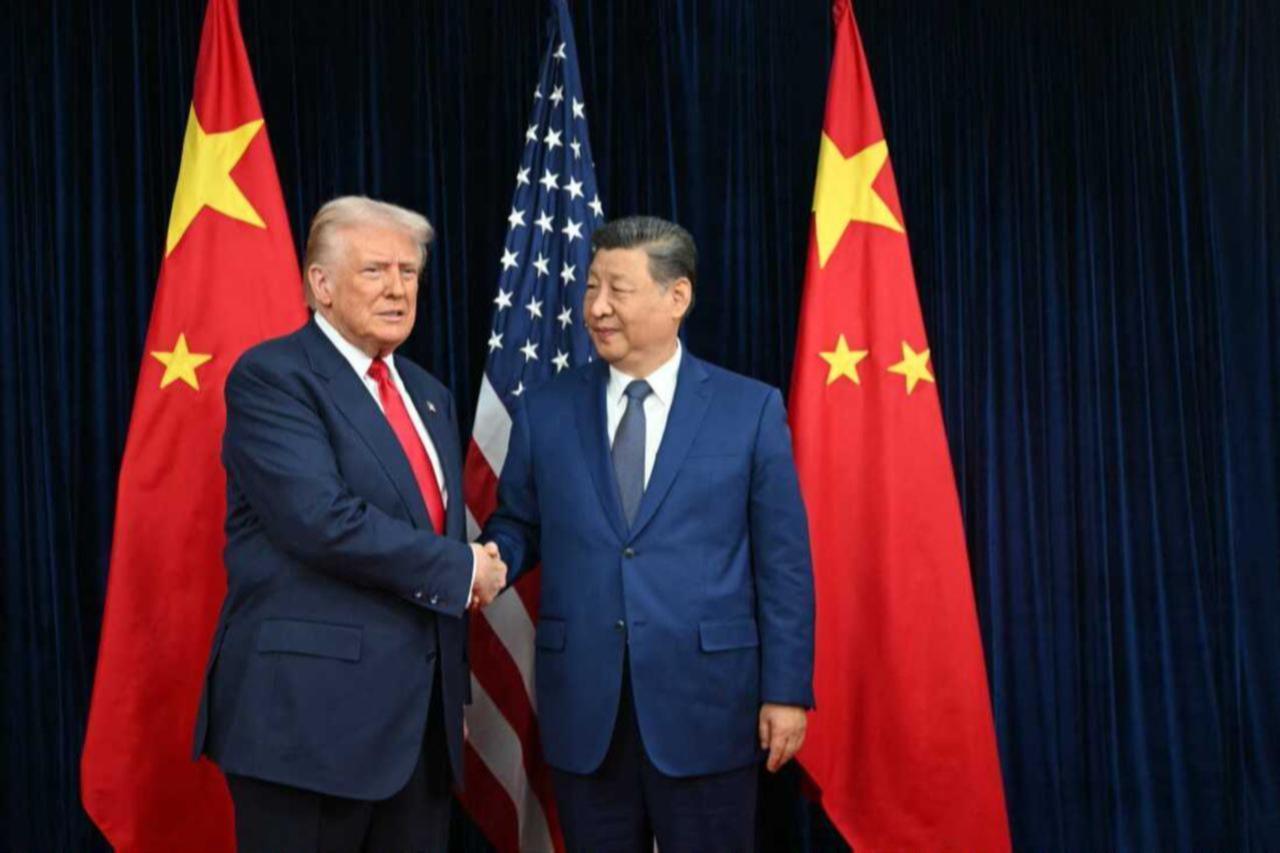
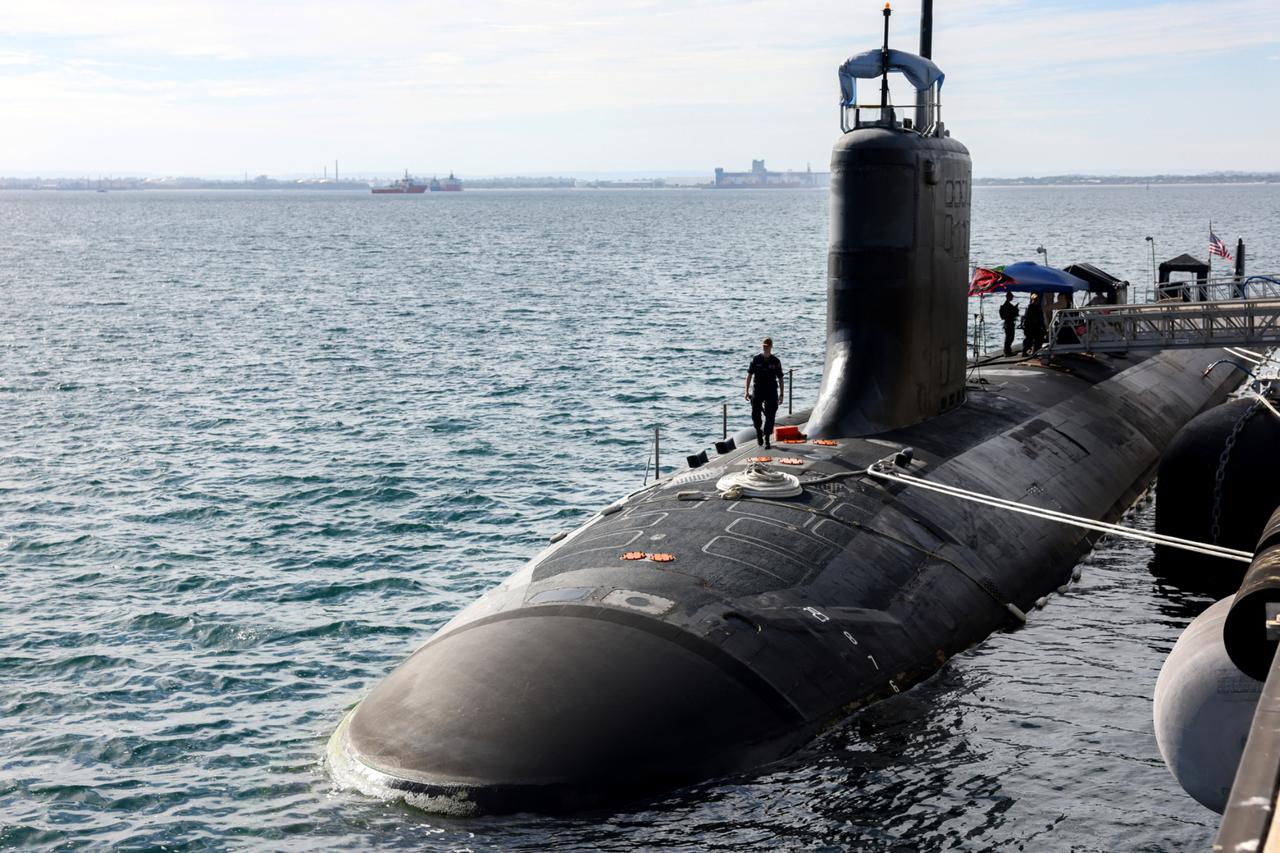
The move comes amid limited progress in security talks with the U.S. over Seoul’s push for the project and follows Washington’s approval for South Korea to build nuclear-powered attack submarines under a joint fact sheet released after a summit between the allies’ leaders.
The navy document outlined the need for the program and specified requirements, including desired capabilities, the number of systems needed and projected deployment schedules, according to the report.
The document was provided to Representative Kang Dae-sik of the main opposition People Power Party.
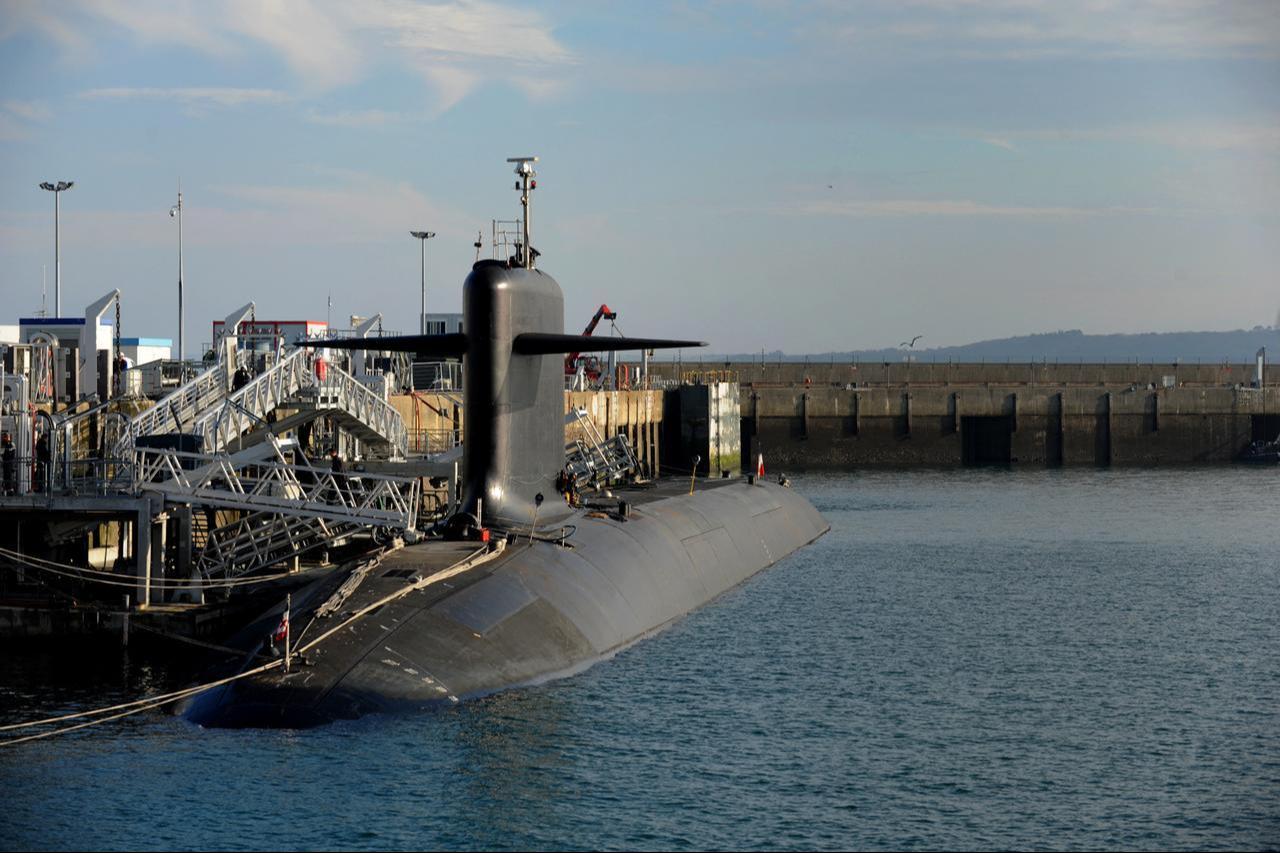

The Joint Chiefs of Staff is reviewing the Navy’s proposal and is expected to hold a meeting later this month to finalize the project requirements.
Once the requirements are finalized, the program would typically move to preliminary research and feasibility studies.
It would then proceed to consultations with budget authorities on overall project costs before entering the development phase.
The move is seen as part of Seoul’s efforts to speed up the nuclear-powered submarine project following months of delays in follow-up negotiations with Washington on implementing the summit agreements.
The military has reportedly been conducting a preliminary review to build at least four 5,000-ton-class nuclear-powered submarines after the mid-2030s.
The U.S. approved South Korea’s plan to build nuclear-powered attack submarines and committed to working with Seoul to advance requirements for the project, including possible ways to source fuel, under the joint fact sheet released after the leaders’ summit.
The summit document also committed the U.S. to supporting South Korea in securing the right to enrich uranium and reprocess spent fuel.
U.S. Under Secretary of State for Political Affairs Allison Hooker is expected to visit Seoul in the coming weeks to launch bilateral working groups to implement the summit agreements.
Her visit has raised expectations that talks between the allies on the security commitments may gain momentum.
The project remains tied to broader negotiations between Seoul and Washington, including the question of how South Korea would obtain the fuel needed for submarines powered by small nuclear reactors.
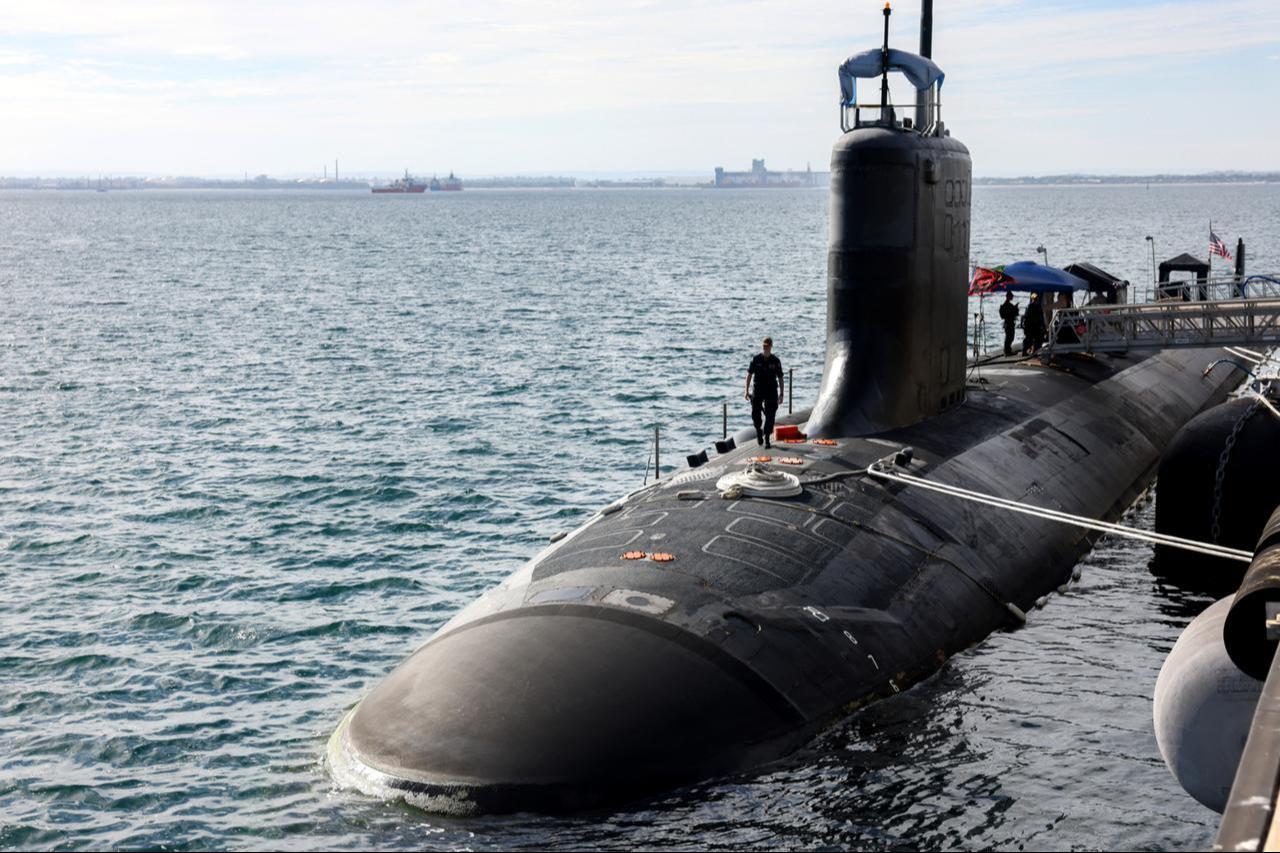
It remains unclear how South Korea’s military would address requirements related to sourcing fuel for the submarines.
To acquire nuclear propulsion capabilities, South Korea would need to sign a special agreement with the U.S. allowing Washington to transfer nuclear material for military use.
Seoul is expected to soon announce its road map for the nuclear-powered submarine program.
The road map is expected to outline the program’s defensive nature and role in line with international nonproliferation obligations, as well as a timeline for the project.
The planned program would mark a major step in Seoul’s efforts to develop nuclear-powered submarine capabilities, while leaving key technical, legal and fuel-related requirements to be addressed through further talks with Washington.


 Set as preferred source
 Set as preferred source


 1 min read
 1 min read