Newsletters


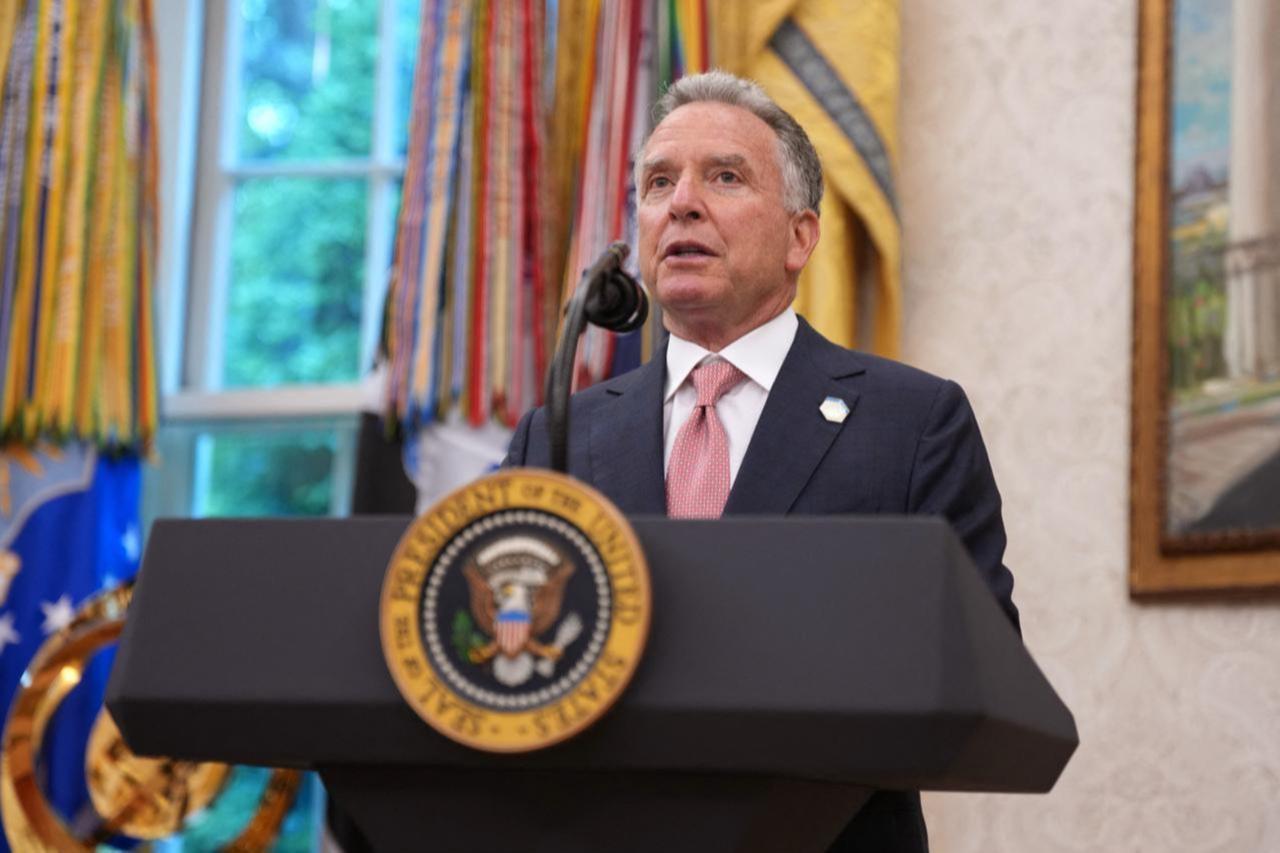


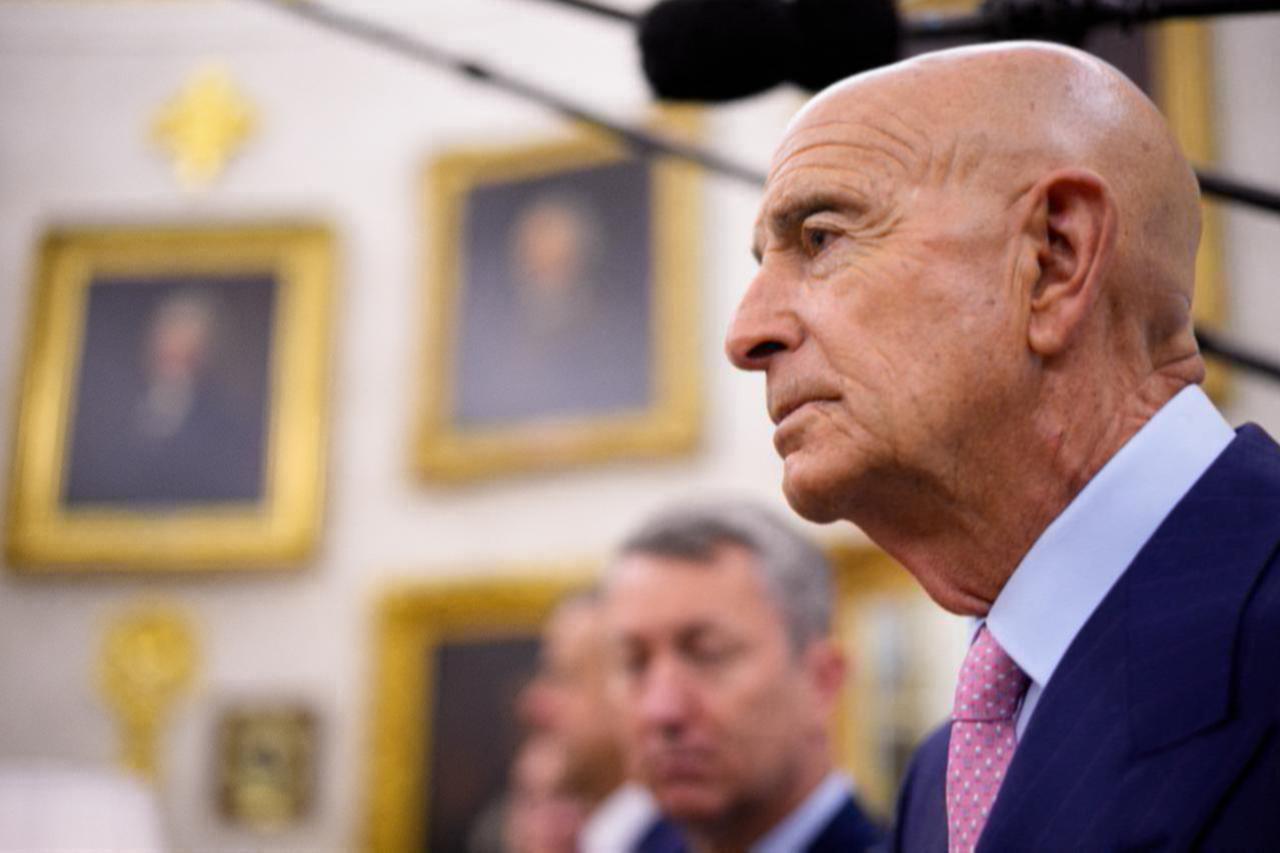
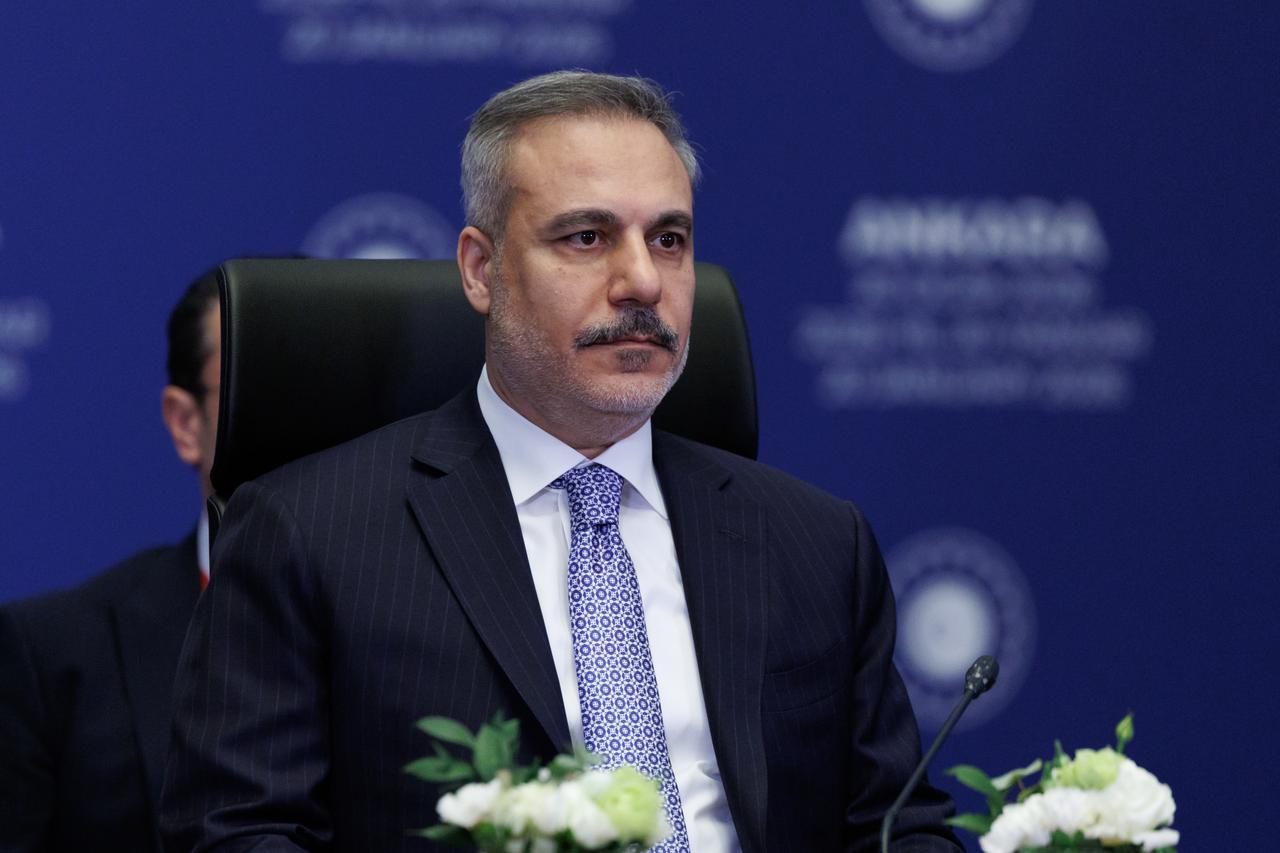
U.S. Special Envoy for Peace Missions Steve Witkoff acknowledged Wednesday that tensions have emerged between Israel and Türkiye over Turkish participation in the Trump administration's new Board of Peace, which will help determine outcomes in Gaza and other conflict zones.
Speaking to CNBC in Davos, Witkoff confirmed that Turkish President Recep Tayyip Erdogan, who has called for the end of the Zionist state, is among more than 20 world leaders invited to join the peace initiative. The special envoy said the administration is working to improve communication between the countries despite what he described as "some friction between Israel and Turkey and Qatar."
"We're all aware of it," Witkoff told CNBC's Sara Eisen. "And what we're trying to do is to, is to make sure that, that's, just to make sure that the communication is better between the two countries. And people are realizing that we're all here to achieve the same thing."
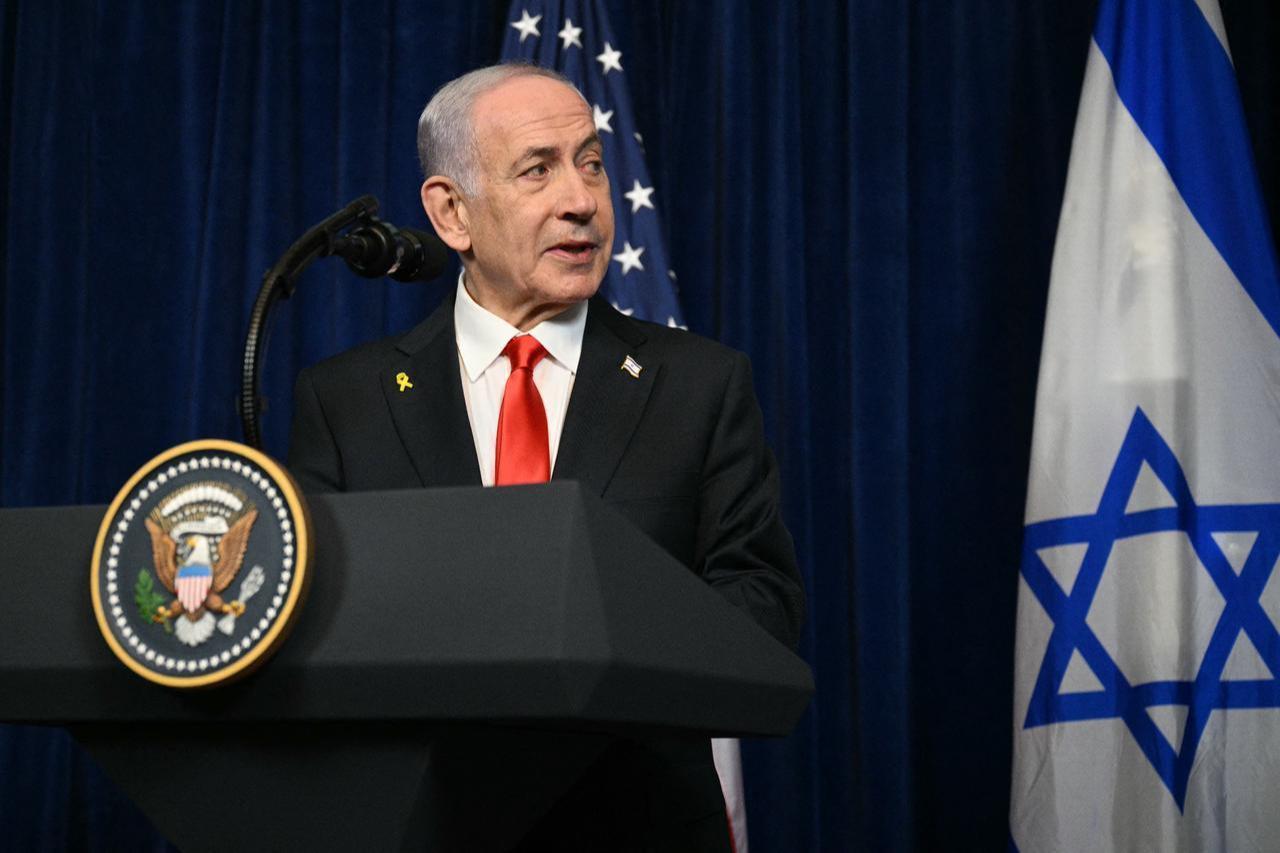

Witkoff said Israeli Prime Minister Benjamin Netanyahu was "exuberant about joining the Board of Peace" when they spoke recently, despite concerns about which nations would participate in discussions affecting Israeli interests. The special envoy described Netanyahu as "a great guy, cares about his country, great patriot" and said Trump frequently calls the prime minister "a great partner of our country."
The Board of Peace, which Witkoff rejected characterizing as a United Nations alternative, is described as a forum where world leaders can share opinions to achieve peace. Trump is expected to deliver a speech Wednesday about the initiative, with ceremonial events planned for Thursday in Davos.
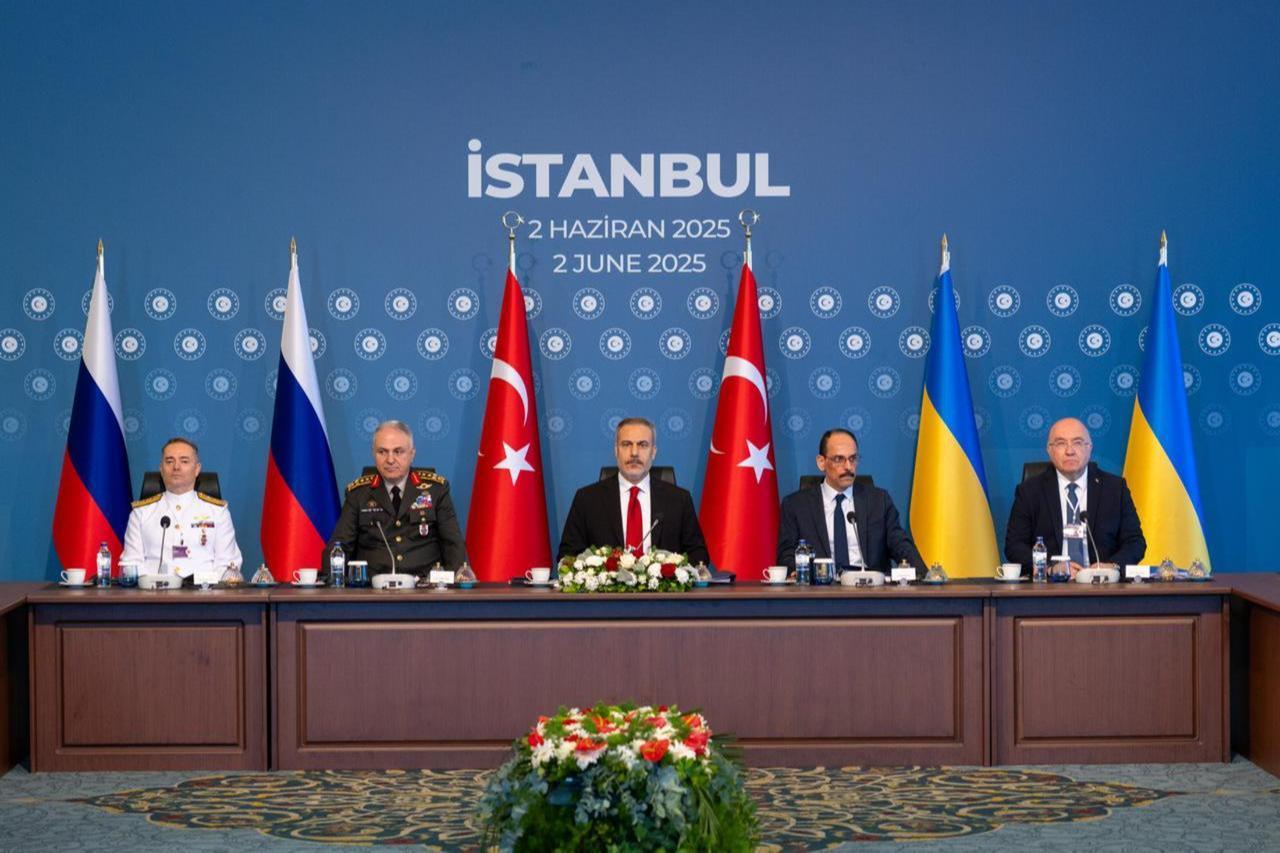
Witkoff reported that negotiations to end the war in Ukraine have made more headway in recent weeks than in the previous several years, with territorial disputes now at the center of discussions between Washington, Kyiv and Moscow. The administration is working from a 20-point plan and has narrowed remaining issues to land deals, which Witkoff called "the 800-pound elephant in the room."
"The Ukrainians said that we're making more progress than they've seen in the last several years," Witkoff said. He said Ukrainian officials visited Miami over the weekend and that he and senior adviser Jared Kushner plan to meet with Russian representatives Thursday evening.
Witkoff expressed confidence that an agreement could be reached, noting that Russian officials requested Thursday's meeting rather than U.S. negotiators seeking it out. He described this as "a significant statement on their part" and said he senses "everybody wants peace there, that it's time."
Russian President Vladimir Putin has been invited to join the Board of Peace, according to Witkoff, who said he believes Putin will participate. The special envoy also expressed hope that French President Emmanuel Macron would join despite what he called "some drama" around that invitation.
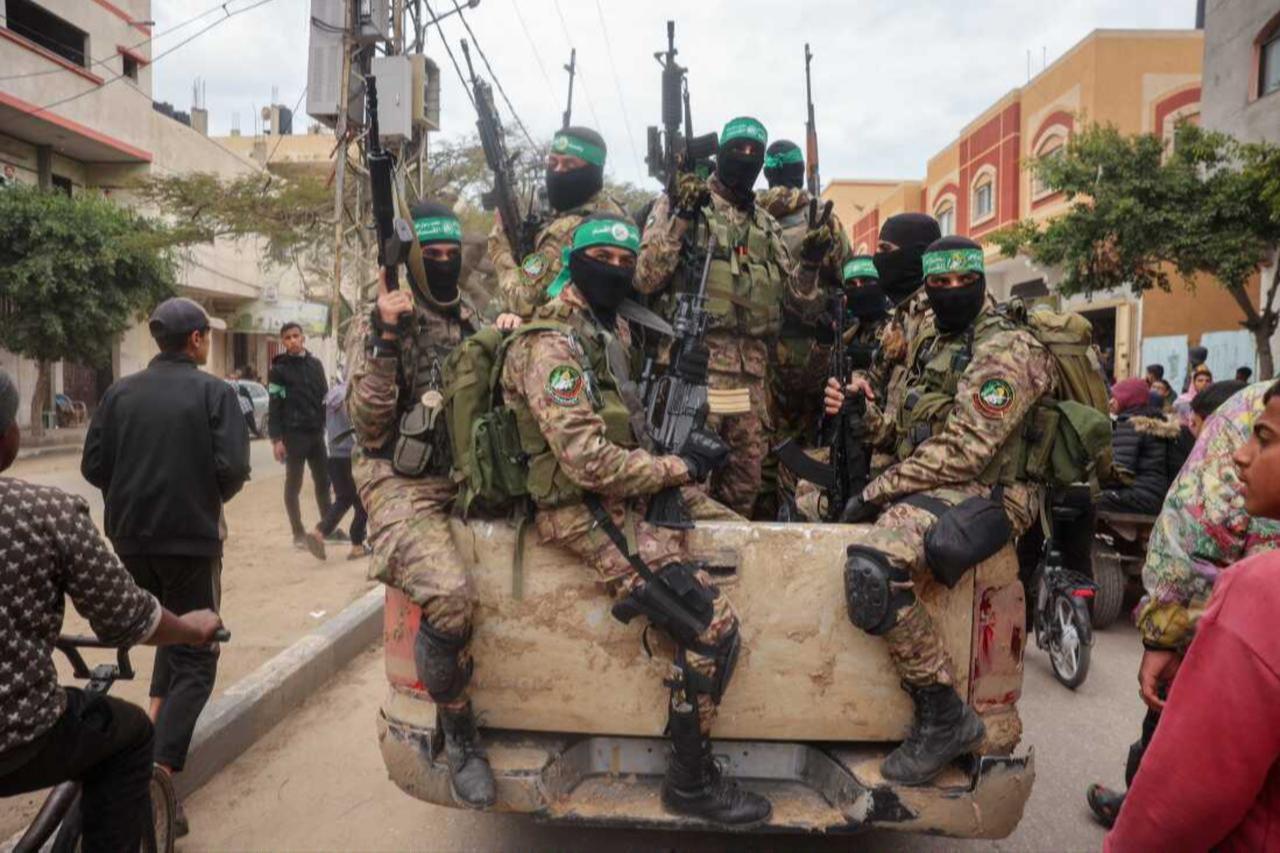
The administration has moved into Phase II of its Gaza ceasefire plan, which Witkoff called "a really big achievement." While Hamas has not yet disarmed, Witkoff said the administration is confident the group will follow through and that "all indications are is that they're receptive to demilitarizing."
Witkoff said the administration has established "a new government for the first time that is terrorism free" and claimed the effort is receiving positive reviews. He credited Kushner and the team for exceptional work, saying Trump pushed beyond simply securing hostage releases to pursue permanent peace that "will change directionally everything in the Middle East."
The special envoy, who characterized himself as an emissary of Trump, credited the president's approach to diplomacy throughout the interview. Witkoff said Trump has "single-handedly settled eight wars" and emphasized that nothing would be possible without what he called the president's "indomitable personality."
The administration has had contact with Iran though formal negotiations have not begun, according to Witkoff. He said earlier contact led Iranian officials to state that killings of protesters would stop, though he acknowledged it remains "hard to tell" whether violence has actually ceased and noted "there's certainly been plenty of killings, more than necessary."
Witkoff said he believes a deal with Iran "ought to happen" and would involve missiles, uranium enrichment, proxy groups and nuclear material. He expressed hope that consensus could be reached on these issues, warning that failure to do so "is not such a good day for that country or for the world at large."
When asked about the absence of U.S. college protests over killings in Iran, Witkoff said the situation did not surprise him. He described the Iranian government's actions as horrible, saying protesters "were mowed down" and "had no ability to defend themselves."
Trump is expected to deliver two speeches Wednesday in Davos, one on affordability and another on the Board of Peace. Witkoff said the peace initiative would address conflicts in Russia-Ukraine, Iran, Sudan and Syria, framing many global tensions as problems of miscommunication that require "bridging relationships."


 Set as preferred source
 Set as preferred source


 1 min read

 1 min read