Newsletters


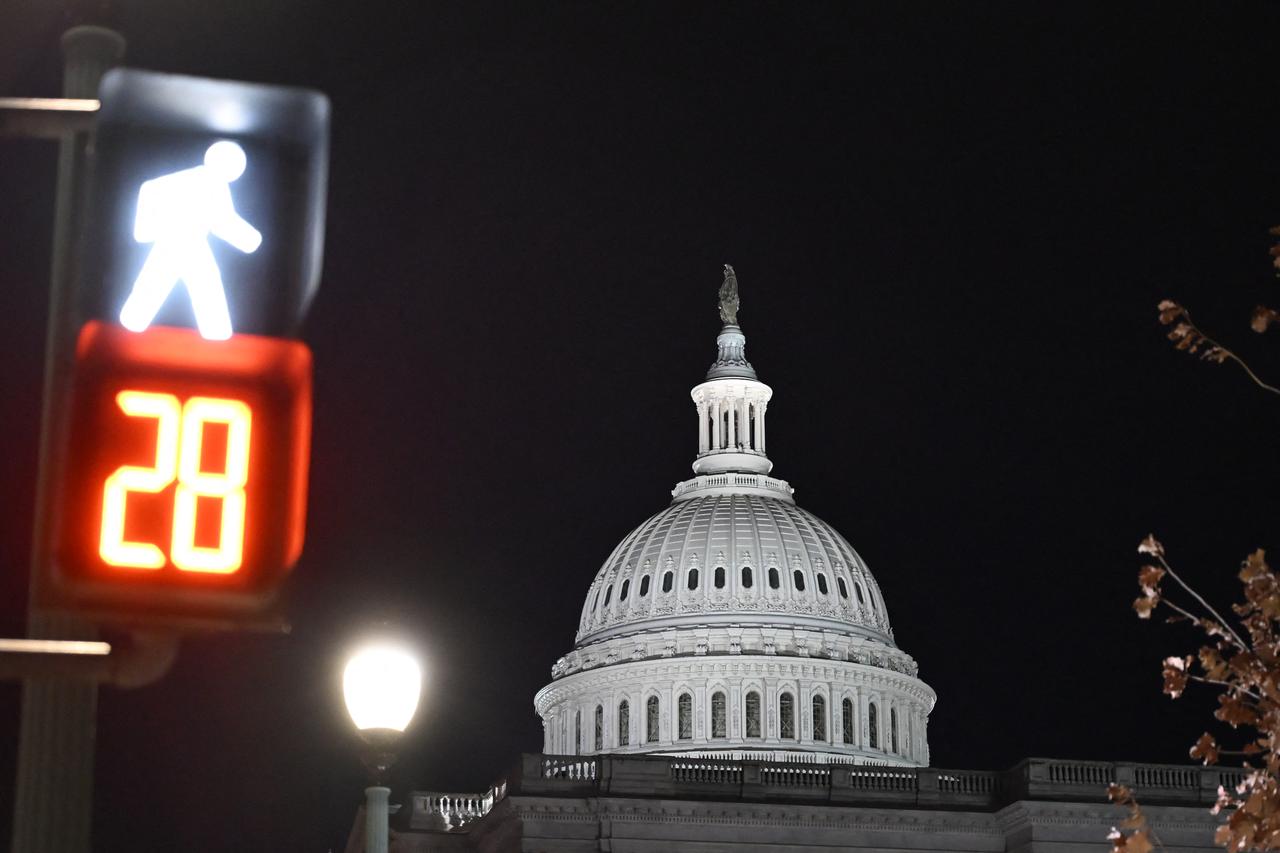


The U.S. government entered a partial shutdown early Saturday after Congress failed to enact a funding law before a midnight deadline, though any disruption is expected to be limited if the House of Representatives approves a Senate-backed deal early next week.
The Senate passed a stopgap funding package late Friday by a 71-29 vote, but the measure still requires approval by the House, which is not scheduled to return to Washington until Monday.
The funding lapse followed a breakdown in negotiations driven by Democratic anger over the fatal shooting of two protesters in Minneapolis by federal immigration agents, which derailed talks over new funding for the Department of Homeland Security (DHS).
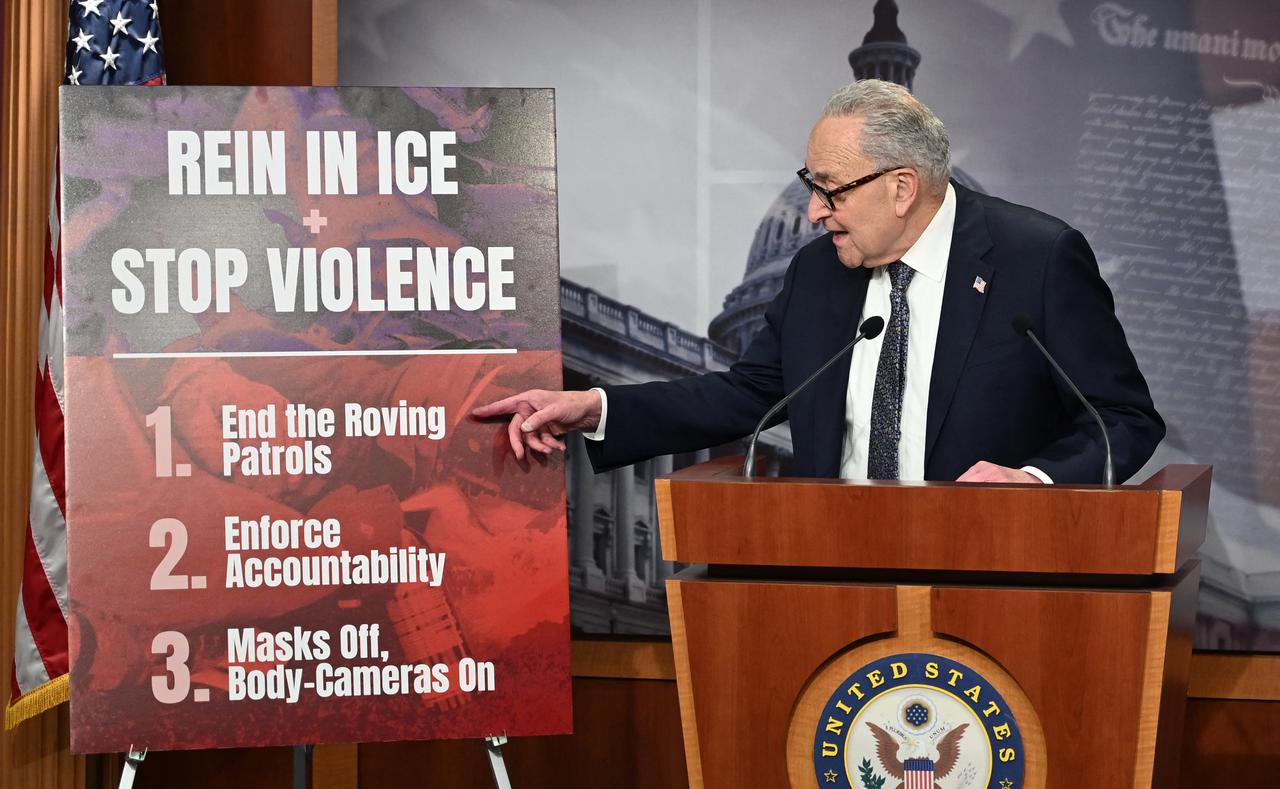

Senate Democratic Minority Whip Dick Durbin accused the Trump administration of misusing federal resources.
“Instead of going after drug smugglers, child predators, and human traffickers, the Trump administration is wasting valuable resources targeting peaceful protestors in Chicago and Minneapolis,” Durbin wrote on social media. “This administration continues to make Americans less safe.”
The Senate-passed package includes five long-term appropriations bills and extends DHS funding for two weeks to allow further negotiations over immigration enforcement.
After federal agents in Minnesota fatally shot U.S. citizen Alex Pretti, the second killing by immigration enforcement officers this month, Senate Democratic Leader Chuck Schumer said Democrats would not support the measure unless DHS funding was removed.
House Minority Leader Hakeem Jeffries said Democrats would review the Senate bill before deciding how to proceed.
“The Trump administration must set forth an ironclad path that dramatically reforms ICE and other DHS agencies that the American people know have become lawless and heavy-handed,” Jeffries said in a statement. “It is in the best interest of the country that this is done before Congress reconvenes on Monday evening.”
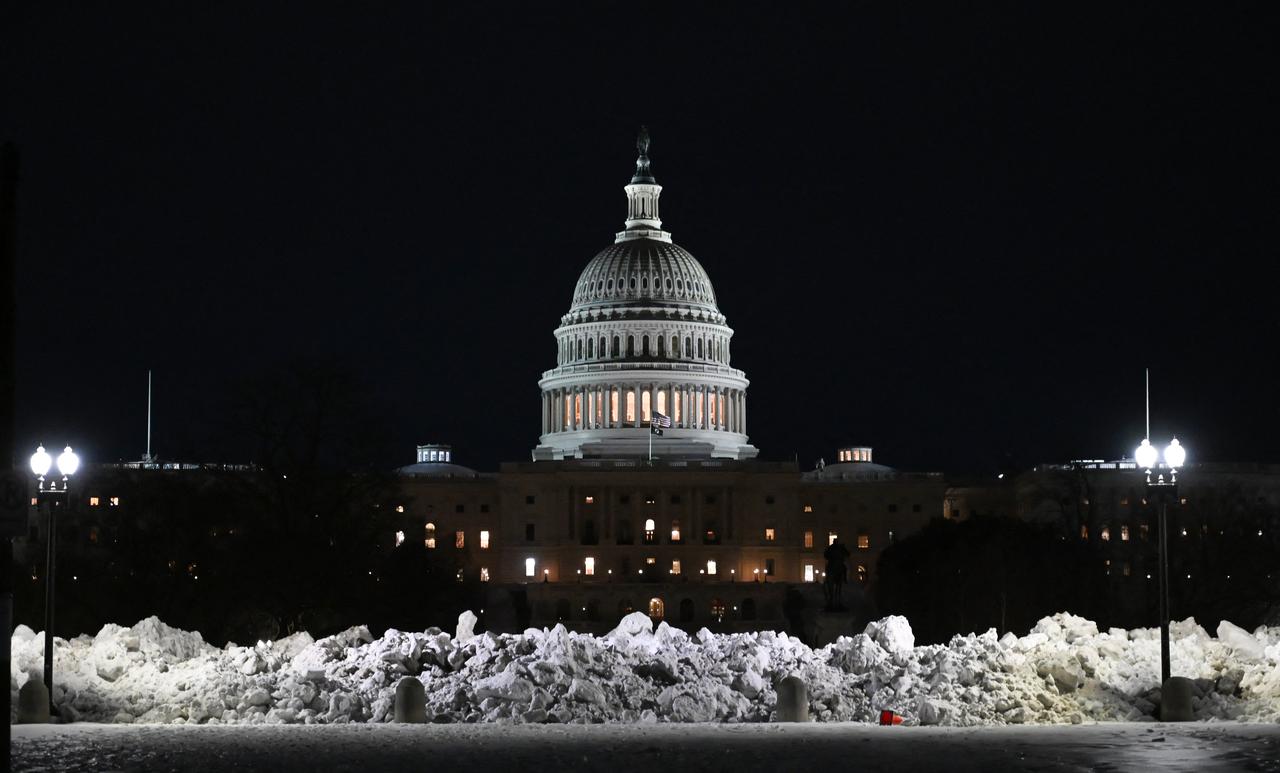
The Office of Management and Budget directed affected agencies—including the departments of defense, homeland security, state, treasury, labor, health and human services, education, transportation and housing and urban development—to prepare for an orderly shutdown.
“As it is now clear that Congress will not complete its work before the expiration of appropriations, affected agencies should now execute plans for an orderly shutdown,” OMB Director Russ Vought said in a memo.
He added that employees should report to work to carry out shutdown-related tasks.
Vought said the Trump administration will continue working with Congress to address concerns and complete appropriations for fiscal year 2026.
The Senate deal advanced only after Republican Sen. Lindsey Graham of South Carolina lifted a procedural block late Thursday.
Graham had objected to provisions in the DHS funding extension and to House language repealing a law allowing senators to sue the Justice Department over seized phone records.
Graham agreed to release his hold after Senate leaders committed to future votes on legislation he is sponsoring to crack down on so-called sanctuary cities.
Democrats have remained unified in opposing new DHS funding without reforms following the Minneapolis killings, calling for tighter oversight, stricter warrant requirements, and greater accountability for federal agents.
While some Republicans have acknowledged the need for changes, others have warned against concessions they say could weaken immigration enforcement.
Congress has already passed six of the 12 annual funding bills, but those measures account for only a portion of federal discretionary spending.
If the shutdown continues, it could affect large parts of the government, though there is little appetite in Washington for a prolonged disruption like the 43-day shutdown that ended late last year.


 Set as preferred source
 Set as preferred source


 3 min read

 1 min read