Newsletters


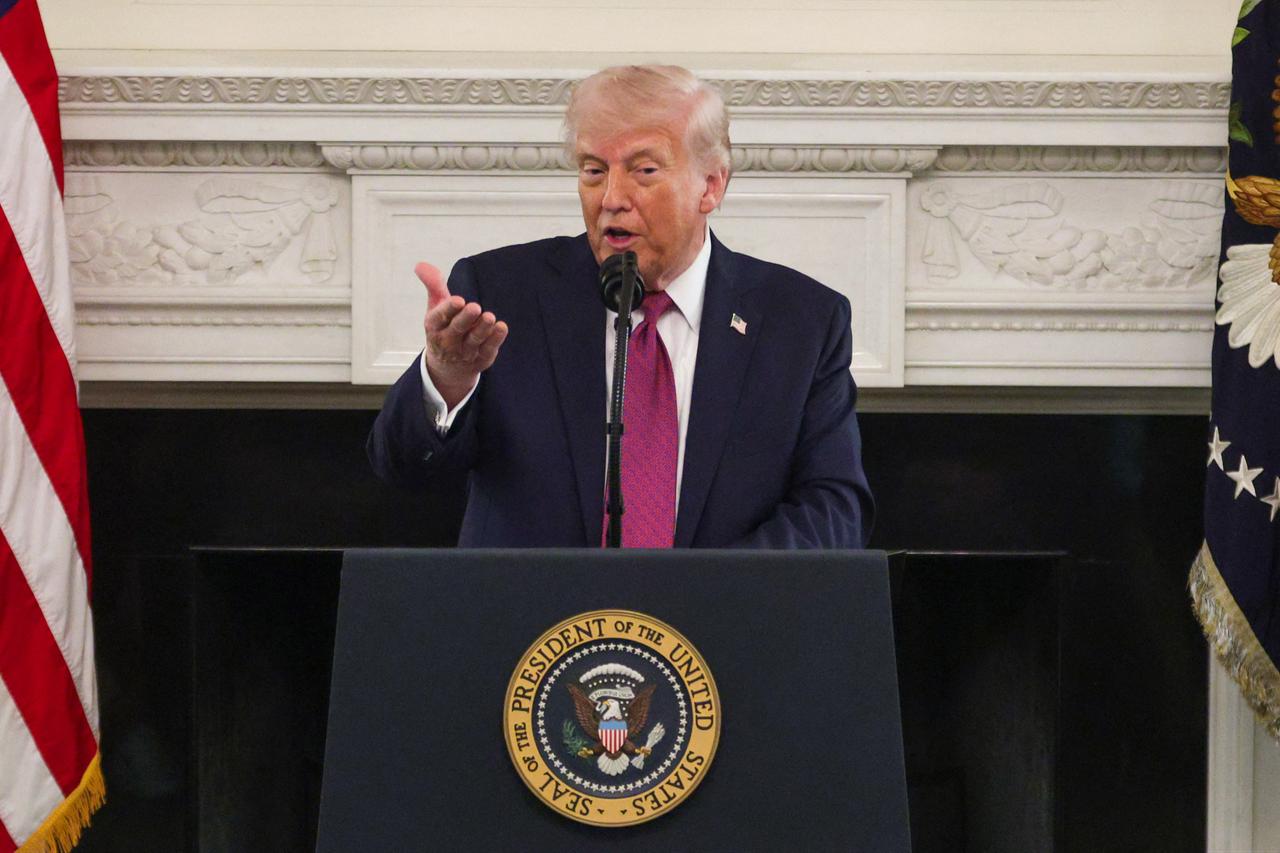


A new survey across six major European Union countries shows more people view the U.S. as a threat than China, with perceptions shifting under President Donald Trump, according to a POLITICO European Pulse poll conducted in March.
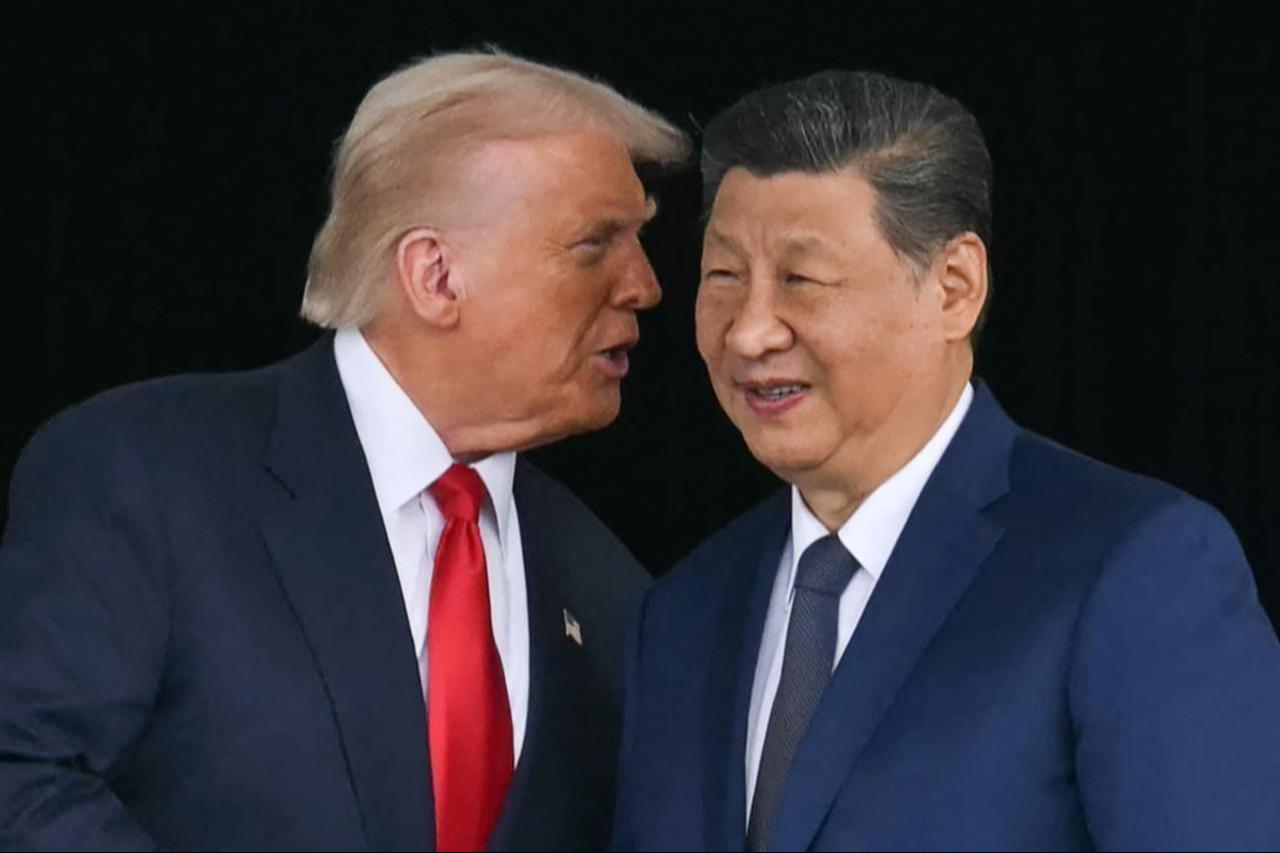
The survey found that 36% of respondents in Poland, Spain, Belgium, France, Germany and Italy viewed the U.S. as a threat, compared to 29% who said the same about China.
Only 12% described the U.S. as a close ally.
At the national level, the perceived threat from Washington was higher than Beijing in Spain, Italy, Belgium and Germany, while respondents in France and Poland viewed China as the greater threat.
The European Pulse survey was conducted by Cluster17 for POLITICO and beBartlet between March 13 and March 21.
It included 6,698 respondents across Spain, Germany, France, Italy, Poland and Belgium, with at least 1,000 participants from each country.
Results were weighted to reflect national populations based on factors including age, gender and geography.

Spain recorded the highest share of respondents viewing the U.S. as a threat, at 51%.
In Italy, 46% said the U.S. posed a threat, followed by 42% in Belgium, 37% in France and 30% in Germany.
Poland was the exception, with only 13% saying the U.S. posed a risk, reflecting its reliance on the alliance with Washington for security.
Since returning to power in January 2025, Trump has questioned Washington's commitment to NATO, threatened to annex Greenland and Canada, imposed tariffs on allies and launched a war with Iran that European countries declined to join.
Russia remained the primary threat, with 70% of respondents identifying it as a danger.
The survey showed broad support for collective defense commitments.
Across the six countries, 76% said they would support sending their country's military to defend a NATO ally if attacked, rising to 81% for defending a fellow EU member.
However, only 19% said they would be willing to take up arms if their own country were attacked.
Nearly half, 47%, said they would prefer to contribute in non-combat roles such as logistics, medical aid or civil protection.
Another 16% said they would support their country without direct involvement, while 12% said they would consider leaving.
The poll indicated widespread support for strengthening Europe's defense capabilities.
Across all countries surveyed, 86% said Europe must develop its own defense systems, with 56% strongly agreeing.
Support was highest in Poland and Belgium at 95% and reached 89% in Germany.
There was also support for deeper military integration, with 69% backing the creation of a common European military force alongside national armies.
Support ranged from 60% in France to 83% in Belgium.
 1 min read
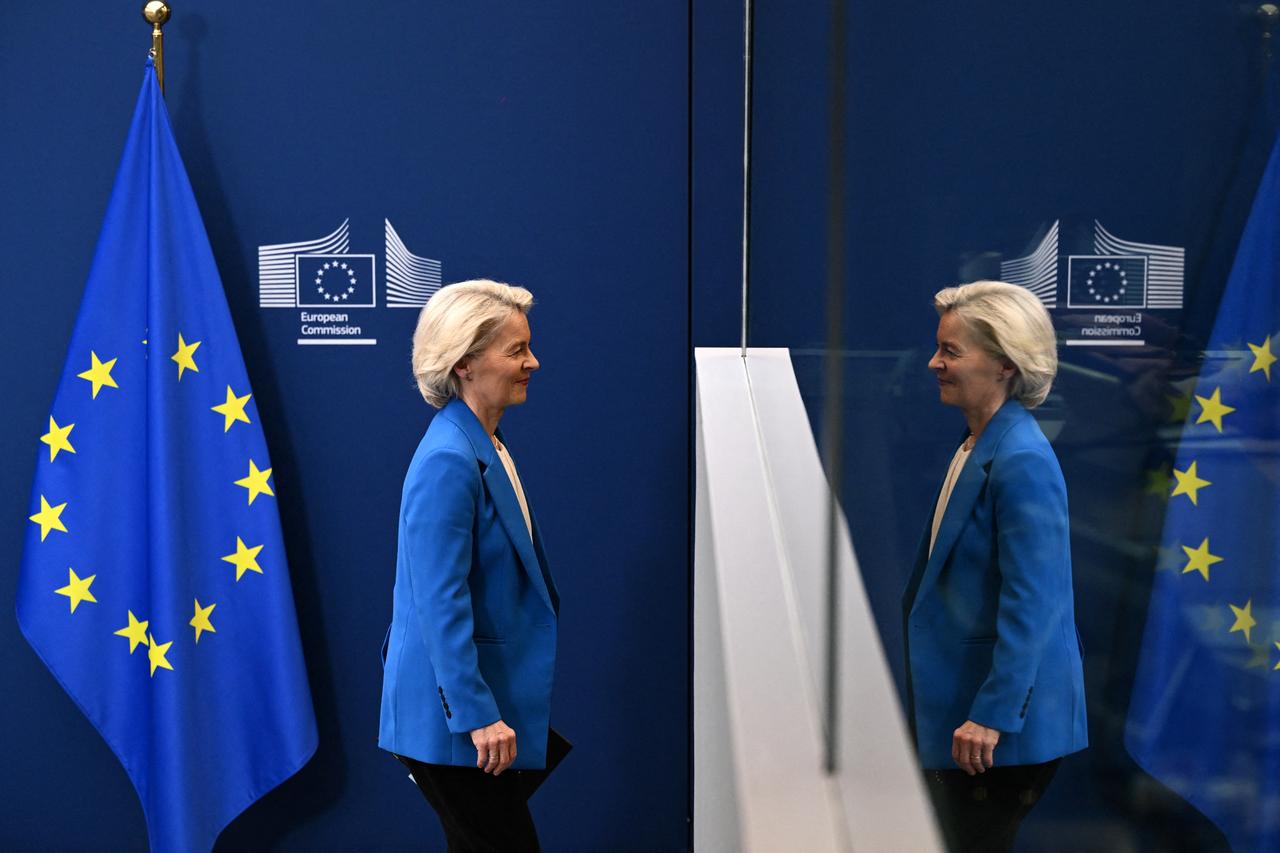
Views differed on defense spending levels.
Across the survey, 37% said spending was about right, while another 37% said it was not enough.
At the same time, 22% said their country was spending too much.
In Germany, 40% supported increased spending, compared with 44% in France and 43% in Spain.
In Italy, 39% said spending was too high, the highest share among surveyed countries.
Poland stood apart, with 56% saying current spending levels were appropriate.
The survey also revealed divisions over Europe's support for Ukraine.
Across the six countries, 34% said Europe was not doing enough, 31% said support was about right and 30% said it was too much.
In Germany, 45% said Europe was not providing enough support.
In Italy, 42% said Europe was doing too much, while Spain and Belgium leaned toward the view that support was insufficient.
France showed a more evenly divided opinion.

The findings also feed into debates over military service.
In Germany, 78% supported bringing back conscription or civil service obligations, which were suspended in 2011.
Belgium also showed strong support at 76%.
Opinion was more divided in Italy, with 53% in favor, and in Spain, where 54% opposed the idea.
After facing political opposition, German Chancellor Friedrich Merz last year dropped plans to restore full conscription and instead advanced legislation aimed at increasing active-duty troop numbers to 203,000 by 2031.
Despite differences across issues, the survey found continued strong support for collective defense commitments, particularly within NATO.


 Set as preferred source
 Set as preferred source



 1 min read