Newsletters


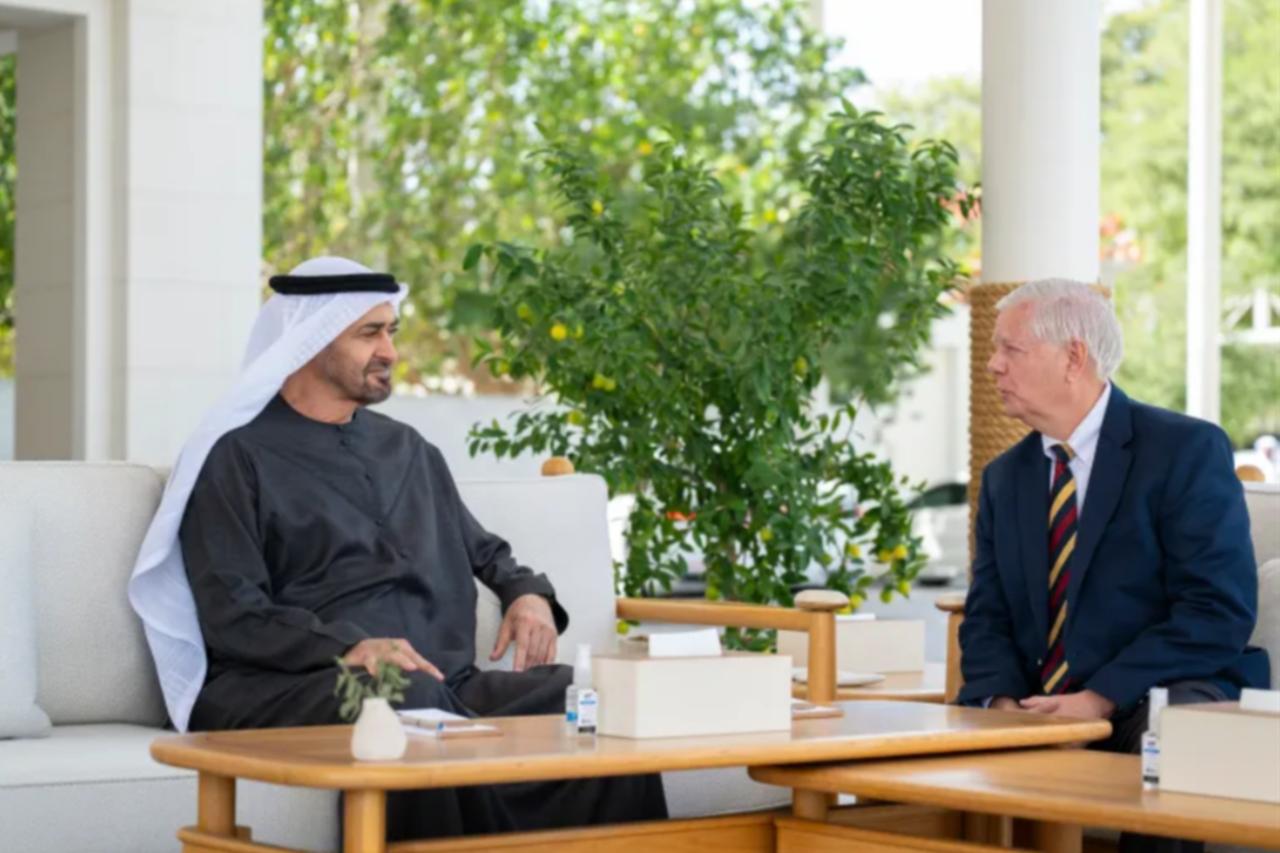


U.S. Senator Lindsey Graham issued a direct threat to Saudi Arabia on Monday, warning that "consequences will follow" if the kingdom does not commit its military to the American-Israeli campaign against Iran, a sharp escalation in Washington's pressure on Gulf allies that drew an immediate and unusually public rebuke from one of the region's most prominent business figures.
Graham's ultimatum, posted on X, came as the U.S. State Department ordered the evacuation of the American Embassy in Riyadh due to sustained Iranian attacks on Saudi territory. The South Carolina Republican questioned the very foundation of the U.S.-Saudi defense relationship, asking why Washington should maintain a security pact with a country "unwilling to join a fight of mutual interest." He noted that seven Americans had been killed in the conflict and billions of dollars spent on operations against what he called "the barbaric and terrorist Iranian regime," while Saudi Arabia was only "issuing statements and doing things in the background that are marginally helpful."
"If you are not willing to use your military now, when are you willing to use it?" Graham wrote.
Within hours, Khalaf Ahmad Al Habtoor, founding chairman of the Dubai-based Al Habtoor Group and one of the Arab world's wealthiest businessmen, delivered a point-by-point rejection of Graham's demands on X. "We know full well why we are under attack, and we also know who dragged the entire region into this dangerous escalation without consulting those he calls his 'allies' in the region," Habtoor wrote in a post translated from Arabic.
Habtoor dismissed the notion that Gulf states depend on American protection, pointing out that Gulf countries invest billions of dollars in weapons purchases and describing the arrangement as a massive trade and industry built on arms deals rather than a charitable endeavor.
"The truth is that hasty American decisions are what embroiled the region in a war whose peoples were not party to its decision-making, and its local allies were not consulted before it was launched," Habtoor wrote.
The Emirati billionaire's intervention is politically significant. Public expression in the UAE, particularly at this level, is tightly controlled by the government, and Gulf elites have historically avoided open confrontation with Washington, preferring to channel disagreements through quiet diplomatic channels. Middle East Eye reported that a few hours after Habtoor's post appeared, it seemed to have been removed from the platform.
This was not Habtoor's first public challenge. In an earlier open letter posted on March 5, he directly confronted Trump, asking who gave him "the authority to drag our region into a war with Iran" and whether he had calculated the collateral damage before launching the campaign.
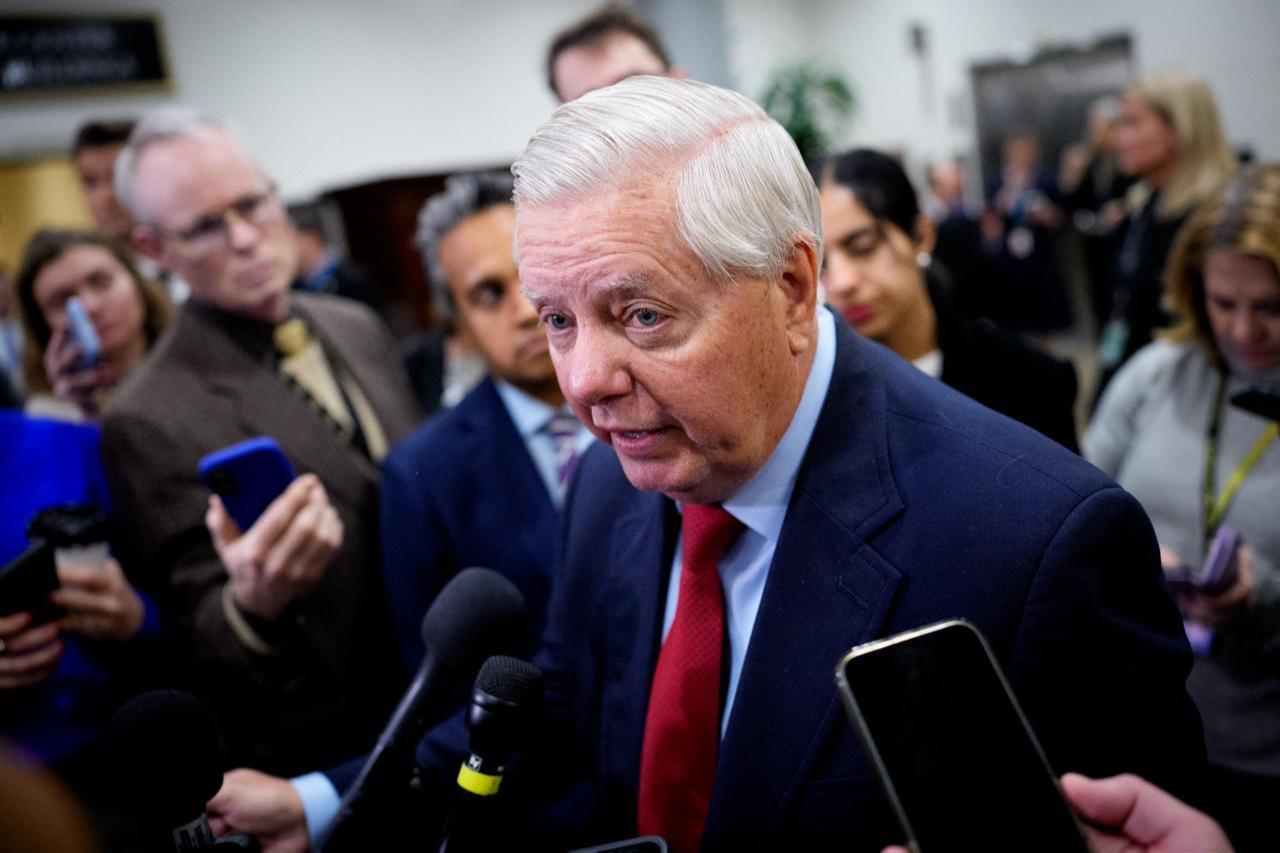

The threat against Saudi Arabia is the latest chapter in a months-long campaign by Graham to draw the region into direct confrontation with Tehran. Graham first raised the prospect of striking Iran with President Trump during a round of golf shortly after the 2024 election, and for months worked alongside retired General Jack Keane and former Bush speechwriter Marc Thiessen to press the White House for action, according to The Wall Street Journal.
In late February, Graham traveled to Saudi Arabia to meet Crown Prince Mohammed bin Salman in what U.S. officials described as an effort to secure Saudi consent for the operation, even as negotiations with Tehran were still underway. At the Munich Security Conference on February 14, Graham expressed open frustration with Gulf leaders, likened Iranian Supreme Leader Ali Khamenei to Adolf Hitler and urged regional partners not to let the moment pass. He told Saudi Arabia and the UAE to resolve their own disputes, warning that their rift was "emboldening Iran."
As early as January, reports indicated that Saudi Arabia, Qatar and Oman had urged Trump against striking Iran to avoid disrupting oil markets and sparking a broader regional war. The Saudis also reportedly told Iran they would not participate in any conflict and would not allow the U.S. to use Saudi airspace for strikes. Graham responded at the time by warning he would be "dramatically rethinking" the nature of the U.S.-Saudi alliance.
Perhaps the sharpest element of Habtoor's critique targeted what he described as the economic motivations behind the conflict. He noted that Graham himself had spoken openly about oil on Fox News, stating that Iran and Venezuela together hold 31 percent of the world's oil reserves and that the United States could forge a partnership controlling that share.
Graham told the network that when the Iranian regime falls, "we are going to have a new Middle East, and we are going to make a tonne of money."
Habtoor said those remarks made the picture clear and revealed the real reason behind the push for war.
He concluded with a line that cut directly at Graham's allegiances. "Anyone who hears your statements might think you're a member of the Israeli Knesset," Habtoor wrote, "because you defend Israel's interests more than you defend the interests of the American people themselves."
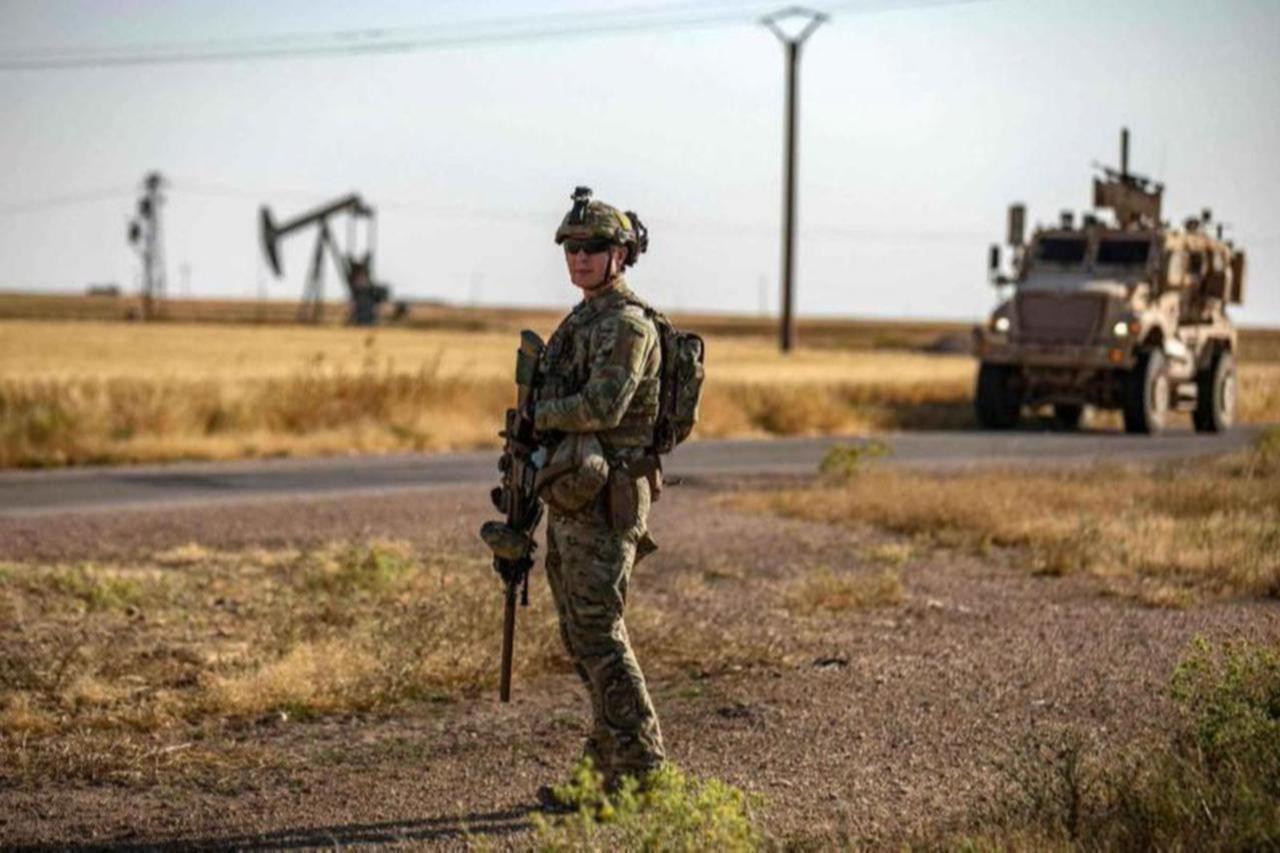
The exchange unfolds against a rapidly deteriorating security landscape. The U.S. and Israel launched joint strikes on Iran beginning February 28, targeting military infrastructure and leadership. Tehran retaliated by firing thousands of drones and missiles at Qatar, Saudi Arabia, Kuwait, Oman, Bahrain and the UAE. Iranian strikes on the U.S. Embassy in Riyadh on March 3 caused a fire and minor damage, and by March 8 the State Department had issued a mandatory evacuation order for non-emergency personnel covering Riyadh, Jeddah and Dhahran, the first such directive since the war began.
Gulf states face a strategic dilemma: their energy infrastructure has so far not been directly targeted, but joining offensive operations could invite further Iranian reprisals. The UAE foreign ministry said Sunday that the country was acting in a defensive posture in response to Iranian attacks but "does not seek to be drawn into conflicts or escalation."
The Gulf Cooperation Council, a six-member bloc comprising Saudi Arabia, the UAE, Qatar, Kuwait, Bahrain and Oman, was established in 1981 partly as a collective security mechanism in response to the Iran-Iraq War. For decades, its members have maintained close defense ties with Washington, hosting major American military installations and purchasing hundreds of billions of dollars in U.S. weaponry. The current conflict has tested that relationship like few moments before it.


 Set as preferred source
 Set as preferred source


 1 min read

 1 min read