

 Newsletters


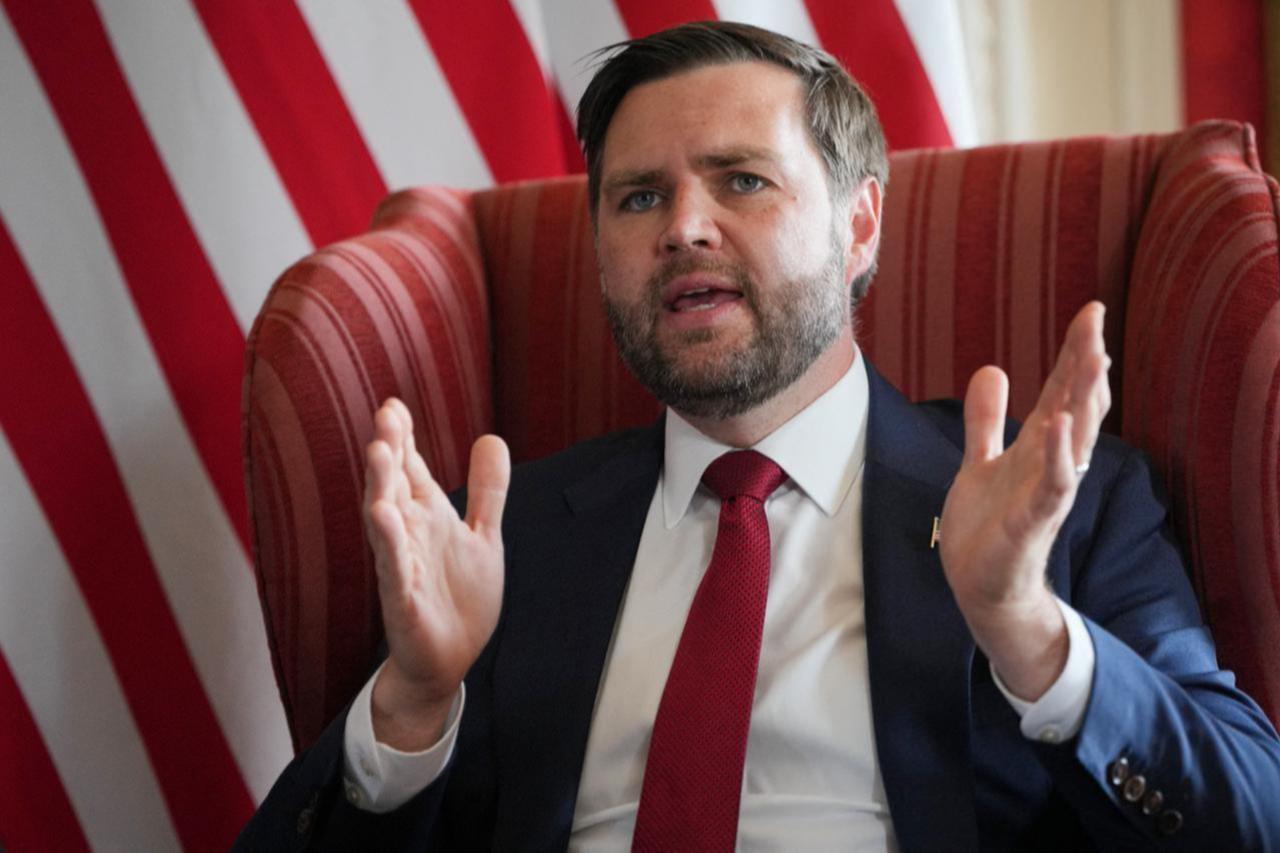


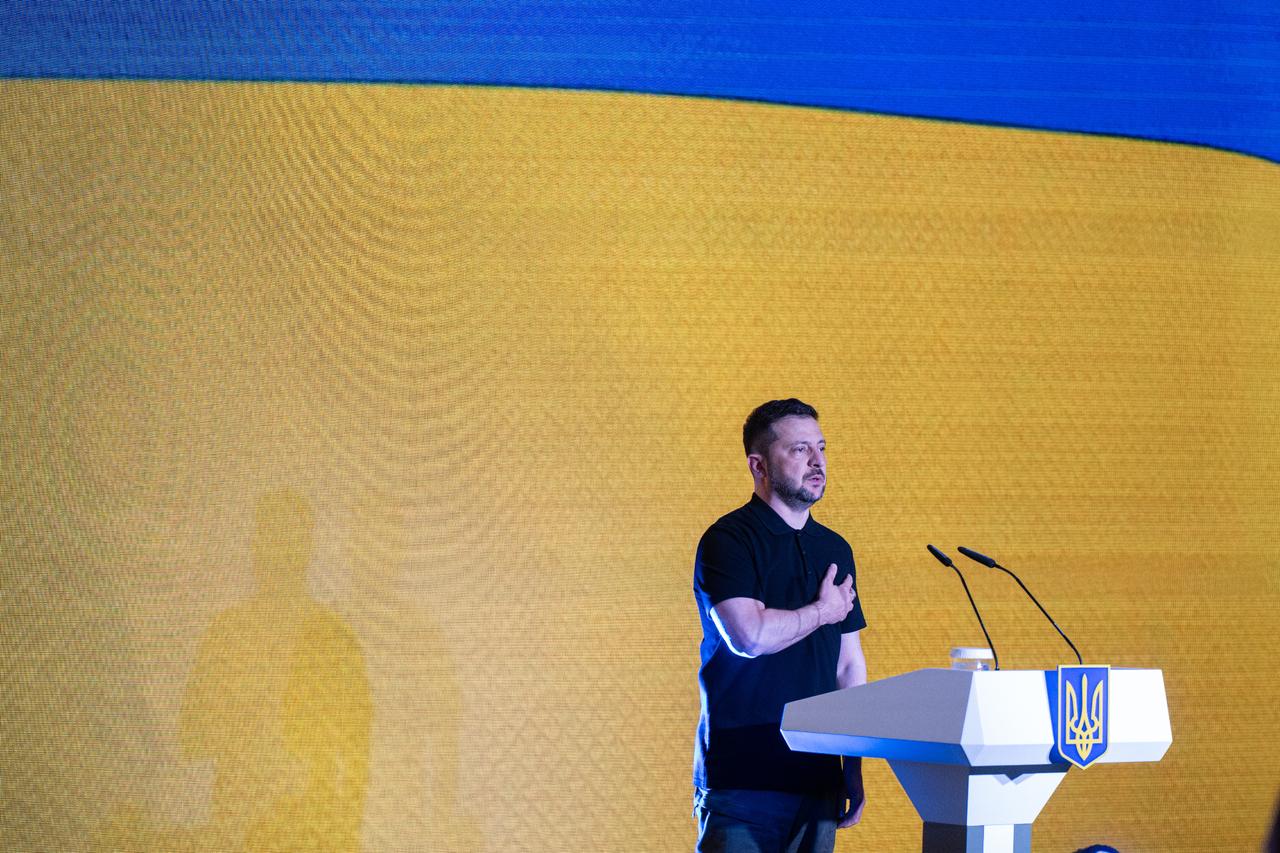
US Vice President JD Vance said Ukraine will likely lose the Donetsk region to Russia, revealing in an interview that Ukrainian leaders privately acknowledge the eventual territorial concession even as negotiations to end the war continue in Florida.
In an exclusive interview with UnHerd, Vance disclosed that Russia currently holds over 80% of Donetsk and that Russian President Vladimir Putin has insisted his troops will seize the entire region by force unless Ukraine withdraws. The vice president characterized the territorial issue as "a significant hold-up in the negotiations," noting Ukrainian officials privately accept they will probably lose Donetsk within 12 months or longer.
The White House has described recent talks in Florida as productive. Vance said negotiators have achieved a breakthrough now that all parties have stopped what he called "a little bit of a game of obfuscation" and revealed their actual positions.
Beyond the Donetsk question, Vance outlined several other issues under discussion, including control of the Zaporizhzhia nuclear facility, the status of ethnic Russians in Ukraine and ethnic Ukrainians in Russia, and post-war reconstruction. He said Ukrainian officials are understandably focused on reconstruction financing, while Russian negotiators show less interest in that topic.
The vice president emphasized that all parties have participated in good faith during recent months, dismissing selective leaks and public statements as normal negotiating tactics. Despite the progress, Vance cautioned he could not confidently predict whether negotiations would succeed, saying there was both a good chance of resolution and a good chance of continued conflict.
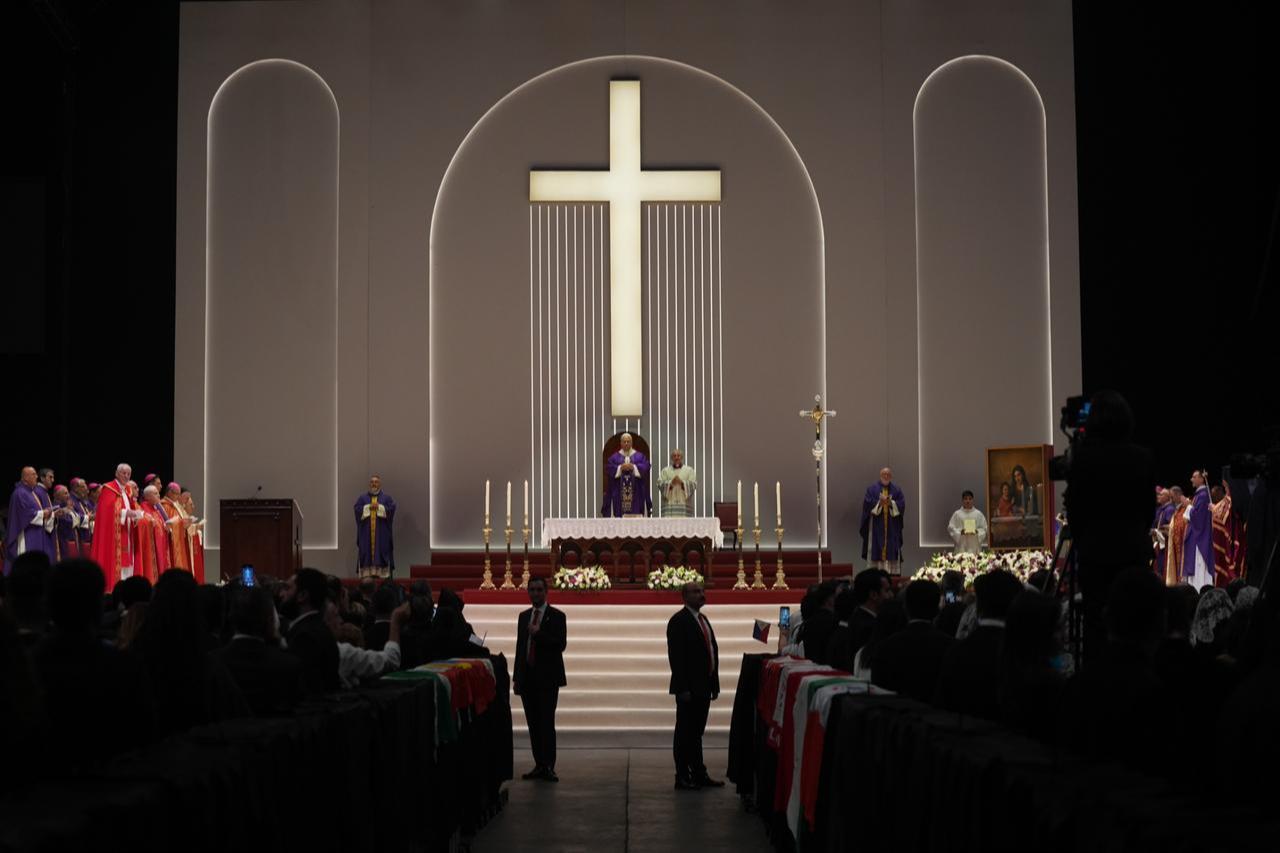

Vance disagreed sharply with Pope Leo XIV's assessment that President Donald Trump seeks to break apart the alliance between the United States and Europe over the Ukraine war. The vice president, a practicing Catholic, called the papal intervention "a particularly Eurocentric view of these negotiations."
Instead, Vance said the administration aims to encourage Europe toward greater self-sufficiency. He criticized European economic policies for producing "very broad-based continental stagnation" and immigration policies that have triggered backlash among native populations. The vice president argued that Europe "doesn't have a very good sense of itself right now," reflected in various measures of economic and cultural decline.
Vance raised national security concerns about what he termed "Islamist-aligned or Islamist-adjacent people who hold office in European countries right now," warning that such politicians could eventually gain influence over nuclear policy in France or the United Kingdom. While acknowledging these figures currently win only municipal or mayoral elections, he suggested they could wield significant power in European nuclear states within 15 years, posing a direct threat to American security.
Addressing sharp divisions within the American Right over immigration and national identity, Vance refused to denounce Tucker Carlson despite pressure from some conservatives. He defended Carlson as a friend and said the idea that the podcaster has no place in conservatism was "frankly absurd."
The vice president condemned anti-Semitism and ethnic hatred while criticizing commentator Nick Fuentes, who has attacked Vance's wife. However, Vance argued that Fuentes's influence is vastly overstated by those seeking to avoid substantive foreign policy debates about America's relationship with Israel. He contended that focusing on Fuentes allows political leaders to sidestep real policy disagreements with the Israeli government.
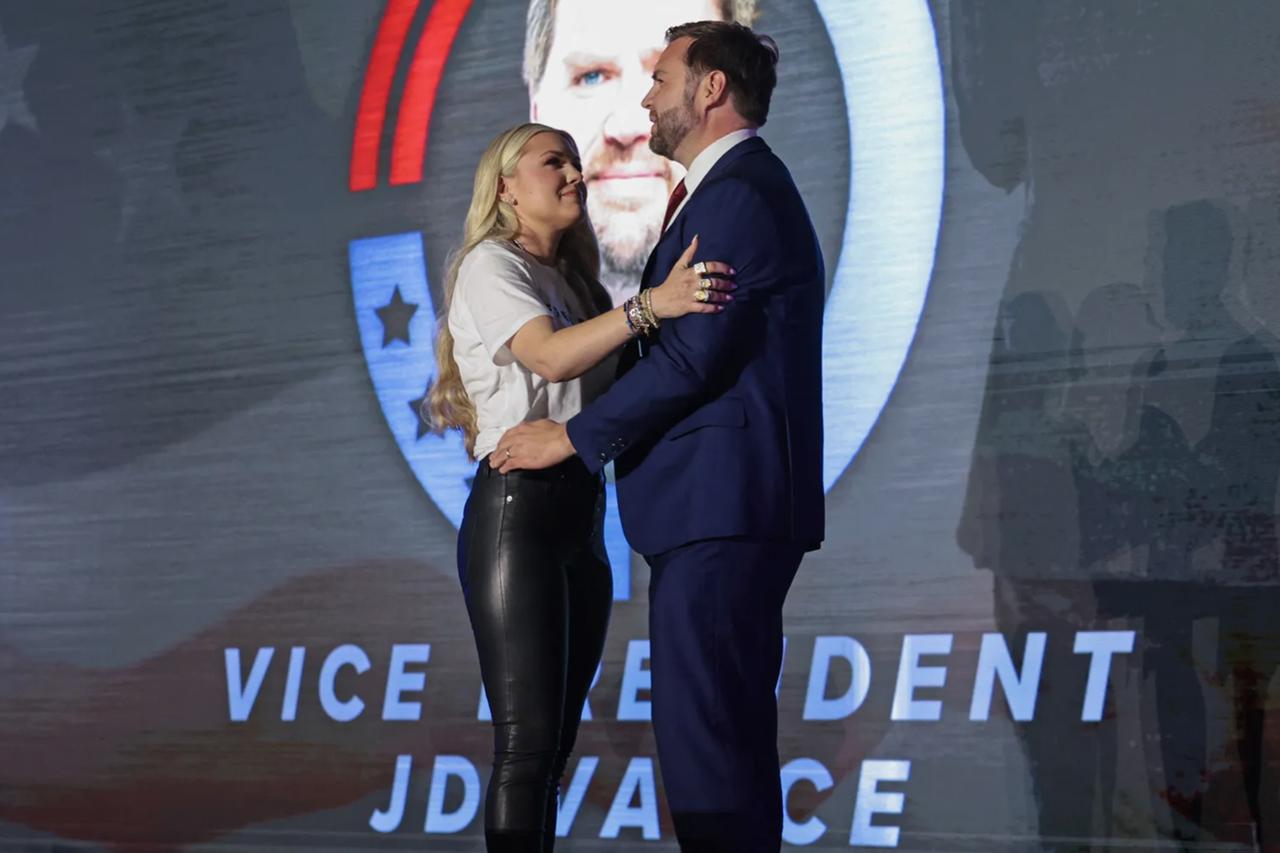
Vance expressed greater concern about what he described as discriminatory policies under the previous administration, saying the political left had promoted discrimination against whites in college admissions and jobs for years. He argued this posed a more significant threat than individual commentators, noting his own children faced discrimination under such policies due to their mixed white and South Asian heritage.
On American identity, Vance articulated a position blending belief in core democratic values with recognition that cultural understanding develops over generations. He rejected purely racial definitions of American identity while also dismissing the view that newcomers immediately share the same cultural understanding as multi-generational Americans. The vice president said the country assimilates immigrants effectively when numbers remain small and time allows for cultural absorption, but that the previous administration admitted too many people too quickly.


 Set as preferred source
 Set as preferred source


 1 min read


 1 min read


