Newsletters


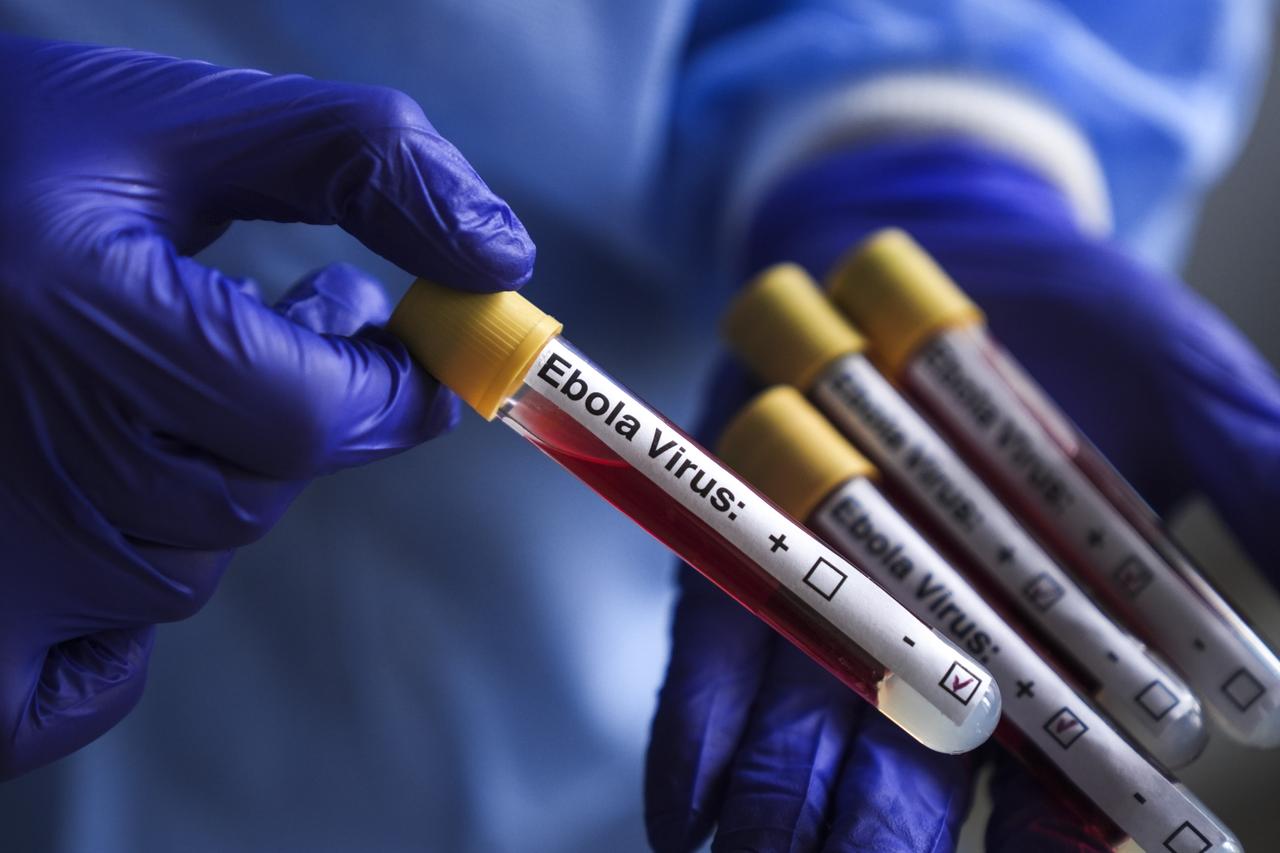


The World Health Organization's (WHO) representative in the Democratic Republic of Congo (DRC), Anne Ancia, said the country's Ebola epidemic continues to spread and that its true scale has not yet been fully determined. Ancia made the remarks during the United Nations' weekly press briefing in Geneva.
She said the epidemic "continues to spread" and that its "true scale" remains unclear. According to Ancia, the DRC government had recorded 1,561 confirmed cases as of July 4, including 506 deaths and 254 recoveries.
More than 10,000 contacts have been monitored across the country, with an overall tracing rate of 82%, Ancia said. She added that 22 facilities with a combined capacity of around 700 beds have been established, with work underway to add 300 more beds.
Despite what she described as encouraging progress, Ancia said existing treatment centers are operating at close to 90% occupancy, placing significant pressure on the response. She said population movements, ongoing insecurity and the fragility of the health system continue to complicate containment efforts.
There is currently no approved treatment or vaccine for the outbreak. The epidemic was declared in Ituri province in eastern DRC on May 15, following 246 suspected cases and 65 deaths. The WHO declared an international public health emergency over the outbreak on May 17.
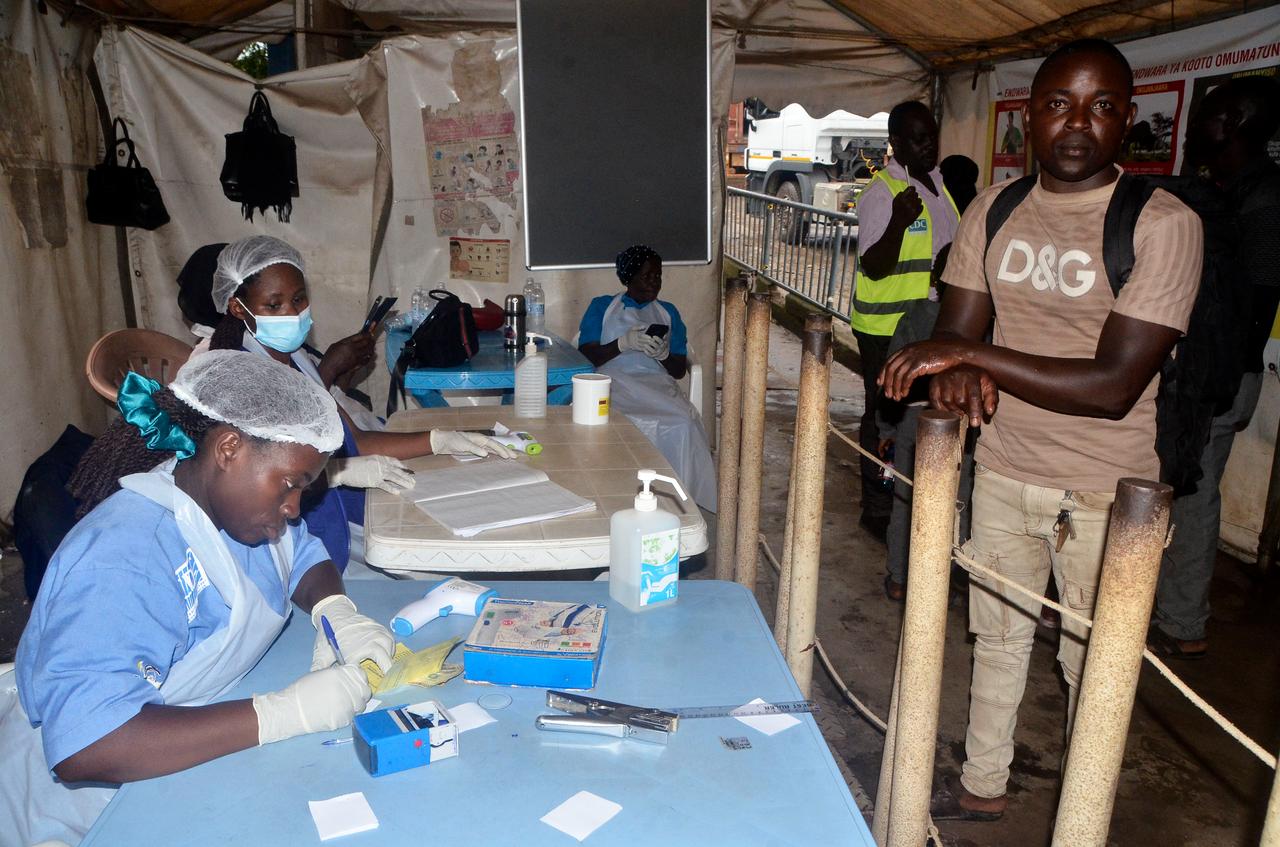

Health officials say the current epidemic stems from the Bundibugyo strain, a rare variant of the Ebola virus for which there is no approved treatment or vaccine.
The Ebola virus was first identified in 1976, during simultaneous outbreaks in Nzara, Sudan, and Yambuku, DRC. The disease is named after the Ebola River, near the village in the DRC where the outbreak began.
In December 2013, the virus spread to West Africa. An outbreak in Guinea, Liberia and Sierra Leone between 2014 and 2017 infected around 30,000 people and killed more than 11,000.


 Set as preferred source
 Set as preferred source



 4 min read